
The case for native plants
There’s a shift happening in gardening, and it's driven by a growing awareness of our impact on the natural world. For decades, we’ve favored plants for their looks, often without considering where they come from. Now, with insect populations in steep decline – a 2017 study in Biological Conservation documented a 75% decline in flying insect biomass over 27 years in German nature reserves – the consequences of those choices are becoming clear. We're realizing that our gardens can be part of the problem, or part of the solution.
The issue isn’t simply aesthetic preference. Non-native plants, while beautiful, often lack the relationships with local insects and wildlife that have developed over millennia. They may offer pollen or nectar, but frequently it's not the right kind, or at the right time, to support native pollinators. This disconnect weakens ecosystems, reducing biodiversity and making them less resilient to stress. The movement toward sustainable gardening, and specifically the use of native perennial plants, is a direct response to this challenge.
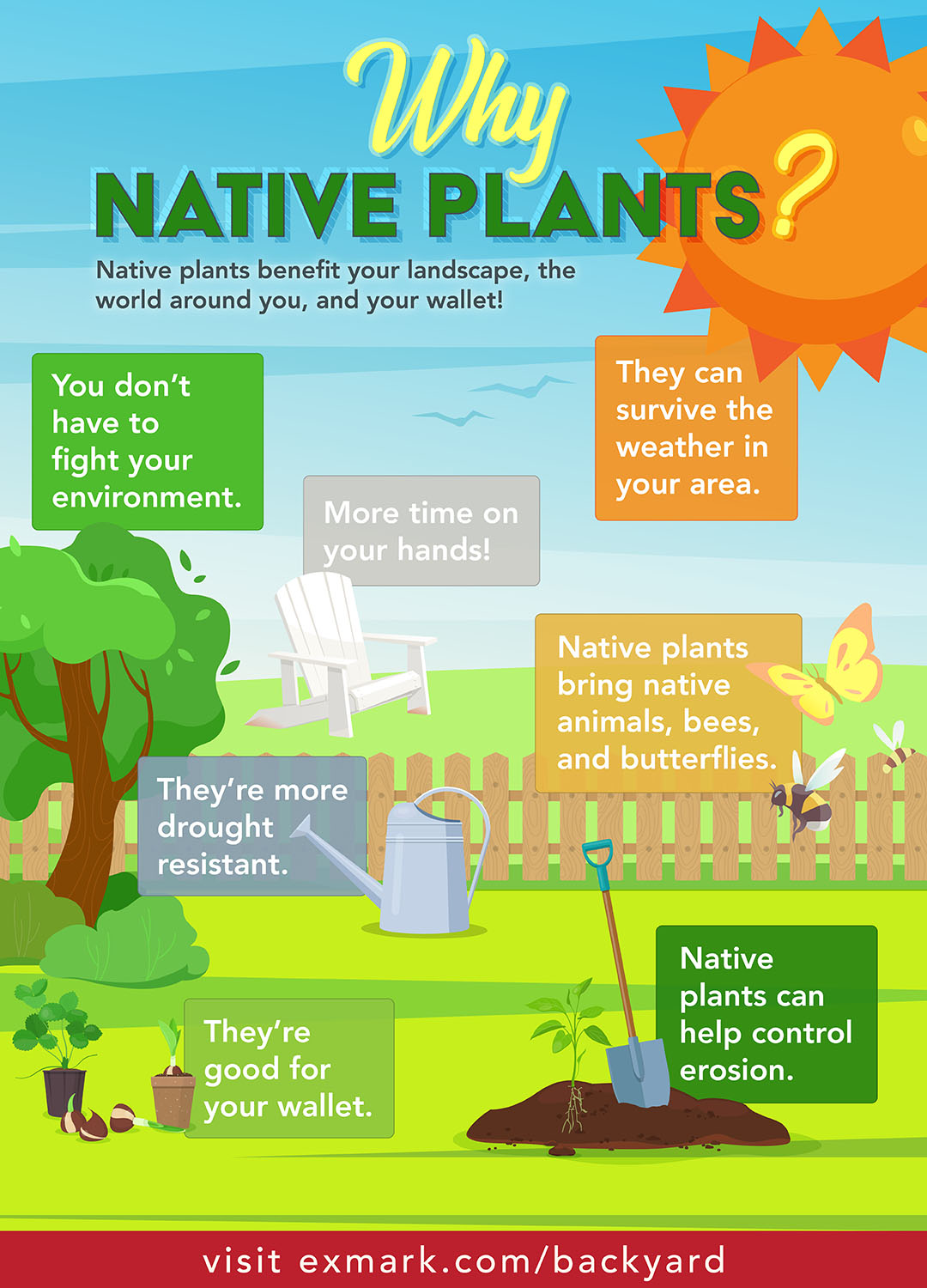
Climate change is accelerating the urgency. As weather patterns shift and become more extreme, locally adapted plants – those that have evolved in a specific region – are better equipped to survive and thrive. They require less water, fertilizer, and pesticides, making them a more sustainable choice for the long term. Choosing native perennials isn’t just about helping the bees and butterflies; it’s about building a more resilient landscape for ourselves.
What counts as native?
The term "native’ can be surprisingly slippery. It’s not as simple as a plant being ‘from’ a particular country. The Commonwealth of Pennsylvania"s Department of Conservation and Natural Resources (DCNR) explains that nativeness is tied to ecoregions – areas with similar climate, geology, and biological communities. A plant native to the mountains of Pennsylvania might not be native to the coastal plain, even within the same state.
Determining what’s native to your specific area requires a little research. The Pennsylvania DCNR website is a great starting point for those in the Mid-Atlantic region, listing plants considered native to the state. However, even this is a generalization. Local native plant societies are invaluable resources; they often have lists tailored to your county or even your town. I’ve found the Lady Bird Johnson Wildflower Center’s Native Plant Database (though focused on the US overall) to be a helpful supplement.
I’ll admit, the definition can be fuzzy. There's debate about plants that have naturalized over long periods, or those with a wide geographic range. Don't get bogged down in semantics, but do strive to choose plants that are appropriate for your local ecosystem. Prioritize plants that support local food webs and contribute to biodiversity.
20 native perennials for the eastern US
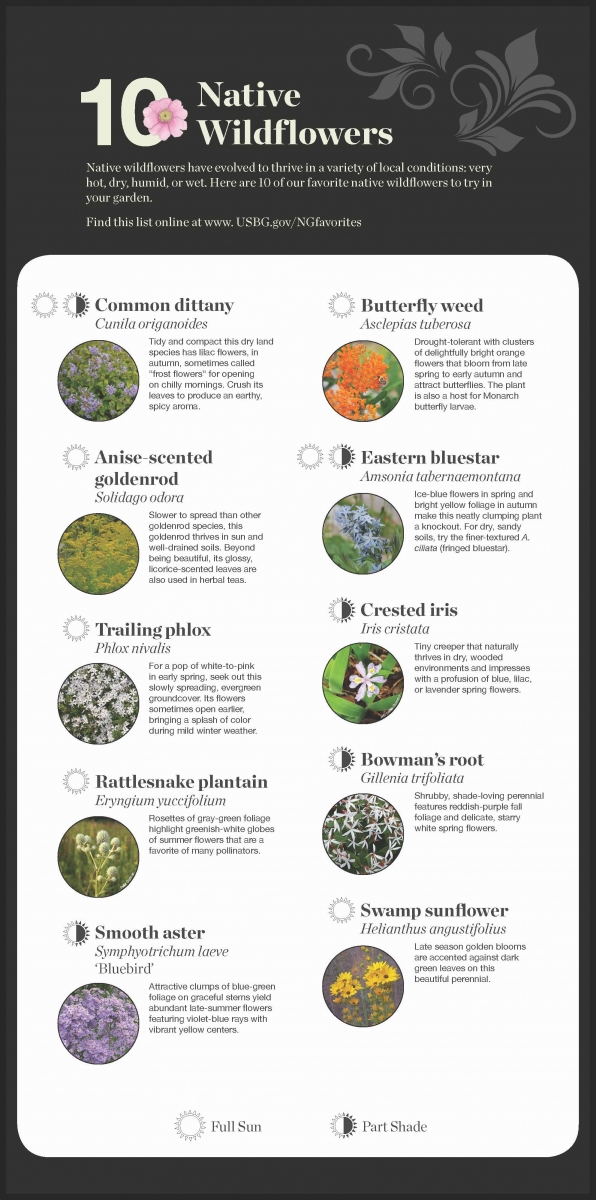
Choosing just 20 is difficult, but this selection represents a diverse range of options for the Eastern US, balancing beauty, ecological value, and ease of cultivation. The information below draws heavily from the Penn State Extension’s guidance on native perennials, updated with observations from recent years. Bloom times and sizes can vary depending on growing conditions.
Black-Eyed Susan (Rudbeckia hirta): Full sun, well-drained soil, blooms summer-fall, 2-3’ tall. A classic pollinator magnet, providing late-season nectar for migrating butterflies. It's incredibly adaptable and self-seeds readily.
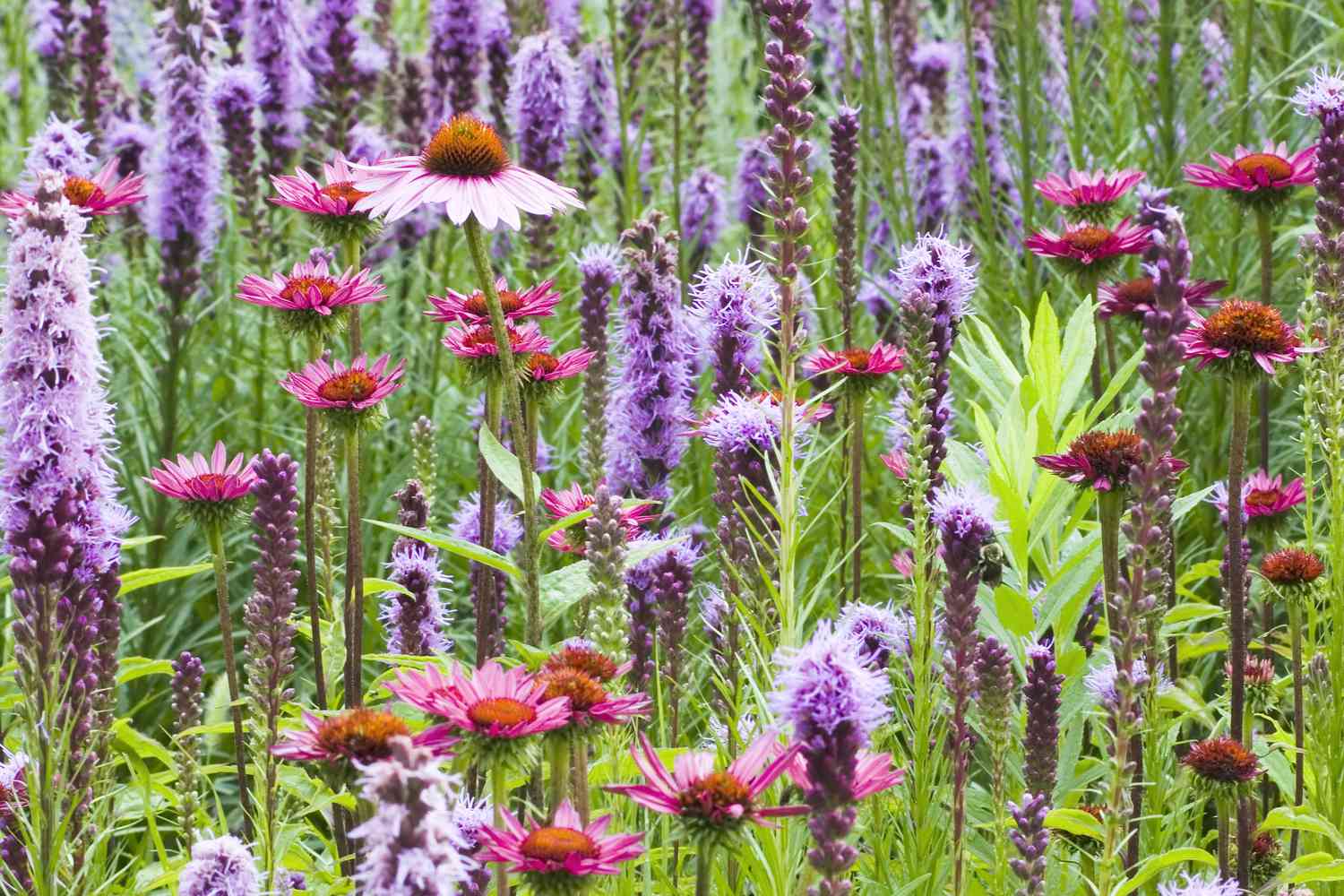
Purple Coneflower (Echinacea purpurea): Full sun, well-drained soil, blooms summer-fall, 3-5’ tall. Another pollinator favorite, and a beautiful addition to any garden. Prefers drier conditions.
Wild Columbine (Aquilegia canadensis): Part shade, moist, well-drained soil, blooms spring-early summer, 1-2’ tall. Attracts hummingbirds and long-tongued bees. It often self-seeds in sheltered locations.
Bee Balm (Monarda didyma): Full sun, moist soil, blooms summer, 3-4’ tall. As the name suggests, it’s irresistible to bees. Comes in shades of red, pink, and purple.
Blue Flag Iris (Iris versicolor): Full sun to part shade, moist to wet soil, blooms late spring-early summer, 2-4’ tall. A stunning addition to rain gardens or pond edges. Prefers consistently moist conditions.
New England Aster (Symphyotrichum novae-angliae): Full sun, well-drained soil, blooms fall, 3-5’ tall. Provides a crucial late-season food source for pollinators preparing for winter.
Goldenrod (Solidago spp.): Full sun, adaptable to various soil types, blooms fall, 2-5’ tall. Often unfairly blamed for allergies (ragweed is the culprit!), goldenrod is a vital resource for late-season insects.
Foamflower (Tiarella cordifolia): Part to full shade, moist, well-drained soil, blooms spring, 6-12” tall. A beautiful groundcover with delicate, foamy white flowers.
Wild Ginger (Asarum canadense): Part to full shade, moist, rich soil, blooms spring (flowers hidden beneath leaves), 6-8” tall. A lovely groundcover for woodland gardens.
Cardinal Flower (Lobelia cardinalis): Part shade, moist soil, blooms summer-fall, 2-4’ tall. A striking red flower that attracts hummingbirds.
Blue Wood Aster (Symphyotrichum cordifolium): Full sun to part shade, dry to medium soil, blooms fall, 1-3’ tall. Another important late-season bloomer.
Butterfly Weed (Asclepias tuberosa): Full sun, well-drained soil, blooms summer, 1-2’ tall. Essential for monarch butterflies, providing food for caterpillars and nectar for adults.
Mountain Mint (Pycnanthemum virginianum): Full sun to part shade, adaptable soil, blooms summer, 2-3’ tall. Highly attractive to a wide variety of pollinators.
Smooth Aster (Symphyotrichum laeve): Full sun, well-drained soil, blooms fall, 3-6' tall. A tall, showy aster that adds late-season color.
Little Bluestem (Schizachyrium scoparium): Full sun, well-drained soil, 3-4’ tall. This ornamental grass provides winter interest and habitat for wildlife.
Aromatic Aster (Symphyotrichum oblongifolium): Full sun, well-drained soil, blooms fall, 1-3’ tall. Offers a pleasant fragrance and attracts pollinators.
Common Milkweed (Asclepias syriaca): Full sun, adaptable soil, blooms summer, 3-5’ tall. A host plant for monarch butterflies, though it can spread aggressively.
Virginia Bluebells (Mertensia virginica): Part shade, moist soil, blooms spring, 1-2’ tall. Ephemeral spring blooms that disappear after flowering.
Bloodroot (Sanguinaria canadensis): Part to full shade, moist, rich soil, blooms spring, 6-8” tall. Early spring blooms that attract pollinators.
Wild Lupine (Lupinus perennis): Full sun, well-drained, sandy soil, blooms spring-early summer, 1-3’ tall. A host plant for the Karner Blue butterfly.
Essential Tools and Seeds for Your Sustainable Native Perennial Garden

36 individual cells for starting seeds · Reusable and durable construction · Ideal for vegetable, flower, and herb seeds
This reusable seed starting tray provides an organized and efficient way to begin a variety of perennial seedlings indoors, setting the foundation for a successful native garden.

Provides consistent warmth for optimal germination · Digital thermostat for precise temperature control · UL & MET-certified for safety
A heat mat with a thermostat ensures ideal soil temperatures for germinating native perennial seeds, promoting faster and more reliable sprouting.

Contains 18 varieties of wildflower seeds · Designed to attract pollinators · Non-GMO seeds
This bulk wildflower mix, while not exclusively native, offers a diverse range of flowers that can support local ecosystems and pollinators, complementing a perennial garden.
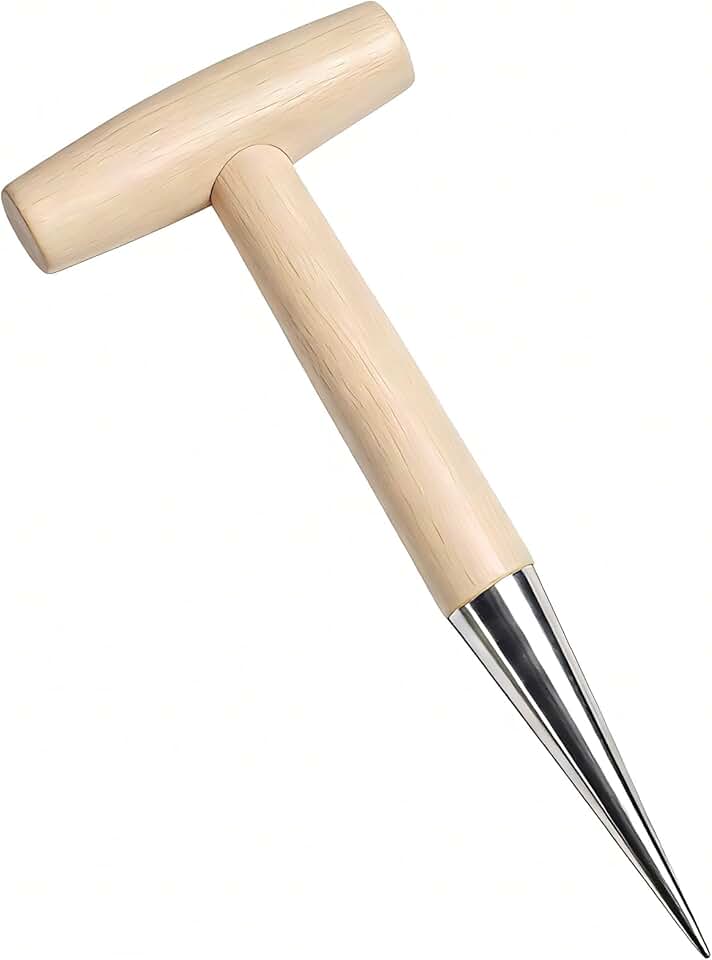
Metal tip for easy soil penetration · Depth markings for consistent planting · Wooden T-handle for comfortable grip
This dibber tool simplifies the process of planting perennial bulbs and seeds at the correct depth, ensuring better establishment for your native plants.

Controls common fungal diseases · Ready-to-use spray for convenient application · Suitable for organic gardening
Captain Jack's Copper Fungicide offers a way to manage common plant diseases organically, helping to keep your native perennial plants healthy and thriving.
As an Amazon Associate I earn from qualifying purchases. Prices may vary.
When non-native plants work
It’s not about creating a garden that's exclusively native. There’s room for non-native perennials, but informed choices are crucial. Some non-natives are harmless, offering beauty without disrupting local ecosystems. Others, like Japanese barberry and multiflora rose, are highly invasive and should be avoided at all costs.
Before introducing a non-native plant, research its potential for invasiveness in your region. State extension offices often have lists of invasive species to avoid. Pay attention to whether a plant self-seeds aggressively or spreads via rhizomes. If you’re unsure, err on the side of caution.
Cultivars—those plants bred for specific colors or sizes—are tricky. A wild species is a reliable food source, but a version bred for 'double' flowers often loses its pollen and nectar in the process. I usually stick to the straight species to be safe.
Native vs. Non-Native Perennial Plant Comparison
| Plant Type | Native Status (to North America) | Pollinator Value | Invasiveness Risk | Maintenance Needs |
|---|---|---|---|---|
| Echinacea (Purple Coneflower) | Native | High - attracts bees, butterflies, and birds; seed heads provide winter food. | Low | Low - drought tolerant once established; deadheading spent flowers can prolong bloom. |
| Lavender (English Lavender) | Non-Native (Europe, Mediterranean) | Moderate - attracts bees and butterflies, but less beneficial to native pollinators. | Low to Moderate - can self-seed, but generally not considered highly invasive. | Moderate - requires well-drained soil and regular pruning. |
| Daylily ( *Hemerocallis* ) | Non-Native (Asia) | Moderate - some varieties attract hummingbirds; pollen and nectar availability varies greatly by cultivar. | Moderate - some species and cultivars can spread aggressively via rhizomes. | Low to Moderate - requires occasional division to control spread; relatively pest-free. |
| Black-Eyed Susan ( *Rudbeckia hirta* ) | Native | High - attracts bees and butterflies; seeds are important for birds. | Low - generally well-behaved, but can self-seed. | Low - adaptable to various soil types; deadheading encourages more blooms. |
| Bee Balm ( *Monarda didyma* ) | Native | Very High - a magnet for bees, butterflies, and hummingbirds. | Low to Moderate - susceptible to powdery mildew, but resistant cultivars are available. | Moderate - benefits from deadheading and occasional division. |
| Japanese Painted Fern ( *Athyrium niponicum pictum* ) | Non-Native (Asia) | Low - provides visual interest but offers limited pollinator support. | Low - generally non-invasive. | Low - prefers moist, shady conditions; requires minimal maintenance. |
| Butterfly Weed ( *Asclepias tuberosa* ) | Native | Very High - crucial host plant for Monarch butterflies; attracts other pollinators. | Low | Low - drought tolerant; prefers well-drained soil. |
Illustrative comparison based on the article research brief. Verify current pricing, limits, and product details in the official docs before relying on it.
Starting your garden
Creating a native perennial garden is similar to establishing any garden, but with a few key differences. Site preparation is essential. Most native plants prefer well-drained soil, but specific needs vary. Amend your soil with compost to improve drainage and fertility, but avoid over-fertilizing. Native plants are generally adapted to less fertile conditions.
When planting, space plants according to their mature size. Consider grouping plants with similar needs together. Water thoroughly after planting, and continue to water regularly until established. Mulch with shredded leaves or wood chips to suppress weeds and retain moisture. I've found that a 2-3 inch layer of mulch works well.
Perhaps the most important step, and often overlooked, is leaving the leaves in the fall. Many native insects overwinter in leaf litter, providing a vital food source for birds and other wildlife. Resist the urge to tidy up your garden too much. A little messiness is a sign of a healthy ecosystem. Ongoing maintenance involves weeding, deadheading (though leaving some seed heads for birds), and occasional division to prevent overcrowding.
Resources & Further Learning
The journey into native perennial gardening is a continuous learning process. Several excellent resources are available to help you expand your knowledge and create a thriving, sustainable garden. Your state’s native plant society is an excellent starting point, offering local expertise and plant sales.
University extension programs, like Penn State’s, have solid data on what actually grows in your soil. The Lady Bird Johnson Wildflower Center also has a massive database for looking up specific species.
Direct Native Plants () is a reputable online nursery specializing in native perennials. Local nurseries that specialize in native plants are also a great option, offering personalized advice and locally adapted plants.
- State Native Plant Societies
- University Extension Programs (e.g., Penn State Extension)
- Lady Bird Johnson Wildflower Center database
- Direct Native Plants:
Helpful Resources
- Native Plant Societies - These organizations provide regionally specific information on native plants, conservation efforts, and local events. They are an excellent resource for determining what grows best in your area.
- Lady Bird Johnson Wildflower Center - A research facility and botanical garden at the University of Texas at Austin, dedicated to the study and conservation of native wildflowers and plants. Their website offers a comprehensive Native Plant Database.
- University Extension Programs - Most land-grant universities have extension offices offering research-based information on gardening, including native plant selection and care, tailored to your state's climate and soil conditions.
- Audubon Society - While focused on birds, the Audubon Society promotes native plant gardening as a way to support bird populations by providing food and habitat.
- Prairie Moon Nursery - A reputable online nursery specializing in native wildflowers, grasses, and shrubs. They provide detailed plant information and growing guides.
- Izel Native Plants - An online nursery focused on providing eco-friendly native plants and resources for sustainable landscaping.
- “Native Plants for the Midwest” by Alan Branhagen - A regionally focused guide providing detailed information on native plants suitable for Midwestern gardens.
- “Bringing Nature Home” by Douglas Tallamy - A foundational book advocating for the use of native plants to support local ecosystems and biodiversity.
No comments yet. Be the first to share your thoughts!