The shift toward ecological gardening
There's a real shift happening in gardening, and it’s about more than just having a pretty yard. People are increasingly aware of the ecological role our gardens can play, and that’s leading to a surge in interest in native perennial plants. For a long time, gardening prioritized non-native species, often chosen for their showy blooms or exotic appeal. But we’re starting to understand the importance of supporting local ecosystems and the creatures that depend on them.
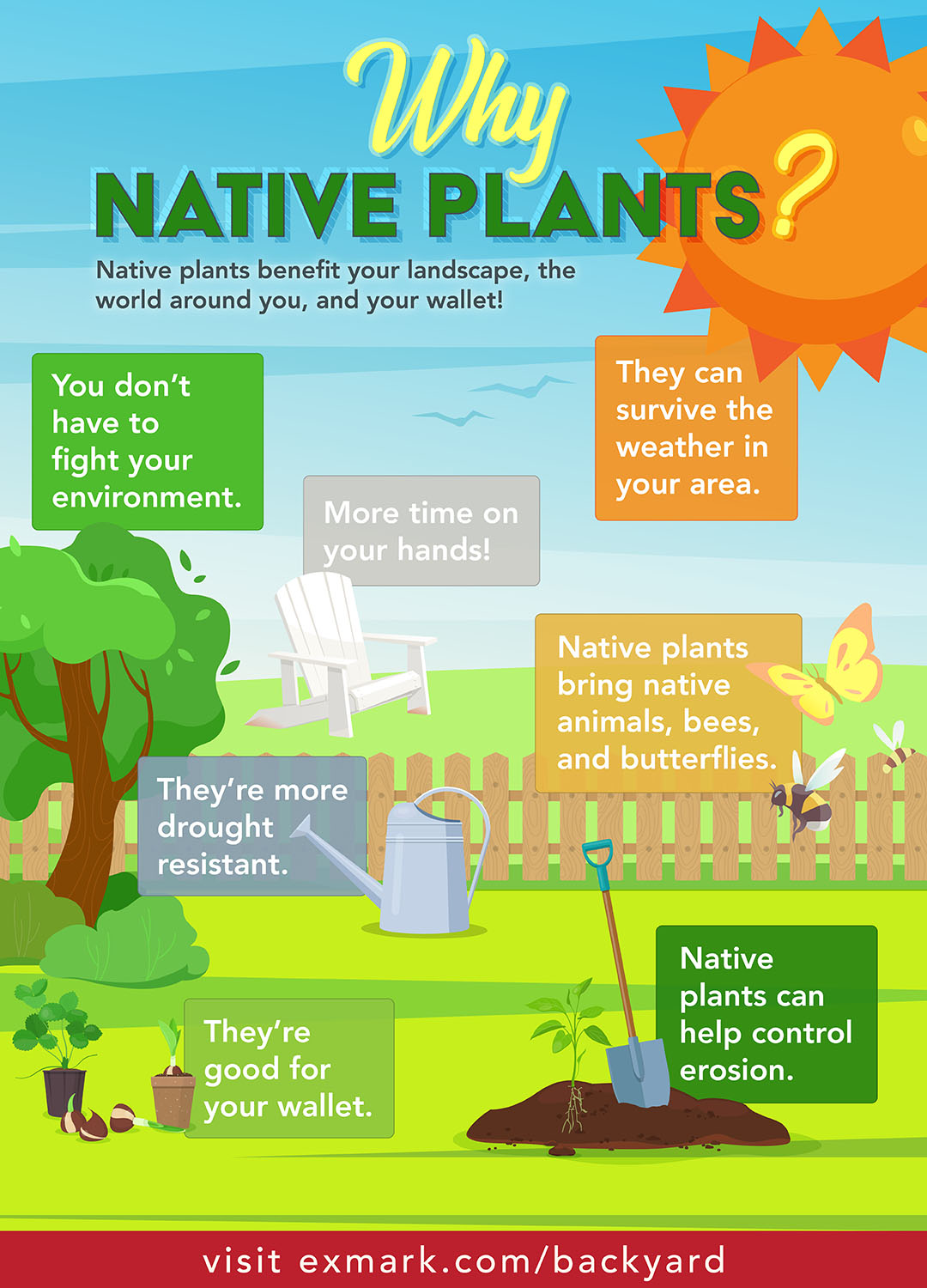
The benefits are numerous. Native plants are adapted to our climate and soil conditions, meaning they require less water, fertilizer, and pesticides than their non-native counterparts. They also provide essential food and habitat for pollinators like bees, butterflies, and birds, which are facing significant declines. Consider the Monarch butterfly, whose populations have plummeted in recent decades – a direct consequence of habitat loss, including the removal of milkweed, its sole host plant.
2026 feels like a critical year to embrace native plants because of the accelerating effects of climate change and habitat loss. We're seeing more extreme weather events, and ecosystems are under increasing stress. Creating sustainable perennial gardens with native plants is a concrete step we can all take to build resilience and support biodiversity. The U.S. Fish & Wildlife Service, for example, actively promotes native plant use for wildlife habitat restoration and conservation, recognizing their central role in ecosystem health.
Historically, the preference for non-native plants stemmed from a desire for novelty and a belief that they were 'superior' to native species. This mindset has slowly been changing as ecological awareness grows. We're moving away from a purely aesthetic approach to gardening and towards a more holistic one that considers the environmental impact of our choices. It’s about recognizing that our gardens aren't isolated spaces, but integral parts of the larger landscape.
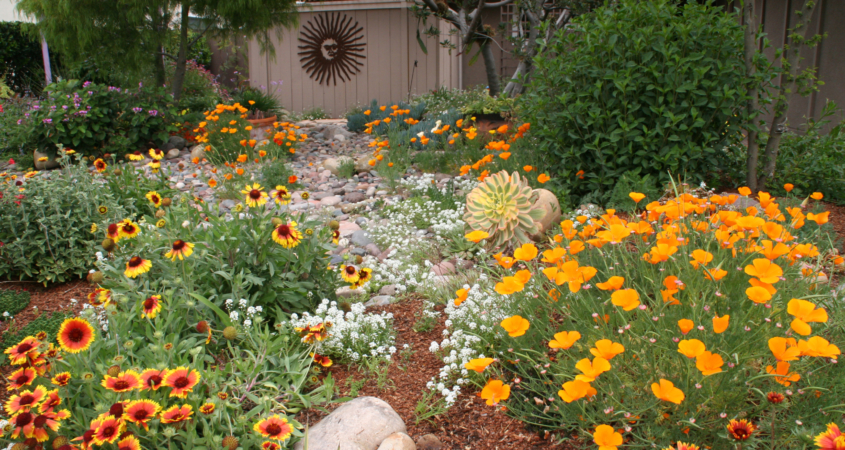
15 native perennials to plant in 2026
These 15 species cover a variety of regions and bloom times. Keep in mind that 'native' depends entirely on where you live; a plant that thrives in a Georgia swamp might struggle in a Vermont meadow.
Black-Eyed Susan ( Rudbeckia hirta ): A classic for a reason. This cheerful plant thrives in full sun and well-drained soil, blooming from summer to fall. It attracts bees and butterflies and is relatively drought-tolerant. Height/Spread: 2-3 feet. It’s a robust plant and often self-seeds.
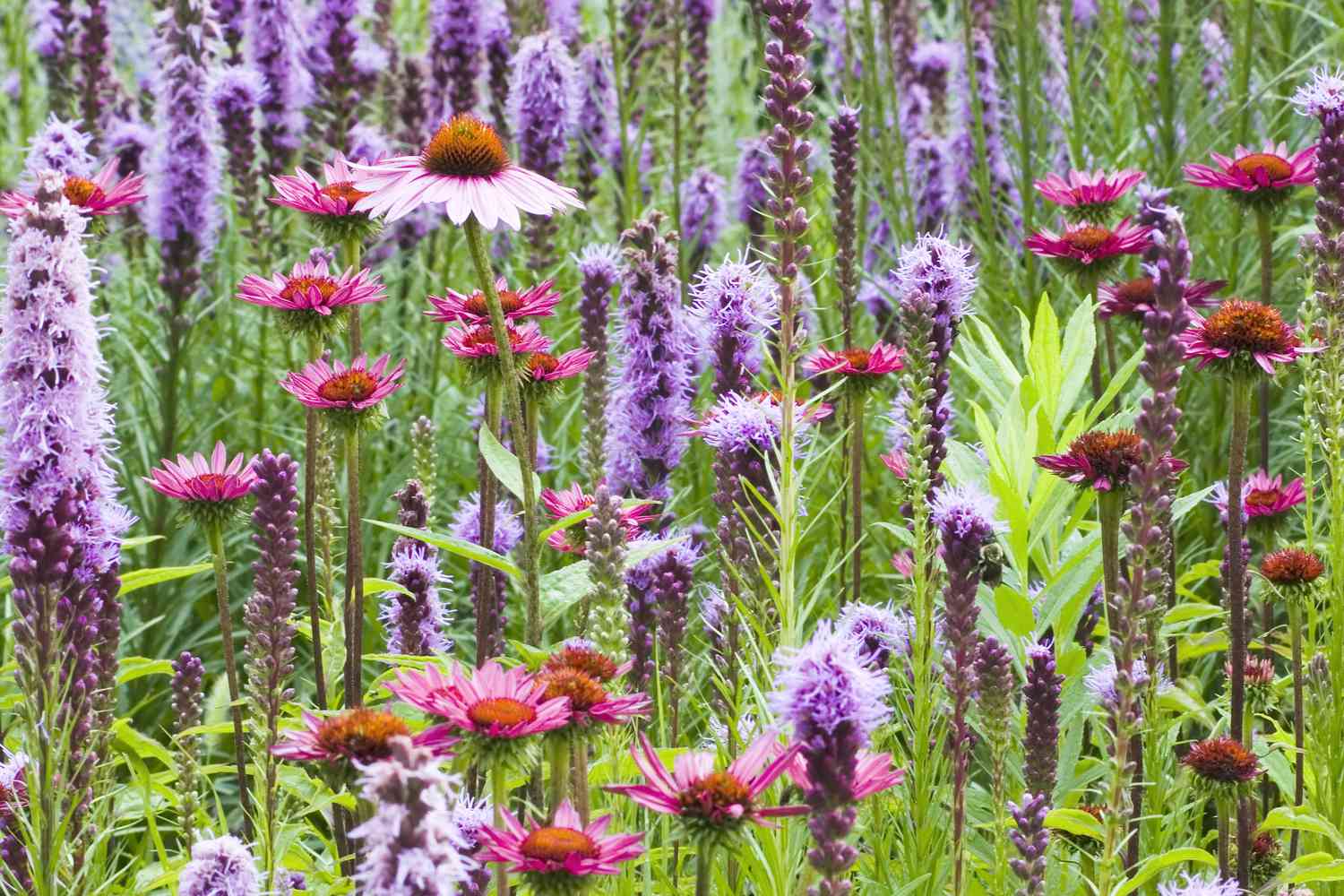
Purple Coneflower ( Echinacea purpurea ): Another pollinator magnet. Coneflowers prefer full sun and well-drained soil and offer beautiful purple (and now cultivated varieties in other colors) blooms throughout the summer. They’re also known for their medicinal properties. Height/Spread: 2-5 feet.
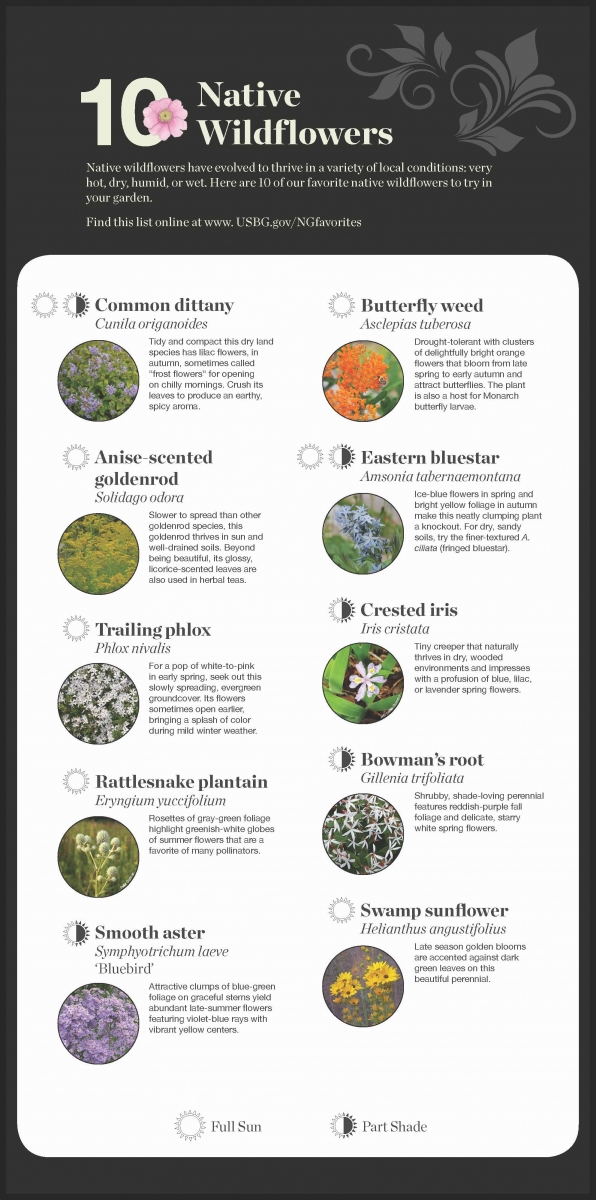
Milkweed ( Asclepias species ): Absolutely essential for Monarch butterflies. Different species of milkweed are native to different regions, so choose one that’s appropriate for your area. Common Milkweed (Asclepias syriaca) is widespread, but Butterfly Weed (Asclepias tuberosa) is a showier option. Height/Spread: varies by species. Monarchs lay their eggs exclusively on milkweed leaves.
Bee Balm ( Monarda species ): A favorite of hummingbirds and bees. Bee balm prefers moist, well-drained soil and partial shade. It comes in a variety of colors, including red, pink, and purple. Height/Spread: 2-4 feet.
Wild Lupine ( Lupinus perennis ): A beautiful, early-blooming perennial that attracts bumblebees. It prefers well-drained soil and full sun. Height/Spread: 1-3 feet.
New England Aster ( Symphyotrichum novae-angliae ): Provides late-season color and nectar for pollinators. It thrives in moist soil and full sun. Height/Spread: 3-6 feet.
Goldenrod ( Solidago species ): Often unfairly blamed for allergies (ragweed is the culprit!), goldenrod is a valuable pollinator plant. It prefers full sun and well-drained soil. Height/Spread: 2-5 feet.
Blue Flag Iris ( Iris versicolor ): A stunning iris that prefers moist to wet soil. It’s a beautiful addition to rain gardens or pond edges. Height/Spread: 2-4 feet.
Cardinal Flower ( Lobelia cardinalis ): A vibrant red flower that attracts hummingbirds. It prefers moist, shady conditions. Height/Spread: 2-4 feet.
Joe-Pye Weed ( Eutrochium purpureum ): A tall, stately plant that attracts butterflies. It prefers moist soil and full sun. Height/Spread: 4-7 feet.
Mountain Mint ( Pycnanthemum species ): A fragrant mint that attracts a wide range of pollinators. It prefers full sun and well-drained soil. Height/Spread: 2-3 feet.
Smooth Aster ( Symphyotrichum laeve ): Another late-blooming aster that provides valuable nectar for pollinators. It prefers moist soil and full sun. Height/Spread: 3-6 feet.
Little Bluestem ( Schizachyrium scoparium ): A beautiful native grass that provides winter interest. It prefers full sun and well-drained soil. Height/Spread: 3-5 feet.
Prairie Dropseed ( Sporobolus heterolepis ): Another attractive native grass with a delicate, airy appearance. It prefers full sun and well-drained soil. Height/Spread: 2-4 feet.
Brown-Eyed Susan ( Rudbeckia triloba ): Similar to Black-Eyed Susan, but with a slightly different flower form. It prefers full sun and well-drained soil. Height/Spread: 3-5 feet.
Top 15 Native Perennial Plants for Sustainable Gardens
| Plant Name | Sun Exposure | Soil Type | Bloom Time | Pollinator Attraction |
|---|---|---|---|---|
| Black-Eyed Susan (Rudbeckia hirta) | Full Sun to Partial Shade | Well-Drained | Summer to Fall | Bees & Butterflies |
| Purple Coneflower (Echinacea purpurea) | Full Sun | Well-Drained | Summer | Bees, Butterflies & Birds |
| Wild Bergamot (Monarda fistulosa) | Full Sun to Partial Shade | Moist, Well-Drained | Summer | Bees, Butterflies & Hummingbirds |
| Blue False Indigo (Baptisia australis) | Full Sun to Partial Shade | Well-Drained | Spring | Bees |
| New England Aster (Symphyotrichum novae-angliae) | Full Sun | Moist, Well-Drained | Fall | Butterflies & Bees |
| Milkweed (Asclepias spp.) | Full Sun | Well-Drained | Summer | Monarch Butterflies & Bees |
| Goldenrod (Solidago spp.) | Full Sun | Adaptable | Fall | Bees & Butterflies |
| Bee Balm (Monarda spp.) | Full Sun to Partial Shade | Moist, Well-Drained | Summer | Bees, Hummingbirds & Butterflies |
Illustrative comparison based on the article research brief. Verify current pricing, limits, and product details in the official docs before relying on it.
Finding what actually belongs in your soil
The term 'native' isn’t universal. A plant native to California isn’t necessarily native to Maine. It’s crucial to choose plants that are native to your specific ecoregion. This ensures they’re well-adapted to your local climate, soil conditions, and support the local ecosystem. Using plants from outside your ecoregion, even if they're labeled 'native' to the country, can disrupt local ecological relationships.
A great resource for finding plants native to your area is the Lady Bird Johnson Wildflower Center’s Native Plant Database (). You can search by zip code to generate a list of native plants for your region. Don’t just rely on what’s available at big box stores – they often carry plants that are "native" to a broad region but not necessarily to your local area.
Consider microclimates within your garden. A shady, damp area will support different plants than a sunny, dry slope. Observe your garden throughout the year to identify these variations and choose plants accordingly. A north-facing slope, for example, will be cooler and moister than a south-facing slope.
Be cautious about assuming a plant is beneficial simply because it’s labeled "native’. Always research its specific ecological role and ensure it’s a good fit for your local ecosystem. Some native plants can be aggressive spreaders, so it"s important to understand their growth habits before planting.
How to keep your garden alive
Establishing a sustainable perennial garden requires a thoughtful approach. Start with soil preparation. Avoid synthetic fertilizers, which can harm beneficial soil organisms. Instead, amend your soil with compost, which provides essential nutrients and improves soil structure. A soil test can help you determine what amendments are needed.
When planting, consider the mature size of each plant and space them accordingly. Don’t overcrowd your plants, as this can lead to disease and reduced airflow. Dig a hole that’s slightly larger than the root ball and gently loosen the roots before planting. Water thoroughly after planting.
Watering is important, especially during the establishment phase. However, once your plants are established, they should be relatively drought-tolerant. Water deeply but infrequently, allowing the soil to dry out between waterings. Mulch around your plants with natural materials like wood chips or shredded leaves to help retain moisture and suppress weeds.
Pest and disease management should focus on prevention. Promote beneficial insects by planting flowers that attract them, such as dill and fennel. Avoid using pesticides, which can harm pollinators and other beneficial insects. If you do encounter pests or diseases, try to identify the problem and address it with organic solutions. Allowing plants to self-seed is also a great way to encourage natural regeneration and create a more resilient garden.
- Mix in compost to build soil health instead of reaching for synthetic fertilizers.
- Planting: Space appropriately, loosen roots.
- Water deeply and less often to encourage roots to grow down into the soil.
- Mulching: Use natural materials.
- Pest/Disease Management: Promote beneficial insects, avoid pesticides.
Essential Reading for Native Plant Gardeners

Features 235 native plants specific to the Northeast region. · Provides guidance for creating an earth-friendly garden. · Offers a comprehensive resource for gardeners interested in native flora.
This primer is recommended for its extensive catalog of Northeast native plants, offering practical advice for environmentally conscious gardening.

Focuses on native plants of the Northeast. · Includes information relevant to both gardening and conservation efforts. · Serves as a practical guide for identifying and utilizing indigenous species.
This guide is recommended for its dual focus on gardening and conservation, providing essential knowledge for cultivating and protecting Northeast native plants.

Offers step-by-step advice for growing vegetables. · Covers essential techniques for gardening success. · Includes guidance from The Old Farmer's Almanac, a trusted source.
While not exclusively about native perennials, this handbook is recommended for its foundational gardening knowledge, which is crucial for successfully establishing any type of garden, including those featuring native species.

Focuses on ecological gardening to support pollinators. · Provides strategies to attract and sustain bees, butterflies, and other beneficial insects. · Offers a plan for creating a 'Pollinator Victory Garden'.
This book is recommended for its direct approach to supporting vital pollinator populations through ecological gardening practices, which is essential for the health of native plant ecosystems.

Serves as a field guide for identifying wildflowers in Ohio. · Features identification guides for various wildflower species. · A practical tool for on-the-ground plant identification.
This field guide is recommended for its specific focus on Ohio wildflowers, enabling gardeners in that region to accurately identify and appreciate the native species in their local environment.
As an Amazon Associate I earn from qualifying purchases. Prices may vary.
No comments yet. Be the first to share your thoughts!