

Moving past basic layouts
For decades, gardeners have turned to software to visualize potential garden layouts. These programs allowed you to drag and drop plant images, creating a sense of what your space could look like. But that’s largely where the help ended. The real challenge – ensuring those plants thrive – remained firmly with the gardener. Now, artificial intelligence is poised to change that. We’re moving beyond aesthetic arrangement to a level of planning that considers complex factors like sunlight exposure, soil composition, and even plant compatibility.
A pretty picture is one thing, but keeping the plants alive is another. Most old-school design software was just a digital sticker book. It didn't care if you put a shade-loving hosta in direct desert sun. Modern AI actually looks at the data behind the image to predict if a plant will thrive or die in your specific yard.
I believe the biggest shift will be in proactive problem-solving. Instead of reacting to wilting leaves or pest infestations, AI can help you prevent them by suggesting the right plants for your specific conditions and identifying potential issues before they arise. It’s a move from reactive gardening to preventative gardening, and I think that’s incredibly exciting. While some may see it as removing the artistry, I see it as augmenting it – allowing gardeners to focus on the creative aspects while leaving the complex calculations to the machine.
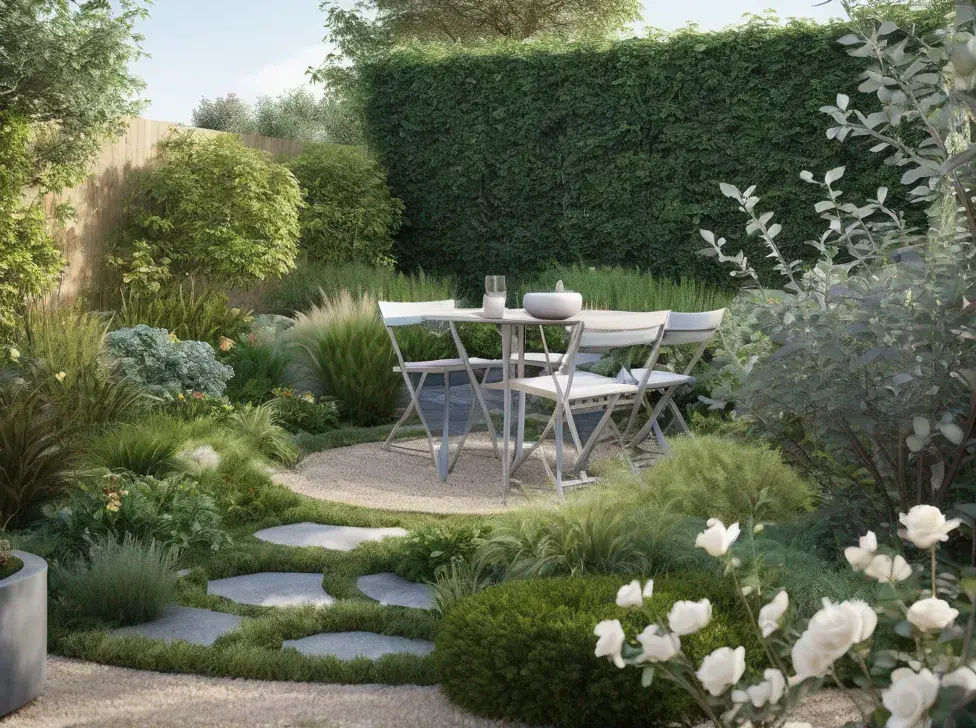
The apps worth using right now
The market is still a bit of a Wild West. Plenty of apps slap an 'AI' label on basic search filters, so you have to be careful. I've spent time with a few that actually handle perennials, which is harder than the usual vegetable patch planning because you're looking at years of growth, not just one season.
One prominent option is Bloomscape’s Plant Doctor (bloomscape.com), which uses image recognition to identify plants and provide care recommendations. While not a full garden planner, it’s a useful tool for diagnosing problems and understanding your existing perennials. PictureThis (picturethis.com) is another image-based identifier, and it now includes a “Garden Plan” feature that suggests layouts based on your space and preferences. However, the perennial options within the Garden Plan feel somewhat limited.
For a more comprehensive approach, SmartPlant (smartplant.com) offers a 3D garden planner with AI-powered recommendations. You can input your location and soil type, and the app will suggest plants that are likely to thrive. It also considers sunlight exposure and provides information on plant compatibility. A newer entrant, GardenAI (gardenai.co), focuses specifically on AI-driven design. They allow you to upload a photo of your garden space and generate several different designs based on your stated preferences.
Finally, iScape (iscapeapp.com) is a popular option for visualizing landscape changes, and they’ve begun integrating AI features to suggest plant combinations and estimate costs. It’s worth noting that many of these tools operate on a subscription basis, with pricing ranging from around $5 to $20 per month. Each has its strengths and weaknesses, and the best choice will depend on your individual needs and budget. Don't expect perfection from any of these; they are still evolving.
Plant Identification & Data Accuracy
The plant identification features within these apps are often the first thing users try, and their accuracy is crucial. While the technology has improved dramatically, it’s still far from foolproof. Variations in plant appearance due to age, growing conditions, or even the angle of the photo can sometimes lead to misidentification. I’ve found that apps often struggle with cultivars or less common varieties.
Most of these apps rely on large image databases, often trained using machine learning algorithms. PictureThis, for example, claims to have a database of over 30 million plant images. But the quality and comprehensiveness of these databases vary. It's important to remember that accurate plant identification is only the first step. The real value lies in the quality of the data associated with each plant – sunlight needs, water requirements, mature size, and so on.
I'm skeptical of relying solely on app identification. Always double-check the results, especially if you’re unfamiliar with the plant. Consult a local nursery or extension office for confirmation. And remember that even if the app correctly identifies the plant, it doesn’t guarantee it's the right choice for your garden. Consider your local climate, soil conditions, and personal preferences before making any decisions.
- Take your app results to a local nursery to see if the plant actually survives in your local humidity.
- Check your specific soil drainage before buying, as apps often miss micro-climates in your yard.
- Don't assume an identified plant is right for your garden.
The limits of digital soil tests
The ability to integrate sunlight and soil analysis is a key differentiator for AI garden planning tools. Many apps use your location to estimate sunlight exposure, which is a good starting point. However, these estimates can be inaccurate if your garden is shaded by trees or buildings. SmartPlant allows you to input soil test results, which is a significant advantage. This allows the AI to recommend plants that are specifically suited to your soil pH and nutrient levels.
However, relying solely on app-based analysis has limitations. A truly accurate assessment of your soil requires a professional soil test from a lab. These tests provide detailed information on nutrient levels, organic matter content, and soil texture. While the convenience of app-based analysis is appealing, it’s no substitute for the precision of a professional test. I suspect this is an area where most tools will still fall short in 2026.
Even with accurate data, AI can only do so much. Microclimates within your garden can create variations in sunlight and soil conditions that are difficult to predict. Careful observation and experimentation are still essential for successful gardening. Consider how water drains in different areas, and how the sun moves across your yard throughout the day. These observations will provide valuable insights that no AI can replicate.
Compatibility & Companion Planting
Plant compatibility is a crucial aspect of garden design. Some plants compete for resources, while others attract pests or diseases that can harm neighboring plants. AI can help you avoid these problems by suggesting compatible combinations. The underlying principle is that certain plants benefit each other – either by providing nutrients, repelling pests, or creating a favorable microclimate.
Companion planting is an age-old practice with roots in traditional agriculture. For example, planting basil near tomatoes is believed to repel tomato hornworms. Marigolds are often used to deter nematodes. AI tools are beginning to incorporate these principles into their recommendations. GardenAI specifically mentions its ability to suggest companion plants based on established horticultural knowledge.
The potential for AI to identify potential disease risks based on plant proximity is also promising. By analyzing data on common plant diseases and their transmission methods, AI could alert you to potential problems before they occur. However, this is a complex area, and the accuracy of these predictions will depend on the quality of the data and the sophistication of the algorithms. It’s a feature to watch for in future iterations of these tools.
Perennial Companion Planting Guide
| Plant A | Plant B | Compatibility | Reason |
|---|---|---|---|
| Lavender | Roses | Good | Lavender deters aphids and other pests that commonly affect roses, while also attracting beneficial pollinators. |
| Echinacea | Yarrow | Good | Both plants thrive in similar conditions (full sun, well-drained soil) and attract beneficial insects, creating a resilient ecosystem. |
| Hostas | Astilbe | Good | Hostas provide shade for Astilbe, which prefers partial shade, and their contrasting foliage textures create visual interest. |
| Peonies | Salvia | Neutral | Peonies and Salvia have different needs; Salvia can tolerate drier conditions than Peonies, but they don't actively harm each other. |
| Daylilies | Marigolds | Good | Marigolds are known to deter nematodes that can affect Daylily roots, improving overall plant health. |
| Bee Balm | Milkweed | Good | Both attract pollinators like bees and butterflies, supporting a healthy garden ecosystem. Milkweed also provides a host plant for Monarch butterflies. |
| Phlox | Zinnias | Neutral | While they enjoy similar sunny conditions, Zinnias are annuals and Phlox are perennials, so their life cycles differ. They don't significantly benefit or hinder each other. |
| Coneflower | Black-Eyed Susan | Good | Both are native wildflowers that attract pollinators and thrive in similar full-sun, well-drained conditions, creating a naturalistic look. |
Illustrative comparison based on the article research brief. Verify current pricing, limits, and product details in the official docs before relying on it.
DIY vs. Professional AI Planning
Using AI tools for DIY garden planning is a great option for those who enjoy hands-on projects and have a basic understanding of gardening principles. However, there are times when investing in professional help is worthwhile. A professional garden designer who utilizes AI can bring a level of expertise and creativity that’s difficult to replicate on your own.
The cost of professional garden design varies depending on the scope of the project and the designer’s experience. Expect to pay anywhere from a few hundred to several thousand dollars for a comprehensive design plan. A hybrid approach – using AI for initial layout and then consulting a professional for refinement – could be the ideal solution. This allows you to leverage the power of AI while still benefiting from the expertise of a human designer.
Ultimately, the decision depends on your budget, your skill level, and your desired outcome. If you’re a beginner gardener or you’re tackling a complex project, professional help is likely a good investment. If you’re comfortable with basic garden design and you’re simply looking for a tool to help you visualize your ideas, an AI-powered app may be all you need.
No comments yet. Be the first to share your thoughts!