

Vertical perennials for apartment living
Apartment living doesn't have to mean sacrificing a connection to nature. Increasingly, urban dwellers are turning to vertical perennial gardens to bring the beauty and benefits of plants into their homes, even without a yard. This isn’t a new trend, but it's accelerating. With more and more people concentrating in cities, and a growing recognition of the positive impact plants have on wellbeing, the demand for space-saving gardening solutions is booming.
The appeal is clear: limited space is maximized, walls are transformed into living artwork, and the air quality within the apartment can improve. While annuals offer instant color, perennials provide a more sustainable, long-term solution. They return year after year, reducing the need for constant replanting and offering a greater sense of investment in your little green space.
Looking ahead to 2026, this trend feels less like a fad and more like a fundamental shift in how we approach urban gardening. We're seeing a convergence of factors – increased urbanization, a desire for biophilic design, and a growing awareness of the mental and physical health benefits of being around plants – that make vertical perennial gardens an increasingly attractive option for apartment residents. It’s a way to cultivate a little piece of the outdoors, indoors.
Choosing vertical garden systems
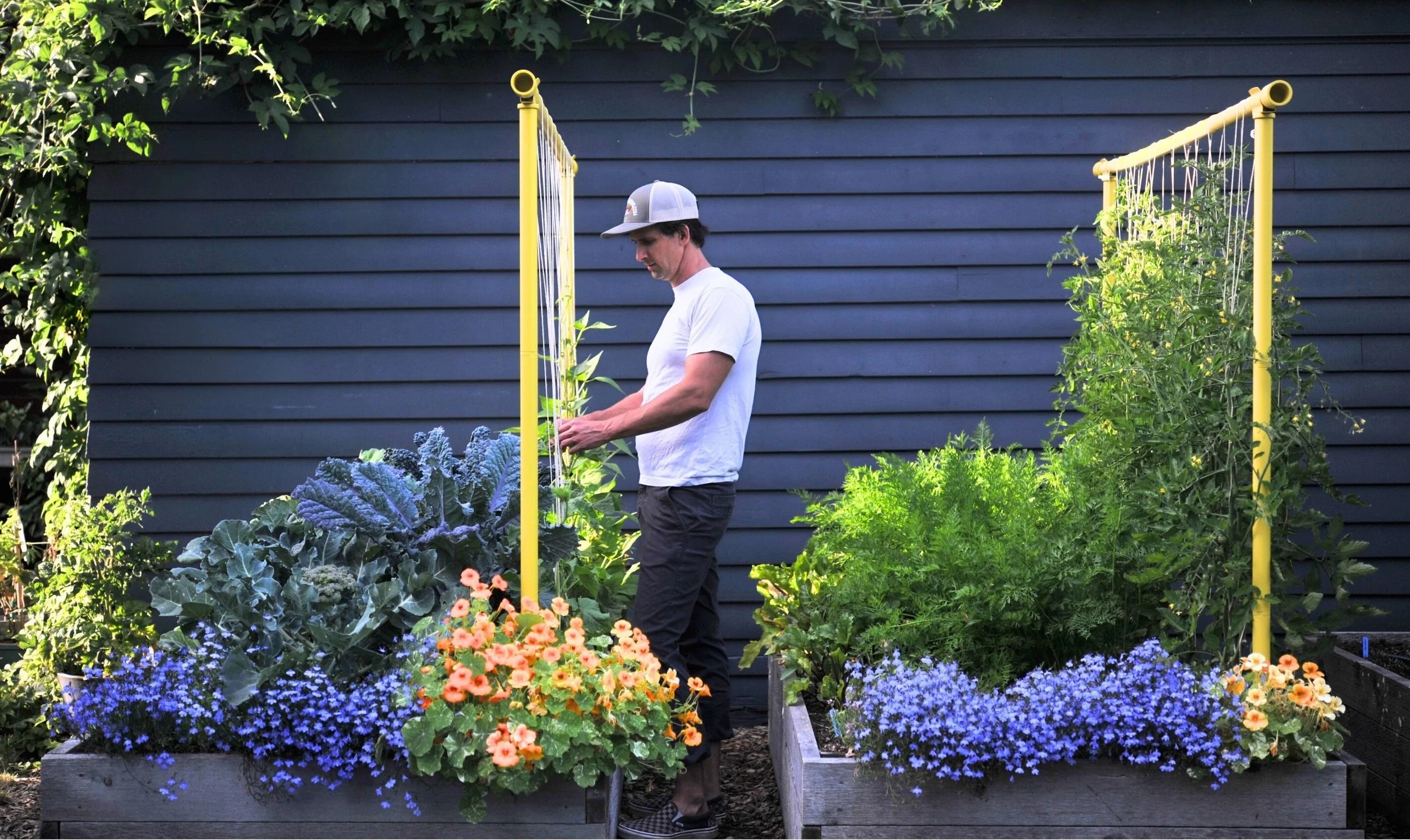
Selecting the right system is the first step in creating a successful vertical perennial garden. There's a surprising range of options available, each with its own set of advantages and disadvantages. Modular living walls, like those offered by LiveWall (livewall.com), are a popular choice. These systems are pre-fabricated panels with built-in pockets for plants, offering a relatively easy installation and a professional look.
Pocket planters, often made from felt or fabric, are a more affordable option. They're lightweight and flexible, but they require more frequent watering and may not be as structurally sound as a modular system. Stacked planters, essentially tiered pots, are another possibility, but they can be prone to toppling if not properly secured. Repurposed pallet gardens are a budget-friendly DIY solution, but they require significant preparation to ensure they're safe for plants and won't leach harmful chemicals.
DIY systems offer the most customization, but also demand the most effort. You’ll need to build the structure yourself, source materials, and ensure adequate drainage and support. Consider the weight of the saturated soil and mature plants when choosing a system. A heavy wall will require more robust anchoring and may not be suitable for all apartment walls. It’s also worth considering how easy it will be to water and maintain the system once it's installed. Pre-made systems often streamline these tasks.
Vertical Garden System Comparison for Apartment Dwellers
| System Type | Installation | Maintenance | Weight & Space | Suitable Plants |
|---|---|---|---|---|
| Modular Living Wall | Professional installation often recommended | Requires consistent monitoring; potential for complex irrigation | Can be heavy when fully planted; requires strong support | Wide range, including many perennials; consider shallow-rooted varieties |
| Pocket Planters | Easy; requires hanging or mounting | Moderate; individual pockets need attention | Lightweight when empty, but weight increases with soil and plants | Trailing perennials and smaller varieties work well |
| Stacked Planters | Easy; assembly required | Moderate; watering can be uneven | Medium; stability is a concern with taller stacks | Herbs, strawberries, and compact perennials are well-suited |
| Pallet Garden | Medium; requires preparation and lining | Moderate; wood requires treatment and monitoring | Heavy; pallets are substantial structures | Good for a variety of perennials, but consider root space |
| DIY Fabric Planter | Easy; sewing or purchasing required | Moderate; fabric can degrade over time; requires frequent watering | Lightweight; good for smaller spaces | Best for shallow-rooted perennials and annuals |
Qualitative comparison based on the article research brief. Confirm current product details in the official docs before making implementation choices.
Best perennials for vertical gardens
Not all perennials are well-suited to vertical gardening. The key is to choose plants that are relatively compact, have a trailing or cascading habit, and can tolerate the specific conditions of your wall. Creeping phlox (Phlox subulata) is a fantastic choice, offering a profusion of small, colorful flowers in the spring and a dense, mat-forming habit that looks great tumbling over the edge of a planter.
Several sedum varieties, such as Sedum spurium "Dragon’s Blood’ or Sedum album, are also excellent options. They"re drought-tolerant, low-maintenance, and provide year-round interest with their colorful foliage. For a touch of greenery, consider certain types of ferns, like the maidenhair fern (Adiantum pedatum) or the autumn fern (Dryopteris erythrosora), though these generally prefer shadier conditions.
Dwarf lavender (Lavandula angustifolia "Hidcote") adds a lovely fragrance and attracts pollinators, but it needs plenty of sunlight and well-drained soil. Small-flowered campanula, such as Campanula portenschlagiana, are charming additions, offering delicate bell-shaped flowers in shades of blue and purple. Aubrieta deltoidea is another low-growing, flowering perennial that does well in vertical arrangements. Don't overlook Thymus serpyllum (creeping thyme), which releases a delightful scent when brushed against.
Consider Veronica spicata for upright blooms and textural interest. For a bit of fall color, Aster alpinus can provide late-season blooms. Remember to research the mature size of each plant and choose varieties that won't quickly outgrow your vertical garden. A mix of foliage textures and bloom times will create a more dynamic and visually appealing display.
Soil, support, and feeding
The right soil is critical for success. Standard garden soil is too heavy and compacts easily in a vertical setting. Instead, opt for a lightweight, well-draining potting mix specifically formulated for container gardening or vertical gardens. These mixes typically contain ingredients like peat moss, perlite, and vermiculite to improve aeration and drainage.
Structural support is equally important. Ensure your wall or system is securely anchored to the wall and can handle the weight of the plants, soil, and water. Consider the material of your wall – drywall may require additional reinforcement. Regular pruning is essential to maintain the shape of your plants and encourage flowering. Remove spent blooms and trim leggy growth to keep your garden looking tidy.
Fertilization is also key. Slow-release fertilizers can provide a steady supply of nutrients over several months, but you may also need to supplement with liquid feeds during the growing season. I’m still researching the ideal NPK ratio for vertical perennial gardens, but a balanced fertilizer (10-10-10) is a good starting point. Monitor your plants closely for signs of nutrient deficiencies and adjust accordingly.
Watering vertical gardens
Vertical gardens dry out much faster than traditional gardens due to increased air exposure. Regular watering is crucial, but overwatering can lead to root rot. The frequency of watering will depend on the type of plants, the climate, and the type of system you’re using. Check the soil moisture levels regularly by sticking your finger into the soil – if it feels dry to the touch, it's time to water.
Drip irrigation systems are an excellent option for vertical gardens, as they deliver water directly to the roots, minimizing water waste and reducing the risk of fungal diseases. Self-watering systems, which use a reservoir to slowly release water into the soil, can also be effective. Manual watering is possible, but it can be time-consuming and requires careful attention to ensure even coverage.
Be mindful of water runoff, especially in an apartment setting. Use trays or saucers to collect excess water and prevent it from damaging floors or walls. Ensure your system has adequate drainage to prevent waterlogging. Consider the orientation of your wall – south-facing walls will dry out faster than north-facing walls.
Pest and disease
Vertical perennial gardens are susceptible to the same pests and diseases as traditional gardens, but they may be more vulnerable due to the confined space and increased humidity. Common pests include aphids, spider mites, and whiteflies. Regularly inspect your plants for signs of infestation, such as yellowing leaves, webbing, or sticky residue.
Organic pest control methods are the best option for indoor gardens. Insecticidal soap and neem oil are effective against many common pests. Good air circulation can help prevent fungal diseases like powdery mildew. Ensure your plants aren't overcrowded and that there's adequate airflow around them.
If you do encounter a disease, isolate the affected plant to prevent it from spreading to others. Remove any infected leaves or stems and dispose of them properly. Prevention is key – healthy plants are less susceptible to pests and diseases. A well-draining potting mix, proper watering, and regular fertilization will help keep your plants thriving.
Design Inspiration: Aesthetic Arrangements
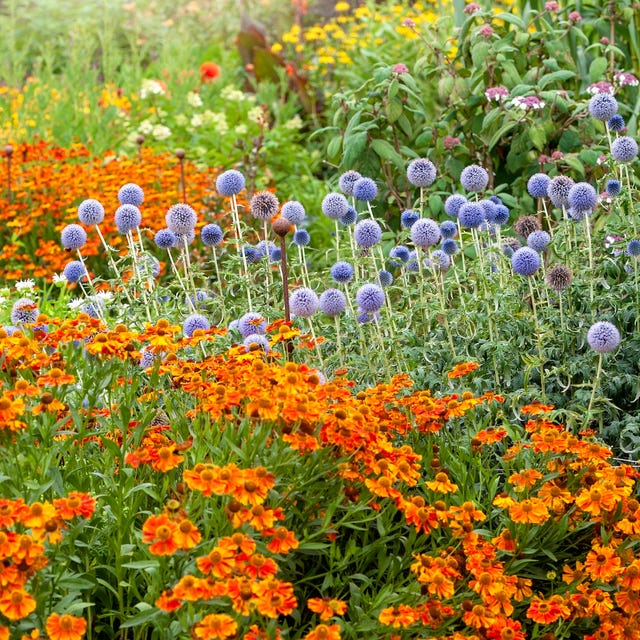
A vertical perennial garden isn't just about growing plants; it’s about creating a living work of art. HGTV.com (hgtv.com) offers a wealth of design ideas and inspiration. Consider the color palette – complementary colors (like blue and orange) can create a striking contrast, while analogous colors (like blue and purple) offer a more harmonious look.
Play with different textures and forms. Combine trailing plants with upright plants to create a sense of depth and movement. Incorporate plants with varying leaf shapes and sizes. Don't be afraid to experiment with different arrangements until you find one that you love. You could create a cascading waterfall of flowers, a lush green wall, or a colorful mosaic of blooms.
Think about the overall style of your apartment and choose plants and a system that complement your décor. A rustic pallet garden might suit a farmhouse-style apartment, while a sleek modular living wall might be more appropriate for a modern space. Consider the light conditions and choose plants that will thrive in the available light.
Looking Ahead: Trends in 2026
The future of vertical perennial gardens looks bright. We’re likely to see increased integration of smart technology, such as automatic watering systems and sensors that monitor soil moisture and nutrient levels. Edible perennials, like strawberries and herbs, are also gaining popularity, allowing urban dwellers to grow their own food in a small space.
Biophilic design, which aims to connect people with nature, is another growing trend. Vertical gardens are a key element of biophilic design, bringing the benefits of nature indoors and creating a more calming and restorative environment. While predicting the future is always uncertain, I anticipate these trends will continue to drive innovation and make vertical perennial gardens even more accessible and appealing to apartment dwellers.

No comments yet. Be the first to share your thoughts!