

Gardening for a hotter world
Gardening is changing. We’re seeing more frequent and intense droughts, prolonged heat waves, and unpredictable rainfall patterns. These shifts aren’t just inconveniences; they’re challenging the very foundations of traditional landscaping, which often relies on plants with consistent water needs.
Many conventional lawns and flowerbeds simply can’t withstand these conditions without constant intervention. The good news is that perennials offer a powerful solution. Their inherent ability to return year after year, coupled with a focus on drought tolerance, makes them ideal for building gardens that can thrive even as the climate changes.
Resilience is more than just surviving a dry spell. A plant that handles a drought but dies in a 100-degree heatwave isn't much help. We need species that manage heat spikes and the weird, late-season pests that come with shifting weather.
What resilience actually looks like
Drought tolerance is a great starting point, but a truly climate-resilient perennial does more than just survive with less water. It also needs to withstand prolonged periods of high heat, and ideally, recover quickly from occasional flooding. The increasing incidence of new pests and diseases, often linked to climate stress, is another critical factor.
Perennials are built for this. Because they stay in the ground, their roots go deep, opening up the soil and helping it hold onto every drop of rain. You aren't digging them up every May, which keeps the soil biology intact and helps the ground store more carbon naturally.
Research from the University of Minnesota highlights the importance of adapting perennial crops for climate resiliency (Jungers et al., 2023). Their work focuses on perennial grain and oilseed crops, but the principles apply to ornamental perennials as well: selecting for traits like deep rooting, efficient water use, and resistance to abiotic stress.
Consider, too, that a resilient garden isn’t a monoculture. Diversity is key. A mix of species, each with slightly different tolerances and blooming times, creates a more stable ecosystem that is better equipped to handle unpredictable conditions.
- Drought tolerance: The plant stays alive when the rain stops for weeks.
- Heat Tolerance: Ability to withstand high temperatures.
- Flood Tolerance: Ability to recover from periods of excessive moisture.
- Pest & Disease Resistance: Ability to resist common garden problems.
Climate Resilience Comparison: Perennial Plant Types
| Plant Type | Drought Tolerance | Heat Tolerance | Pest Resistance | Soil Health Contribution |
|---|---|---|---|---|
| Ornamental Grasses | High | High | Medium | Medium |
| Native Forbs (e.g., Coneflowers, Black-Eyed Susans) | Medium | Medium | Medium | High |
| Shrubs (e.g., Butterfly Bush, Potentilla) | Medium | High | Low | Medium |
| Groundcovers (e.g., Creeping Thyme, Sedum) | High | Medium | Medium | Low |
| Perennial Wildflowers (e.g., Yarrow, Blanket Flower) | High | High | High | Medium |
| Leguminous Perennials (e.g., Lupine, Clover) | Medium | Medium | Low | High |
| Fruit-Bearing Shrubs (e.g., Elderberry, Serviceberry) | Medium | Medium | Medium | Medium |
Illustrative comparison based on the article research brief. Verify current pricing, limits, and product details in the official docs before relying on it.
Top 12 Drought-Tolerant Perennials for 2026
Choosing the right perennials is the first step towards a climate-resilient garden. Here are 12 excellent options for 2026, considering their drought tolerance, aesthetic appeal, and adaptability. I’ve tried to include a range of colors, textures, and bloom times to suit different preferences.
Lavender (Lavandula angustifolia): This fragrant herb is a classic for a reason. It thrives in well-drained soil and full sun, tolerating drought with ease. Mature size is typically 2-3 feet tall and wide. Its silvery foliage and purple blooms add a touch of Mediterranean charm. Lavender’s deep roots help it access water deep in the soil.
Echinacea (Echinacea purpurea): Also known as purple coneflower, Echinacea is a pollinator magnet. It prefers full sun and well-drained soil, and is remarkably drought-tolerant once established. It grows 2-5 feet tall and blooms from mid-summer to fall. Echinacea’s sturdy stems and long-lasting flowers make it a reliable garden performer.
Yarrow (Achillea millefolium): Yarrow is a tough and versatile perennial that tolerates a wide range of conditions, including drought and poor soil. It’s available in a variety of colors, from white and yellow to pink and red. Mature size is 1-3 feet tall and wide. It attracts beneficial insects and adds a textural element to the garden.
Sedum (Sedum spp.): Often called stonecrop, Sedum is a succulent perennial that stores water in its leaves, making it exceptionally drought-tolerant. "Autumn Joy" is a popular variety with pink flowers that turn bronze in the fall. Sedum prefers full sun and well-drained soil and grows to 1-2 feet tall.
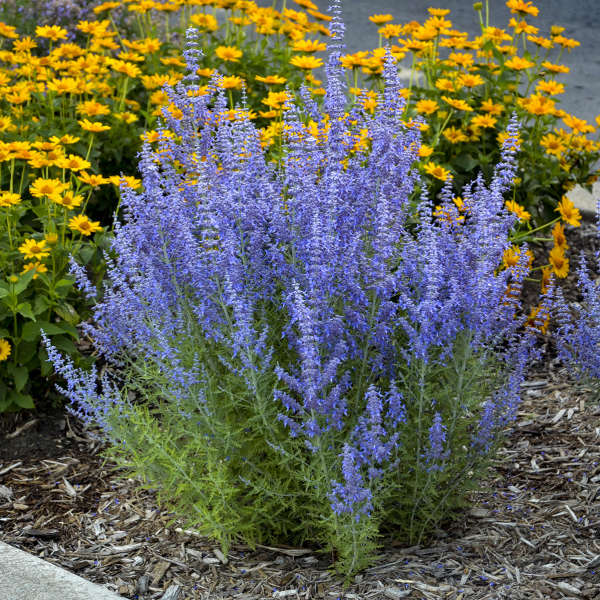
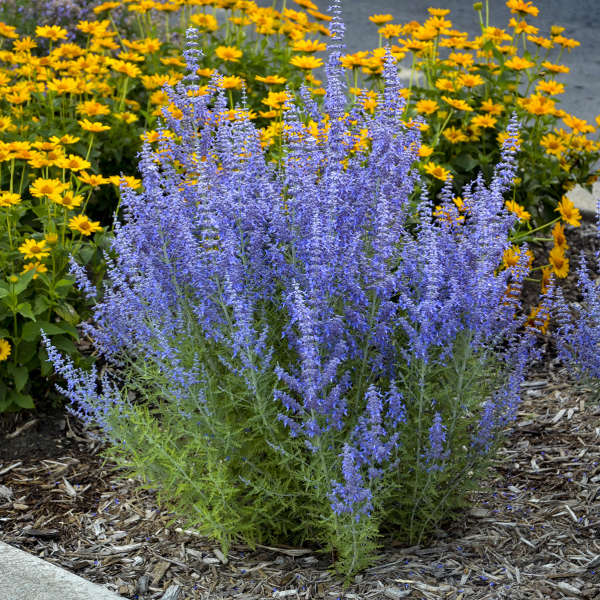
Russian Sage (Perovskia atriplicifolia): This shrub-like perennial boasts silvery foliage and lavender-blue flowers. It thrives in full sun and well-drained soil and is extremely drought-tolerant. Russian Sage grows 3-5 feet tall and wide and adds a vertical accent to the garden.
Coreopsis (Coreopsis spp.): Coreopsis is a cheerful perennial with daisy-like flowers that bloom for a long period. It prefers full sun and well-drained soil and is relatively drought-tolerant. Coreopsis comes in a variety of colors, including yellow, orange, and red, and grows 1-2 feet tall.
Gaillardia (Gaillardia x grandiflora): Also known as blanket flower, Gaillardia is a vibrant perennial with daisy-like flowers in shades of red, orange, and yellow. It thrives in full sun and well-drained soil and is quite drought-tolerant. Gaillardia grows 1-2 feet tall and attracts butterflies.
Salvia (Salvia spp.): Salvia is a diverse genus with many drought-tolerant species. "May Night" Salvia is a popular choice with deep purple flowers. Salvia prefers full sun and well-drained soil and grows 1-3 feet tall. It attracts hummingbirds and bees.
Agastache (Agastache spp.): Agastache, also known as hyssop, is a fragrant perennial with spiky flowers that attract pollinators. It thrives in full sun and well-drained soil and is very drought-tolerant. Agastache comes in a variety of colors and grows 2-4 feet tall.
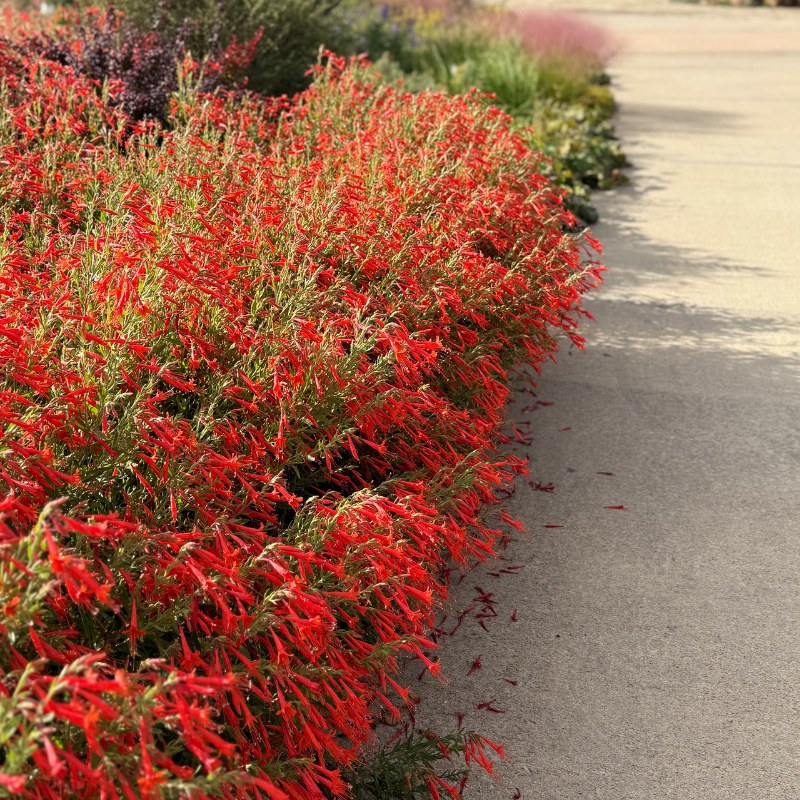
Penstemon (Penstemon spp.): Penstemon is a native perennial with tubular flowers that attract hummingbirds. It prefers full sun and well-drained soil and is drought-tolerant once established. Penstemon comes in a variety of colors and grows 1-3 feet tall.
Veronica (Veronica spp.): Veronica, also known as speedwell, is a charming perennial with spiky flowers that bloom in summer. It prefers full sun and well-drained soil and is relatively drought-tolerant. Veronica grows 1-2 feet tall and attracts butterflies.
Essential Gear for Establishing Drought-Tolerant Perennial Gardens

Includes 72 peat pellets per tray (144 total) · Features a clear dome for optimal humidity and temperature control · Comes with bonus SUPERthrive sample and plant markers
This kit provides an ideal environment for starting seeds, ensuring healthy germination for your drought-tolerant perennials.

Rich in natural nutrients and beneficial microbes · Improves soil structure and water retention · Suitable for both indoor and outdoor plants
Worm castings enhance soil health, promoting better water absorption and nutrient availability crucial for plants in dry conditions.
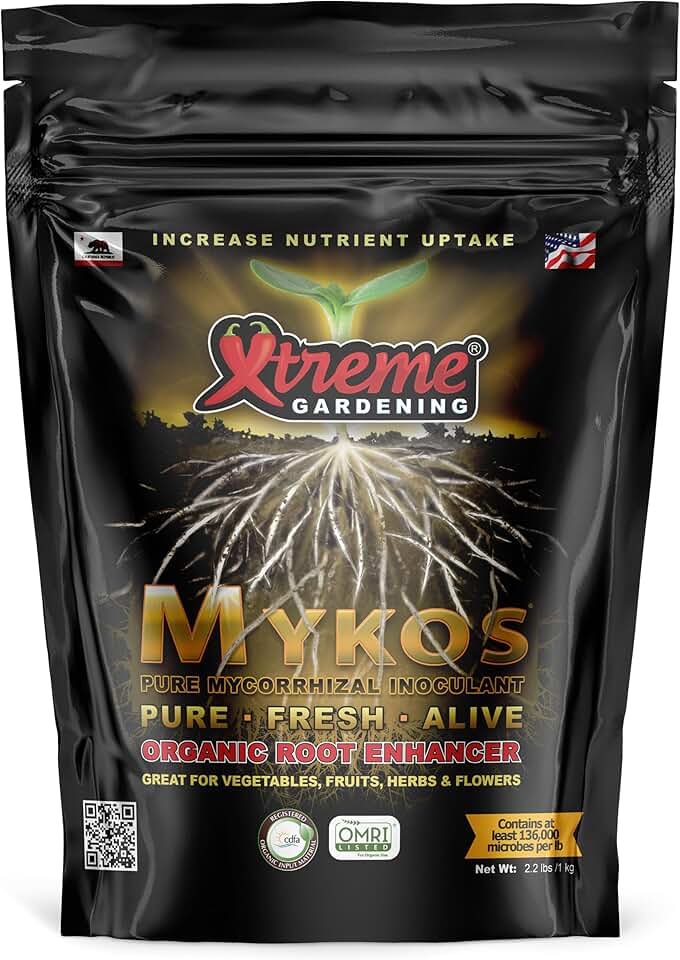
Contains granular mycorrhizal fungi to colonize plant roots · Enhances nutrient and water uptake · OMRI Listed organic biofertilizer
Mycorrhizae significantly boost root system development and efficiency, enabling plants to access more water and nutrients from the soil.
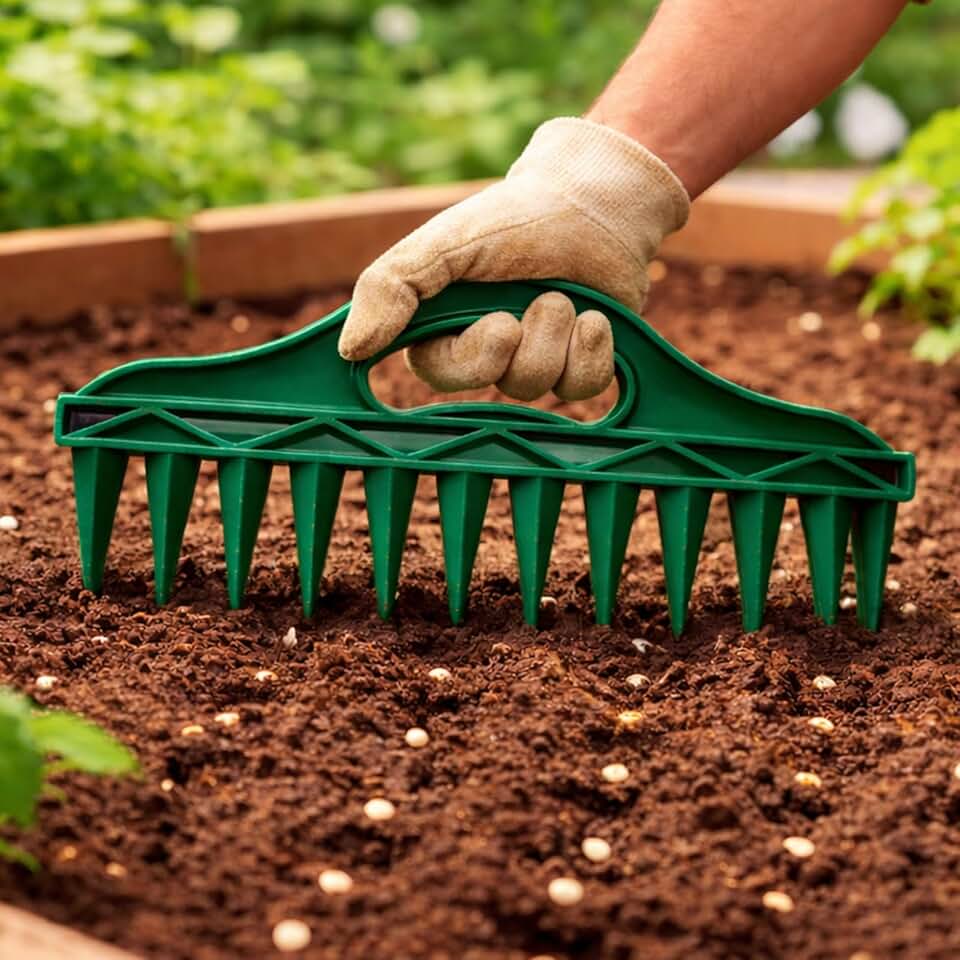
Creates uniform seed holes at the correct depth · Acts as a soil digger and spacer · Durable green plastic construction
This tool ensures precise seed placement, promoting even germination and optimal spacing for healthy plant growth.

Made from recycled water bottles · Features sturdy handles for easy transport · 10-gallon capacity per bag
These fabric grow bags promote excellent aeration and drainage, preventing waterlogging while supporting healthy root systems for your plants.
As an Amazon Associate I earn from qualifying purchases. Prices may vary.
Plants for your specific region
While the 12 perennials listed above are generally drought-tolerant, their performance will vary depending on your specific climate and hardiness zone. The USDA Plant Hardiness Zone Map is a useful tool for determining which plants are most likely to thrive in your area.
For the Southwest (Zones 7-10), consider adding Desert Marigold (Baileya multiradiata) to the list. It’s exceptionally well-adapted to arid conditions and provides bright yellow blooms. In the Midwest (Zones 4-6), Butterfly Milkweed (Asclepias tuberosa) is a great choice, offering vibrant color and supporting monarch butterflies.
If you’re in the Southeast (Zones 8-9), Stokes’ Aster (Stokesia laevis) is a good addition. It tolerates humidity and provides late-season blooms. Remember to check the specific hardiness zone for your location and choose plants accordingly. Proven Winners (provenwinners.com) offers zone-specific plant recommendations.
Don’t be afraid to experiment! Garden centers in your area are excellent resources for finding plants that are well-suited to your local conditions. Local gardening groups and extension offices can also provide valuable advice.
Keeping water in the ground
Selecting drought-tolerant plants is only half the battle. Implementing water-wise gardening practices is essential for maximizing their resilience and minimizing water usage. Mulching is a simple but effective technique. A layer of organic mulch (wood chips, straw, shredded leaves) helps retain moisture in the soil, suppresses weeds, and moderates soil temperature.
Proper soil preparation is also crucial. Amend heavy clay soils with compost to improve drainage and water retention. In sandy soils, compost helps bind the particles together and increase water-holding capacity. Grouping plants with similar water needs – a practice known as hydrozoning – ensures that each plant receives the appropriate amount of moisture.
Efficient irrigation methods are key. Drip irrigation and soaker hoses deliver water directly to the roots, minimizing water loss through evaporation. Avoid overhead watering, which can lead to fungal diseases. Xeriscaping, a landscaping approach that emphasizes drought-tolerant plants and water conservation, is another valuable strategy.
Consider rainwater harvesting. Collecting rainwater in barrels or cisterns provides a free and sustainable source of water for your garden. Even a small rainwater harvesting system can make a significant difference in reducing your water bill and conserving resources.
Pest & Disease Considerations in a Changing Climate
Climate change is disrupting established pest and disease patterns. Warmer temperatures and altered rainfall patterns are allowing some pests and diseases to expand their ranges, while stressing plants and making them more vulnerable to attack. It’s becoming increasingly important to proactively address these challenges.
Choosing disease-resistant varieties is a good first step. Look for plants that have been bred for resistance to common garden diseases. Promoting good air circulation by providing adequate spacing between plants can help prevent fungal diseases. Maintaining healthy soil is also essential, as healthy plants are better able to resist pests and diseases.
Common pests that target drought-tolerant perennials include aphids, spider mites, and Japanese beetles. Common diseases include powdery mildew and root rot. Organic control methods, such as insecticidal soap, neem oil, and beneficial nematodes, can be effective in managing these problems. Regular monitoring is key to detecting and addressing issues before they become severe.
Remember that stressed plants are more susceptible to pests and diseases. Ensuring that your plants have adequate sunlight, proper drainage, and appropriate fertilization will help them stay healthy and resilient.

Drought-Tolerant Plants: Waterwise Gardening for Every Climate
- Comprehensive guide to waterwise gardening techniques
- Covers a wide range of drought-tolerant plant varieties
- Provides practical advice for various climate conditions
For gardeners preparing for the challenges of extreme weather and drought, this handbook is an essential resource. It offers practical strategies and plant recommendations specifically tailored for creating resilient, water-wise gardens that can thrive even in arid conditions.
View on Amazon →As an Amazon Associate I earn from qualifying purchases.
No comments yet. Be the first to share your thoughts!