

Data-driven perennial design
For generations, perennial garden design has relied heavily on experience – a bit of trial and error, a gardener’s intuition, and what "looks right’. While there"s always value in that personal touch, it can be a slow process, and not always successful. These traditional methods often lack a scientific basis for plant selection and placement, leading to gardens that underperform or require constant adjustment.
We are moving toward data-driven design because the technology is finally accessible. I don't think these tools replace a gardener's eye, but they do provide a better look at plant traits and specific garden conditions. Detailed databases and microclimate sensors are changing my planning process from guesswork to something more reliable.
The core idea is simple: better information leads to better decisions. Instead of guessing which plants will thrive, we can use data to predict their performance. This means less wasted time, money, and effort, and more beautiful, sustainable gardens. It's a move towards a more proactive, less reactive approach to perennial gardening, and the tools are becoming available to gardeners of all levels.
Mapping microclimates
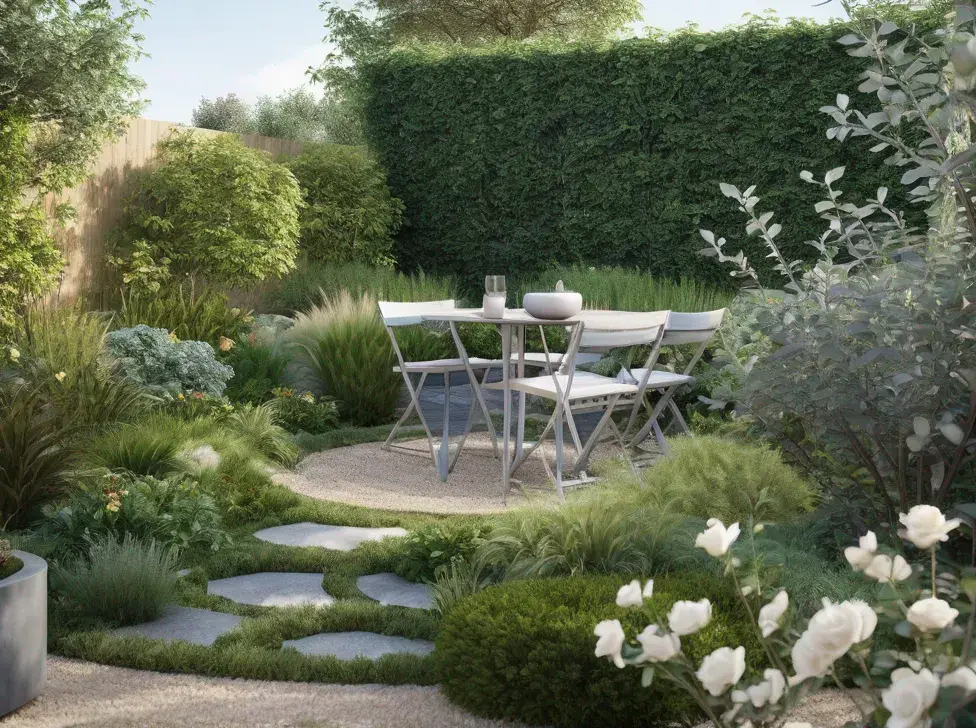
Before you even think about plant selection, it’s essential to understand your garden’s microclimates. These are the localized conditions – sun exposure, soil type, drainage, wind patterns – that can vary significantly even within a small space. A south-facing slope will be warmer and drier than a north-facing one, for example, and a low-lying area might collect more moisture.
Fortunately, you don’t need to rely solely on observation anymore. A range of tools can help you map these conditions. Soil sensors can provide detailed information about pH levels, nutrient content, and moisture levels. Weather stations, even basic ones, track temperature, rainfall, and sunlight hours. Smartphone apps, utilizing your phone’s sensors, can offer estimates of sun exposure and even soil moisture, though these are generally less precise.
The Penn State Extension (extension.psu.edu) provides guides on site assessment that I find more useful than generic plant tags. Microclimates dictate survival. A sun-loving species is going to die in a north-facing shadow, and drainage issues will rot roots regardless of how much fertilizer you use.
AI plant selection tools
The real excitement is building around AI-powered plant selection tools. These tools are designed to take the guesswork out of choosing the right plants for your garden. You input criteria like your location, soil type, desired aesthetic (color, height, bloom time), and maintenance level, and the AI algorithms suggest plants that are likely to thrive.
The Penn State Extension is actively researching AI Garden Design, exploring how artificial intelligence can optimize plant choices (extension.psu.edu). These tools typically draw from extensive plant databases, factoring in not just basic growing requirements but also potential pest and disease susceptibility, compatibility with other plants, and even predicted growth rates.
It’s important to be realistic about what these tools can do right now. Many are still in early stages of development and shouldn’t be seen as a replacement for your own judgment. They’re best used as a starting point, providing suggestions that you can then refine based on your own knowledge and preferences. The quality of the recommendations depends heavily on the data the AI is trained on, and the accuracy of the information you provide. The input is key – be as specific as possible about your garden's conditions.
Currently, these tools generally operate by matching your criteria to plant profiles and scoring potential candidates. Some more advanced systems are beginning to incorporate machine learning, allowing them to improve their recommendations over time based on user feedback and real-world performance data. White Flower Farm offers preplanned perennial gardens that are designed to be successful for gardeners of all levels (whiteflowerfarm.com).
- Your specific USDA Plant Hardiness Zone
- Soil Type: Sandy, loamy, clay, etc.
- Sun Exposure: Full sun, partial shade, full shade.
- Desired Aesthetic: Color preferences, flower shapes, plant heights.
- Maintenance Level: Low, medium, high.
Visualizing Your Design: 3D Modeling and AR
Once you have a list of potential plants, the next step is to visualize how they will look in your garden. This is where 3D modeling software and augmented reality (AR) apps come in handy. These tools allow you to create a virtual representation of your garden, experiment with different plant arrangements, and see how the design will evolve over time.
With 3D modeling, you can precisely plan plant spacing, color combinations, and overall garden layout. AR apps take this a step further, allowing you to "walk through" your virtual garden using your smartphone or tablet. This provides a realistic sense of scale and perspective, helping you assess the aesthetic appeal of the design before you even break ground.
The benefits are clear: you can avoid costly mistakes, such as planting something in the wrong location or realizing that your color scheme doesn’t look as good as you thought it would. These tools can also help you experiment with different design styles and create a garden that truly reflects your personal taste.
Smart irrigation and soil monitoring
A well-designed perennial garden isn't just about initial plant placement; it’s about ongoing care. Integrating your design with smart irrigation systems and soil moisture sensors can dramatically improve plant health and reduce water waste. These systems use data to deliver water only when and where it’s needed, optimizing growing conditions.
Data from soil moisture sensors can be used to adjust watering schedules in real-time, ensuring that plants receive the right amount of moisture without being over- or under-watered. More advanced systems can even analyze weather forecasts and adjust watering accordingly, anticipating rainfall and reducing the need for manual intervention.
The potential for automated watering systems is particularly appealing. Imagine a garden that automatically adjusts its watering schedule based on plant needs, soil conditions, and weather patterns. This not only saves you time and effort but also promotes sustainable gardening practices. Costa Farms provides perennial garden design tips emphasizing the importance of proper watering (costafarms.com).
Thinking about irrigation early in the design process is important. Consider grouping plants with similar water needs together to simplify irrigation planning. This also allows for more efficient water use and reduces the risk of overwatering or underwatering specific plants.
- Soil moisture sensors to track water content
- Smart Irrigation Controllers: Adjust watering schedules based on data.
- Weather Stations: Provide real-time weather data for informed decisions.
Soil Moisture Sensor Comparison for Perennial Garden Automation
| Sensor Type | Cost | Accuracy | Maintenance | Soil Type Compatibility |
|---|---|---|---|---|
| Capacitive | Lower | Good for general trends | Low | Wide range, performs well in most soils |
| Resistive | Lowest | Sensitive to salinity, less reliable long-term | Medium | Best in mineral soils, affected by salt build-up |
| Tensiometers | Higher | Measures plant-available water directly | High | Clay and loam soils, requires regular maintenance |
| Frequency Domain Reflectometry (FDR) | Medium-High | High accuracy across soil types | Medium | Good for sandy, silty, and clay soils |
| Time Domain Reflectometry (TDR) | Highest | Very high accuracy, considered a standard | Medium-High | Versatile, works well in various soil types but can be sensitive to air gaps |
Qualitative comparison based on the article research brief. Confirm current product details in the official docs before making implementation choices.
Plant Databases and Community Knowledge
Beyond specialized AI tools, a wealth of information is available in online plant databases and gardening communities. These resources provide detailed information about plant characteristics, growing conditions, potential pest and disease problems, and even user reviews.
Databases like the Missouri Botanical Garden’s PlantFinder and the Lady Bird Johnson Wildflower Center’s Native Plant Database offer comprehensive information on a vast range of plants. Gardening communities, such as online forums and social media groups, allow gardeners to share their experiences, ask questions, and learn from others.
Crowdsourced data and user reviews are particularly valuable. They provide real-world insights into how plants perform in different conditions and can help you avoid common mistakes. The collective wisdom of experienced gardeners can be an invaluable resource when planning and maintaining your perennial garden. Don’t underestimate the power of learning from those who have already "been there, done that".
Predictive analytics and robots
Looking ahead, the future of smart perennial garden design is likely to be shaped by predictive analytics and robotic gardening tools. Predictive analytics could use historical data and real-time sensor readings to forecast plant growth, identify potential problems (like pest infestations or nutrient deficiencies) before they occur, and optimize watering and fertilization schedules.
The idea is to move from reactive gardening – addressing problems as they arise – to proactive gardening – preventing problems before they start. This would require sophisticated algorithms and a large amount of data, but the potential benefits are significant.
Robotic gardening tools, while still in their early stages of development, could automate tasks like planting, weeding, and pruning. Imagine a robot that can autonomously maintain your garden, freeing you up to enjoy the beauty of your creation. While fully automated gardens are still some way off, the technology is rapidly advancing, and we can expect to see more robotic solutions in the years to come. However, it’s important to remain grounded. The focus should be on tools that genuinely enhance the gardening experience, not just add complexity.
No comments yet. Be the first to share your thoughts!