

Perennials for a hotter 2026
Hotter summers and erratic rain are killing off garden staples. If you want a yard that survives August without a massive water bill, you have to swap thirsty traditional perennials for species that actually like the heat.
The good news is that a wealth of beautiful and resilient perennials can not only survive but flourish in challenging climates. These aren’t just tough plants; many offer stunning blooms, attract pollinators, and add vibrant texture to the garden. Focusing on drought-tolerant options is an investment in a more sustainable and less stressful gardening experience.
This article will explore some of the best climate-resilient perennials for 2026, focusing on plants proven to withstand prolonged dry periods. We’ll look beyond the usual suspects and provide you with the information you need to build a garden that’s both beautiful and prepared for whatever the future holds. It’s about working with nature, not against it.
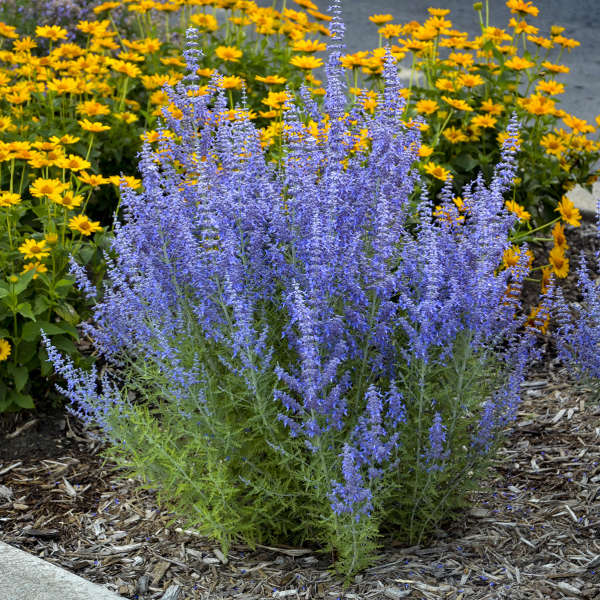
Top 10 Drought-Tolerant Perennials
Choosing the right perennials is the first step towards a climate-resilient garden. Here are ten plants that consistently demonstrate exceptional drought tolerance, along with details to help you determine if they’re a good fit for your space. This list considers factors like hardiness, sun exposure, and overall ease of care.
New plants need regular water for the first season to set their roots. After that, these species can usually handle a dry spell on their own. I've narrowed this list down based on what survived the record heat in my own zone 6 garden last year.
Rankings are always subjective, but this list prioritizes plants that offer both resilience and aesthetic appeal. I've also considered versatility – how easily a plant can be integrated into different garden styles.
- Yarrow (Achillea millefolium): These are indestructible. They handle poor soil and full sun while bringing in hoverflies and parasitic wasps that eat garden pests.
- Lavender (Lavandula): Zones 5-9, Full Sun, 1-3 ft tall, Summer. Beloved for its fragrant foliage and beautiful purple flowers. Prefers well-drained soil and moderate pruning.
- Sedum (Stonecrop): Zones 3-9, Full Sun, 6-24 inches tall, Late Summer/Fall. Succulent foliage and star-shaped flowers. Excellent for attracting bees and butterflies.
- Coneflower (Echinacea purpurea): Zones 3-9, Full Sun, 2-5 ft tall, Summer. Daisy-like flowers that come in a variety of colors. A favorite among pollinators and seed-eating birds.
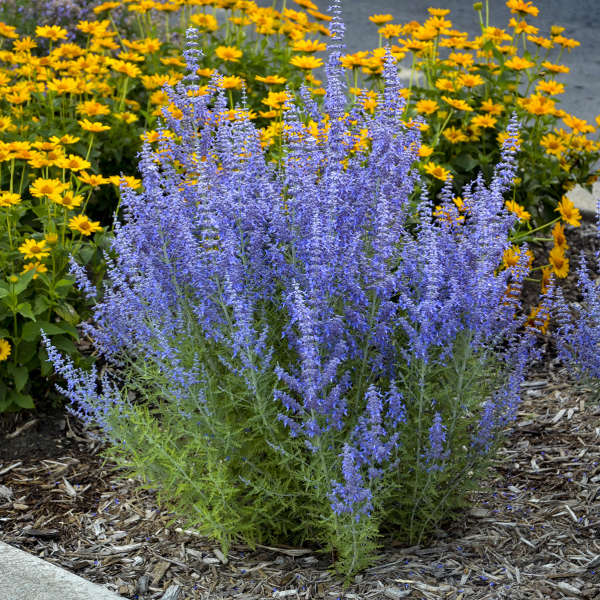
- Russian Sage (Perovskia atriplicifolia): Zones 4-8, Full Sun, 3-5 ft tall, Summer. Silvery foliage and lavender-blue flower spikes. Extremely drought-tolerant and deer-resistant.
- Blanket Flower (Gaillardia): Zones 3-8, Full Sun, 1-2 ft tall, Summer. Brightly colored daisy-like flowers in shades of red, orange, and yellow. Long-blooming and attracts butterflies.
- Catmint (Nepeta): Zones 3-8, Full Sun, 1-3 ft tall, Spring/Summer. Gray-green foliage and spikes of lavender-blue flowers. Attracts bees and is deer-resistant.
- Sea Holly (Eryngium): Zones 4-9, Full Sun, 1-4 ft tall, Summer. Unique thistle-like flowers in shades of blue, purple, and silver. Adds architectural interest to the garden.
- Daylily (Hemerocallis): Zones 3-9, Full Sun to Partial Shade, 1-4 ft tall, Summer. Wide range of colors and bloom times. Surprisingly drought-tolerant once established.
- Beardtongue (Penstemon): Zones 3-8, Full Sun, 2-5 ft tall, Spring/Summer. Tubular flowers that attract hummingbirds. Prefers well-drained soil and full sun.
Essential Gear for Your Drought-Tolerant Perennial Garden

Drought-tolerant succulent · Blooms late summer to fall · Attracts pollinators
Sedum 'Autumn Joy' is a hardy perennial that thrives in dry conditions and provides late-season color, making it ideal for water-wise gardens.

Drought-tolerant flowering perennial · Attracts bees and butterflies · Blooms summer to fall
Purple Coneflower is a resilient native plant known for its drought tolerance and ability to attract beneficial pollinators, supporting a healthy garden ecosystem.

Formulated for container plants · Feeds plants for up to 6 months · Contains wetting agents for consistent moisture
This potting mix provides essential nutrients and moisture retention for container-grown perennials, ensuring they establish well and stay hydrated.

Water-saving drip irrigation · Deep root watering with weeping technology · Adjustable flow rate
This drip irrigation system efficiently delivers water directly to plant roots, minimizing evaporation and conserving water, crucial for drought-tolerant gardening.
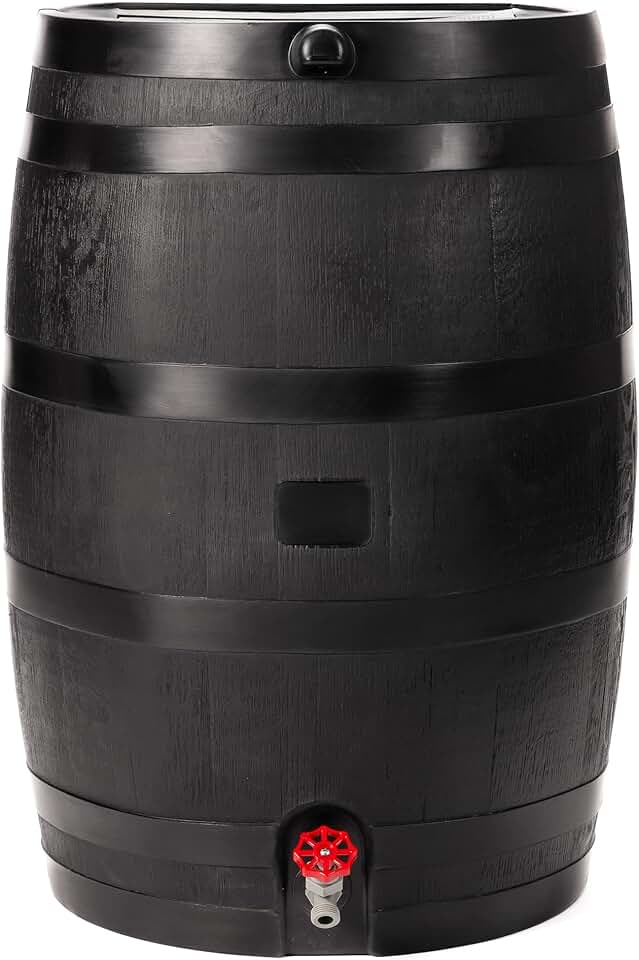
Collects rainwater · Made from 100% recycled plastic · Flat back design for stability
A rain barrel allows gardeners to capture and store free water, reducing reliance on municipal sources and providing a sustainable water supply for plants.
As an Amazon Associate I earn from qualifying purchases. Prices may vary.
Yarrow: the indestructible garden backbone
Yarrow consistently tops lists of drought-tolerant perennials, and for good reason. It’s incredibly adaptable, thriving in a wide range of soil types and conditions. Beyond its resilience, Yarrow offers a beautiful aesthetic, with feathery foliage and flat-topped flower clusters that come in shades of white, yellow, pink, red, and orange.
This plant isn’t just about looks, though. Yarrow is a magnet for pollinators, attracting bees, butterflies, and beneficial insects. It also has a long history of medicinal use, with its leaves and flowers traditionally used to treat wounds and stop bleeding. Modern herbalists still value its anti-inflammatory properties.
There are many Yarrow cultivars to choose from. "Moonshine’ offers classic white flowers, while ‘Paprika’ boasts vibrant red blooms. ‘Coronation Gold’ is known for its bright yellow color. Consider your garden’s color scheme when selecting a variety. It"s a plant that really earns its place in a garden.
Lavender needs drainage, not pampering
The soothing fragrance of lavender is instantly recognizable, but this plant offers much more than just a pleasant scent. Lavender is remarkably drought-tolerant once established, preferring well-drained soil and plenty of sunshine. It’s a staple in Mediterranean gardens for a reason.
There are three main types of lavender: English (Lavandula angustifolia), French (Lavandula dentata), and Spanish (Lavandula stoechas). English lavender is the most cold-hardy and is often used in culinary applications. French and Spanish lavender are less cold-hardy but offer unique floral structures and fragrances.
Root rot is the biggest threat to lavender, so ensuring excellent drainage is essential. Avoid overwatering, especially during the winter months. Pruning after flowering helps to maintain a compact shape and encourages bushier growth. Lavender’s versatility extends beyond the garden, as its flowers can be dried and used in sachets, potpourris, and aromatherapy.
Sedum: Succulent Power for Dry Gardens
Sedum, also known as stonecrop, is a succulent perennial that embodies drought tolerance. Its fleshy leaves and stems store water, allowing it to thrive in arid conditions. Sedums come in a wide variety of forms, from low-growing groundcovers to upright varieties that reach several feet in height.
The reason succulents excel in dry climates is simple: they’ve evolved to conserve water. Their thick, waxy leaves reduce transpiration, and their roots are efficient at absorbing moisture from the soil. Sedums also prefer well-drained soil, which prevents root rot – a common problem for plants in heavy clay soils.
"Autumn Joy" is a particularly popular Sedum cultivar, known for its late-summer blooms that start pink and gradually turn to a rich bronze color. Sedums are also excellent for attracting bees and butterflies, adding another layer of ecological benefit to your garden. They really are a low-maintenance powerhouse.
Watering Strategies for Climate Resilience
Even drought-tolerant perennials benefit from strategic watering, especially during their first year of establishment. The key is to water deeply and infrequently, encouraging roots to grow deeper into the soil. This makes plants more resilient to dry spells.
Soaker hoses and drip irrigation are excellent choices for delivering water directly to the root zone, minimizing water waste through evaporation. Mulching around plants with organic matter like wood chips or straw helps to retain moisture in the soil and suppress weeds. Aim for a 2-3 inch layer of mulch.
Assessing soil moisture levels is crucial. Stick your finger a few inches into the soil – if it feels dry, it’s time to water. Rainwater harvesting is another sustainable option, providing a free and readily available source of water for your garden. A simple rain barrel can collect a significant amount of water over time.
Soil Preparation & Long-Term Health
Well-draining soil is paramount for drought-tolerant perennials. Heavy clay soils can retain too much water, leading to root rot. Amending clay soils with compost and other organic matter improves drainage and aeration.
A soil test can reveal nutrient deficiencies and help you determine the appropriate amendments. Most drought-tolerant plants prefer slightly acidic to neutral soil pH. Incorporating compost not only improves soil structure but also provides essential nutrients.
Healthy soil is the foundation of a resilient garden. By focusing on soil health, you’re creating an environment where plants can thrive, even in challenging conditions. It’s an investment that will pay dividends for years to come.
No comments yet. Be the first to share your thoughts!