


Why low maintenance perennials win
Choosing low maintenance perennials shifts the focus from constant upkeep to reliable performance. These plants are selected for traits that reduce your workload, such as drought tolerance, natural disease resistance, and self-cleaning habits that eliminate the need for deadheading. When you plant these varieties, you are investing in garden stability rather than just seasonal color.
Drought tolerance is the first major factor. Plants like Nepeta (catmint) thrive with minimal watering once established, making them ideal for hot, sunny spots where other flowers might wilt. Their soft gray-green foliage and long-lasting blue or lavender blooms provide structure without demanding constant attention. This resilience allows you to enjoy a vibrant garden even during dry spells when watering schedules are restricted.
Disease resistance and self-cleaning are equally important for a hands-off approach. Perennials that resist common fungal issues or pests require less spraying and pruning. Self-cleaning varieties, such as certain phlox or sedum types, drop their spent blooms naturally, keeping the plant looking tidy until the first frost. This natural cleanup process saves you hours of labor each season, ensuring your garden looks polished with minimal effort.
For shaded areas, hostas remain a top choice for low maintenance perennials. They emerge quickly in spring, fill in large spaces with elegant foliage, and go dormant after the first frosts, requiring almost no intervention until the following year. By prioritizing these hardy traits, you build a garden that supports itself, allowing you to spend more time enjoying your outdoor space.
Top sun-loving drought-tolerant picks
If you are looking for low maintenance perennials that thrive in full sun without demanding a watering can, these selections are your best bet. They establish quickly, handle dry spells with ease, and reward you with reliable blooms year after year. These plants are the workhorses of the garden, requiring minimal intervention once they are in the ground.
Sedum (Stonecrop)
Sedum is the definition of drought-tolerant. These succulents store water in their fleshy leaves, allowing them to survive long periods without rain. They come in a variety of heights and colors, from low-growing ground covers to tall, upright varieties that attract butterflies. Once established, they need almost no care other than a light trim in early spring.
Black-Eyed Susan (Rudbeckia)
Native to North America, Black-Eyed Susans are tough, cheerful perennials that love the sun. They produce bright yellow daisy-like flowers with dark centers that bloom throughout the summer. They are highly adaptable to poor soil and dry conditions, making them an ideal choice for naturalized areas or front-of-border planting where you want color without the hassle.
Lavender
Lavender is not only fragrant but also incredibly resilient in hot, dry climates. Its silvery foliage reflects sunlight, and its roots are adapted to well-drained, arid soils. Plant it in a spot with full sun and excellent drainage, and it will return reliably every year. It is a classic example of a low maintenance perennial that adds sensory appeal to your garden.
Russian Sage
Russian Sage offers airy, violet-blue flower spikes that rise above aromatic, gray-green foliage. It is exceptionally drought-tolerant and thrives in poor soil where other plants might struggle. The plant has a natural, open habit that requires little pruning, though you can cut it back in spring to keep it tidy. It is a standout for adding vertical interest to sun-drenched gardens.


As an Amazon Associate, we may earn from qualifying purchases.
Best shade perennials for ground cover
Shade doesn't have to mean a barren garden. Low maintenance perennials for ground cover thrive in low-light areas, offering a resilient alternative to high-maintenance lawns or annuals that fade without constant sun. These plants prioritize foliage over fleeting blooms, creating a lush, green carpet that requires minimal intervention once established.
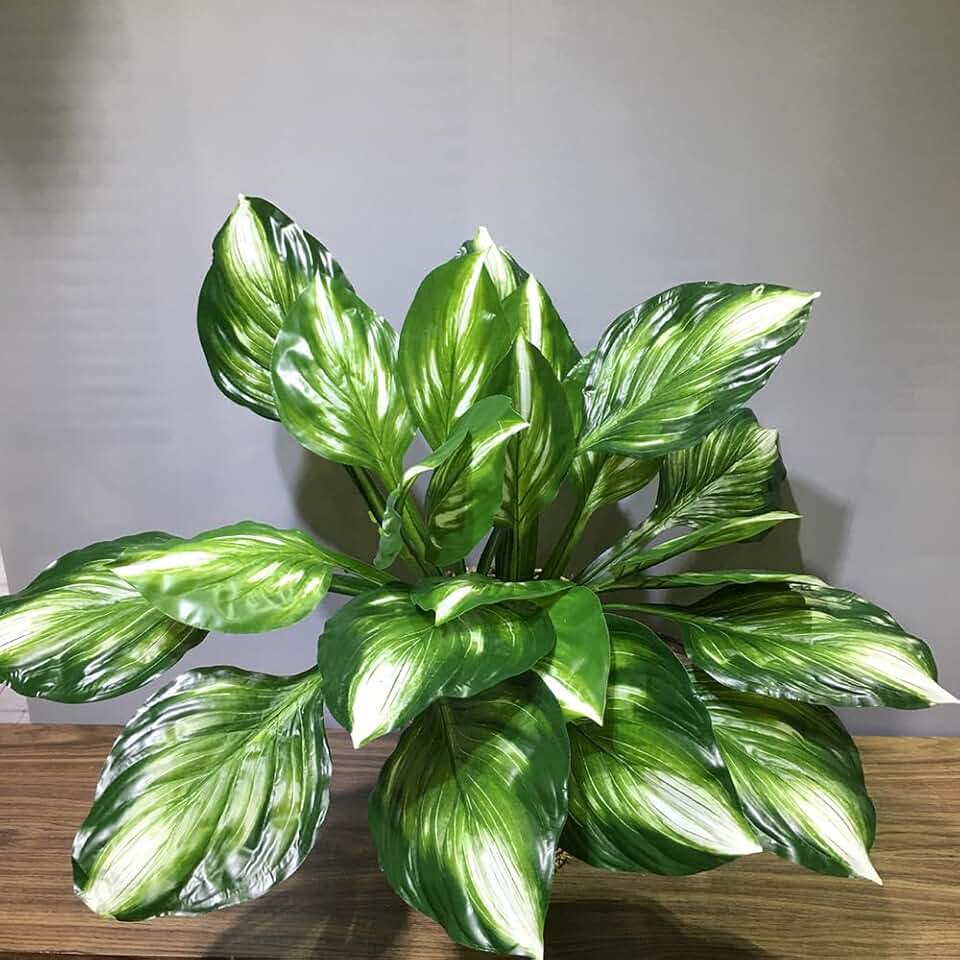
Hostas are the undisputed champions of shady ground cover. They emerge dramatically in spring, filling bare spaces with broad, elegant leaves that can range from delicate blue-green to deep, dark purple. Their growth habit is aggressive enough to choke out weeds but manageable if you keep them in check. After the first frosts, the foliage goes dormant, returning stronger each year with virtually no effort required on your part.
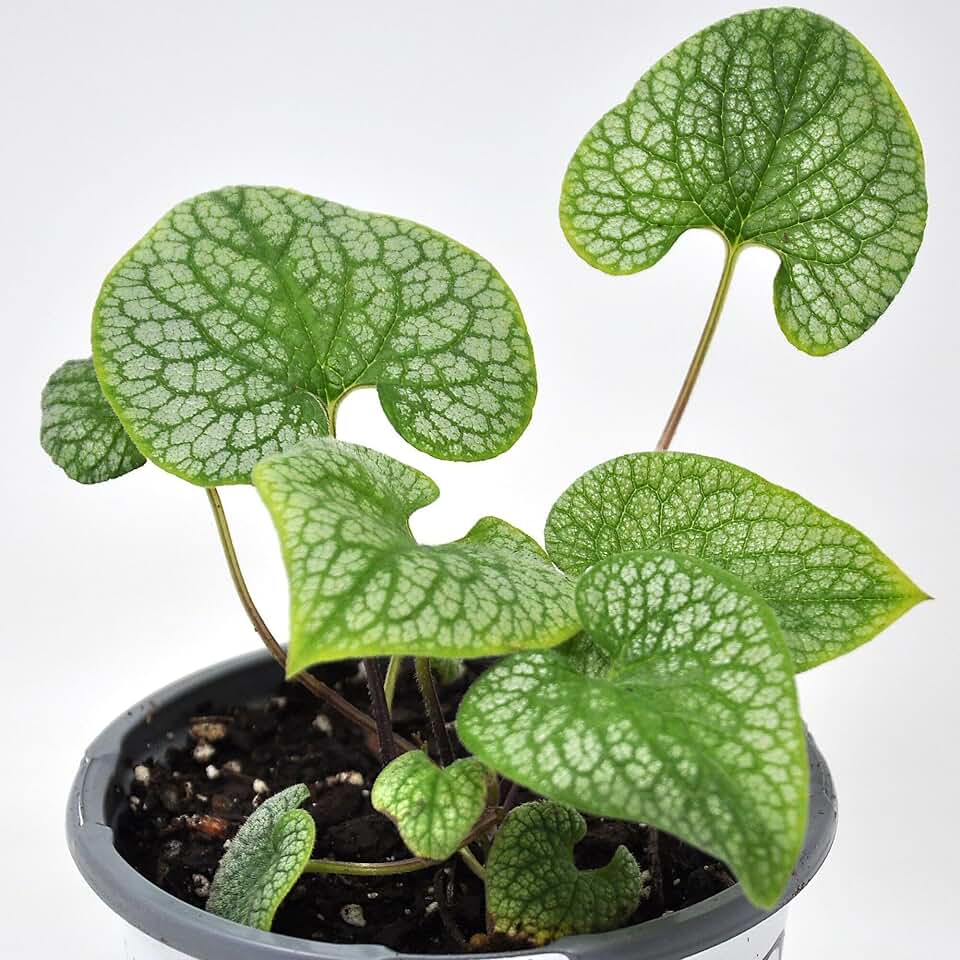
Brunnera, particularly the 'Jack of Diamonds' variety, offers a different texture for your shade garden. Its heart-shaped leaves are splashed with silver, providing visual interest even before the small, blue forget-me-not flowers appear in spring. It spreads steadily to form a dense mat, suppressing weeds and tolerating dry shade better than many other options. This makes it an ideal candidate for areas under trees where water competition is high.
For a more delicate, fern-like appearance, consider Lungwort (Pulmonaria). Its spotted leaves add early-season contrast, followed by clusters of pink and blue flowers that attract pollinators. It spreads quickly via runners, making it excellent for covering large, difficult patches of shade. Once established, it handles neglect well, thriving in conditions where other plants might struggle.

As an Amazon Associate, we may earn from qualifying purchases.
Compare top low maintenance varieties
Choosing the right low maintenance perennials means matching the plant to your garden's specific conditions. A plant that thrives in full sun may struggle in shade, and water needs vary significantly between species. Use this comparison to identify which perennials fit your light and moisture levels.
| Plant | Light | Water | Bloom Time |
|---|---|---|---|
| Nepeta (Catmint) | Full Sun | Low | Summer |
| Hosta | Shade to Part Shade | Medium | Late Spring |
| Oakleaf Hydrangea | Part Shade | Medium | Late Spring |
| Echinacea (Coneflower) | Full Sun | Low | Summer |
| Heuchera (Coral Bells) | Part Shade | Low to Medium | Spring |
Planting tips for lasting results
Getting low maintenance perennials established right from the start is the secret to a garden that thrives with minimal effort. If the initial planting is done correctly, these plants will settle in and spread, reducing the need for constant watering, weeding, or replanting in future seasons.
Prepare the soil before planting
Perennials need a strong root system to survive winters and heatwaves. Before placing any plant in the ground, loosen the soil to a depth of about 12 inches and mix in organic compost. This improves drainage and provides the nutrients needed for early growth. Avoid heavy clay soils if possible, or amend them significantly to prevent root rot.
Space plants for airflow
Crowded plants are prone to disease and struggle to access water and nutrients. Follow the spacing guidelines on the plant tag, but err on the side of giving them a little extra room. Good airflow helps leaves dry quickly after rain or watering, which significantly lowers the risk of fungal issues like powdery mildew.
Water deeply at first
The first growing season is critical for establishing roots. Water your new perennials deeply once or twice a week, rather than giving them a light sprinkle every day. This encourages roots to grow downward into the cooler, moister soil. Once established, most low maintenance perennials can survive on rainfall alone, but consistent early watering ensures they come back stronger each spring.
No comments yet. Be the first to share your thoughts!