

Start with the basics
Before you buy a single plant, look at the ground where you plan to dig. Native shade perennials thrive when they match the specific conditions of your site, not just a general "woodland" label. A spot under a dense oak behaves very differently from a north-facing wall or a damp hollow.
Check the soil moisture first. Many woodland natives, like Trillium or Goldenseal, need consistent moisture but cannot sit in standing water. If your soil stays soggy for days after rain, choose moisture-tolerant species like Sedge or Cardinal Flower instead. For dry shade under tree canopies, where roots compete for every drop, plants like Wild Ginger or Foamflower will establish faster.
Assess the light levels honestly. "Full shade" is rare; most wooded areas receive dappled sunlight or morning sun. Use a light meter or simply observe the site at noon. If the area is dark enough to read a book without a lamp, it is deep shade. If you can read comfortably without a light, it is partial shade. Most native perennials prefer partial shade for the best blooms.
Finally, consider the existing root competition. Tree roots can extend far beyond the drip line. When planting near large trees, dig wide holes to give new perennials a chance to establish before the trees take over. Clearing a small circle of grass and weeds around each planting spot makes a significant difference in the first growing season.
Follow the process
Creating a thriving woodland garden with native shade perennials starts with understanding your site. Native plants are adapted to specific conditions, so matching the right species to your soil and light levels is the foundation of a low-maintenance garden. This guide walks you through the essential steps to establish a resilient understory that supports local wildlife and reduces watering needs.
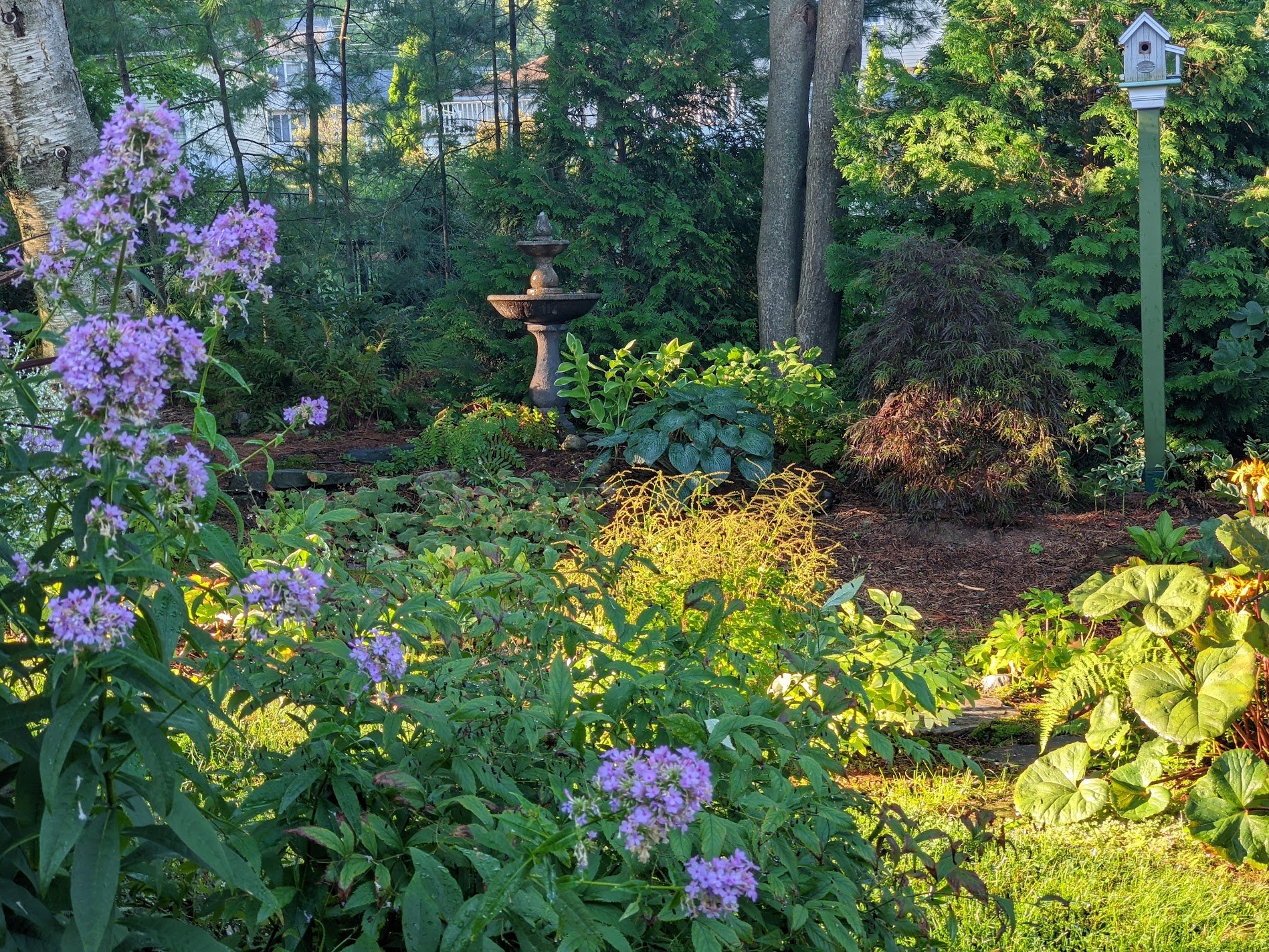
Woodland soils are often rich in organic matter but can vary widely in pH and drainage. Before planting, test your soil to determine if it is acidic, neutral, or alkaline. Many native woodland perennials, such as trillium and wild ginger, prefer slightly acidic, humus-rich soil. Map the light levels throughout the day. Full shade under a dense canopy differs significantly from dappled shade near a tree line. Most woodland natives thrive in partial shade, receiving morning sun and afternoon shade, which prevents leaf scorch.
Native plants generally do not need heavy fertilization, but they do benefit from improved soil structure. Work a 2-3 inch layer of compost or leaf mold into the top few inches of soil. This mimics the natural leaf litter found in forests, retaining moisture and providing slow-release nutrients. Avoid synthetic fertilizers, which can promote excessive leafy growth at the expense of flowers and root development. If your soil is heavy clay, mix in coarse sand or grit to improve drainage, as many woodland perennials dislike sitting in waterlogged conditions.
Choose plants native to your specific region to ensure they are adapted to local pests and climate patterns. Popular choices for shade gardens include foamflower, coral bells, and wild columbine. Look for species that offer staggered bloom times to provide nectar for pollinators throughout the season. Consider the mature size of each plant to avoid overcrowding. Group plants in odd numbers (3, 5, or 7) to create a naturalistic look that mimics how they would spread in the wild. Check local extension services or native plant societies for lists of recommended species for your area.
Dig holes twice as wide as the root ball but no deeper. Place the plant so the top of the root ball is level with the soil surface. Backfill with the original soil, firming it gently to eliminate air pockets. Water thoroughly immediately after planting to settle the soil around the roots. Space plants according to their mature width to allow for air circulation and growth. Close spacing can help suppress weeds initially but may lead to disease if air cannot flow through the canopy.

Apply a 2-inch layer of organic mulch, such as shredded leaves or wood chips, around the plants. Keep mulch a few inches away from the crown of the plant to prevent rot. Water regularly during the first growing season to help roots establish. Native plants become drought-tolerant once established, but consistent moisture is critical in the first year. After the first year, reduce watering frequency, allowing the soil to dry out between sessions to encourage deep root growth.
A well-planned native shade garden requires minimal intervention once established. By following these steps, you create a habitat that supports biodiversity while reducing the need for water and chemicals. The result is a lush, green sanctuary that changes with the seasons and provides year-round interest.
Avoid these mistakes
The biggest threat to a woodland garden isn’t pests or weather; it’s planting the wrong species in the wrong spot. Native shade perennials have specific habitat requirements that differ significantly from the dry, sunny conditions of many suburban yards. Ignoring these needs leads to thinning foliage, poor blooming, and eventual plant death.
Ignoring soil moisture consistency is the most common error. Many shade natives, such as Trillium or Bloodroot, require consistent moisture during their spring growth cycle. If you plant them under a tree with a massive root system that absorbs all available water, the plants will dry out and fail to establish. Check the soil moisture daily for the first two weeks. If the top two inches are dry, water deeply. Do not rely on rainfall alone under a tree canopy, which sheds water away from the base.
Over-mulching and covering crowns kills plants slowly. While mulch retains moisture and suppresses weeds, piling it too high against the stems or crowns of shade perennials invites rot and fungal diseases. Keep mulch two inches deep and pull it back an inch from the plant’s base. This allows air circulation and prevents the crown from staying wet.
Planting in deep, unbroken shade limits growth. Most woodland natives thrive in dappled sunlight or partial shade, not the dark conditions found directly under dense oak or maple canopies. If a spot receives less than four hours of indirect light, select shade-tolerant species like Hosta or Ferns. For plants that need spring sun, such as Wild Geranium, ensure the canopy opens up in early spring before the trees leaf out.
Common questions
Do native shade perennials actually survive under tree canopies?
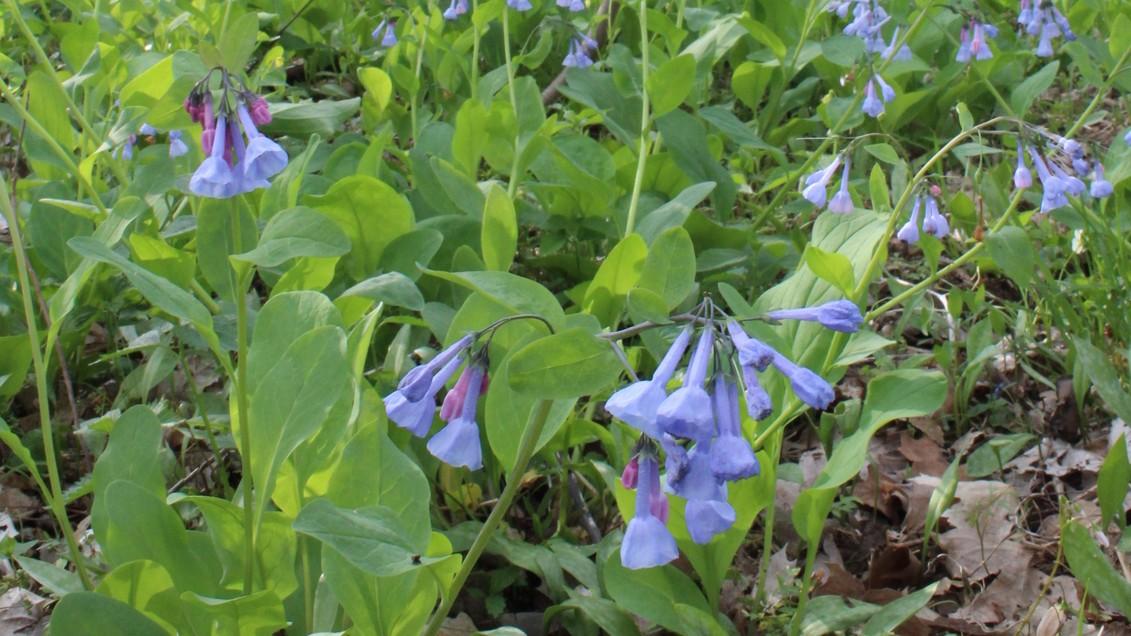
Yes, but only if you match the plant to the specific type of shade. A spot under a dense oak or maple has different conditions than an area beneath birch or pine. Deciduous trees filter light and drop leaf litter, creating a rich, moist environment perfect for woodland natives like Virginia Bluebells or Solomon’s Seal. Coniferous evergreens, however, create acidic, dry shade and often drop needles that can inhibit growth. If your trees are heavy shade casters, choose plants adapted to deep shade rather than assuming any native will thrive.
Will these plants take over my garden?
Some native shade perennials are aggressive spreaders, while others are clump-forming and gentle. Goldenseal and Mayapple send out rhizomes that can quickly colonize a wide area, making them excellent for covering bare patches under trees but potentially invasive in small, formal beds. Trillium and Bloodroot tend to stay put or spread slowly via seeds. If you are designing a contained border, stick to clump-forming varieties or plan to divide aggressive spreaders every few years to keep them in check.
How much water do native woodland plants need?
Once established, most native shade perennials require minimal supplemental water, relying on natural rainfall and the moisture-retaining qualities of leaf litter. However, "established" typically means two to three growing seasons. During the first year, regular watering is essential, especially if you are planting under trees where root competition is high. After that, they are generally drought-tolerant. The key is soil quality: native woodland plants thrive in well-draining, humus-rich soil. If your soil is heavy clay or compacted, amend it with compost before planting to ensure proper drainage.
Are native shade plants safe for deer and rabbits?
Generally, yes. Many native woodland plants have evolved defenses against local herbivores, making them less palatable than non-native ornamentals. Trillium, Goldenseal, and Mayapple are often avoided by deer due to their bitter taste or toxic compounds. However, no plant is 100% deer-proof, especially in areas with high deer populations and limited natural food sources. If deer pressure is extreme, you may still need protection for young seedlings, but mature native stands typically hold up better than exotic garden varieties.
No comments yet. Be the first to share your thoughts!