

Woodland gardens: a quiet revival
I've seen a shift away from manicured lawns toward something wilder. People want gardens that feel like part of the woods rather than a staged display. Woodland gardens do this by using layers of plants that thrive in the shadows, creating a space that feels quiet and enclosed.
At the heart of a successful woodland garden are native shade perennials. These plants are uniquely adapted to the low-light conditions and often poor soils found in woodland environments. They aren’t just beautiful; they’re also incredibly beneficial. They support local pollinators, birds, and other wildlife, contributing to a healthier ecosystem. Choosing native plants is about more than aesthetics; it’s about ecological responsibility.
Gardening in the shade presents its own set of challenges, of course. Low light can limit plant growth, and maintaining sufficient moisture can be tricky. But native shade perennials are up to the task. They’ve evolved to thrive in these conditions, requiring less intervention and creating a more sustainable garden overall. It's a style of gardening that feels good to me – a collaboration with nature, rather than a constant battle against it.
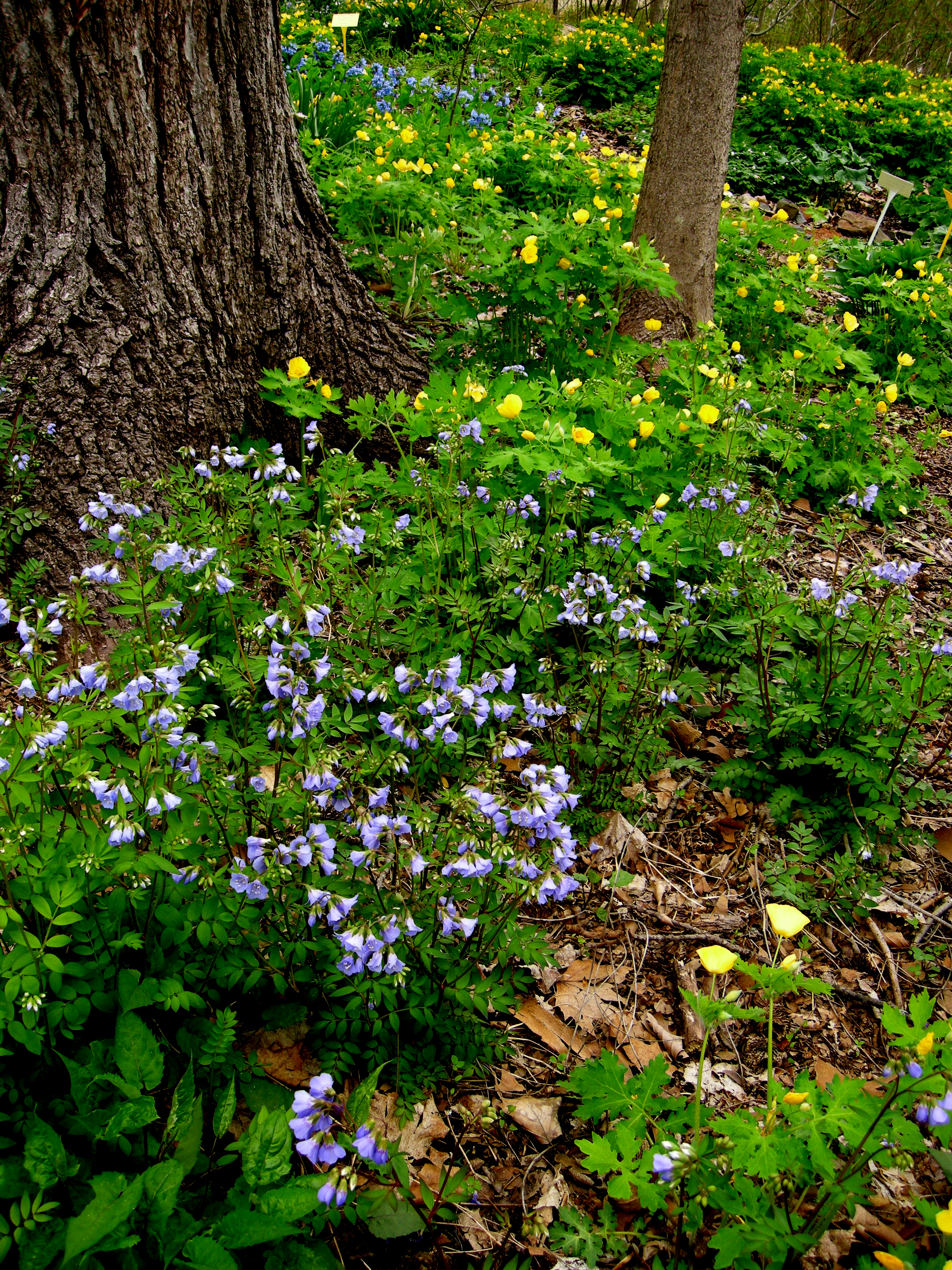
Measuring your light
You need to know exactly how much light hits your dirt before buying anything. Shade is a spectrum. The deep gloom under an old oak is nothing like the moving light under a high-branching maple. I've wasted plenty of money by guessing wrong on this.
We generally categorize shade into three main types: full shade, partial shade, and dappled shade. Full shade receives less than three hours of direct sunlight per day. Partial shade gets between three and six hours, often in the morning. Dappled shade is filtered sunlight that passes through tree branches throughout the day. Knowing which type you have will significantly narrow down your plant choices.
I once planted what I thought was a "partial shade" perennial in a spot that turned out to be almost entirely shaded. It struggled for a year before I realized my mistake. Now, I spend a full week observing potential planting locations at different times of the day before making any decisions. A simple observation can save you a lot of heartache – and expense.
Native perennials for shade
Choosing the right perennials is the most exciting part! Here are some of my top picks for native shade perennials that I expect to see thriving in woodland gardens in 2026. These selections are based on their beauty, ecological value, and relative ease of cultivation. Availability can vary by region, but most are widely accessible through reputable nurseries.
Wild Ginger (Asarum canadense): This groundcover spreads slowly, forming a lush carpet of heart-shaped leaves. It prefers moist, rich soil and full to partial shade. Its inconspicuous flowers are fascinating up close, and it provides excellent erosion control. Height & Spread: 6-12 inches.
Foamflower (Tiarella cordifolia): A charming perennial with delicate, foamy white flower spikes. It prefers moist, well-drained soil and partial to full shade. Foamflower is a great choice for adding texture and interest to woodland borders. Height & Spread: 6-12 inches.
Bloodroot (Sanguinaria canadensis): An early spring ephemeral, known for its striking white flowers and blood-red sap. It prefers moist, rich soil and partial to full shade. Bloodroot disappears after flowering, but its foliage adds a beautiful texture in the spring. Height & Spread: 6-8 inches.
Virginia Bluebells (Mertensia virginica): These beautiful bell-shaped flowers bloom in spring, adding a splash of color to the woodland garden. They prefer moist, rich soil and partial shade. Bluebells also go dormant in summer, so plan accordingly. Height & Spread: 1-2 feet.
Black Cohosh (Actaea racemosa): A stately perennial with tall, feathery spikes of white flowers. It prefers moist, rich soil and partial to full shade. Black Cohosh is a pollinator magnet and adds vertical interest to the garden. Height & Spread: 3-6 feet.
Christmas Fern (Polystichum acrostichoides): An evergreen fern that provides year-round interest. It prefers moist, well-drained soil and partial to full shade. Christmas Fern is a versatile plant that can be used as a groundcover or as a specimen plant. Height & Spread: 1-2 feet.
Goldenrod (Solidago caesia): While often thought of as a full-sun plant, this native goldenrod thrives in partial shade. It provides late-season color and is a valuable resource for pollinators. Height & Spread: 2-4 feet.
Blue Wood Aster (Symphyotrichum cordifolium): Another aster that tolerates shade well, offering beautiful blue-purple flowers in the fall. It's a valuable late-season nectar source for pollinators. Height & Spread: 1-3 feet.
Native Shade Perennials for Woodland Gardens
| Common Name | Botanical Name | Light | Soil | Bloom Time | Height | Ecological Benefit |
|---|---|---|---|---|---|---|
| Wild Ginger | Asarum canadense | Full to Partial Shade | Rich, moist, well-drained | Spring | 6-12 inches | Host plant for Virginia Spice Moth caterpillars |
| Foamflower | Tiarella cordifolia | Partial to Full Shade | Moist, humus-rich | Spring | 6-18 inches | Pollinators, especially small bees |
| Bloodroot | Sanguinaria canadensis | Partial to Full Shade | Humus-rich, moist | Early Spring | 6-12 inches | Early nectar source for pollinators |
| Mayapple | Podophyllum peltatum | Partial to Full Shade | Rich, moist, well-drained | Spring | 12-18 inches | Fruit provides food for wildlife |
| Trillium | Trillium grandiflorum | Partial to Full Shade | Moist, humus-rich, acidic | Spring | 6-18 inches | Pollinators, seed dispersal by ants |
| Virginia Bluebells | Mertensia virginica | Partial Shade | Moist, humus-rich | Spring | 1-2 feet | Early nectar source for long-tongued bees |
| Black Cohosh | Actaea racemosa | Partial to Full Shade | Moist, well-drained | Summer | 3-6 feet | Pollinators, seeds eaten by birds |
| Christmas Fern | Polystichum acrostichoides | Partial to Full Shade | Well-drained, adaptable | Evergreen | 1-3 feet | Winter cover for wildlife |
Illustrative comparison based on the article research brief. Verify current pricing, limits, and product details in the official docs before relying on it.
Preparing the soil
Shade perennials generally prefer well-drained, humus-rich soil. Woodland soils are naturally this way, built up over years of decaying leaves and organic matter. But if your soil is heavy clay or sandy, you’ll need to amend it to create optimal growing conditions. Good drainage is particularly important, as shade gardens can stay damp for extended periods.
Compost is the easiest fix. Mixing it in improves drainage and feeds the plants. I also use leaf mold—which is just decomposed leaves—because it mimics the natural forest floor. If the soil is particularly thin, I'll add well-rotted manure.
My preferred woodland-style soil mix is equal parts compost, leaf mold, and native topsoil. I work this into the planting area to a depth of at least 12 inches. Avoid adding too much sand, as it can actually worsen drainage in clay soils. The goal is to create a loose, friable soil that holds moisture but doesn't become waterlogged.
Spacing and planting
When planting shade perennials, dig a hole that is twice as wide as the root ball and just as deep. Gently loosen the roots before placing the plant in the hole. Backfill with your amended soil mix, ensuring that the top of the root ball is level with the surrounding soil. Water thoroughly after planting. Spring and fall are the best times to plant.
Grouping plants together in drifts creates a more naturalistic and visually appealing effect. Avoid planting in straight lines or rigid patterns. Consider the mature size of each plant when determining spacing. Overcrowding can lead to competition for resources and increased susceptibility to disease. I always err on the side of giving plants a little extra room to grow.
A common mistake is to plant too close together, assuming plants won’t reach their mature size quickly. But perennials will fill in over time, so it’s better to start with a little space and allow them to expand. Thinking about how plants will look in a few years is key to a successful woodland garden.
Water, mulch, and division
Shade perennials generally require consistent moisture, but overwatering can be just as harmful as underwatering. Check the soil moisture regularly and water when the top inch feels dry to the touch. During prolonged dry spells, you may need to water more frequently. A good soaking is better than frequent, shallow watering.
Mulching is essential for maintaining soil moisture, suppressing weeds, and regulating soil temperature. I prefer to use shredded leaves or wood chips as mulch. Avoid using plastic mulch, as it can prevent air and water from reaching the roots. Replenish the mulch layer annually to maintain its effectiveness. I've found that shredded leaves break down more quickly, adding even more organic matter to the soil.
Many shade perennials benefit from division every few years. This helps to rejuvenate the plants and prevent them from becoming overcrowded. The best time to divide is in early spring or fall. Dig up the plant, carefully separate the clumps, and replant them in new locations. It's a great way to propagate new plants and expand your garden.
Managing pests naturally
Fortunately, shade perennials are generally less susceptible to pests and diseases than their sun-loving counterparts. However, problems can still occur. Common pests include slugs, snails, and aphids. I prefer to manage these naturally, rather than resorting to harsh chemicals. Handpicking slugs and snails is surprisingly effective, especially after a rain.
Encouraging beneficial insects, such as ladybugs and lacewings, can also help control pest populations. Providing good air circulation can prevent fungal diseases. If you do encounter a disease, remove and dispose of the affected foliage promptly. Choosing disease-resistant varieties is always a good preventative measure.
I’m not comfortable using synthetic pesticides or fungicides in my garden. I believe there are plenty of effective natural solutions available. Companion planting with herbs like mint and chives can also help deter pests.
No comments yet. Be the first to share your thoughts!