

Weathering the heat
Gardening is getting harder. Hotter summers and dry spells are the new normal, not just bad luck. I've found that picking plants that actually like the heat is the only way to keep a yard looking decent without a massive water bill.
A good drought-tolerant plant does more than just stay alive. Look for deep roots that can find water deep down, or waxy leaves that hold onto moisture. Silver or grey leaves are another good sign—they reflect the sun to keep the plant cool.
This list isn't arbitrary. It’s based on performance data from sources like the University of Massachusetts Amherst’s Center for Agriculture, Food, and the Environment, as well as observations from American Meadows and Le Jardinet. These selections represent plants that, as of late 2024 and early 2025, consistently demonstrate resilience in drier conditions. I've also included a few personal favorites, based on years of observing what performs well in various gardens.
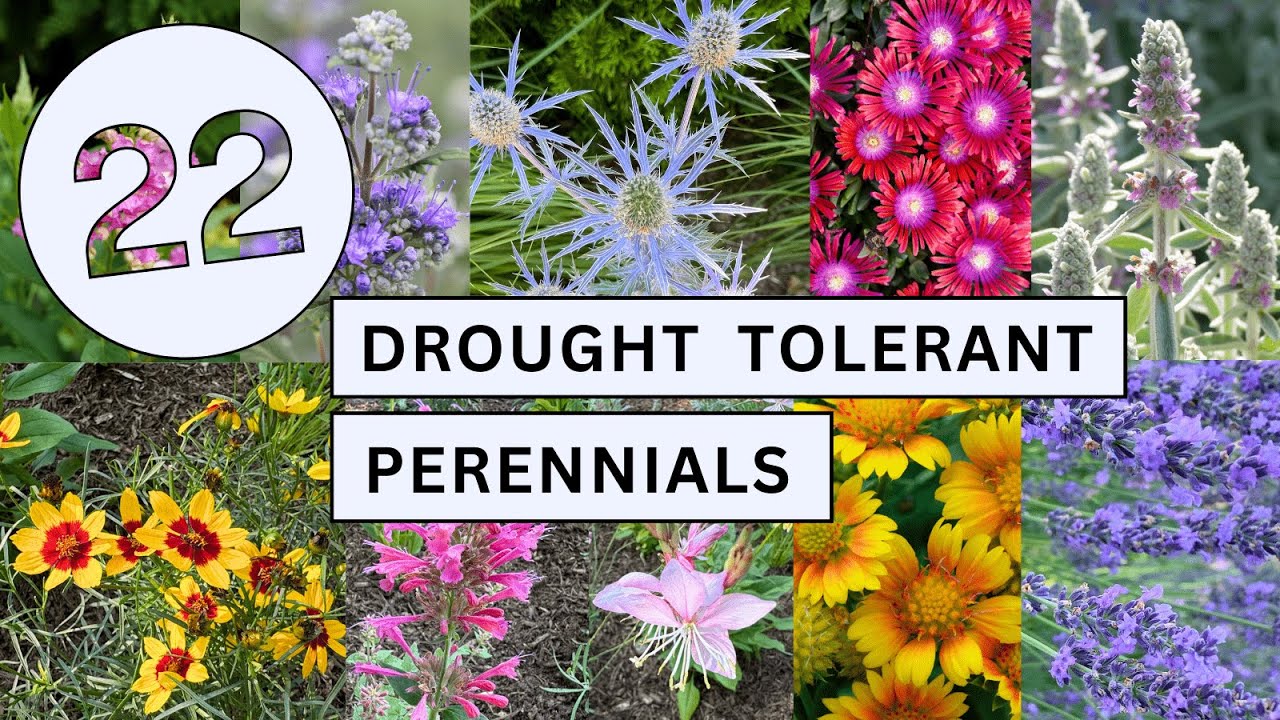
12 perennials for dry gardens
Here are twelve perennials that I believe will be invaluable in the gardens of 2026 and beyond. I’ve included details to help you determine if they’re a good fit for your specific location and aesthetic preferences. Remember that even drought-tolerant plants need some initial watering to get established.
1. Yarrow (Achillea millefolium): Zones 3-9, full sun. Once established, yarrow can handle significant drought. It blooms for a long period, typically from summer into fall, with flat-topped clusters of flowers in shades of white, yellow, pink, or red. It can go 2-3 weeks without water once established. It’s a pollinator magnet, but can be aggressive, spreading by seed.
2. Coneflower (Echinacea purpurea): Zones 3-9, full sun to partial shade. A classic for a reason. Coneflowers are incredibly tough and attract butterflies and bees. They can tolerate extended dry spells, needing water only when the soil is completely parched. Bloom time is summer to fall. Expect 1-2 weeks between watering after establishment.
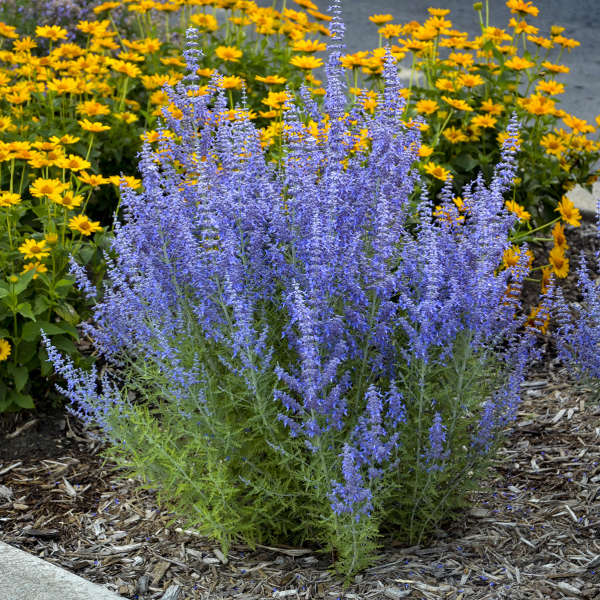
3. Russian Sage (Perovskia atriplicifolia): Zones 4-9, full sun. This plant practically thrives on neglect. Its silvery foliage and lavender-blue flowers add a beautiful textural element to the garden. It needs very little water once established – easily 3 weeks or more. It can get leggy, so pruning is beneficial.
4. Lavender (Lavandula angustifolia): Zones 5-9, full sun. The fragrance alone makes lavender worthwhile, but its drought tolerance is a bonus. It prefers well-drained soil and dislikes overly humid conditions. It can survive for several weeks without supplemental water. Bloom time is summer.
5. Sedum (Hylotelephium spp.): Zones 3-9, full sun. Also known as stonecrop, sedums come in a wide variety of shapes and sizes. They store water in their succulent leaves, making them remarkably drought-resistant. 'Autumn Joy' is a popular variety. They can go a month or more without water.
6. Blanket Flower (Gaillardia x grandiflora): Zones 3-9, full sun. These daisy-like flowers bloom profusely in shades of red, orange, and yellow. They are heat-tolerant and can withstand dry conditions. They need minimal watering once established – about 2-3 weeks between watering.
7. Catmint (Nepeta x faassenii): Zones 4-8, full sun. Similar in appearance to lavender, catmint is less finicky. It attracts cats (hence the name) and pollinators. It’s drought-tolerant once established, needing water only when the leaves begin to wilt. Bloom time is late spring to summer.
8. Sea Holly (Eryngium amethystinum): Zones 4-9, full sun. This unique plant adds a structural element to the garden with its thistle-like flowers and silvery bracts. It prefers well-drained soil and can handle dry conditions. It can handle 3-4 weeks without water.
9. Bee Balm (Monarda didyma): Zones 4-9, full sun to partial shade. While bee balm prefers moist soil, it can tolerate some drought once established. It attracts hummingbirds and bees. Regular deadheading encourages continued blooming. It needs water about every 2 weeks when established.
10. Daylily (Hemerocallis spp.): Zones 3-10, full sun to partial shade. Daylilies are remarkably adaptable and come in a huge range of colors and forms. They are generally drought-tolerant, but benefit from occasional watering during prolonged dry spells. Most varieties can go 2 weeks without water.
11. Blue Fescue (Festuca Glauca): Zones 4-8, full sun. This ornamental grass adds texture and visual interest to the garden. It’s extremely drought-tolerant and requires minimal maintenance. It thrives with very little water – once established, it can handle months without supplemental irrigation.
12. Threadleaf Stonecrop (Sedum spurium): Zones 3-9, full sun. A groundcover option, this sedum spreads quickly and forms a dense mat of foliage. It's incredibly drought-tolerant and requires very little care. It can handle 3-4 weeks without water. It can be aggressive, so consider its placement carefully.
Essential Drought-Resistant Perennial Starters and Tools for Your Climate-Smart Garden
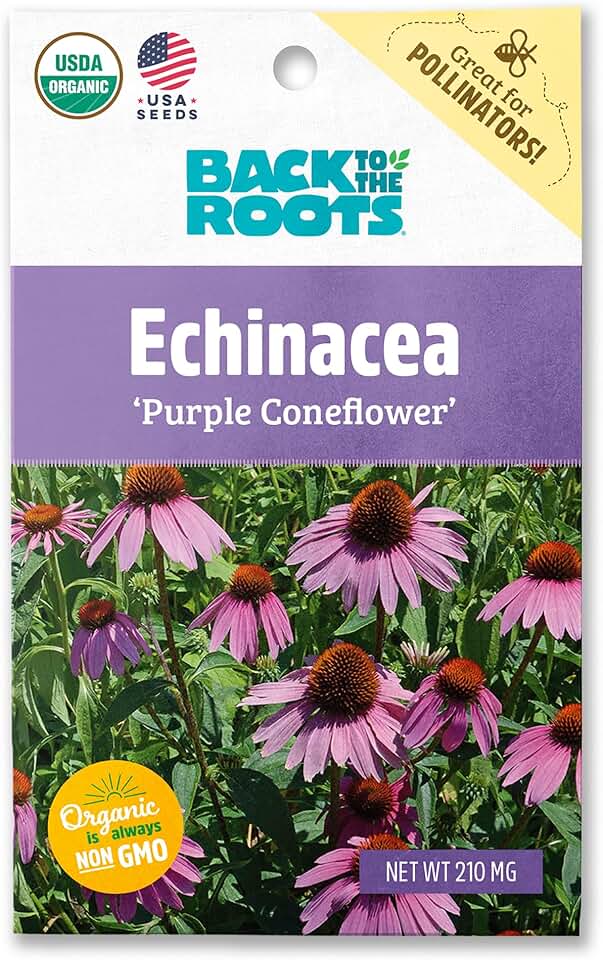
100% Organic Seeds · USDA Organic Certified · Drought-tolerant perennial
This affordable organic seed packet offers an easy entry point for gardeners to grow a beautiful and resilient native perennial.
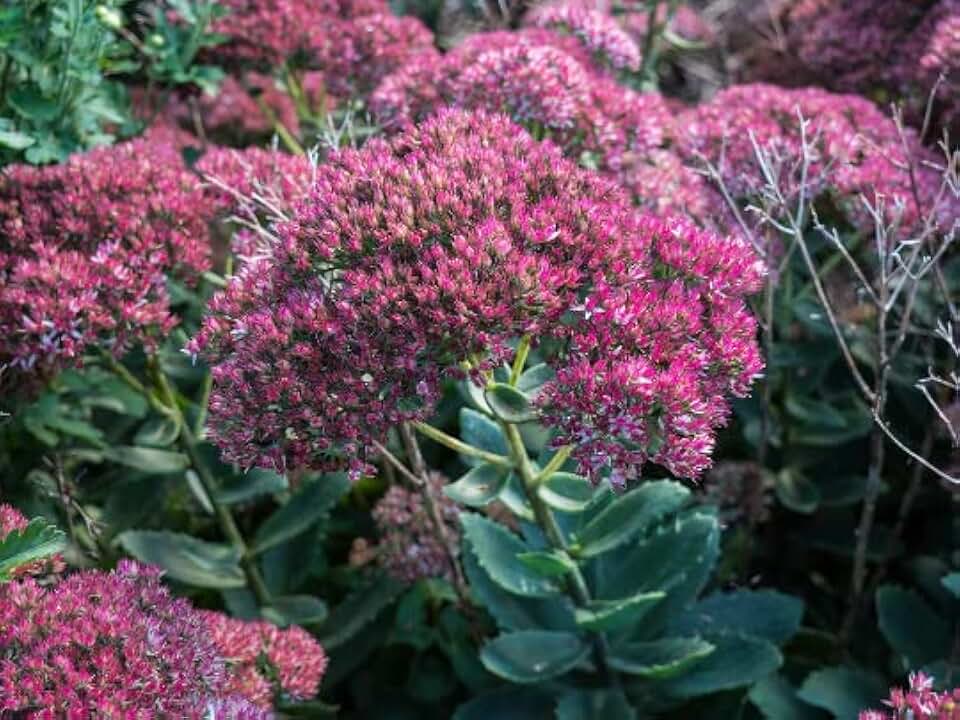
Drought-tolerant succulent · Late-season blooms · Low-maintenance perennial
Autumn Joy Sedum provides reliable color and structure with minimal water, making it a staple for water-wise landscaping.

Heirloom seeds · Attracts pollinators · Drought and heat tolerant
These heirloom seeds offer a cost-effective way to introduce a visually appealing and water-wise wildflower that supports local ecosystems.

Drought-tolerant perennial · Pollinator-friendly · Bright yellow flowers
This two-pack of Moonshine Yarrow provides established, resilient plants that thrive in dry conditions and add cheerful color to the garden.

No battery needed · Measures soil moisture · Helps prevent over/under-watering
This simple, reliable tool empowers gardeners to provide the precise amount of water needed, maximizing the success of drought-resistant plants.
As an Amazon Associate I earn from qualifying purchases. Prices may vary.
Why these plants help the local ecosystem
Choosing drought-resistant perennials isn’t just about conserving water, it’s about building a more resilient and biodiverse garden. These plants offer a wealth of ecological benefits that extend far beyond their aesthetic appeal. They support local ecosystems by providing food and habitat for pollinators, birds, and other wildlife.
Many of the plants on the list, like coneflowers, bee balm, and yarrow, are magnets for bees, butterflies, and other beneficial insects. These pollinators are essential for the reproduction of many plants, including our food crops. By planting these perennials, you're contributing to a healthier and more sustainable food system.
Drought-resistant plants also contribute to soil health. Their deep root systems help to improve soil structure, increase water infiltration, and prevent erosion. The organic matter they contribute as they decompose enriches the soil and provides nutrients for other plants. This creates a positive feedback loop that enhances the overall health of your garden ecosystem.
Consider this: a garden filled with diverse, drought-tolerant perennials is less susceptible to pests and diseases. A healthy ecosystem is a balanced ecosystem, and that balance naturally reduces the need for chemical interventions. It's a more holistic and sustainable approach to gardening.
Fixing your soil first
Even the most drought-tolerant perennials will struggle in poor soil. Proper soil preparation is crucial for success. The goal is to create a soil that drains well but also retains enough moisture to support plant growth. This is particularly important in areas with sandy or clay soils.
Adding compost is one of the best things you can do for your garden soil. Compost improves drainage in clay soils and increases water retention in sandy soils. It also adds essential nutrients and beneficial microbes that support plant health. Work a generous amount of compost into the soil before planting.
If you have clay soil, consider adding other organic matter, such as shredded bark or leaf mold, to improve drainage. For sandy soils, incorporating peat moss or well-rotted manure can help retain moisture. Raised beds are also a great option for improving drainage and soil quality.
Avoid excessive tilling, as this can disrupt the soil structure and harm beneficial organisms. Instead, focus on amending the soil with organic matter and creating a loose, friable texture. A simple soil test can tell you a lot about your soil’s pH and nutrient levels.
Watering less often
The key to watering drought-resistant perennials is to encourage deep root growth. This means watering deeply and infrequently, rather than shallowly and frequently. Deep watering encourages roots to grow down into the soil, where they can access a more reliable water source.
Soaker hoses and drip irrigation are excellent choices for drought-resistant gardens. They deliver water directly to the roots, minimizing water loss through evaporation. Avoid overhead watering, as this can lead to fungal diseases and water waste.
Monitor soil moisture levels regularly. A simple way to do this is to stick your finger into the soil. If the soil feels dry several inches down, it’s time to water. However, don’t wait until the plants are visibly wilting. That’s a sign of severe stress.
It’s important to remember that drought-tolerant doesn't mean no water. Even these plants need some supplemental irrigation, especially during prolonged dry spells or when they are first getting established. The goal is to minimize water use, not eliminate it entirely.
No comments yet. Be the first to share your thoughts!