

Dry gardens: a 2026 outlook
Gardening is changing. Across the country, we’re seeing shifts in rainfall patterns and steadily rising temperatures. What worked in the garden ten years ago might not be enough now, and planning for the future means embracing plants that can handle warmer, drier conditions. This isn’t about abandoning our love of lush gardens; it’s about making smart choices.
The term 'drought-resistant' is often misunderstood. It doesn’t mean a plant requires no water, ever. It means that once established, these plants can survive extended periods with limited rainfall. They’ve developed strategies—deep roots, waxy leaves, efficient water storage—to thrive where others struggle. Choosing these plants is a proactive step toward a more sustainable garden.
By 2026, I expect water conservation to be a central consideration for gardeners nationwide. Regulations might become stricter in some areas, and water costs are likely to continue rising. Fortunately, a wealth of beautiful and resilient perennials are available, allowing us to create stunning gardens while minimizing our environmental impact. We'll focus on perennials that not only survive but flourish with less water.
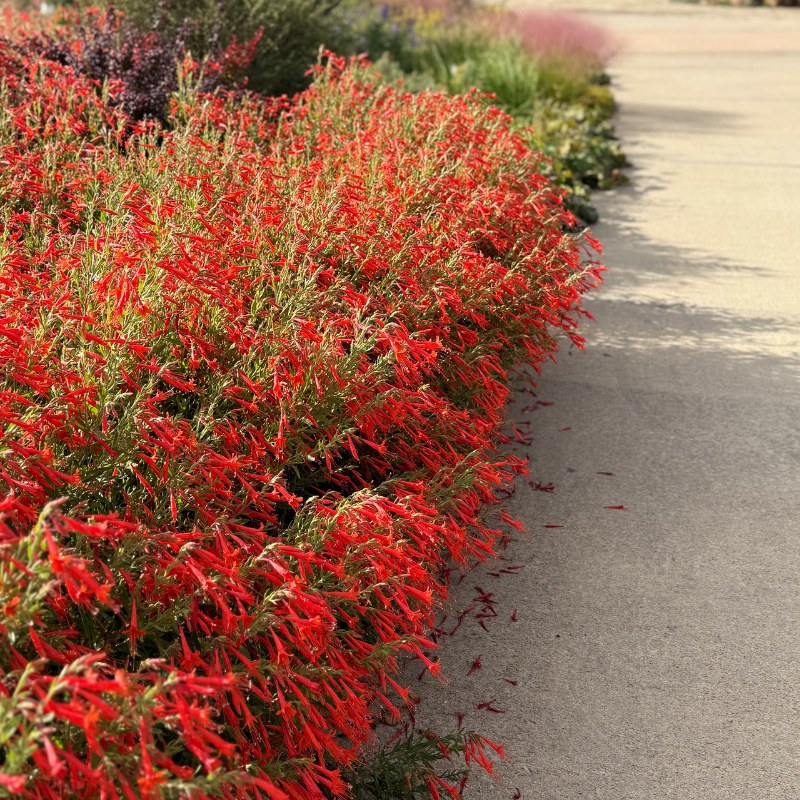
Reliable perennials for dry soil
Selecting the right perennials for a dry garden is the most important step. I’ve compiled a list of fifteen excellent choices, evaluating them based on their documented drought tolerance, aesthetic appeal, and overall ease of care. I’ve ordered the list alphabetically, as determining a single “best” is too subjective and depends heavily on your specific climate and preferences.
Rattlesnake Master (Eryngium yuccifolium): This striking plant features silvery-blue foliage and unique, conical flower heads. It prefers full sun and well-drained soil, reaching a mature size of 3-5 feet tall and 2-3 feet wide. Hardiness zones 4-9. Drought tolerance: 4/5.
Lavender (Lavandula angustifolia): Beloved for its fragrant foliage and beautiful purple flowers, lavender thrives in full sun and well-drained, slightly alkaline soil. It typically grows 1-3 feet tall and wide. Hardiness zones 5-9. Drought tolerance: 5/5.
Coneflower (Echinacea purpurea): A classic choice for drought-tolerant gardens, coneflowers come in a wide range of colors, from the traditional purple to shades of pink, orange, and white. They prefer full sun and well-drained soil, growing 2-5 feet tall and 1-2 feet wide. Hardiness zones 3-9. Drought tolerance: 4/5.
Yarrow (Achillea millefolium): Yarrow is a tough and adaptable perennial known for its feathery foliage and clusters of small, colorful flowers. It prefers full sun and well-drained soil, reaching 1-3 feet tall and wide. Hardiness zones 3-8. Drought tolerance: 4/5.
Sedum (Hylotelephium spp.): Also known as stonecrop, sedums are succulents that store water in their leaves, making them exceptionally drought-tolerant. They come in a variety of shapes and sizes, with fleshy foliage and late-summer blooms. They prefer full sun and well-drained soil. Hardiness zones 3-9. Drought tolerance: 5/5.
Shirley Temple Peony (Paeonia lactiflora): This beautiful peony offers stunning, coral-colored blooms. It needs full sun and well-drained soil to thrive, and grows to around 2-3 feet tall and wide. Hardiness zones 3-8. Drought tolerance: 3/5 (needs establishment watering).
Sapphire Blue Culver’s Root (Veronicastrum virginicum "Sapphire Blue"): A tall, elegant perennial with spikes of vibrant blue flowers. Prefers full sun to partial shade and moist to well-drained soil. Grows 4-6 feet tall and 1-2 feet wide. Hardiness zones 3-8. Drought tolerance: 3/5.
Jade Frost Coreopsis (Coreopsis verticillata "Jade Frost"): Offers delicate, thread-like foliage with a frosty hue and cheerful yellow flowers. Thrives in full sun and well-drained soil. Grows 1-2 feet tall and wide. Hardiness zones 5-9. Drought tolerance: 4/5.
Neptune’s Gold Bugleweed (Ajuga reptans "Neptune’s Gold"): A spreading groundcover with golden foliage and blue flower spikes. Prefers partial shade and moist to well-drained soil. Grows 3-6 inches tall and 1-2 feet wide. Hardiness zones 4-8. Drought tolerance: 3/5.
Silver Ghost Artemisia (Artemisia ludoviciana "Silver Ghost"): Features stunning silvery-white foliage that adds texture and contrast to the garden. Prefers full sun and well-drained soil. Grows 2-3 feet tall and wide. Hardiness zones 4-8. Drought tolerance: 5/5.
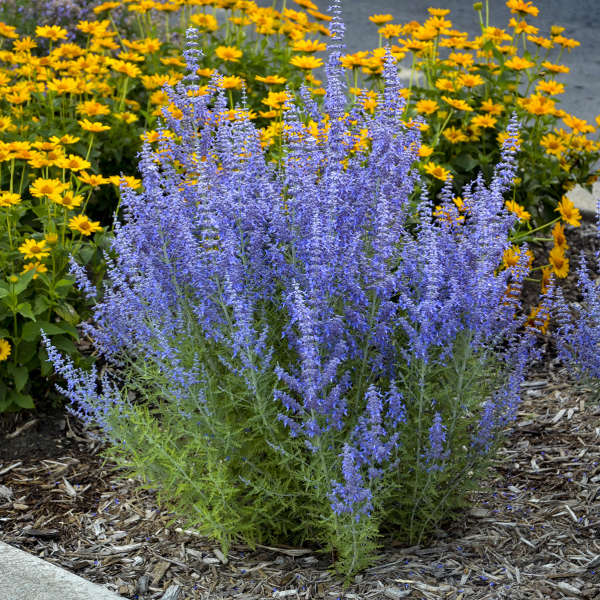
Russian Sage (Perovskia atriplicifolia): Known for its silvery foliage and long-lasting lavender-blue flowers, Russian sage is a tough and adaptable perennial. It prefers full sun and well-drained soil, growing 3-5 feet tall and 2-3 feet wide. Hardiness zones 4-8. Drought tolerance: 5/5.
Blanket Flower (Gaillardia x grandiflora): These daisy-like flowers come in shades of red, orange, and yellow, providing long-lasting color in the garden. They prefer full sun and well-drained soil, growing 1-3 feet tall and wide. Hardiness zones 3-9. Drought tolerance: 4/5.
Daylily (Hemerocallis spp.): While not all daylilies are equally drought-tolerant, many varieties can handle dry conditions once established. They come in a vast array of colors and forms, offering something for every garden. Hardiness zones 3-9. Drought tolerance: 3/5 (varies by cultivar).
Catmint (Nepeta x faassenii): Catmint is a herbaceous perennial with gray-green foliage and lavender-blue flowers. It can grow to be 1-3 feet tall and wide and prefers full sun and well-drained soil. Hardiness zones 3-8. Drought tolerance: 4/5.
Essential Gear for Your Drought-Resistant Perennial Garden
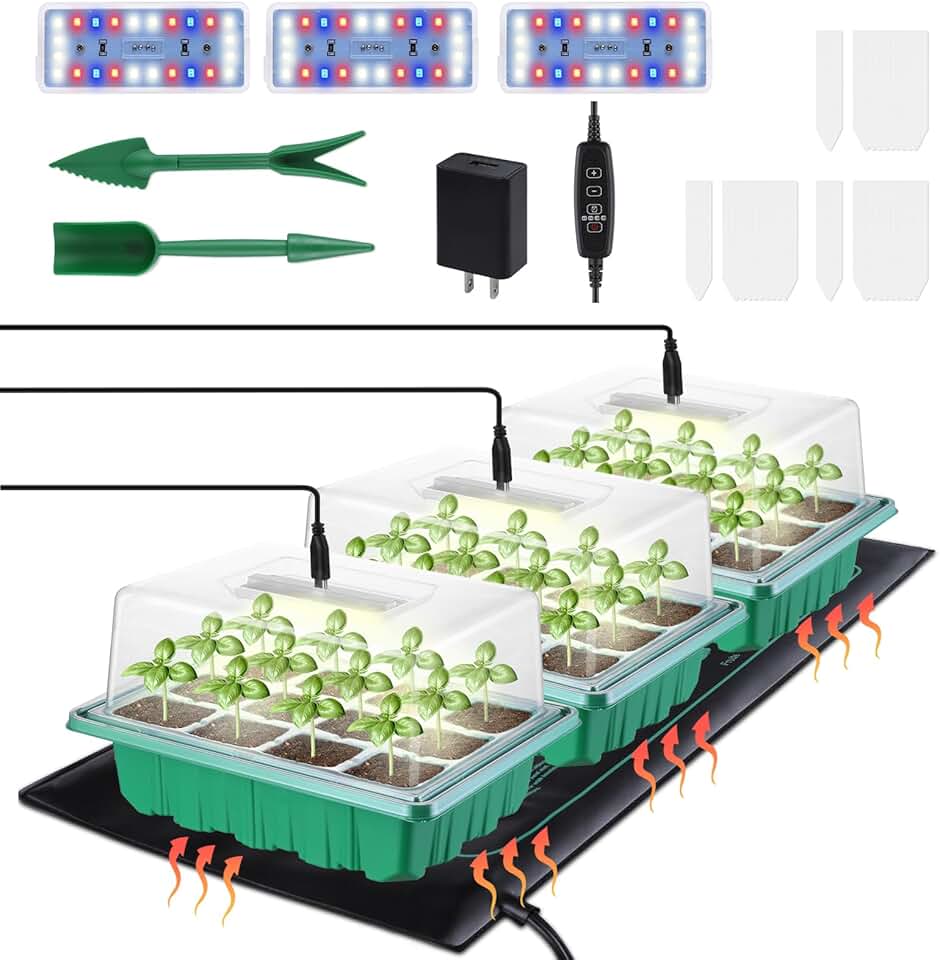
Includes 3 seed starter trays with 36 large cells each · Features a heat mat for optimal germination temperatures · Equipped with grow lights and adjustable humidity vents
This kit provides the ideal environment for starting drought-resistant perennial seeds indoors, ensuring strong seedlings before transplanting.

Measures soil moisture, temperature, pH, and sunlight intensity · Features a backlight LCD display for easy reading · Suitable for indoor, outdoor, farming, and gardening applications
Accurately monitor your soil conditions to avoid over or under-watering, crucial for the survival of drought-resistant plants.

Set includes a trowel, transplanter, and cultivator · Constructed with rust-resistant steel heads · Designed with ergonomic handles for comfortable use
These essential tools are perfect for planting, digging, and aerating soil, facilitating the establishment of your water-wise perennials.
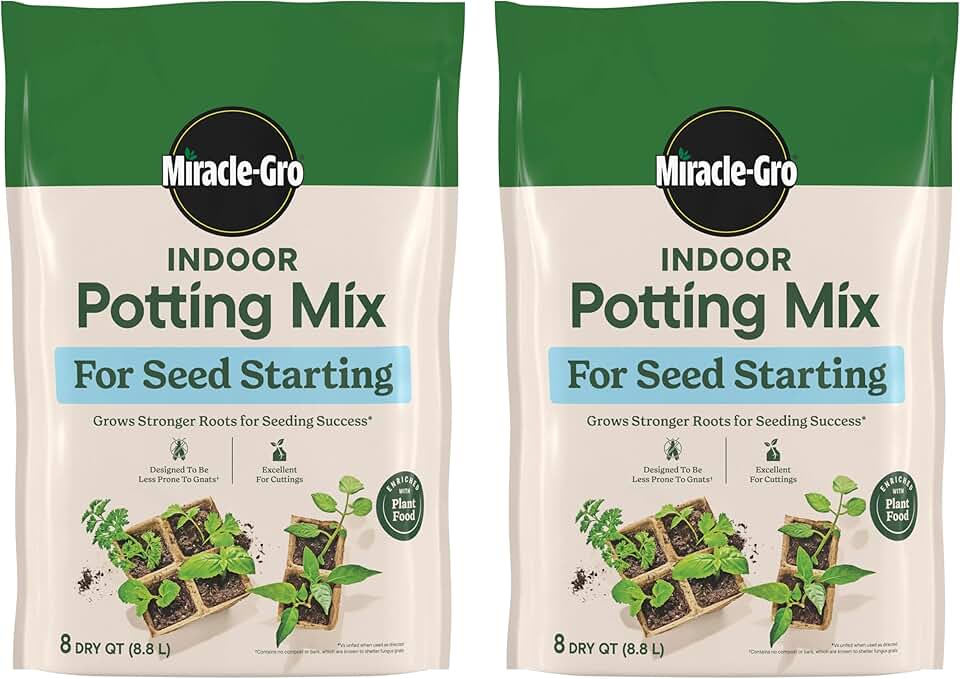
Specially formulated potting mix for seed starting · Provides excellent aeration and drainage · Ideal for starting vegetable, flower, and herb seeds indoors
This mix offers optimal conditions for germinating seeds and nurturing young plants, supporting their transition to drier garden environments.
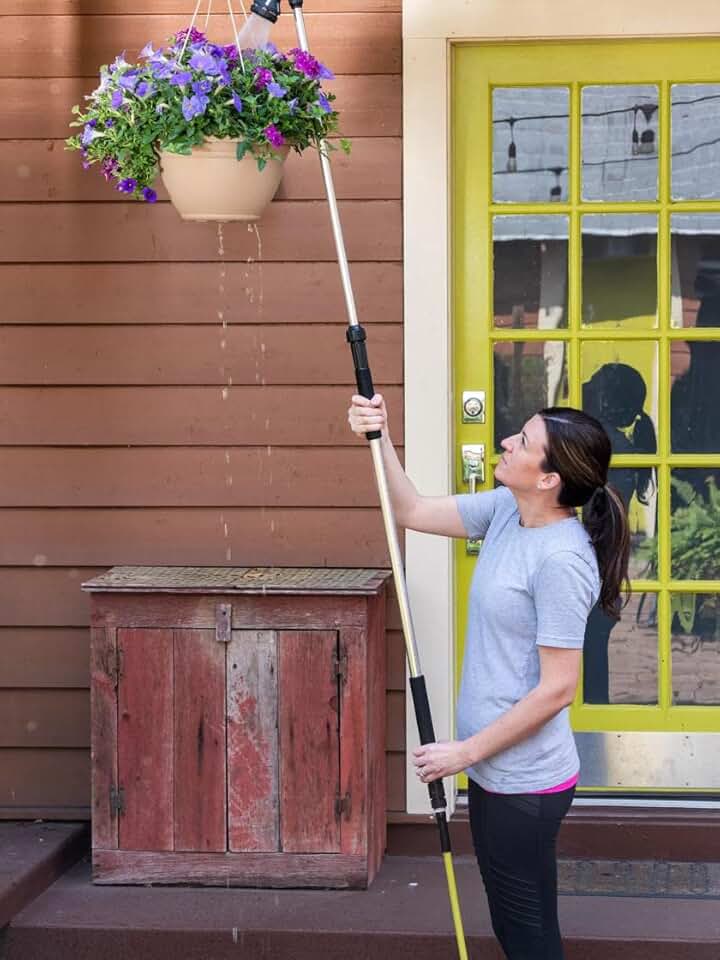
Telescoping wand extends up to 6 feet · Features 8 spray patterns for versatile watering · Designed for reaching difficult-to-water areas
This watering wand allows for precise and efficient watering of your drought-resistant perennials, even in hard-to-reach spots, minimizing water waste.
As an Amazon Associate I earn from qualifying purchases. Prices may vary.
Getting plants established
Even the most drought-tolerant perennials need a good start. Soil preparation is absolutely essential. Amending your soil with organic matter—compost, well-rotted manure, or leaf mold—will dramatically improve its water-holding capacity. This is especially important for sandy or clay soils.
When planting, dig a hole that’s twice as wide as the root ball, but no deeper. Planting too deeply can lead to root rot. Gently loosen the roots before placing the plant in the hole, and backfill with amended soil. Water thoroughly after planting to settle the soil and eliminate air pockets. Consistent watering during the first few weeks is crucial for establishment.
Mulch is non-negotiable. A three-inch layer of wood chips or straw keeps the soil cool and stops the sun from baking the moisture out of the ground. Keep the mulch a few inches away from the plant stems to prevent rot. I use pine straw because it stays put during heavy summer storms and doesn't mat down as much as shredded hardwood.
Watering less
Once established, drought-tolerant perennials require minimal supplemental watering. The goal is to encourage deep root growth, which allows plants to access water deeper in the soil profile. Deep, infrequent watering is far more effective than frequent, shallow watering. Think long soaks, not daily sprinkles.
Soaker hoses and drip irrigation are excellent choices for delivering water directly to the roots, minimizing water waste through evaporation. Avoid overhead watering, which can promote fungal diseases. Monitor your plants for signs of drought stress—wilting leaves, stunted growth—but resist the urge to overwater. Yellowing leaves can also be a sign of overwatering, so it's important to check the soil moisture.
A simple test to determine if your plants need water is to stick your finger a few inches into the soil. If it feels dry to the touch, it’s time to water. Remember that even drought-tolerant plants may need occasional supplemental watering during prolonged dry spells, especially in their first year or two.
Mixing textures and colors
Creating a visually appealing drought-tolerant garden involves more than just choosing the right plants; it’s about combining them effectively. Consider the interplay of foliage textures and colors. For example, the feathery foliage of Yarrow contrasts beautifully with the bold, rounded leaves of Sedum.
Think about bloom times as well. By selecting plants with staggered bloom periods, you can ensure continuous color throughout the growing season. Combining perennials with ornamental grasses adds movement and texture to the garden. Feather Reed Grass (Calamagrostis x acutiflora "Karl Foerster") pairs well with many drought-tolerant perennials, providing a vertical accent.
Don’t be afraid to experiment with different plant combinations. A simple formula to start with is to combine a taller plant with a mounding plant and a groundcover. For example, Russian Sage, Coneflower, and Creeping Thyme create a lovely and drought-tolerant combination.
No comments yet. Be the first to share your thoughts!