

Defining 'Shade' for Perennials
When choosing plants for shady spots, it's important to understand the different types of shade. Full shade, partial shade, and dappled shade all affect plants differently.
Full shade receives less than three hours of direct sun daily. Partial shade gets three to six hours, often morning sun followed by afternoon shade. Dappled shade, filtered through trees, provides light throughout the day. Most 'shade-tolerant' plants need some light; they won't thrive in total darkness.
To assess your garden's light, observe the sun's path throughout the day. Note consistently shaded areas and their duration. While sun calculator apps offer precision, a week of casual observation provides a good estimate. Shade gardens typically have cooler temperatures and moist soil, influencing perennial choices.
The source of shade also matters. Deciduous trees offer more sun in winter once leaves fall, while evergreens provide consistent shade year-round. This difference affects plant selection; consider plants that can handle both shade and some sun.
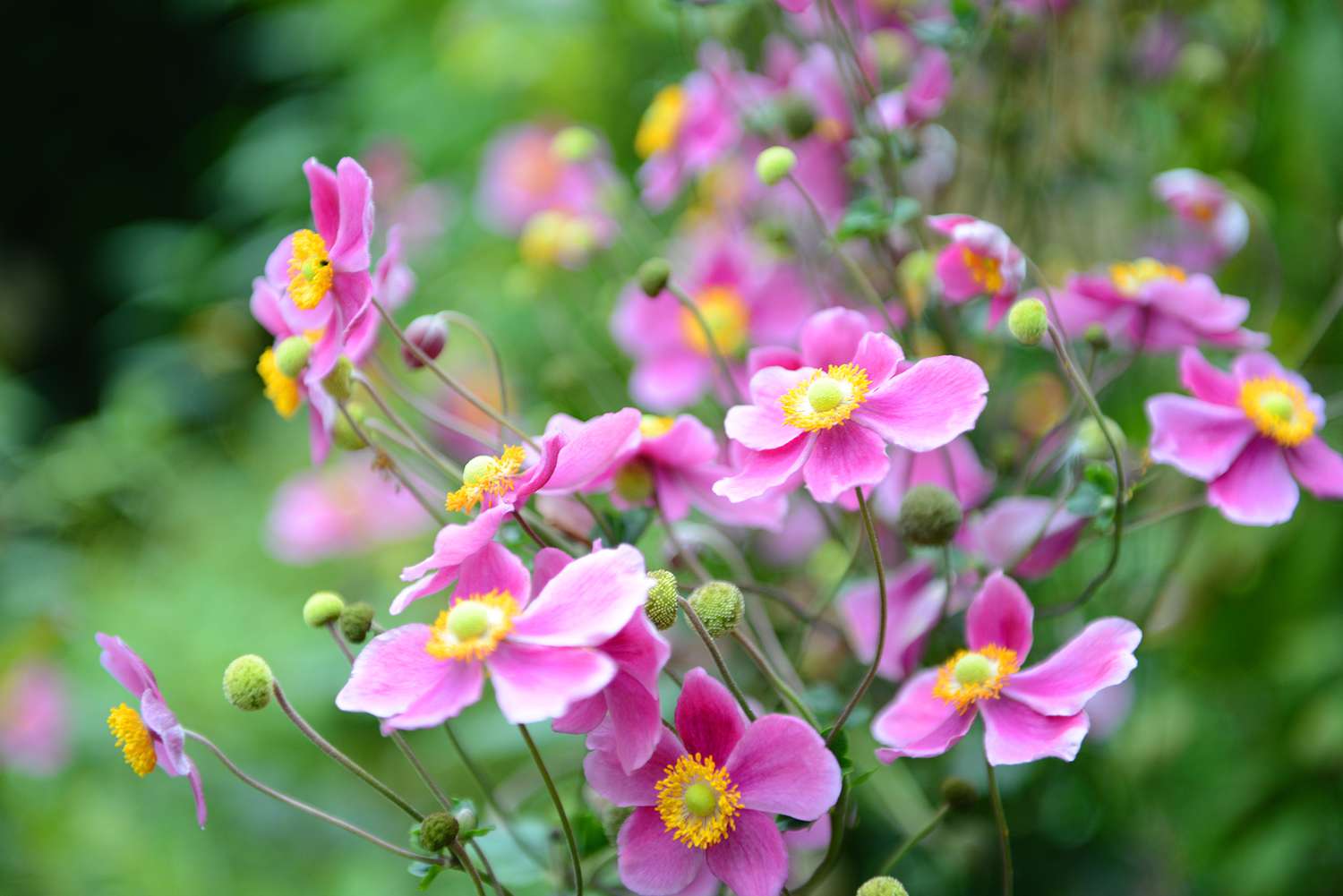
12 Long-Blooming Shade Perennials
Finding perennials that bloom continuously in shady spots is achievable. These 12 options are known for their extended flowering periods and ability to thrive with limited sunlight. Details on bloom time, height, spread, and shade preferences are included to help you choose the right plants.
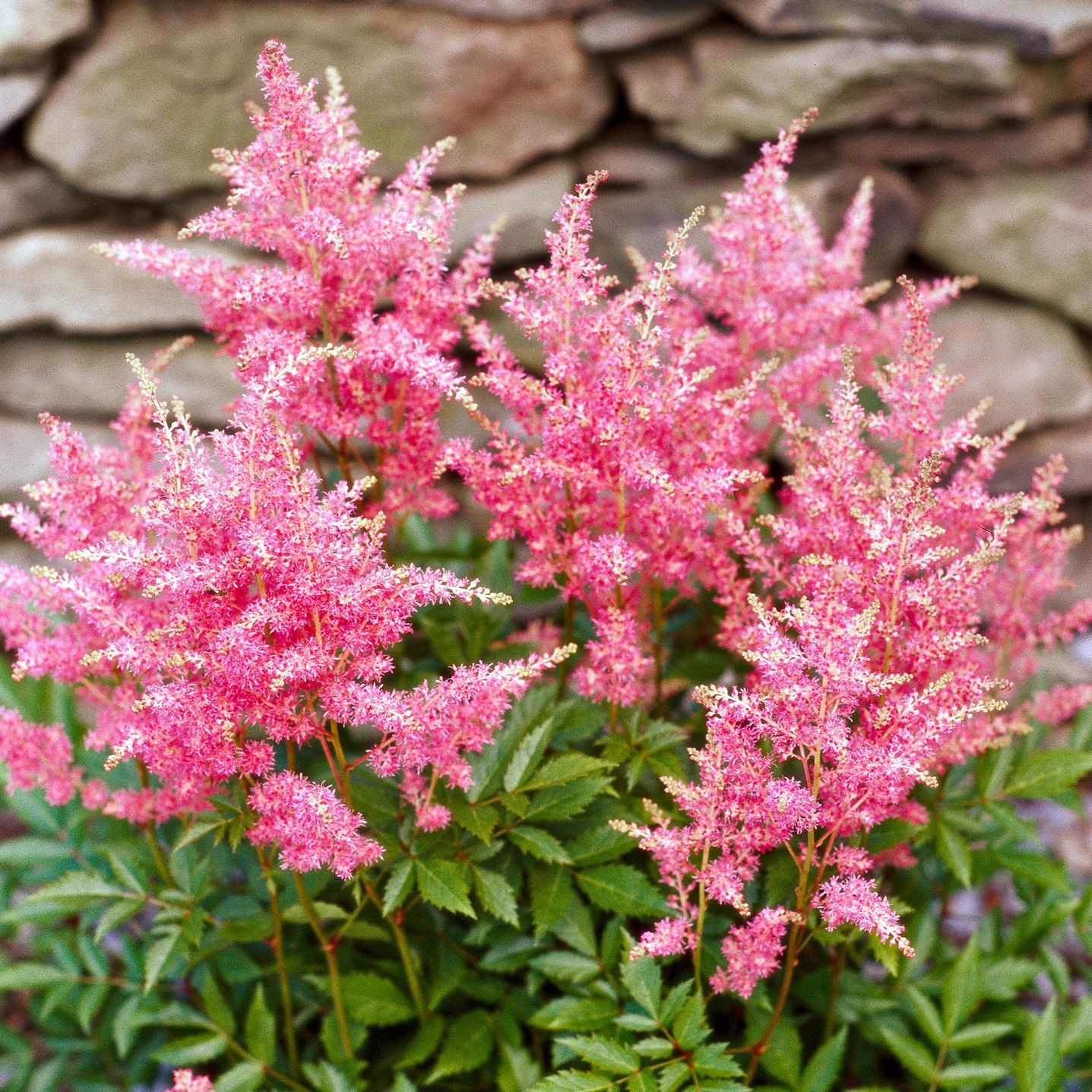
Astilbe ( Astilbe spp.) blooms from mid-summer to fall, reaching 1-4 feet tall and wide. It prefers partial to full shade and offers feathery plumes in shades of pink, red, white, and lavender. Bleeding Heart (Dicentra spectabilis) flowers in spring, growing 1-3 feet tall and wide. It thrives in partial to full shade and boasts heart-shaped blooms in pink or white.
Foamflower (Tiarella cordifolia) blooms in spring to early summer, reaching 6-12 inches tall and wide, preferring partial to full shade. Its delicate, foamy flower spikes add texture to the shade garden. Hosta (Hosta spp.) – many varieties bloom in mid-summer, ranging in size from 6 inches to several feet tall and wide. While known for foliage, some hosta varieties produce lovely lavender or white flowers. Partial to full shade is best.
Lungwort (Pulmonaria spp.) blooms in spring, growing 6-12 inches tall and wide. It prefers partial to full shade and features spotted leaves and blue, pink, or purple flowers. Coral Bells (Heuchera spp.) offer colorful foliage and delicate flower spikes from late spring to early summer, growing 6-18 inches tall and wide. They thrive in partial to full shade.
Japanese Painted Fern (Athyrium niponicum 'Pictum') doesn’t flower, but its silvery-purple fronds add stunning texture to shade gardens, reaching 1-2 feet tall and wide. It prefers partial to full shade. Brunnera (Brunnera macrophylla) blooms in spring with forget-me-not-like flowers, growing 12-18 inches tall and wide. It prefers partial to full shade.
Turtlehead (Chelone lyonii) blooms in late summer to fall, reaching 2-4 feet tall and wide. It prefers partial shade and produces unique, turtle-head-shaped flowers in pink or white. Wild Ginger (Asarum canadense) offers attractive heart-shaped foliage and subtly fragrant flowers in spring, growing 6-12 inches tall and wide. It prefers full shade.
Bishop’s Lace (Chaerophyllum temulum) blooms in summer with delicate, lacy white flower umbels, reaching 2-4 feet tall and wide. It prefers partial shade. Columbine (Aquilegia spp.) blooms in spring to early summer, growing 1-3 feet tall and wide. It prefers partial shade and offers spurred flowers in a variety of colors.
Consider the overall effect: a mix of flower shapes, colors, and foliage textures creates a dynamic shade garden. Experiment to find what works best in your conditions. Always check plant tags for specific light and soil requirements before planting.
Astilbe & Bleeding Heart: The Classics
Astilbe and Bleeding Heart are popular choices for shady spots due to their reliable blooms and classic appeal. Both offer a variety of cultivars with different colors, bloom times, and sizes.
Astilbe comes in white, red, lavender, and peach plumes, with bloom times varying from early to late summer. Consider "Visions’ and ‘Sprite" series for compact options. Fringed Bleeding Hearts (Dicentra formosa) offer more delicate, fern-like foliage and smaller, numerous blooms.
Both plants can attract slugs and snails. Organic slug pellets and encouraging natural predators like birds and toads can help manage them. Consistent moisture is important, but avoid soggy soil to prevent root rot. Deadheading Astilbe encourages continued blooming.
Foliage Focus: Beyond the Bloom
While flowers are appealing, foliage is key to a successful shade garden. To avoid an overwhelmingly green space, incorporate plants with varied textures and colors. Heuchera (Coral Bells) offer a wide range of leaf colors, from chartreuse and lime green to deep burgundy and black.
Hosta is another foliage standout, available with variegated leaves, blue-gray tones, and golden edges. Consider leaf size and shape, from small and delicate to large and bold. The Japanese Painted Fern (Athyrium niponicum 'Pictum') adds a silvery-purple hue.
Pairing foliage plants with flowering perennials creates a layered, dynamic effect. For instance, dark Heuchera foliage contrasts with delicate white Tiarella flowers. Some hosta varieties also offer fall color in shades of gold or orange, extending the garden's appeal.
Comparing Popular Shade-Tolerant Perennials
| Plant | Foliage Color Range | Texture | Height | Spread | Light Requirements |
|---|---|---|---|---|---|
| Heuchera (Coral Bells) | Purple, burgundy, chartreuse, silver, green, and variegated options | Medium | 6-18 inches | 8-24 inches | Partial to full shade |
| Hosta | Green, blue-green, gold, variegated | Coarse to medium | 6 inches - 4 feet | 1-6 feet | Partial to full shade |
| Japanese Painted Fern | Silver, burgundy, and green | Fine | 1-2 feet | 1-2 feet | Partial to full shade |
| Astilbe | White, pink, red, purple | Medium | 1-4 feet | 1-2 feet | Partial to full shade |
| Lungwort (Pulmonaria) | Green with silver spots, variegated | Medium | 6-12 inches | 9-18 inches | Partial to full shade |
| Foamflower (Tiarella cordifolia) | Green, burgundy, and variegated | Medium | 6-12 inches | 12-18 inches | Partial to full shade |
| Bleeding Heart (Dicentra spectabilis) | Green | Medium | 1-3 feet | 1-2 feet | Partial to full shade |
Illustrative comparison based on the article research brief. Verify current pricing, limits, and product details in the official docs before relying on it.
Soil, Water, and Feeding: Shade Garden Essentials
Shade gardens require specific soil and nutrient care. Soil there is often cooler and retains moisture longer, but can also compact. Amending with organic matter like compost, well-rotted manure, or leaf mold improves drainage and provides nutrients.
Watering shade gardens differs from sunny ones. Shade plants need less water overall, but consistent moisture is still vital, especially during dry spells. Check soil moisture and water deeply when the top inch feels dry. Mulch helps retain moisture and suppress weeds.
For feeding, slow-release fertilizers suit shade perennials. Avoid high-nitrogen types, which encourage foliage over flowers. A balanced fertilizer for flowering plants, applied in spring, provides necessary nutrients. Bone meal also aids root development and flowering.
Dealing with Common Shade Garden Problems
Even well-planned shade gardens face problems. Slugs and snails are common, especially in moist conditions. Organic controls like copper tape, diatomaceous earth, and beer traps are effective. Encouraging natural predators such as birds and toads also helps.
Powdery mildew, a fungal disease, can affect hosta and other shade perennials. Good air circulation and avoiding overhead watering help prevent it. Remove affected leaves if it appears. Choosing mildew-resistant varieties is also wise. Tree root competition is another potential issue.
When planting near trees, avoid damaging roots. Amend soil generously to provide nutrients and improve drainage. Choose perennials less susceptible to root competition; Astilbe and Hosta are generally more tolerant.
Design Ideas for Layered Shade Gardens
undefined at the back, such as Astilbe or Turtlehead, and gradually work your way down to shorter plants at the front, like Lungwort or Heuchera. Consider the bloom times of different plants to ensure a succession of color throughout the season.
Texture is just as important as color. Combine plants with different leaf shapes and sizes to create a dynamic effect. For example, the bold leaves of a Hosta can contrast beautifully with the delicate fronds of a Japanese Painted Fern. Companion planting can also enhance the garden's appeal. Consider adding ferns or groundcovers to fill in gaps and suppress weeds.
Evergreens, like small rhododendrons or Japanese yew, can provide year-round structure and create a backdrop for seasonal blooms. Incorporating hardscaping elements, such as stones, pathways, or a small water feature, can also add interest. A winding path through a shade garden can create a sense of mystery and encourage exploration. Remember to consider the overall aesthetic and create a space that is both beautiful and inviting.
No comments yet. Be the first to share your thoughts!