
The case for native plants
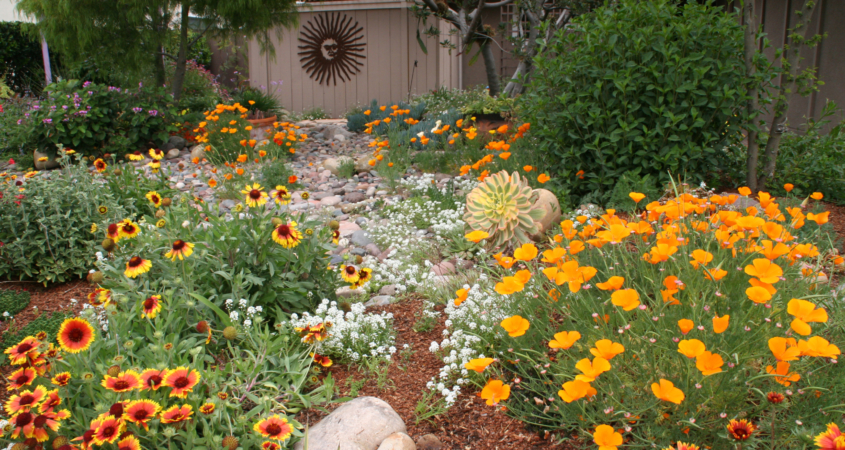
We’re facing a concerning decline in biodiversity, and our gardens can be part of the solution. For too long, gardening has focused on aesthetics over ecological function, often prioritizing non-native plants. But the truth is, the plants that evolved alongside local insects, birds, and other wildlife are the ones best equipped to support them. Choosing native perennial plants isn't just about having a pretty garden, it's about taking responsibility for the health of our local ecosystems.
Perennial plants, by their nature, return year after year, establishing long-term, stable habitats. They form the foundation of complex food webs, providing sustenance for a wide range of creatures. Native perennials are especially important because local insects have co-evolved with them; they’ve learned to recognize and utilize these plants as food sources and breeding grounds. Non-native plants often lack these crucial relationships.
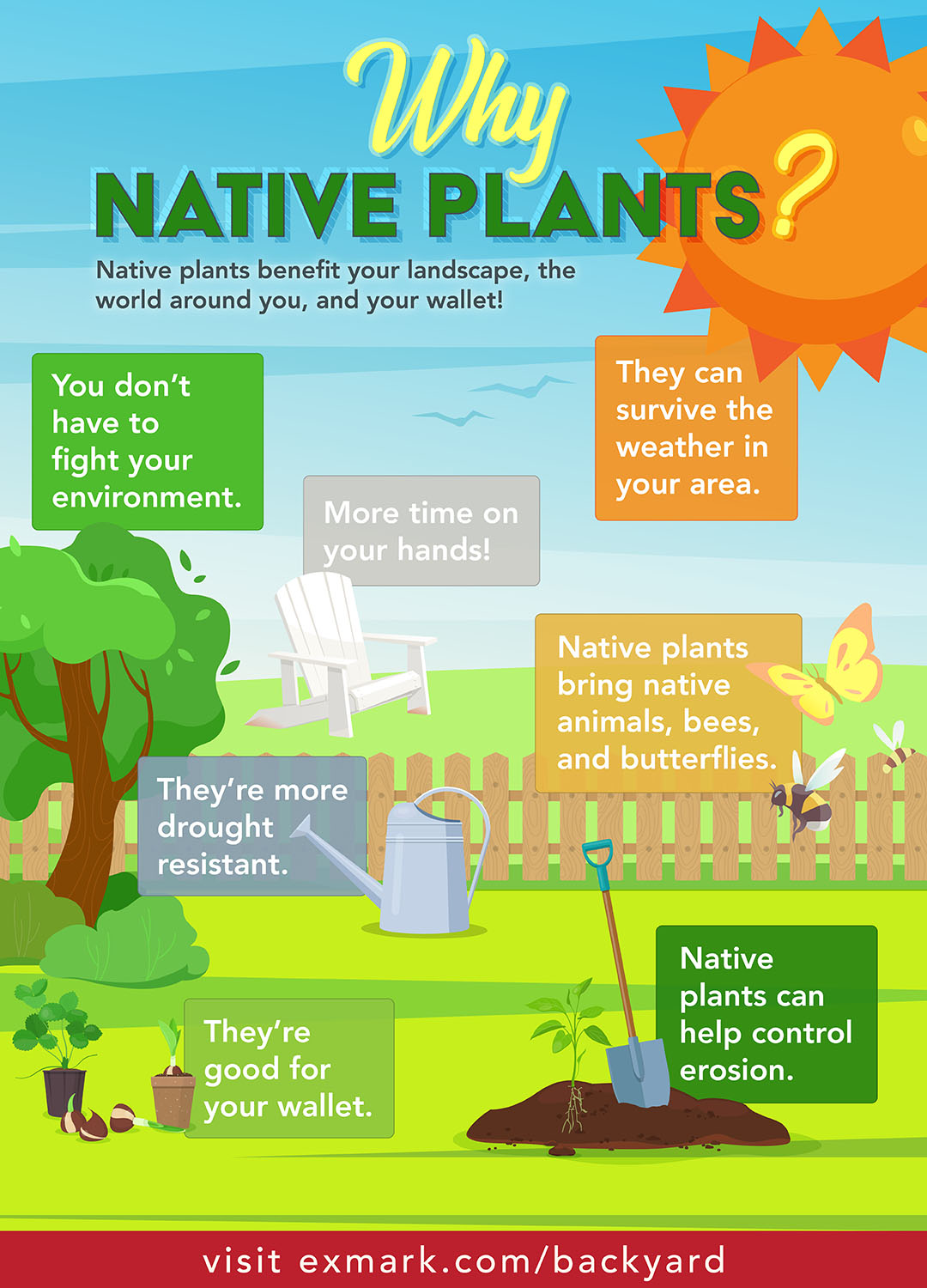
Think about monarch butterflies and milkweed. Monarchs require milkweed to lay their eggs, and without it, their populations plummet. That's a dramatic example, but it illustrates the principle. Every native plant supports a network of life. Beyond the ecological benefits, native perennials often require less maintenance than their non-native counterparts once established. They’re adapted to the local climate and soil conditions, meaning less watering, fertilizing, and pest control.
I’ve seen firsthand how a garden filled with native plants transforms into a buzzing hub of activity. It’s incredibly rewarding to know you’re providing a haven for wildlife while also enjoying a beautiful landscape. It’s a shift in perspective, moving from a garden that looks natural to one that is natural, and actively contributes to a healthier environment.
Native perennials by region
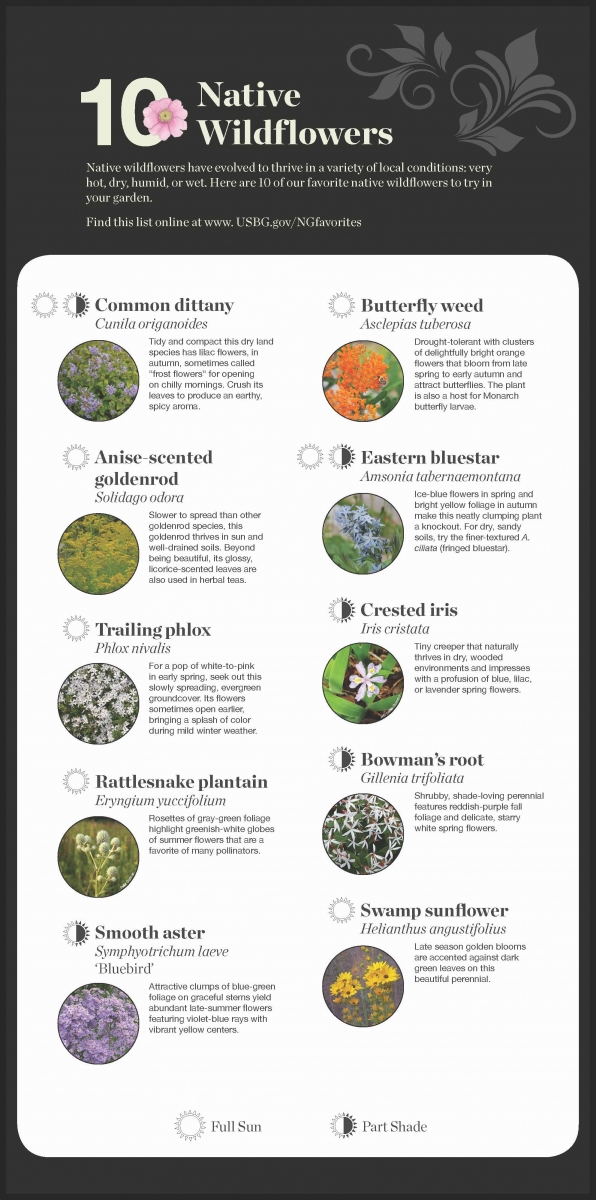
The United States boasts incredible plant diversity, and the best native perennials for your garden will depend heavily on your region. Here’s a look at some standout choices, broken down by broad zones. I’m drawing on resources from the USDA NRCS Native Plant Guide and state DNR websites, alongside availability information from nurseries like Direct Native Plants.
Northeast: For shadier spots, consider Wild Ginger (Asarum canadense), reaching 6-12 inches tall with delicate heart-shaped leaves. Bloom time is spring. It prefers moist, well-drained soil. For sunny areas, New England Aster (Symphyotrichum novae-angliae) is a showstopper, growing 3-6 feet tall and blooming in late summer/fall. It thrives in full sun and adaptable to various soil types. Blue Flag Iris (Iris versicolor) adds beautiful purple hues, 2-4 feet tall, blooming in spring and needing moist conditions. Black-Eyed Susan (Rudbeckia hirta) is a classic, 1-3 feet tall, blooming summer to fall in full sun. Lastly, Foamflower (Tiarella cordifolia) is a lovely groundcover, 6-12 inches tall, with feathery white flowers.
Southeast: Coneflowers (Echinacea purpurea) are adaptable and beautiful, reaching 2-5 feet tall, blooming summer to fall in full sun. Butterfly Weed (Asclepias tuberosa) is a crucial host plant for monarchs, growing 1-2 feet tall and flowering in summer. Swamp Sunflower (Helianthus angustifolius) provides late-season blooms and attracts pollinators, reaching 3-8 feet tall. Coral Honeysuckle (Lonicera sempervirens) is a vining perennial with vibrant red flowers. Cardinal Flower (Lobelia cardinalis) is a hummingbird magnet, preferring moist soil and partial shade.
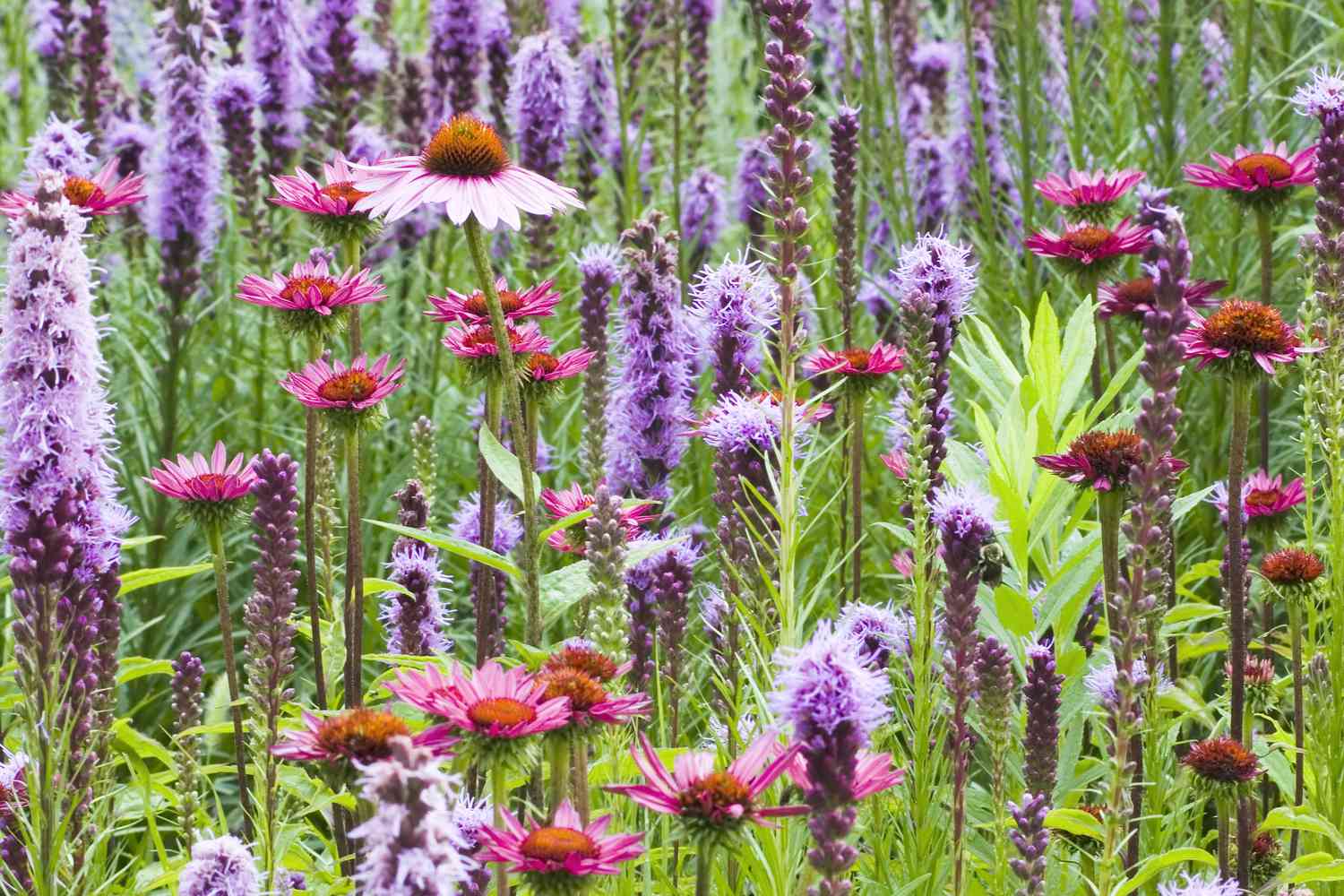
Midwest: Prairie Blazing Star (Liatris pycnostachya) is a striking vertical accent, 2-5 feet tall, blooming in late summer. Little Bluestem (Schizachyrium scoparium) is a beautiful native grass that provides winter interest. Wild Lupine (Lupinus perennis) is a favorite of pollinators, growing 1-3 feet tall. Ohio Spiderwort (Tradescantia ohiensis) offers unique blue flowers and spreads readily. Goldenrod (Solidago spp.) is often unfairly blamed for allergies, but it’s a crucial late-season food source for insects.
Southwest: Desert Marigold (Baileya multiradiata) thrives in dry conditions and blooms for a long period. Penstemon (Penstemon spp.) comes in a variety of colors and attracts hummingbirds. Mexican Hat (Ratibida columnifera) adds a unique architectural element to the garden. California Poppy (Eschscholzia californica) is a cheerful annual that readily self-seeds. Yarrow (Achillea millefolium) is drought-tolerant and attracts beneficial insects.
West Coast: California Fuchsia (Epilobium canum) is a hummingbird magnet, blooming late into the fall. Douglas Iris (Iris douglasiana) offers stunning blooms in a variety of colors. Yarrow (Achillea millefolium) is a versatile and drought-tolerant choice. Lupine (Lupinus spp.) is a beautiful addition to any garden, providing nitrogen to the soil. Manzanita (Arctostaphylos spp.) is an evergreen shrub with beautiful bark and flowers.
Pacific Northwest: Oregon Grape (Mahonia aquifolium) is an evergreen shrub with edible berries and beautiful flowers. Salal (Gaultheria shallon) is a common understory plant that provides habitat for wildlife. Sword Fern (Polystichum munitum) is a classic Pacific Northwest fern. Western Trillium (Trillium ovatum) is a beautiful spring ephemeral. Red Flowering Currant (Ribes sanguineum) attracts hummingbirds and provides early-season blooms.
Native Perennial Plants by Region
| Region | Plant Name | Bloom Time | Sun Exposure | Soil Preference | Water Needs |
|---|---|---|---|---|---|
| Northeast | New England Aster ( *Symphyotrichum novae-angliae*) | August - October | Full Sun | Well-drained, average soil | Medium |
| Northeast | Black-Eyed Susan (*Rudbeckia hirta*) | June - October | Full Sun | Adaptable, prefers well-drained | Medium |
| Northeast | Wild Bergamot (*Monarda fistulosa*) | July - September | Full Sun to Partial Shade | Well-drained | Medium |
| Southeast | Purple Coneflower (*Echinacea purpurea*) | June - August | Full Sun | Well-drained | Medium |
| Southeast | Bee Balm (*Monarda spp.*) | Summer | Full Sun to Partial Shade | Moist, well-drained | Medium to High |
| Southeast | Blue Flag Iris (*Iris virginica*) | May - June | Full Sun to Partial Shade | Wet, boggy soil | High |
| Midwest | Butterfly Weed (*Asclepias tuberosa*) | June - September | Full Sun | Well-drained, dry to medium | Low |
| Midwest | Prairie Blazing Star (*Liatris pycnostachya*) | July - September | Full Sun | Well-drained | Medium |
| Midwest | Goldenrod (*Solidago spp.*) | August - October | Full Sun | Adaptable, prefers well-drained | Medium |
| Southwest | Desert Marigold (*Baileya multiradiata*) | Spring - Fall | Full Sun | Well-drained, sandy | Low |
| Southwest | Penstemon (*Penstemon spp.*) | Spring - Summer | Full Sun | Well-drained | Low to Medium |
| Southwest | Chocolate Flower (*Berlandiera lyrata*) | Spring - Fall | Full Sun | Well-drained | Low |
| Pacific Northwest | Oregon Grape (*Mahonia aquifolium*) | Spring | Full Sun to Full Shade | Well-drained, acidic | Low to Medium |
| Pacific Northwest | Yarrow (*Achillea millefolium*) | Summer | Full Sun | Well-drained | Low |
| Pacific Northwest | Camassia (*Camassia quamash*) | Spring | Full Sun to Partial Shade | Moist to Wet | Medium |
Illustrative comparison based on the article research brief. Verify current pricing, limits, and product details in the official docs before relying on it.
Soil and site needs
Before you start planting, understanding your soil and site conditions is key. A simple soil test can reveal a lot about your soil’s pH, nutrient levels, and texture. You can purchase a home test kit or send a sample to a local agricultural extension office for more detailed analysis. Knowing your soil type – whether it’s sandy, silty, clayey, or loamy – will help you choose plants that will thrive.
Most native perennials prefer well-drained soil. Clay soils tend to retain too much water, while sandy soils drain too quickly. Amending your soil with compost is almost always a good idea. Compost improves drainage in clay soils, increases water retention in sandy soils, and adds essential nutrients. The Illinois DNR recommends incorporating several inches of compost into your garden bed before planting.
Consider the amount of sunlight your garden receives. Plants are generally categorized as full sun (6+ hours of direct sunlight), partial shade (3-6 hours), or full shade (less than 3 hours). Pay attention to microclimates within your garden – areas that are sheltered from the wind or receive reflected sunlight. Drainage is also critical. If you have a poorly drained area, consider creating a rain garden or amending the soil with organic matter to improve drainage.
I often recommend observing your garden throughout the day to get a feel for how the sunlight patterns change. This will help you choose the right plants for each location. Don't be afraid to experiment, but always prioritize plants that are adapted to your local climate and soil conditions.
- Run a soil test to check pH and nutrients.
- Mix in compost to help with drainage or water retention.
- Sunlight Assessment: Identify areas of full sun, partial shade, and full shade.
- Drainage Evaluation: Address poorly drained areas.
Planting and establishment
Planting native perennials is similar to planting any other perennial, but there are a few key considerations. Spacing is important; check the plant tag for recommended spacing guidelines. Overcrowding can lead to competition for resources, while planting too far apart can leave bare spots. Dig a hole that’s slightly wider than the root ball and just as deep.
When planting bare-root perennials, soak the roots in water for a few hours before planting. When planting potted perennials, gently loosen the roots before placing the plant in the hole. Backfill the hole with soil, gently firming around the roots. Water thoroughly after planting. Mulching with 2-3 inches of organic mulch (such as wood chips or shredded bark) helps retain moisture, suppress weeds, and regulate soil temperature.
"Hardening off" is crucial for plants grown in containers. This process gradually acclimates plants to outdoor conditions. Start by placing the plants in a sheltered location for a few hours each day, gradually increasing the amount of time they spend outdoors over a week or two. This prevents shock and ensures successful establishment.
Watering is especially important during the first few weeks after planting. Keep the soil consistently moist, but not soggy. Once established, most native perennials are drought-tolerant and require minimal supplemental watering. A good rule of thumb is to water deeply but infrequently, encouraging deep root growth.
Long-term maintenance
Once your native perennials are established, maintenance is relatively low. Regular weeding is important, especially during the first few years. Hand-weeding is the most effective method, as it avoids damaging the roots of your perennials. Deadheading (removing spent flowers) can encourage continued blooming, but it’s not always necessary. Many native plants provide valuable seed heads for wildlife, so consider leaving some flowers to go to seed.
Dividing perennials every few years can help rejuvenate them and prevent overcrowding. The best time to divide most perennials is in early spring or fall. Dig up the plant and carefully separate the roots into smaller clumps. Replant the divisions in new locations. Fertilizing is generally not necessary for native perennials. They’re adapted to thrive in average soil conditions. However, if your soil is particularly poor, you can apply a light application of compost in the spring.
Pest and disease problems are generally less common with native plants than with non-native plants. However, it’s still important to monitor your plants for signs of trouble. Organic pest control methods, such as introducing beneficial insects or using insecticidal soap, are preferred. Leaving seed heads provides food for birds and other wildlife throughout the winter.
I’ve found that embracing a slightly "wilder" aesthetic in my native garden actually enhances its beauty. A little bit of messiness is natural and provides valuable habitat for insects and other creatures. The goal isn't a perfectly manicured garden, but a thriving ecosystem.
Design Ideas: Creating a Native Haven
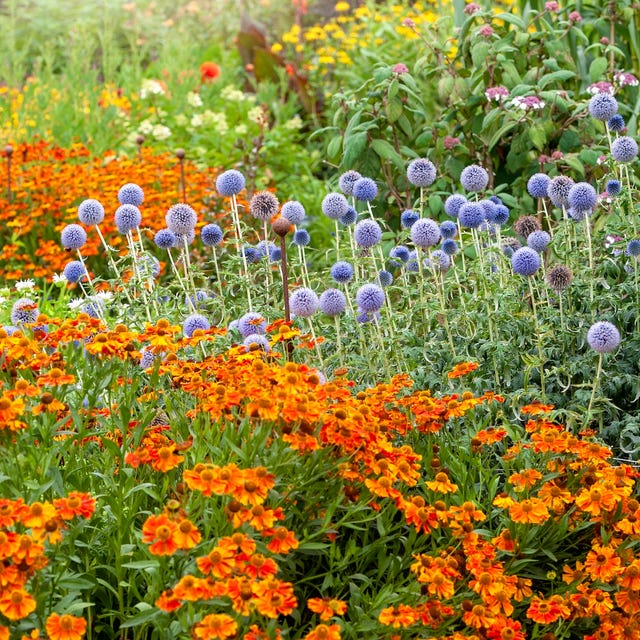
Incorporating native perennials into your garden can be surprisingly versatile. For a cottage garden look, combine a variety of flowering perennials with different heights, textures, and bloom times. Consider including plants like coneflowers, black-eyed Susans, and asters. A meadow garden is a more naturalistic approach, featuring grasses and wildflowers. Prairie blazing star, little bluestem, and goldenrod are excellent choices.
Rain gardens are designed to capture and filter stormwater runoff. Native perennials that thrive in wet conditions, such as blue flag iris, cardinal flower, and swamp sunflower, are ideal for rain gardens. Layering plants is a great way to create visual interest and maximize space. Plant taller plants in the back, medium-sized plants in the middle, and shorter plants in the front.
When choosing plants, consider their bloom times to ensure continuous color throughout the growing season. Also, think about the needs of local wildlife. Including host plants for butterflies and moths is a great way to support pollinators. Milkweed is essential for monarch butterflies, while spicebush is a host plant for swallowtail butterflies.
I like to sketch out my garden design before I start planting. This helps me visualize the layout and ensure that I’m choosing plants that will complement each other. Don’t be afraid to experiment and try new things. The most important thing is to create a garden that you enjoy and that provides habitat for wildlife.
Resources & Further Learning
There’s a wealth of information available to help you. The USDA NRCS website () offers a comprehensive Native Plant Guide. State DNR websites (like the Illinois DNR at ) provide information specific to your region.
Direct Native Plants () is a great resource for purchasing native perennials. American Beauties Native Plants () is another excellent source. Local native plant societies can provide valuable information and connect you with other gardeners in your area. Check online for a society near you.
Several books offer in-depth coverage of native plants. "The American Horticultural Society Plant Propagation Book’ is a comprehensive guide to propagating native plants. ‘Bringing Nature Home" by Doug Tallamy is a compelling read about the importance of native plants for supporting biodiversity.
Continuing to learn and expand your knowledge is an ongoing process. The more you understand about native plants and their ecological roles, the more rewarding your gardening experience will be.
No comments yet. Be the first to share your thoughts!