
The Millennial Garden: Real Life, Real Plants
Many millennials juggle careers, side hustles, social lives, and family. Free time is limited, making a perfectly manicured garden feel unrealistic. Perennials, plants that return year after year, offer a way to garden without the annual effort of replanting. This approach is both smarter and more sustainable.
Perennials provide a good return on investment for both time and money. A single planting can yield years of blooms and beauty, unlike annuals that require seasonal replacement. Advances in plant breeding are continuously introducing more resilient and low-maintenance options.
The goal is not perfection, but a beautiful outdoor space that fits your life. A garden should bring joy, not add another chore. This guide focuses on plants that tolerate neglect, thrive with minimal fuss, and still offer a gorgeous display.
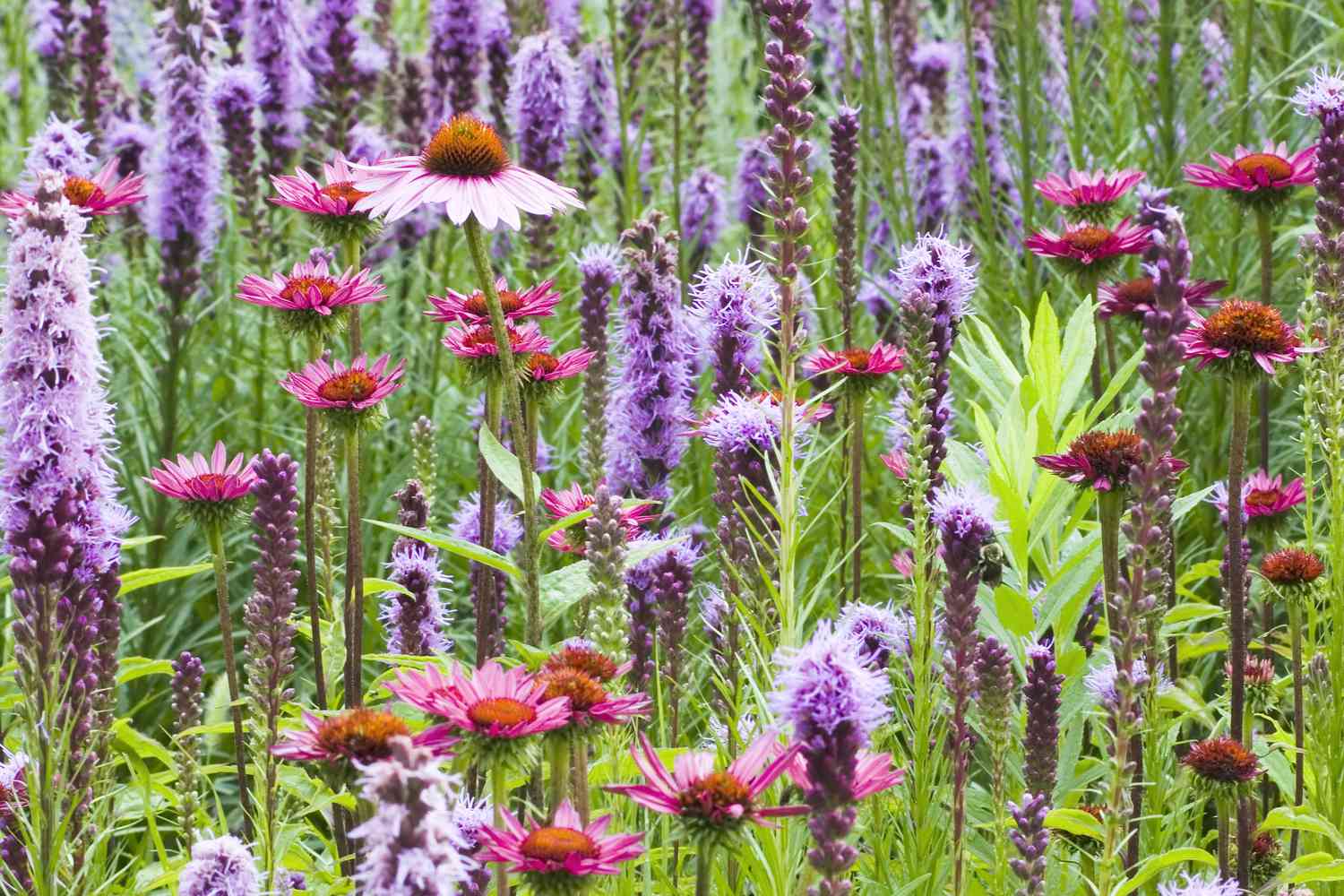
12 Perennials That Practically Thrive on Neglect
Here are plants that genuinely require very little intervention to flourish. Details on sun/shade needs and a general hardiness zone range are included. Always double-check for your specific location using the USDA Plant Hardiness Zone Map.
Coneflower (Echinacea): These daisy-like flowers come in a range of colors, from the classic purple to vibrant oranges and yellows. They’re incredibly drought-tolerant, attract pollinators like crazy, and are happy in full sun (zones 3-9). Coneflowers are low maintenance because they’re naturally pest-resistant and self-seed readily, meaning new plants will pop up without any effort on your part.
Black-Eyed Susan (Rudbeckia): Another sunny favorite, Black-Eyed Susans bring a cheerful splash of gold to the garden. They’re adaptable to different soil types, tolerate drought, and bloom for a long period (zones 3-9). They also self-seed, keeping the show going year after year.
Daylily (Hemerocallis): Don’t let the name fool you, while each flower lasts only a day, daylilies produce a succession of blooms over several weeks. They're incredibly adaptable, coming in a huge range of colors and sizes, and thrive in full sun to partial shade (zones 3-9). They are very forgiving plants and don't require a lot of attention.
Sedum (Stonecrop): These succulent-like perennials are incredibly drought-tolerant and come in a variety of forms, from low-growing groundcovers to taller, upright varieties. They prefer full sun and well-drained soil (zones 3-10). Sedums are virtually pest-free and require minimal watering.
Russian Sage (Perovskia atriplicifolia): This plant offers a beautiful silvery foliage and lavender-blue flowers. It’s incredibly drought-tolerant, deer-resistant, and thrives in full sun (zones 4-8). Russian Sage is quite tough and doesn't need much pruning.
Yarrow (Achillea millefolium): Yarrow boasts flat-topped clusters of flowers in shades of yellow, white, pink, and red. It’s drought-tolerant, attracts beneficial insects, and prefers full sun (zones 3-8). It spreads readily, but isn’t overly aggressive.
Coreopsis: These bright, daisy-like flowers bloom for a long period and come in shades of yellow, orange, and red. They're drought-tolerant, attract butterflies, and prefer full sun (zones 5-9). Many varieties are self-cleaning, meaning you don't need to deadhead them.
Bee Balm (Monarda): This plant attracts bees and hummingbirds with its unique, shaggy flowers. It prefers full sun to partial shade and moist, well-drained soil (zones 4-9). While it can be susceptible to powdery mildew, newer cultivars have improved resistance.
Hosta (for shade): If you have shady areas, hostas are a must-have. They come in a huge variety of sizes, shapes, and colors. They prefer moist, well-drained soil and partial to full shade (zones 3-8). While slugs can be a problem, there are organic solutions available.
Coral Bells (Heuchera): Another excellent choice for shade, coral bells offer beautiful foliage in shades of purple, green, bronze, and silver. They prefer moist, well-drained soil and partial to full shade (zones 4-9). They’re relatively pest-free and require minimal maintenance.
Lavender (Lavandula): Known for its fragrant flowers and silvery foliage, lavender thrives in full sun and well-drained soil (zones 5-9). It’s drought-tolerant and attracts pollinators. Pruning after flowering helps maintain its shape.
Soil Prep: The One Thing Worth Doing Well
I get it—you don’t want to spend your weekend digging. But a little soil preparation upfront will save you a lot of headaches down the road. The goal isn’t to create perfect garden beds; it’s to ensure good drainage and provide your plants with a decent foundation.
A simple squeeze test can tell you a lot about your soil. Grab a handful of moist soil and squeeze it. If it falls apart easily, you have sandy soil. If it forms a ball that crumbles with a little pressure, you have loamy soil (ideal!). If it stays stuck together in a dense ball, you have clay soil. Clay soil needs amending with compost to improve drainage.
Adding a 2-3 inch layer of compost is the single best thing you can do for your perennials. It improves drainage, adds nutrients, and helps retain moisture. You can buy bagged compost or make your own. Soil testing is helpful, but not essential. If you're unsure, compost is almost always a good idea.
Watering: Less is Often More
Many people overwater their perennials. Remember, these plants are generally drought-tolerant once established. The key is to water deeply and infrequently, encouraging deep root growth. This makes them more resilient to dry spells.
Stick your finger about an inch into the soil. If it feels dry, it’s time to water. If it’s still moist, hold off. Soaker hoses or drip irrigation are excellent low-effort options, delivering water directly to the roots. Mulching around your plants also helps retain moisture and suppress weeds.
Deadheading & Division: When to Intervene
Deadheading – removing spent flowers – encourages more blooms, but it’s not always necessary. For some plants, like coneflowers, leaving the seed heads provides winter interest and food for birds. For others, deadheading can prevent self-seeding if you want to control their spread.
Plant division is done to rejuvenate older plants or propagate new ones. It's best done in early spring or fall. Dig up the plant, and gently separate the roots into smaller clumps. Replant them, and keep them well-watered. It's not something you need to do every year; typically every 3-5 years is sufficient. Some plants, like coneflowers, self-seed, meaning you’ll get new plants without any division.
Troubleshooting: Common Issues & Quick Fixes
Even low-maintenance plants can encounter problems. Aphids are common pests, but often a strong blast of water from the hose is enough to dislodge them. For heavier infestations, insecticidal soap is a good organic option. Japanese beetles can be hand-picked (it’s a bit tedious, but effective).
Powdery mildew, a white fungal coating on leaves, can be a problem in humid conditions. Ensure good air circulation by spacing plants properly. Removing affected leaves can also help. Neem oil is an organic fungicide that can be used preventatively. Don’t panic if you see some pest damage; a few nibbled leaves won't ruin the plant.
Remember, a healthy plant is a resilient plant. Healthy soil, adequate sunlight, and proper watering are the best defenses against pests and diseases. Don’t immediately reach for chemicals; start with the simplest, most natural solutions first.
Standout Performers: Plants I Keep Coming Back To
If I had to pick just a few, I’d say "Magnus’ Purple Coneflower is a winner. I"ve had the same plants for eight years, and they just keep going, attracting butterflies and adding a pop of color. They're incredibly reliable.
I also love "Moonbeam’ Coreopsis. The pale yellow flowers bloom for months, and it"s incredibly drought-tolerant. It's a workhorse in the garden. Finally, Lavender 'Munstead' is a must-have for its fragrance and beautiful purple flowers. It thrives with very little attention.
Resources for Further Exploration
For more in-depth information on perennial care, check out the Penn State Extension website (). You can also find helpful information and plant suggestions from reputable online nurseries. Don’t forget to consult the USDA Plant Hardiness Zone Map () to ensure you’re choosing plants that will thrive in your area.
Easy Perennial Choices
- Daylilies (Hemerocallis) - Known for incredible variety and adaptability, daylilies thrive with minimal care once established. They tolerate a wide range of soil conditions and are relatively drought-tolerant.
- Coneflowers (Echinacea) - These daisy-like perennials are magnets for pollinators and offer long-lasting blooms. They prefer full sun and well-drained soil, but are quite resilient.
- Black-Eyed Susans (Rudbeckia hirta) - Cheerful and bright, Black-Eyed Susans self-seed readily, providing years of color with little effort. They are adaptable to various soil types and full sun.
- Sedum (Stonecrop) - Particularly the taller varieties like ‘Autumn Joy’, Sedum are succulents that store water in their leaves, making them exceptionally drought-tolerant. They provide late-season interest with their rosy-bronze flower heads.
- Russian Sage (Perovskia atriplicifolia) - This aromatic shrubby perennial offers silvery foliage and lavender-blue flowers. It's extremely drought-tolerant and deer-resistant, thriving in full sun and well-drained soil.
- Coral Bells (Heuchera) - Grown primarily for their foliage, Coral Bells come in a stunning array of colors. They prefer partial shade and consistently moist soil, but are generally low-maintenance once established.
- Yarrow (Achillea millefolium) - Yarrow is a tough and adaptable perennial that thrives in full sun and well-drained soil. It offers flat-topped flower clusters in various colors and is attractive to beneficial insects.
No comments yet. Be the first to share your thoughts!