

Gardening for a hotter 2026
Gardening is shifting. We’re seeing more extreme weather events – prolonged droughts, intense heat waves, and unpredictable rainfall – and that means the perennials that thrived in the past aren’t always guaranteed to flourish now. It's not just about the traditionally "hot" climates anymore; gardeners everywhere are facing conditions that push the limits of what many common plants can handle.
The need for climate resilient perennials is growing, and it’s a topic I’ve been following closely. It’s about choosing plants that are naturally equipped to cope with water scarcity and temperature fluctuations, but also about understanding how to support them in a changing environment. This isn’t simply about swapping out a few plants; it’s about rethinking our approach to garden design.
This article focuses on 15 drought-tolerant perennials that are well-suited for the challenges of 2026 and beyond. These aren’t just plants that can survive drought; they’re plants that can thrive despite it, offering beauty and resilience in an uncertain future. We’ll look at what makes them tick, and how to give them the best possible start.
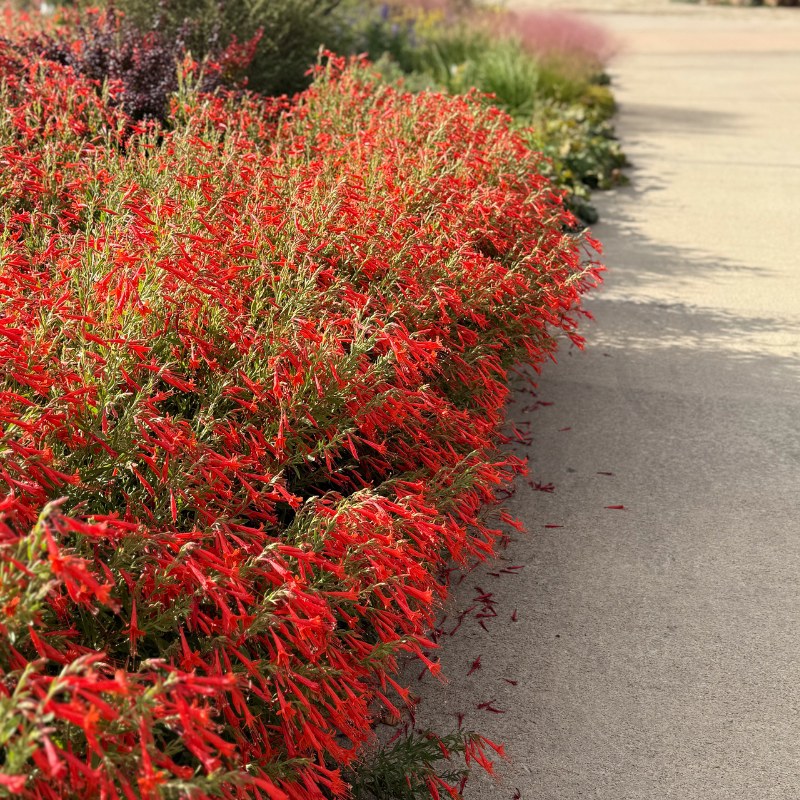
Reliable drought-tolerant perennials
Let's get into the plants themselves. I've compiled a list of 15 perennials that consistently demonstrate exceptional drought tolerance and adaptability. Each entry includes details on size, bloom time, color, hardiness zones, sun exposure, and a bit about why it’s a good choice for a changing climate.
Yarrow (Achillea millefolium): A classic for a reason, Yarrow grows 2-3 feet tall and blooms from summer to fall in shades of white, yellow, pink, or red. It’s hardy in zones 3-9 and prefers full sun. Yarrow thrives in poor soil and has deep roots that seek out moisture. It’s a pollinator magnet too.
Coneflower (Echinacea purpurea): Reaching 2-5 feet tall, Coneflowers bloom from mid-summer to fall, typically in purple, but now available in many colors. Hardy in zones 3-9, they need full sun. Their long taproots help them access water deep underground, and they’re incredibly low maintenance.
Lavender (Lavandula angustifolia): Known for its fragrant foliage and beautiful purple flowers, Lavender grows 1-3 feet tall and blooms in summer. It’s hardy in zones 5-9 and needs full sun and well-drained soil. Its silvery leaves are adapted to reduce water loss.
Sedum (Hylotelephium): These succulents come in a range of sizes and colors, typically blooming in late summer to fall. Hardy in zones 3-9, they prefer full sun. Sedum store water in their leaves, making them incredibly drought-tolerant. "Autumn Joy" is a popular variety.
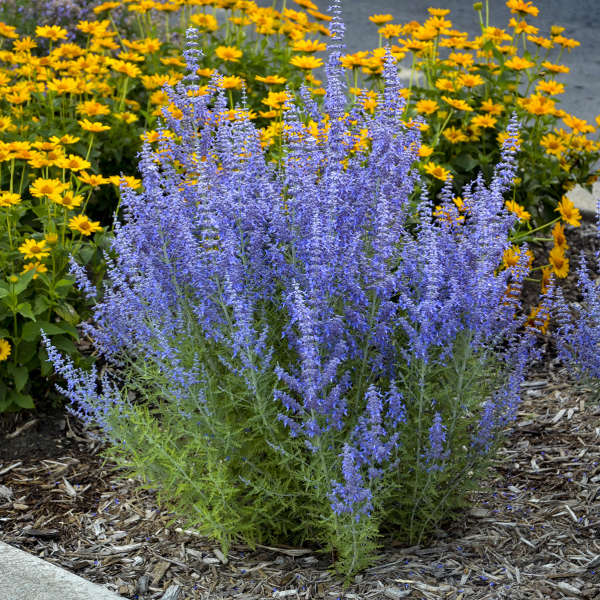
Russian Sage (Perovskia atriplicifolia): A beautiful shrubby perennial growing 3-5 feet tall with silvery foliage and lavender-blue flowers in summer. It’s hardy in zones 4-8 and loves full sun. Russian Sage is incredibly tough and requires very little water once established.
Coreopsis (Coreopsis verticillata): This cheerful perennial offers bright yellow, daisy-like flowers from summer to fall. Hardy in zones 5-9, it prefers full sun. Coreopsis is known for its resilience and ability to bloom prolifically even in dry conditions.
Black-Eyed Susan (Rudbeckia hirta): These classic wildflowers grow 2-3 feet tall and bloom from summer to fall with golden-yellow petals and a dark brown center. Hardy in zones 3-9, they prefer full sun. They're adaptable and readily self-seed.
Daylily (Hemerocallis): While there are many varieties, most Daylilies are quite drought-tolerant once established. They come in a huge range of colors and bloom times, and are hardy in zones 3-9. They prefer at least 6 hours of sun.
Salvia (Salvia nemorosa): Known for its long-lasting spikes of purple, blue, or pink flowers, Salvia grows 1-3 feet tall and blooms from late spring to fall. Hardy in zones 4-8, it thrives in full sun and well-drained soil.
Gaillardia (Gaillardia x grandiflora): Also known as blanket flower, Gaillardia boasts daisy-like flowers in shades of red, orange, and yellow. Hardy in zones 3-8, it prefers full sun and tolerates poor soil.
Penstemon (Penstemon digitalis): This perennial offers tubular flowers in shades of white, pink, or purple, attracting hummingbirds. Hardy in zones 3-8, it prefers full sun and well-drained soil. It often has a deep taproot.
Echinacea (Echinacea): Different from the purpurea variety, other Echinacea species offer varied colors and forms, all with similar drought resilience. Zones and sun exposure are similar to Echinacea purpurea.
Agastache (Agastache spp.): Also known as hyssop, Agastache features fragrant foliage and long-lasting flower spikes. Hardy in zones 5-9, it prefers full sun and well-drained soil. It's a favorite of bees and butterflies.
Veronica (Veronica spicata): Spike speedwell offers upright flower spikes in shades of blue, purple, pink, or white. Hardy in zones 4-8, it thrives in full sun and well-drained soil. It’s relatively low maintenance.
Essential Gear for Your Drought-Tolerant Perennial Garden

10 heirloom, non-GMO vegetable varieties · Specially selected for hot climates and dry conditions · Ideal for Southern gardens, Texas, and Zones 7-10
This seed collection provides a reliable foundation for growing vegetables that can withstand heat and drought, ensuring a harvest even in challenging weather.

Durable 304 stainless steel probe and virgin ABS construction · Provides instant readings of soil moisture levels · Suitable for a wide range of indoor and outdoor plants
Accurately monitor your soil's moisture to prevent over or under-watering, a critical factor for drought-tolerant plants.
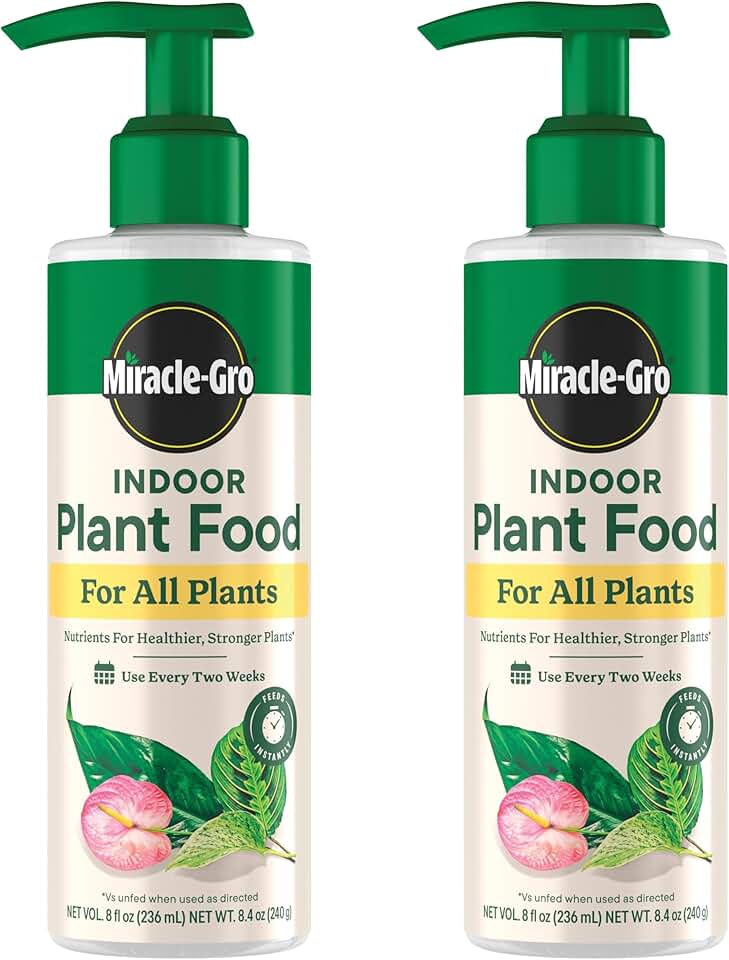
Liquid plant food suitable for all indoor plants · Feeds flowers, vegetables, herbs, and houseplants · Comes in a convenient 8 fl. oz., 2-pack
While focused on indoor plants, this nutrient-rich formula can help boost the resilience of any plant, supporting overall health during stressful conditions.

1.8L (1/2 Gallon) capacity watering can · Features a long spout for precise watering · Suitable for both indoor and outdoor plants
The long spout allows for targeted watering directly at the base of plants, conserving water and ensuring it reaches the roots efficiently.

12-pack of heavy-duty half-round support stakes · Provides support for plants like peonies, tomatoes, hydrangeas, and roses · Dimensions: 10" Wide x 16" High
These stakes offer sturdy support for larger perennial plants, helping them maintain their structure and health, especially when facing strong winds or heavy rain.
As an Amazon Associate I earn from qualifying purchases. Prices may vary.
How roots manage water
It's not enough to just know that a plant is drought-tolerant; understanding how it achieves that tolerance is valuable. A key factor is the root system. Plants like Yarrow and Coneflower have long taproots that can reach deep into the soil to access water sources unavailable to shallow-rooted plants.
Other perennials, like Sedum, rely on fibrous root systems that spread out widely to capture any available moisture. This strategy is particularly effective in areas with unpredictable rainfall. Still others, like Lavender, have adapted by minimizing water loss through their foliage.
While less common in the plants listed above, some species utilize Crassulacean Acid Metabolism (CAM) photosynthesis. This is a process where plants open their stomata (pores) at night to absorb carbon dioxide, reducing water loss during the heat of the day. It’s a fascinating adaptation, but not a primary mechanism for these particular perennials.
Ultimately, drought tolerance is a combination of these strategies, and the ability to efficiently use and conserve water. It’s about more than just surviving; it’s about thriving even when water is scarce.
Comparative Drought-Tolerance Characteristics of 15 Climate-Resilient Perennials
| Plant Name | Root Depth | Water Storage (Succulence) | Leaf Surface Area |
|---|---|---|---|
| Lavender ( *Lavandula* spp.) | Medium | Low | Low |
| Russian Sage (*Perovskia atriplicifolia*) | High | Low | Medium |
| Coneflower (*Echinacea* spp.) | Medium | Low | Medium |
| Blanket Flower (*Gaillardia* spp.) | Medium | Low | Medium |
| Yarrow (*Achillea millefolium*) | Medium | Low | Medium |
| Sedum (*Hylotelephium* spp.) | Medium | High | Low |
| Catmint (*Nepeta* spp.) | Medium | Low | Medium |
| Daylily (*Hemerocallis* spp.) | Medium | Low | Medium |
Illustrative comparison based on the article research brief. Verify current pricing, limits, and product details in the official docs before relying on it.
Preparing the soil
Even the most drought-tolerant plants need a helping hand when it comes to establishing themselves. Soil preparation is critical. Amending your soil with organic matter – compost, well-rotted manure, or leaf mold – improves its water-holding capacity, giving young plants a better chance to get established.
Don’t underestimate the power of mulch. A 2-3 inch layer of organic mulch (wood chips, shredded bark, straw) helps to suppress weeds, regulate soil temperature, and significantly reduce evaporation. Replenish the mulch annually.
Consider the grading and drainage of your planting site. You want to avoid areas where water tends to pool, as this can lead to root rot. A slight slope can help ensure proper drainage, directing water away from the plants. Proper drainage is especially important for Lavender, which hates wet feet.
Watering deeply and infrequently
Once established, drought-tolerant perennials generally require very little supplemental watering. The key is to water deeply and infrequently. This encourages deep root growth, making the plants more resilient to drought conditions.
Avoid frequent, shallow watering, which promotes shallow root systems and makes plants more susceptible to stress. Instead, aim to soak the soil thoroughly when you do water, allowing the water to penetrate deep down.
Monitor soil moisture before watering. A simple way to do this is to stick your finger a few inches into the soil. If it feels dry, it's time to water. If it's still moist, hold off. Rainwater harvesting is another excellent way to conserve water and provide your plants with a natural source of hydration.
My favorite picks
From the 15 plants we’ve discussed, three consistently impress me with their combination of beauty, resilience, and ease of care: Yarrow, Russian Sage, and Coneflower. These aren’t necessarily the most drought-tolerant, but they offer a fantastic balance of qualities.
Yarrow is a workhorse. It's incredibly adaptable, tolerating a wide range of soil conditions and blooming for months on end. The flat-topped flower clusters add a lovely texture to the garden, and it's a magnet for pollinators. It’s also surprisingly versatile in cut flower arrangements.
Russian Sage is a standout for its silvery foliage and long-lasting lavender-blue flowers. It's a tough plant that can handle almost anything, including poor soil, heat, and drought. The aromatic foliage is also deer-resistant, which is a bonus in many areas.
Coneflower is a classic for a reason. It’s a beautiful and reliable bloomer with a long season of interest. The seed heads provide winter interest and food for birds. Echinacea is also available in a huge range of colors now, making it easy to find varieties that complement your garden design.
Planting for a resilient ecosystem
Creating a resilient garden is about more than just choosing the right plants; it’s about creating a thriving ecosystem. Companion planting can play a significant role in this. Combining different perennials can attract beneficial insects, repel pests, and improve soil health.
For example, planting Lavender near Roses can help deter aphids, a common pest of roses. The strong scent of Lavender confuses the aphids, making it harder for them to find their way to the rose bushes. Similarly, planting Yarrow near other perennials can attract beneficial insects like ladybugs and lacewings, which prey on harmful pests.
Consider also the root systems of different plants. Combining plants with different rooting depths can help them access water and nutrients from different levels of the soil. This can improve overall garden health and resilience.
What's your biggest challenge when growing drought-tolerant perennials?
Vote below and tell us which part of growing drought-tolerant perennials is most challenging in your garden.
No comments yet. Be the first to share your thoughts!