

Beyond Hostas: Rethinking Low-Maintenance
Many gardeners hear 'low maintenance' and picture a garden that needs zero attention. That's not realistic. All plants need some care, but some perennials demand far less than others, giving you more time to relax and enjoy your yard. For this guide, 'low maintenance' means plants that are drought-tolerant once established, resist common pests and diseases, need little deadheading, and are easy to divide.
Hostas are often seen as the ultimate easy-care plant, but slugs can be a problem. A successful perennial garden always starts with planning. Consider your climate, soil, and light conditions before you plant. This upfront work prevents future headaches.
Good site preparation is essential. Even forgiving perennials struggle in compacted, nutrient-poor soil. Amending your soil with compost before planting gives your plants a strong foundation and reduces the need for future fertilization. This investment leads to a healthier, more resilient garden.
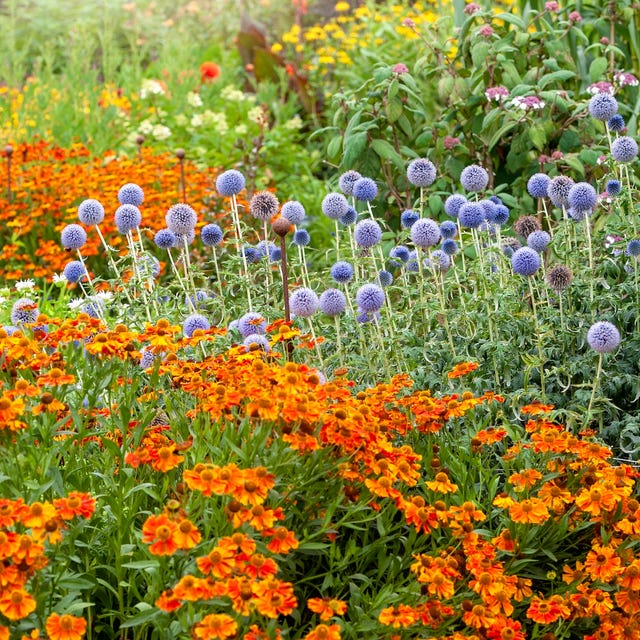
The 15 Easiest Perennials for 2026
Choosing the right perennials can drastically reduce your gardening workload. Here are 14 reliable options that consistently perform with minimal fuss. We’ll look at bloom time, size, light needs, and why each plant earns its place on this list.
Coneflower (Echinacea): Blooming from midsummer to fall, coneflowers reach 2-5 feet tall and prefer full sun. They thrive in well-drained soil and are remarkably drought-tolerant. Echinacea is low maintenance because it's deer-resistant, attracts pollinators, and doesn’t require staking. Newer varieties, like "PowWow Wild Berry," exhibit excellent disease resistance.
Black-Eyed Susan (Rudbeckia): These cheerful daisies bloom from summer to fall, growing 2-3 feet tall in full sun. They’re adaptable to various soil types, but prefer well-drained conditions. Rudbeckia is easy care due to its tolerance of both drought and poor soil, and its ability to self-seed, providing new plants each year.
Daylily (Hemerocallis): Daylilies offer a wide range of colors and bloom times, typically from early to late summer. They grow 1-4 feet tall and do well in full sun to partial shade. These are incredibly adaptable and require minimal care. Select reblooming varieties for an extended flowering period. Avoid overly crowded planting to reduce the risk of fungal issues.
Russian Sage (Perovskia atriplicifolia): This aromatic shrub-like perennial blooms from midsummer to fall with lavender-blue flowers. It prefers full sun and well-drained soil, and is extremely drought-tolerant. Russian sage is virtually pest and deer-free and requires minimal pruning.
Sedum (various species): Stonecrop sedums, like "Autumn Joy," bloom in late summer and fall, providing late-season color. They grow 1-2 feet tall and thrive in full sun and well-drained soil. Sedums are drought-tolerant, attract pollinators, and require little to no maintenance. They also offer winter interest with their dried flower heads.
Yarrow (Achillea): Yarrow blooms from summer to fall, offering flat-topped flower clusters in shades of yellow, white, pink, or red. It prefers full sun and well-drained soil and is very drought-tolerant. Yarrow is deer-resistant and tolerates poor soil conditions.
Coreopsis: These daisy-like flowers bloom for a long period, from summer to fall. Coreopsis prefers full sun and well-drained soil. They're relatively pest-free and require minimal deadheading, especially newer varieties bred for continuous bloom.
Bee Balm (Monarda): Bee balm attracts hummingbirds and pollinators with its showy flowers. It prefers full sun to partial shade and moist, well-drained soil. Select mildew-resistant varieties, like "Balmy Coral’ or ‘Jacob Cline," to avoid common problems. Deadheading encourages continued blooming.
Aster: Asters provide late-season color, blooming from late summer to fall. They prefer full sun and well-drained soil. New England Asters (Symphyotrichum novae-angliae) are particularly reliable. Pinch back stems in early summer to encourage bushier growth.
Phlox paniculata: Garden phlox offers fragrant, colorful blooms in summer. It prefers full sun and moist, well-drained soil. Again, select mildew-resistant varieties like "David’ or ‘Opening Act" to minimize potential issues. Good air circulation is also important.
Hosta (select slug-resistant varieties): While hostas can be susceptible to slugs, newer varieties like 'Blue Mouse Ears’ exhibit better resistance. They thrive in shade to partial shade and moist, well-drained soil. Hostas provide beautiful foliage and are relatively low maintenance once established.
Columbine (Aquilegia): Columbine offers unique, spurred flowers in spring and early summer. It prefers partial shade and moist, well-drained soil. They self-seed readily, providing new plants without any effort. Deer typically avoid them.
Catmint (Nepeta): Catmint resembles lavender and blooms with lavender-blue flowers in summer. It prefers full sun and well-drained soil and is drought-tolerant. Catmint is deer-resistant and attracts pollinators. Shear back after flowering to encourage a second flush of blooms.
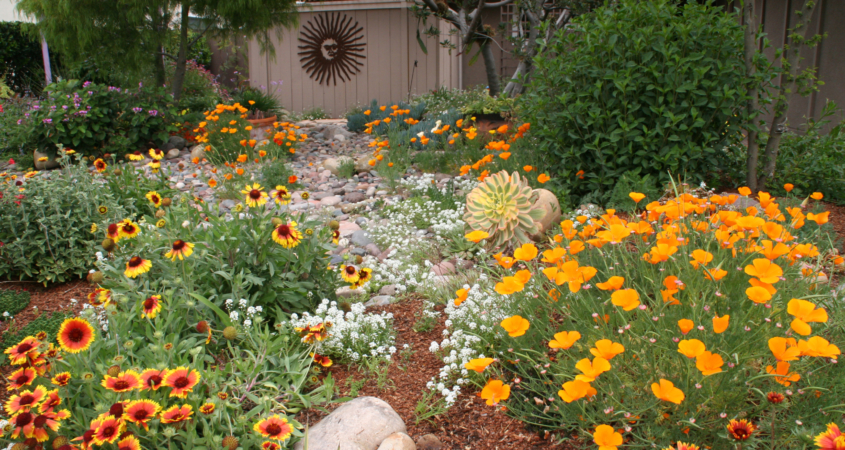
Blanket Flower (Gaillardia): Blanket flower blooms from summer to fall with daisy-like flowers in shades of red, orange, and yellow. It prefers full sun and well-drained soil and is drought-tolerant. Deadheading encourages continued blooming, but it’s not strictly necessary.
Sun vs. Shade: Matching Plants to Your Yard
Understanding your yard’s light conditions is essential for choosing the right perennials. "Full sun’ means at least six hours of direct sunlight daily. ‘Partial shade’ means 3-6 hours of direct sunlight, usually in the morning, with protection from intense afternoon sun. ‘Full shade" means less than three hours of direct sunlight or dappled sunlight all day.
Assessing light accurately can be tricky. Observe your yard throughout the day, noting the sun's movement and which areas get the most light. Consider seasonal changes, as the sun's angle differs in summer and winter. Some perennials, like coneflowers and black-eyed Susans, need full sun to thrive. Others, like hostas and columbine, prefer cooler shade.
Some perennials are more adaptable. Coreopsis and daylilies can often tolerate partial shade, though they might produce fewer blooms. Paying attention to these light requirements upfront significantly increases your success rate and reduces the need for constant plant replacement.
Light Condition Suitability for Low-Maintenance Perennials
| Perennial | Full Sun | Partial Shade | Full Shade |
|---|---|---|---|
| Daylily (Hemerocallis) | Excellent | Good | Fair |
| Coneflower (Echinacea) | Excellent | Good | Poor |
| Black-Eyed Susan (Rudbeckia) | Excellent | Good | Fair |
| Russian Sage (Perovskia atriplicifolia) | Excellent | Good | Poor |
| Peony (Paeonia) | Excellent | Good | Fair |
| Hosta | Poor | Excellent | Good |
| Coral Bells (Heuchera) | Fair | Excellent | Good |
| Astilbe | Poor | Good | Excellent |
Illustrative comparison based on the article research brief. Verify current pricing, limits, and product details in the official docs before relying on it.
Soil Prep: Less Work, Better Results
Before planting, amend your soil. This is the most important step for the long-term health and vigor of your perennials. The goal is to improve drainage, aeration, and nutrient content. Adding organic matter, like compost or well-rotted manure, is the easiest and most effective way to do this.
Work the organic matter into the top 6-12 inches of soil. Avoid deep tilling, which disrupts soil structure and brings weed seeds to the surface. A soil test can provide valuable information about your soil’s pH and nutrient levels, but it’s not essential. If unsure, adding compost is always a safe bet.
Good soil provides a strong foundation for your plants, reducing the need for frequent watering and fertilization. It also improves their ability to withstand drought, pests, and diseases, ultimately making your garden more low-maintenance.
Watering Wisdom: Drought Tolerance in Action
Water deeply and less frequently to establish healthy, drought-tolerant perennials. This encourages deep root growth, making plants more resilient. Avoid shallow, frequent watering, which promotes shallow roots and makes plants more susceptible to stress.
Mulch around your plants with 2-3 inches of organic material, like wood chips or shredded bark. Mulch helps retain moisture, suppress weeds, and regulate soil temperature. Many perennials on our list, like Russian sage, sedum, and yarrow, are particularly drought-tolerant once established.
During the first year after planting, your perennials need more frequent watering to get established. Once their root systems develop, you can significantly reduce watering. Monitor your plants for signs of stress, like wilting leaves, and water as needed.
Dealing with the Inevitable: Pests & Problems
Even low-maintenance plants aren't immune to pests and problems. Prevention is the best approach. Choosing disease-resistant varieties, like the mildew-resistant phlox and bee balm cultivars mentioned earlier, saves a lot of trouble. Good air circulation from proper plant spacing also helps prevent fungal diseases.
Common pests include deer, slugs, and aphids. Deer tend to avoid plants with strong scents or fuzzy foliage, like Russian sage and yarrow. For slug control, use copper tape around raised beds or handpick slugs. Aphids can often be controlled with a strong spray of water or by introducing beneficial insects, like ladybugs.
Avoid harsh chemicals. Organic control methods are more sustainable and less harmful to the environment. Remember that even low-maintenance plants need monitoring. Regularly inspect your plants for pests or diseases and address problems promptly.
Perennial Standouts: Worth a Closer Look
While all 15 plants offer exceptional value, a few deserve extra attention. Echinacea purpurea "PowWow Wild Berry" is a standout coneflower variety. Its vibrant magenta-pink blooms and compact size (around 18-24 inches tall) make it a perfect addition to any garden. It blooms prolifically and is highly attractive to pollinators.
Hemerocallis "Stella de Oro’ is a reliable reblooming daylily that produces masses of golden-yellow flowers throughout the summer. It"s incredibly easy to grow and adaptable to a wide range of conditions. Daylilies are easily propagated by division, allowing you to expand your collection for free.
Sedum "Autumn Joy’ is a classic fall bloomer that provides long-lasting color and texture. Its fleshy leaves and flower heads attract butterflies and bees. It"s also incredibly drought-tolerant and requires minimal maintenance. The dried flower heads provide winter interest and can be left standing for added texture.
Finally, Nepeta x faassenii "Walker’s Low’ offers a long season of lavender-blue blooms and fragrant foliage. It"s deer-resistant, attracts pollinators, and can be easily propagated by division or cuttings. Shear back after flowering to encourage a second flush of blooms.
No comments yet. Be the first to share your thoughts!