

Perennial spring awakening
Spring is the most active time for perennials. Since these plants return year after year, the work you do in March and April determines how well they bloom in June. A few hours of cleanup now prevents a mess of weeds and weak stems later in the summer.
The main tasks involve clearing winter debris, fertilizing, and dividing clumps that have grown too large. Success depends on your specific site. A sun-loving lavender is going to die in deep shade, and a hosta will wilt in dry soil regardless of how much you fertilize.
Think of it as setting your plants up for success from the very beginning. A sun-loving lavender won’t flourish in deep shade, and a moisture-hungry hosta will struggle in dry soil. Taking the time to get this right will save you headaches down the road and ensure a beautiful, thriving perennial garden.
Debris removal and early cleanup
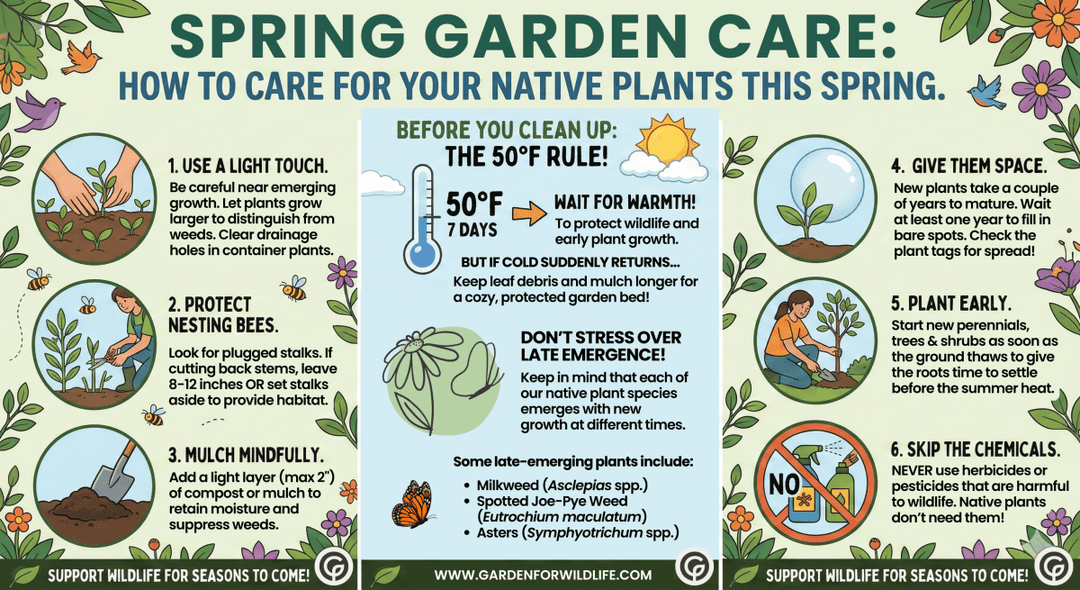
Start by clearing away the dead stems and wet leaves that piled up over winter. This isn't just for looks. Soggy debris is a breeding ground for slugs and fungal spores that can rot new shoots before they even break the surface.
What to do with the debris? Composting is a great option, as long as the material isn’t diseased. If you suspect a fungal issue, it’s best to dispose of the debris in the trash to prevent spreading the problem. Timing is also important. For many perennials, it’s safe to cut back dead foliage once new growth starts to appear, but some, like ornamental grasses, provide valuable winter interest and seed heads for birds, so consider leaving those intact a bit longer.
Don't rush to cut everything back to the ground. Some perennials, like Sedum "Autumn Joy", benefit from leaving the dried flower heads standing until spring, offering both visual appeal and food for birds. A little restraint can actually benefit your garden ecosystem. Just be sure to remove any material that looks diseased or damaged.
Fertilizing for better blooms
Perennials need a hit of nutrients as they wake up. I usually apply fertilizer just as the first green tips appear. This helps the plant build strong stems early so they don't flop over when the heavy flowers arrive in May.
You have a choice between organic and synthetic fertilizers. Organic options, like composted manure or bone meal, release nutrients slowly and improve soil health over time. Synthetic fertilizers provide a quick burst of nutrients but don’t contribute to long-term soil improvement. A balanced fertilizer with an NPK ratio of 10-10-10 is a good starting point for general perennial health, while a fertilizer higher in phosphorus (the "P" in NPK) can encourage more blooms – something like 5-10-5.
Be careful not to over-fertilize. Too much nitrogen can lead to lush foliage at the expense of flowers, and excessive fertilizer can burn roots. A soil test is the best way to determine your soil's specific nutrient needs. You can purchase a home soil test kit or send a sample to your local agricultural extension office for a more detailed analysis. Always water thoroughly after applying fertilizer to help it reach the roots.
- Run a soil test to see what your dirt is actually missing.
- Choose Fertilizer: Select based on test results or general needs.
- Apply Evenly: Follow package instructions carefully.
- Water Thoroughly: Help nutrients reach the roots.
Dividing overcrowded plants
Perennial division is the process of splitting a plant into multiple sections, each with its own roots and stems. It’s a fantastic way to rejuvenate older plants that have become overcrowded and are producing fewer blooms. It’s also a cost-effective way to expand your garden! Division encourages new growth and prevents the plant from becoming root-bound.
How do you know if a perennial needs dividing? Look for signs of overcrowding – a dense clump with little space between stems. Reduced flowering is another telltale sign. Some perennials, like daylilies and hostas, benefit from division every 3-5 years, while others can go longer. The best time to divide is typically in early spring, before the plant puts out a lot of new growth. This gives the divisions time to establish themselves before the heat of summer.
The technique varies depending on the type of perennial. Clump-forming perennials, like hostas, can be dug up and gently pulled apart with your hands or a sharp knife. Rhizomatous perennials, like irises, have underground stems that can be cut into sections, each with a growth bud. After dividing, replant the divisions at the same depth they were growing before, and water them well. You can replant them in your garden or share them with friends and neighbors!
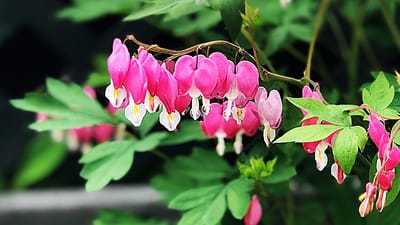
Don't be afraid to experiment. Division is a relatively forgiving process, and even if a division doesn’t take, you haven’t lost the entire plant. Consider the growth habit when dividing. Some perennials, like bleeding hearts, resent being disturbed, so division should be done sparingly.
Fixing winter damage
Winter can be tough on perennials, and it’s important to assess any damage that may have occurred. Common problems include heaving (plants being pushed out of the ground by repeated freezing and thawing), rodent damage (gnawing on stems and roots), and broken stems from heavy snow or ice. Identifying the type of damage is the first step to addressing it.
Heaving can be corrected by gently pressing the plant back into the soil and adding a layer of mulch. Rodent damage is harder to fix, but you can protect vulnerable plants with wire mesh cages in the fall. Broken stems should be pruned back to healthy growth. Be patient; even if a plant looks damaged, it may still recover. Protecting new growth from late frosts is also important – covering plants with a cloth or using frost blankets can prevent damage.
Mulch plays a vital role in protecting perennials from winter damage. It insulates the soil, prevents heaving, and helps retain moisture. Replenish the mulch layer in spring to maintain its effectiveness. A 2-3 inch layer of organic mulch, such as shredded bark or wood chips, is ideal. Just be sure to keep the mulch away from the stems of the plants to prevent rot.
- If frost has pushed a plant out of the ground, gently press it back into the dirt and cover it with mulch.
- Rodent Damage: Protect with wire mesh in fall.
- Broken Stems: Prune back to healthy growth.
- Late Frosts: Cover plants with cloth or frost blankets.
Spring watering tips
Consistent watering is essential for perennials, especially after cleanup, fertilizing, and dividing. These activities can stress plants, and adequate moisture helps them recover and thrive. However, overwatering can be just as harmful as underwatering, so it’s important to strike a balance.
The best way to determine when perennials need water is to check the soil moisture. Stick your finger about an inch into the soil; if it feels dry, it’s time to water. Deep watering – soaking the soil thoroughly – is more effective than shallow watering, which encourages shallow root growth. Aim to water at the base of the plant, avoiding wetting the foliage, which can promote fungal diseases.
Weather conditions play a significant role in watering needs. During periods of rain, you may not need to water at all. In hot, dry weather, you may need to water more frequently. Soaker hoses or drip irrigation systems are excellent ways to deliver water directly to the roots, minimizing water waste and reducing the risk of fungal diseases.
Pest & Disease Patrol
Spring brings not only blooming flowers but also the return of pests and diseases. Common culprits include slugs and snails, aphids, and fungal diseases like powdery mildew. Regularly inspecting your perennials is the best way to catch problems early, before they become widespread.
Slugs and snails can be controlled with organic methods like beer traps or diatomaceous earth. Aphids can be blasted off plants with a strong stream of water or treated with insecticidal soap. Fungal diseases can be prevented by providing good air circulation, avoiding overhead watering, and removing infected foliage. There are also a number of organic and conventional fungicides available.
Prevention is key. Healthy plants are less susceptible to pests and diseases. Providing the right growing conditions – adequate sunlight, well-drained soil, and proper fertilization – will help your perennials stay strong and resist problems. Early detection is also crucial; the sooner you identify a problem, the easier it will be to control.
- Slugs/Snails: Beer traps, diatomaceous earth.
- Aphids: Insecticidal soap, strong water spray.
- Fungal Diseases: Good air circulation, avoid overhead watering.

No comments yet. Be the first to share your thoughts!