

Beyond Hostas: Rethinking Low-Maintenance
For years, 'low-maintenance garden' often meant predictable hostas and daylilies. But predictable can be boring. Today, people want gardens that look beautiful without demanding all their free time. Gardening needs to fit into busy lives.
The biggest misconception is that low maintenance means sacrificing beauty or design. It doesn't! It means being smarter about plant selection and layout. A well-planned perennial garden can actually reduce work over time as plants fill in, outcompete weeds, and establish a self-sustaining ecosystem. It's about working with nature.
This isn't just about choosing tough plants; it's about how you arrange them. We'll explore seven different perennial garden layouts, each designed for minimal effort but maximum impact. Each offers a different aesthetic, from wild and naturalistic to neat and structured, proving that low-maintenance doesn't have to mean low-style.
Layout 1: The Cottage Core Cluster
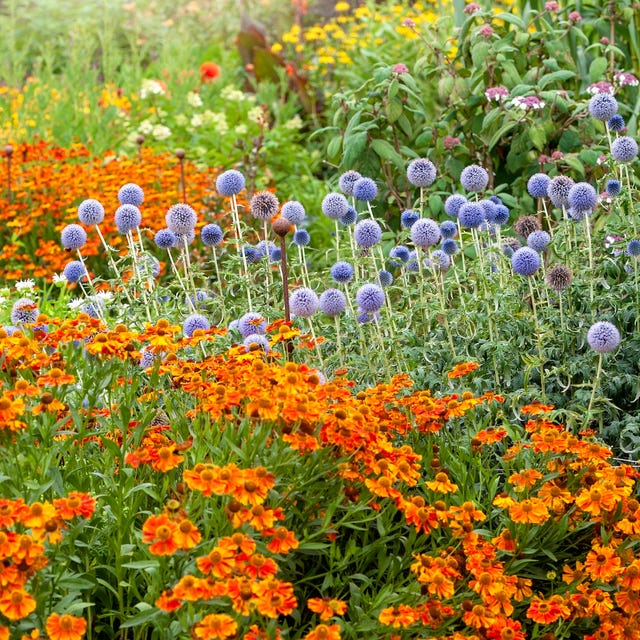
Think overflowing abundance, a little wild, and endlessly charming. This layout draws inspiration from classic English cottage gardens, prioritizing densely planted groupings that quickly fill in any gaps. The key is self-seeding perennials—plants that readily drop seeds and return year after year with minimal intervention. It looks like a lot of plants, but that’s the point!
Coneflowers (Echinacea) are a fantastic choice, offering long bloom times and attracting pollinators. Black-eyed Susans (Rudbeckia hirta) are another reliable performer, thriving in full sun and well-drained soil. Bee balm (Monarda) adds a pop of color and is a magnet for hummingbirds. These plants generally prefer full sun to partial shade and benefit from regular deadheading, though even if you skip it, they'll still put on a show.
The beauty of the cottage core cluster is its forgiving nature. A few weeds? They’ll get lost in the lush growth. A missed deadheading? No one will notice. It appears high maintenance, but the density of planting actually suppresses weeds and creates a naturally full look. It’s a bit chaotic, but in the best way possible.
Layout 2: The Monochromatic Drift
For a sophisticated and surprisingly low-maintenance look, consider a monochromatic drift. This design revolves around a single color palette – all-white gardens are popular, but shades of purple, pink, or blue can be equally stunning. Limiting your color choices simplifies plant selection and creates a cohesive, calming aesthetic.
Within your chosen color range, focus on varying textures and forms. White astilbe offers feathery plumes, while white phlox provides clusters of smaller, star-shaped flowers. Incorporating plants with silver foliage, like Artemisia, adds contrast and visual interest. The repetition of color is key here; it creates a sense of rhythm and harmony.
This approach is easier to maintain because you're dealing with fewer plant varieties. You'll spend less time researching individual needs and more time enjoying the serene beauty of your garden. It also makes it easier to spot potential problems, as anything that stands out color-wise is likely a weed or an ailing plant.
Layout 3: The Grassy Meadow Illusion
If you're drawn to naturalistic landscapes, a grassy meadow illusion might be perfect. This design mimics a wildflower meadow, combining ornamental grasses with flowering perennials. The emphasis is on flowing, informal groupings – think drifts rather than individual plants standing alone. Letting things look a little "undone" is a good thing here.
Little bluestem (Schizachyrium scoparium) is a fantastic native grass that provides year-round interest with its blue-green foliage and reddish-bronze fall color. Feather reed grass (Calamagrostis x acutiflora 'Karl Foerster') offers upright, architectural form. Pair these with butterfly weed (Asclepias tuberosa), yarrow (Achillea millefolium), and coneflowers for a vibrant, pollinator-friendly display.
Grouping plants in drifts is crucial for achieving the meadow effect. It also makes maintenance easier, as you can mow or cut back entire sections at once. This garden is a haven for pollinators and beneficial insects, contributing to a healthy ecosystem. It's a more relaxed style that shines with minimal intervention.
- Choose native grasses whenever possible for increased ecological benefits.
- Consider incorporating a gravel path for easy access and a natural look.
- Allow some plants to go to seed to encourage natural regeneration.
Layout 4: The Foundation Bed Border
A classic for a reason, the foundation bed border runs along the base of your house or a walkway, softening the transition between the built environment and the garden. This layout benefits from evergreen perennials for year-round structure and low-growing, spreading varieties to suppress weeds. It’s neat, tidy, and provides a welcoming entrance.
Creeping phlox (Phlox subulata) is an excellent choice for edging, forming a dense mat of foliage and bursting into bloom in spring. Sedum varieties, like "Autumn Joy", offer late-season color and attract butterflies. Coral bells (Heuchera) provide interesting foliage color and texture, and many varieties are semi-evergreen. These plants generally prefer well-drained soil and full sun to partial shade.
The key to a successful foundation bed border is a neat, defined edge. This prevents grass from creeping in and keeps the garden looking polished. A physical barrier, like edging stones or metal strips, can help maintain the shape. This layout provides a consistent and reliable aesthetic with relatively little effort.
Layout 5: The Rock Garden Cascade
For gardeners with sloped yards or those seeking a unique aesthetic, a rock garden cascade is a compelling option. This design incorporates rocks of varying sizes to create a naturalistic, cascading effect. The rocks provide excellent drainage, essential for many alpine perennials, and offer a striking visual element. It’s a bit more involved to set up initially, but it pays off in the long run.
Creeping thyme (Thymus serpyllum) is a classic rock garden plant, cascading over rocks and releasing a fragrant aroma when stepped on. Aubrieta offers a carpet of purple flowers in spring. Campanula, or bellflower, adds vertical interest with its delicate, bell-shaped blooms. Choosing the right rock type is important; local stone blends best with the surrounding landscape. Consider granite, limestone, or sandstone.
Placement is also crucial. Arrange rocks to create pockets and crevices where plants can take root. Ensure good drainage by incorporating gravel and sand into the soil mix. Rock gardens are well-suited for drought-tolerant plants, reducing the need for watering. They also offer a unique habitat for insects and other wildlife. A well-placed rock garden can transform a challenging slope into a beautiful feature.
Layout 6 & 7: Container Combinations & Vertical Accents
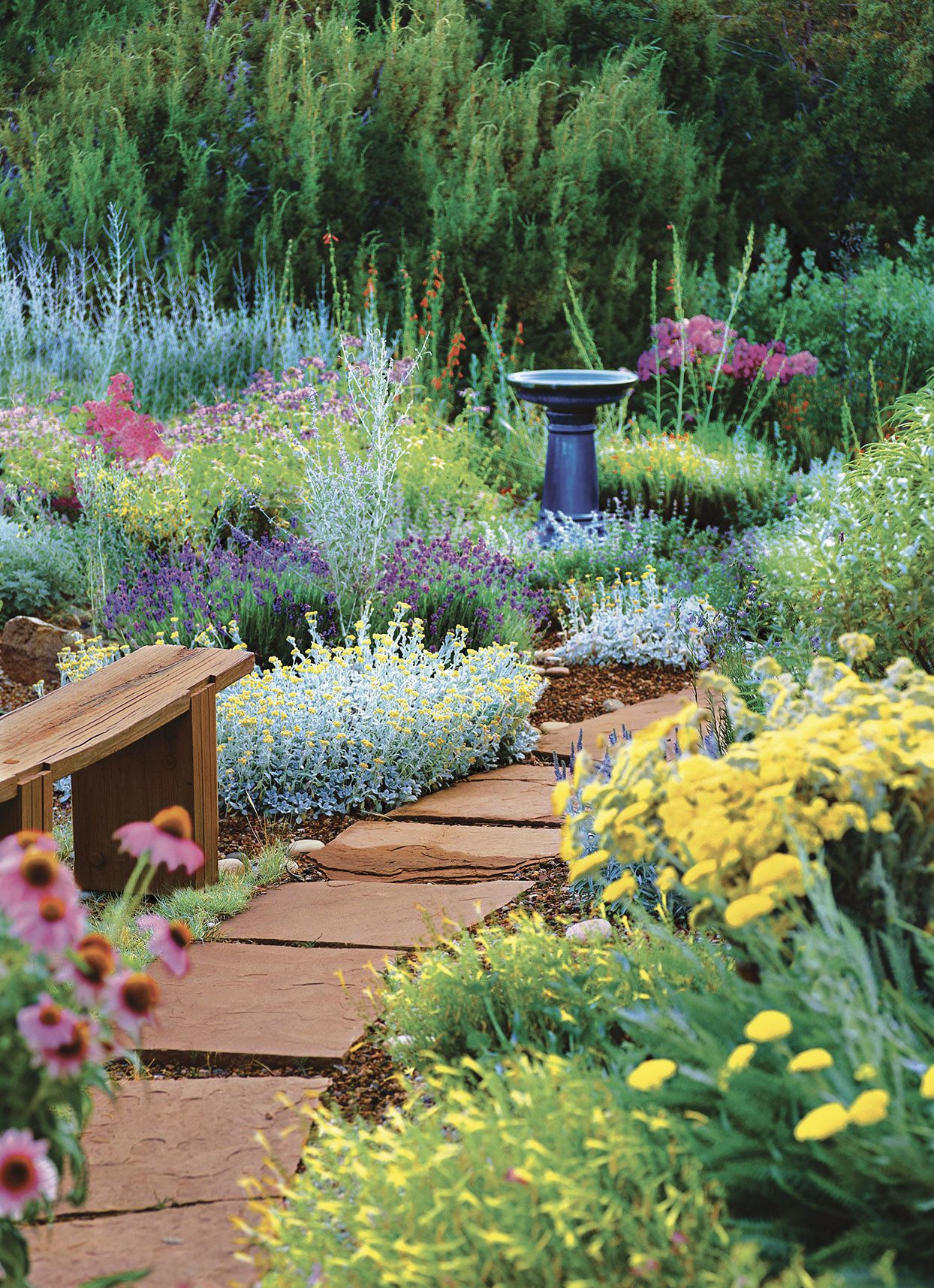
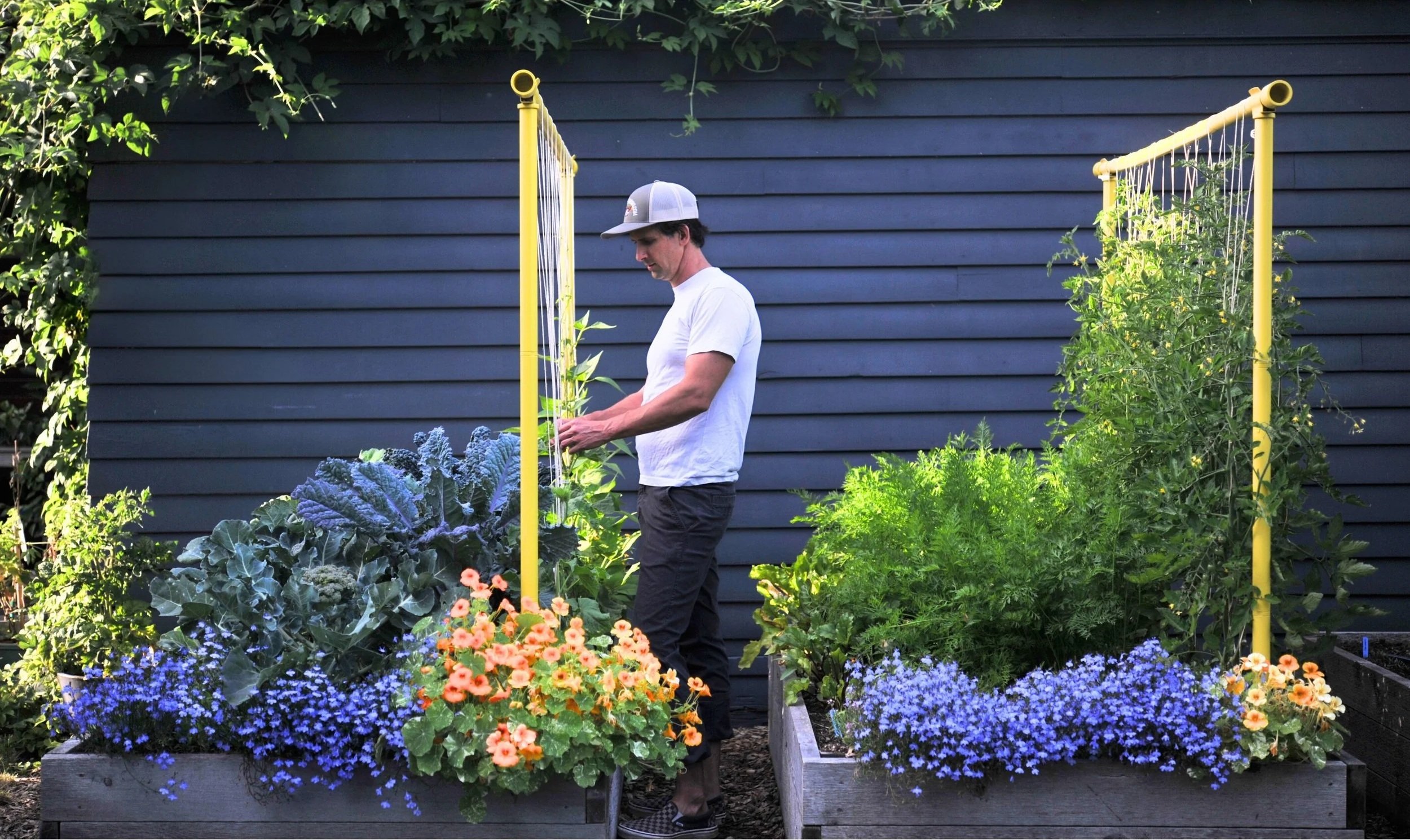
Here are two ideas that add impact without a huge commitment: container gardening and vertical accents. Large containers offer a portable perennial display, perfect for patios, balconies, or areas with poor soil. They also allow you to experiment with different combinations without altering your existing garden beds. Dwarf asters, heuchera, and smaller varieties of coneflowers thrive in containers.
When choosing containers, opt for materials that retain moisture but also provide good drainage. Terracotta pots are classic, but plastic or resin containers are lighter and more durable. Use a high-quality potting mix designed for containers. Vertical structures, like trellises or obelisks, can add dimension and visual interest without requiring extensive ground bed preparation.
Climbing perennials, such as clematis and passionflower, are ideal for vertical accents. They’ll quickly cover the structure, creating a living wall of color and fragrance. The structure must be sturdy enough to support the weight of the plant as it grows. Combining containers and vertical elements allows you to create a layered, dynamic garden even in a small space. It’s a great way to add personality without breaking your back.
Essential Maintenance: Less Work, Smarter Habits
Even low-maintenance gardens require some upkeep. The key is to focus on preventative measures rather than constantly reacting to problems. Mulching is your best friend – a 2-3 inch layer of organic mulch, like shredded bark or compost, suppresses weeds, retains moisture, and improves soil health. Deadheading spent flowers encourages more blooms and prevents self-seeding if that’s not desired.
Perennial division is essential for maintaining plant vigor and preventing overcrowding. Every few years, dig up clumps of plants and divide them into smaller sections, then replant. This rejuvenates the plants and allows you to expand your garden. Weed control is an ongoing task, but regular weeding, especially when weeds are small, makes it much easier. Penn State Extension offers excellent guidance on perennial care.
The most important thing you can do to minimize maintenance is to choose the right plant for the right place. Consider your soil type, sunlight exposure, and climate when selecting perennials. A plant that
- Mulch: Apply a 2-3 inch layer annually.
- Deadhead: Remove spent flowers regularly.
- Divide: Rejuvenate plants every 3-5 years.
- Weed: Tackle weeds when they’re small.

No comments yet. Be the first to share your thoughts!