

Gardens Built to Last: A 2026 Outlook
We’re entering an era where gardening isn't just about aesthetics—it's about adaptation. The summers are getting hotter, the droughts are lasting longer, and weather patterns are becoming increasingly unpredictable. This isn't alarmist thinking; research from the University of Minnesota demonstrates a clear trend toward more frequent and intense climate extremes, particularly impacting agricultural systems, but undeniably affecting home gardens as well.
Adapting our gardens to these changes is no longer optional. It's a necessity for maintaining beautiful, thriving outdoor spaces. Fortunately, the world of perennial plants offers a wealth of options that are naturally equipped to handle challenging conditions. Perennials, by their very nature, return year after year, building resilience over time and reducing the need for constant replanting.
This article focuses on the best climate-resilient perennials for 2026, plants that aren’t just surviving, but thriving despite increased heat and reduced water availability. We’ll look at 15 exceptional choices, providing details on their care and what makes them suited to a changing climate. The goal is to empower you to create a garden that’s both beautiful and sustainable, a haven for both you and local wildlife for years to come.
Choosing the right plants is the first step, but understanding why they’re resilient is equally important. We'll explore the mechanisms these plants use to cope with drought and heat, and how you can support their success through proper planting and ongoing care. This isn’t just about picking pretty flowers; it’s about building a garden that can withstand whatever the future holds.
The Top 15 Climate-Resilient Perennials
Here are 15 perennials that stand out for their ability to handle drought and heat, offering beauty and resilience in the face of a changing climate. I’ve included details on each plant’s characteristics, helping you choose the best options for your garden.
1. Yarrow (Achillea millefolium): Zones 3-9, Full Sun, Very Low Water. Yarrow is a workhorse perennial, known for its fern-like foliage and clusters of colorful flowers. It's incredibly drought-tolerant and attracts beneficial insects. Expect blooms in shades of white, yellow, pink, and red, reaching a mature size of 2-3 feet tall and wide.
2. Coneflower (Echinacea purpurea): Zones 3-9, Full Sun, Low Water. A classic for a reason! Coneflowers are beloved for their daisy-like blooms and ability to attract pollinators. They’re remarkably drought-tolerant once established, growing to 2-5 feet tall and 1-2 feet wide. The purple variety is the most common, but cultivars offer a wider range of colors.
3. Sedum (Hylotelephium spp.): Zones 3-9, Full Sun, Very Low Water. Also known as stonecrop, sedums are succulents that store water in their leaves, making them exceptionally drought-tolerant. They come in a variety of shapes and sizes, from low-growing groundcovers to upright varieties like "Autumn Joy" (2-3 feet tall).
4. Lavender (Lavandula angustifolia): Zones 5-9, Full Sun, Low Water. Lavender's fragrant blooms and silvery foliage add a touch of Mediterranean charm to any garden. It thrives in well-drained soil and is highly drought-tolerant, reaching 1-3 feet tall and wide.
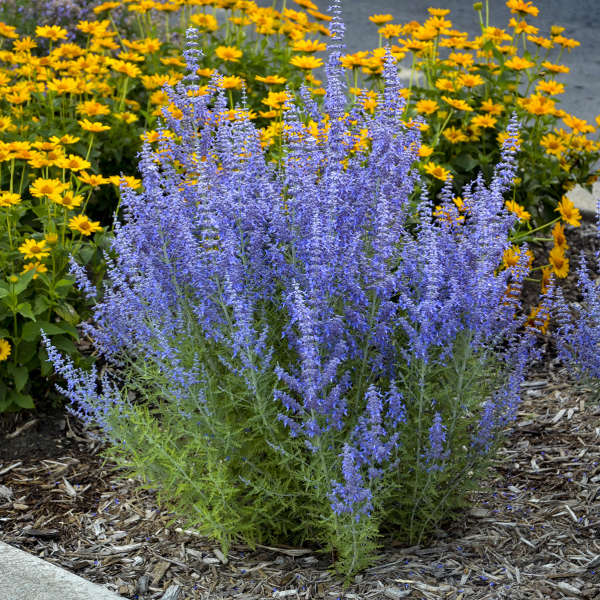
5. Russian Sage (Perovskia atriplicifolia): Zones 4-9, Full Sun, Very Low Water. This plant lives up to its name, offering a silvery-gray foliage and lavender-blue flower spikes. It’s incredibly drought-tolerant and attracts bees and butterflies, growing to 3-5 feet tall and wide.
6. Blanket Flower (Gaillardia x grandiflora): Zones 3-9, Full Sun, Low Water. Blanket flower offers vibrant, daisy-like blooms in shades of red, orange, and yellow. It blooms profusely throughout the summer and is highly drought-tolerant, reaching 1-2 feet tall and wide.
7. Catmint (Nepeta x faassenii): Zones 3-8, Full Sun, Low Water. Catmint is a long-blooming perennial with fragrant foliage and lavender-blue flowers. It’s drought-tolerant and attracts pollinators, growing to 1-2 feet tall and wide. "Walker’s Low" is a popular cultivar.
8. Coreopsis (Coreopsis spp.): Zones 4-9, Full Sun, Low Water. Coreopsis offers cheerful, daisy-like blooms in shades of yellow, orange, and red. It’s drought-tolerant and blooms for an extended period, reaching 1-3 feet tall and wide.
9. Daylily (Hemerocallis spp.): Zones 3-9, Full Sun to Partial Shade, Moderate Water (once established). While daylilies appreciate regular watering, many varieties are surprisingly drought-tolerant once established. They offer a wide range of colors and bloom times, with mature sizes varying depending on the cultivar.
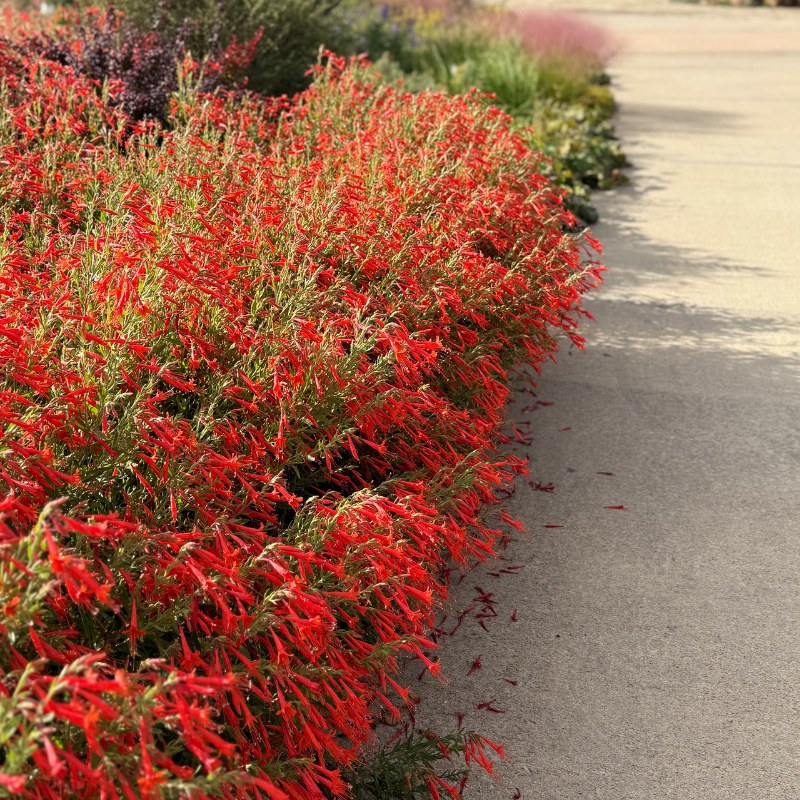
10. Beardtongue (Penstemon spp.): Zones 3-8, Full Sun, Low Water. Beardtongue offers tubular flowers that attract hummingbirds and bees. It’s drought-tolerant and comes in a variety of colors, reaching 2-5 feet tall and 1-2 feet wide.
11. Salvia (Salvia spp.): Zones 4-10 (depending on species), Full Sun, Low Water. Salvias are known for their long-blooming spikes of colorful flowers. Many varieties are drought-tolerant and attract pollinators, with sizes varying depending on the species.
12. Artemisia (Artemisia spp.): Zones 4-9, Full Sun, Very Low Water. Artemisia offers silvery foliage and a strong fragrance. It’s exceptionally drought-tolerant and provides textural interest in the garden, reaching 1-3 feet tall and wide.
13. Sea Holly (Eryngium spp.): Zones 4-9, Full Sun, Low Water. Sea Holly offers unique, thistle-like flowers in shades of blue, purple, and silver. It’s drought-tolerant and adds architectural interest to the garden, reaching 1-4 feet tall and wide.
14. Veronica (Veronica spp.): Zones 3-8, Full Sun, Low Water. Veronica offers spiky blooms in shades of blue, purple, pink, and white. It’s drought-tolerant and attracts pollinators, growing to 1-3 feet tall and wide.
15. Switchgrass (Panicum virgatum): Zones 3-9, Full Sun, Low Water. While technically a grass, switchgrass offers ornamental value with its airy plumes and fall color. It’s extremely drought-tolerant and provides habitat for wildlife, reaching 3-6 feet tall and wide.
Essential Gear for Your Climate-Resilient Perennial Garden

16 extra-large cells for deep-rooted seedlings · Reusable and dishwasher safe · Ideal for starting vegetable, flower, and herb seeds indoors
This seed starting tray provides ample space for deep root development, crucial for establishing resilient plants.
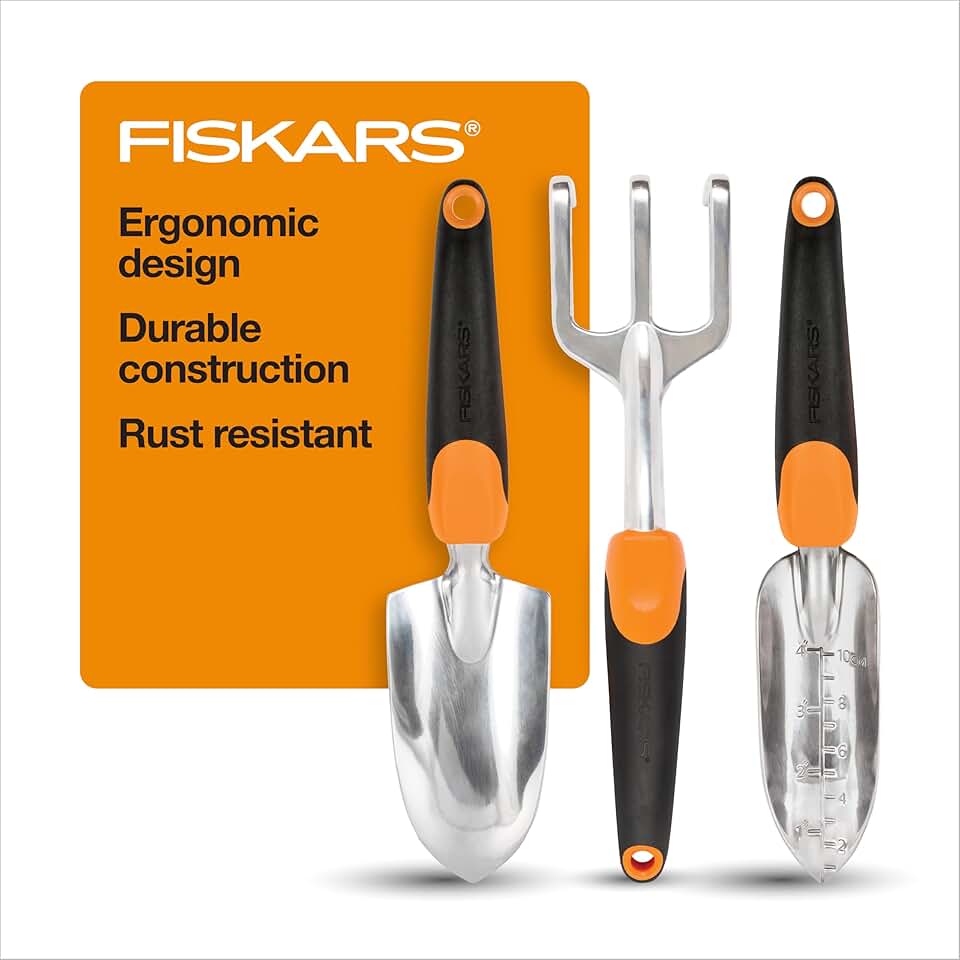
Set includes trowel, transplanter, and cultivator · Polished cast-aluminum heads resist rust · Heavy-duty construction with non-slip SoftGrip handles
This durable tool set offers essential functionality for digging, planting, and transplanting with reduced user fatigue.

Activates up to 8 bushels of compost materials · Booster for compost piles and kitchen waste · Comes in a resealable 7-pound bag
This compost starter accelerates the decomposition process, creating nutrient-rich soil amendments essential for healthy plant growth.

Concentrated formula expands up to 3 times its volume · Just add water for expansion · Suitable for both container and in-ground use
This planting mix offers a convenient and efficient way to create a substantial amount of soil for planting, ideal for expanding your garden.

2-gallon capacity watering can · Removable nozzle with drip-free sprinkler head · Constructed from durable recycled plastic
This watering can provides a controlled and efficient way to water your plants, minimizing waste and ensuring consistent moisture.
As an Amazon Associate I earn from qualifying purchases. Prices may vary.
Understanding Drought Tolerance: It's Not Just About Water
Drought tolerance isn’t simply about a plant’s ability to survive with less water; it’s a complex suite of adaptations. Some plants, like sedums, achieve drought tolerance through succulence – storing water in their leaves and stems. Others, like yarrow and lavender, have deep root systems that allow them to access water sources far below the surface.
Still others employ different photosynthetic pathways. Most plants use C3 photosynthesis, which is efficient in cool, moist conditions. However, some drought-tolerant plants utilize C4 or CAM photosynthesis, which are more efficient in hot, dry climates. CAM photosynthesis, found in plants like sedums, allows them to open their stomata (pores) at night to absorb carbon dioxide, reducing water loss during the day.
Waxy coatings on leaves are another common adaptation. These coatings help to reduce transpiration, the process by which plants lose water through their leaves. The presence of fine hairs on leaves can also create a microclimate that reduces water loss. Understanding these mechanisms helps us appreciate why certain plants are particularly well-suited to dry conditions, and how we can support their survival through appropriate care.
Beyond Drought: Heat and Humidity Considerations
While drought is a major concern, many regions are also experiencing more frequent and intense heat waves. It’s important to consider how perennials will perform in high temperatures. Plants like lavender and Russian sage are exceptionally heat-tolerant, thriving in full sun and hot, dry conditions. Proven Winners highlights several heat-tolerant shrubs and perennials, emphasizing their ability to withstand prolonged exposure to high temperatures.
Humidity can also play a role. Some drought-tolerant plants, particularly those adapted to Mediterranean climates, struggle in humid conditions. For example, lavender can be susceptible to root rot in areas with high humidity and poor drainage. Choosing plants that are adapted to your specific climate, considering both drought and humidity levels, is crucial.
Coneflowers and daylilies, while generally drought-tolerant, can benefit from some afternoon shade in extremely hot and humid climates. Coreopsis, another popular choice, also performs best with good air circulation to prevent fungal diseases in humid environments. Carefully assessing your local climate conditions will ensure you select plants that can thrive.
Climate-Resilient Perennials: Drought, Heat, and Humidity Tolerance
| Perennial Name | Drought Tolerance | Heat Tolerance | Humidity Tolerance |
|---|---|---|---|
| Yarrow (Achillea millefolium) | High | High | Low |
| Coneflower (Echinacea purpurea) | High | High | Medium |
| Russian Sage (Perovskia atriplicifolia) | High | High | Low |
| Lavender (Lavandula angustifolia) | High | High | Low |
| Blanket Flower (Gaillardia x grandiflora) | High | High | Medium |
| Daylily (Hemerocallis) | Medium | High | Medium |
| Sedum (Hylotelephium) | High | High | Medium |
| Catmint (Nepeta) | Medium | High | Medium |
Illustrative comparison based on the article research brief. Verify current pricing, limits, and product details in the official docs before relying on it.
Planting & Establishment: Setting Your Perennials Up for Success
Proper planting and establishment are critical for ensuring the long-term resilience of your perennials. Start with soil preparation. Most perennials prefer well-drained soil, but amending the soil with compost is beneficial for all plants, improving water retention and providing essential nutrients. For heavier clay soils, incorporate organic matter like compost or aged manure to improve drainage.
When planting, space perennials according to their mature size. Overcrowding can lead to competition for resources and increase the risk of disease. Dig a hole that’s twice as wide as the root ball and just as deep. Gently loosen the roots before planting, and ensure the crown of the plant (where the stems emerge) is at or slightly above the soil level.
Water thoroughly after planting, and continue to water regularly during the establishment phase, especially during dry spells. However, avoid overwatering, as this can lead to root rot. Mulching around the plants with organic materials like wood chips or shredded bark helps to conserve moisture, suppress weeds, and regulate soil temperature.
- Soil Preparation: Amend with compost.
- Spacing: Follow mature size guidelines.
- Planting Depth: Crown at or slightly above soil level.
- Watering: Thoroughly after planting, then regularly during establishment.
- Mulching: Conserve moisture and suppress weeds.
Maintenance for Resilience: Long-Term Care
Ongoing maintenance is essential for maintaining the health and resilience of your perennials. Deadheading (removing spent flowers) encourages continued blooming and prevents the plants from putting energy into seed production. Fertilize perennials in the spring with a balanced organic fertilizer, avoiding excessive nitrogen, which can make them more susceptible to pests and diseases.
Dividing perennials every few years rejuvenates them and prevents overcrowding. The best time to divide most perennials is in the spring or fall. Monitor plants for pests and diseases, and address any problems promptly using organic pest control methods. Preventative care, such as ensuring good air circulation and avoiding overwatering, is often the best defense.
As winter approaches, prepare your perennials for the cold weather. Cut back dead foliage, and apply a layer of mulch around the base of the plants to protect the roots. Some perennials may benefit from winter protection, such as burlap wraps or cold frames, especially in colder climates. Regularly inspect plants for winter damage.
Perennial Standouts: Plants Worth a Closer Look
From the list above, a few perennials truly stand out for their exceptional climate resilience and versatility. Lavender (Lavandula angustifolia) is a particularly excellent choice for hot, dry climates, offering fragrance, beauty, and pollinator support. "Munstead’ and ‘Hidcote" are reliable cultivars known for their compact size and abundant blooms.
Coneflower (Echinacea purpurea) is another standout, offering a long bloom season and attracting a wide range of pollinators. The "PowWow Wild Berry" cultivar is a particularly robust and drought-tolerant option, boasting vibrant magenta blooms. Consider pairing coneflowers with ornamental grasses for a contrasting texture and form.
Finally, Russian Sage (Perovskia atriplicifolia) is a low-maintenance beauty that thrives in challenging conditions. Its silvery foliage and lavender-blue flowers add a touch of elegance to any garden. "Blue Spire" is a popular cultivar known for its upright growth habit and long-lasting blooms. These three perennials are excellent choices for creating a resilient and beautiful garden.

The Well-Tended Perennial Garden: Planting & Pruning Techniques
- Comprehensive perennial gardening techniques
- Detailed guidance on soil preparation
- Expert advice on plant health and maintenance
This essential guide provides the foundational knowledge on soil health and plant care necessary to successfully cultivate drought and heat-tolerant perennials, ensuring your garden thrives even in challenging conditions.
View on Amazon →As an Amazon Associate I earn from qualifying purchases.
No comments yet. Be the first to share your thoughts!