

Gardens Reimagined: AI's Role
Smart gardening used to mean just automated sprinklers and robotic lawnmowers. Now, artificial intelligence is changing perennial garden design. We're moving from automating tasks to getting intelligent assistance that understands plant life and helps create beautiful spaces.
Garden design has a long history, from the formal gardens of Versailles to today's naturalistic landscapes. AI builds on this history, offering gardeners new tools to realize their visions. It amplifies creativity, rather than replacing it.
AI in gardening today involves software analyzing data, generating designs, and offering personalized recommendations. Algorithms predict success and reduce guesswork. This makes gardening more accessible and rewarding.
Understanding Plant Compatibility AI
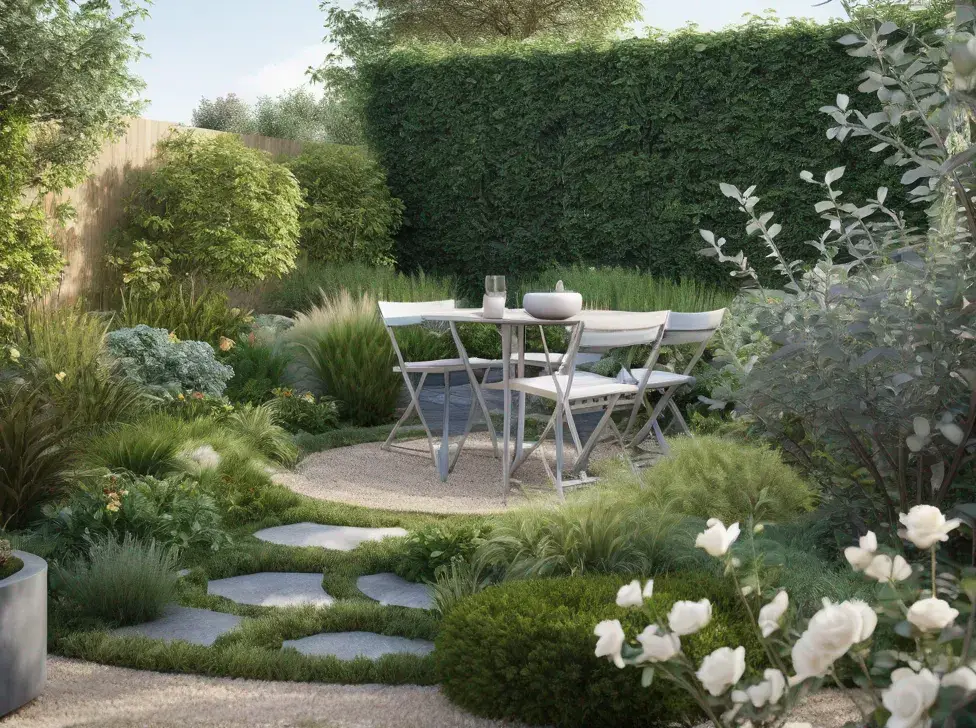
AI garden planning analyzes plant characteristics and predicts interactions. Algorithms understand specific sunlight and water needs, considering soil type, hardiness zones, and mature plant size.
The technology uses extensive, updated plant databases. AI identifies plants that thrive together (companion planting) and those that compete for resources. For example, it might suggest pairing lavender with roses because lavender repels aphids.
AI can predict mature plant size, preventing overcrowding. It helps space plants correctly from the start, avoiding frequent transplanting or pruning. This proactive approach anticipates growth and creates a harmonious environment.
Design Tools: What's Available Now?
Several AI garden design tools are emerging. iScape lets you upload a yard photo to visualize different plants and arrangements, offering perennial options and basic care information.
Gardenize focuses on plant selection and garden planning, offering personalized recommendations based on your location, sunlight, and soil type. It helps choose the right plants for specific conditions.
Bloomscape, a plant retailer, uses AI to suggest plant combinations and care schedules. Its integration with a plant delivery service makes it easy to implement designs. These tools offer inspiration and guidance, not full design services.
Integration with local nurseries is limited; most tools suggest plants, but you source them yourself. Future development could include systems that generate shopping lists and connect with local nurseries.
- iScape: Photo-based design visualization, plant suggestions.
- Gardenize: Personalized plant recommendations, garden planning.
- Bloomscape: AI-driven plant combinations, direct plant delivery.
AI Garden Design Tool Comparison - 2026
| Tool Name | Design Style | Plant Focus | Key Features | Ease of Use |
|---|---|---|---|---|
| GardenAI | Naturalistic, Cottage | Primarily Perennials, some annual integration | Plant recommendation engine, basic 3D visualization, sun/shade analysis | Beginner |
| Bloomscape Design (AI-powered feature) | Modern, Minimalist | Mixed (Perennials & Annuals) | Plant selection based on light and space, augmented reality (AR) plant placement, care reminders | Intermediate |
| Planterly | Formal, English Garden | Perennials with emphasis on bloom time sequencing | Advanced 3D rendering, seasonal planning, companion planting suggestions | Intermediate to Advanced |
| GreenThumb AI | Ecological, Pollinator-focused | Perennials, Native Plants | Habitat creation recommendations, water-wise planting suggestions, pest/disease prediction | Intermediate |
| Yardly | Varied - user-defined | Mixed (Perennials, Annuals, Shrubs) | Photo-based design upload & modification, plant database with detailed information, basic layout tools | Beginner to Intermediate |
| FloraForge | Cottage, Woodland | Perennials and Groundcovers | Focus on texture and color combinations, specialized for shade gardens, plant community building | Intermediate |
Illustrative comparison based on the article research brief. Verify current pricing, limits, and product details in the official docs before relying on it.
Beyond Design: AI for Plant Health
AI's potential goes beyond garden layout. AI-powered sensors and image recognition systems monitor plant health in real-time, detecting subtle changes in leaf color, growth patterns, or stem that might indicate a problem.
Soil sensors measure moisture, nutrient availability, and pH. Image recognition software from drones or smartphone cameras identifies diseases, pests, or nutrient deficiencies early, preventing serious damage.
Personalized care recommendations are promising. An AI system could tell you when and how much to water each plant based on its needs and weather, or alert you to fungal infections early. These systems require careful interpretation and human oversight, and accuracy can vary.
Low-Maintenance Perennials: AI's Top Picks
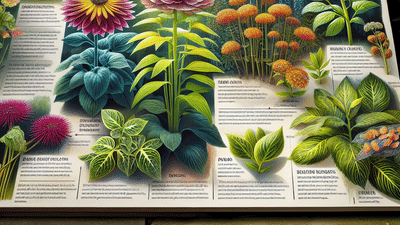
AI garden planners favor certain perennials for ease of care and resilience. Resources like Martha Stewart's recommendations for low-maintenance plants show why AI prioritizes species like Daylilies (Hemerocallis), which adapt to various soils and tolerate drought.
Coneflowers (Echinacea) are favored for pest resistance and long blooming periods, attracting pollinators and aligning with sustainable practices. Black-Eyed Susans (Rudbeckia hirta) are valued for hardiness and thriving in less-than-ideal conditions.
Hosta are recommended for shade gardens, prized for foliage and minimal maintenance. Coral Bells (Heuchera) offer varied leaf colors and textures and are drought-tolerant once established. Russian Sage (Perovskia atriplicifolia) is favored for silvery foliage and attracting pollinators.
Sedum (Autumn Joy) is suggested for late-season blooms and drought tolerance. Peonies are a classic choice, known for long lifespan and low maintenance. AI identifies these plants for their beauty and ability to thrive with minimal intervention.
The Data Privacy Question
Privacy is a concern with data-collecting technology. Many AI garden planning tools require yard photos, which may contain identifiable information, and location data for recommendations. Understanding what happens to this data is important.
Data privacy policies vary. Some companies use data solely to improve services and don't share it. Others use aggregated, anonymized data for research. Read privacy policies carefully before using any AI garden planning tool.
undefined your personal information. This is an evolving area, and greater transparency from developers is needed.
Future Trends: What to Expect
Looking ahead to 2026 and beyond, we can expect to see even greater integration of AI into garden planning. One likely trend is more sophisticated image recognition capabilities, allowing AI to accurately identify existing plants and assess their health from a simple photo. We might also see AI systems that can automatically generate 3D models of your garden, allowing you to visualize your design in detail.
Integration with smart home systems is also on the horizon. Imagine an AI-powered garden that automatically adjusts watering schedules based on weather forecasts and soil moisture levels, and even alerts you to potential problems via your smart speaker. Another exciting possibility is the use of AI to predict the impact of climate change on your garden, recommending plants that are likely to thrive in future conditions.
Ultimately, the goal is to create a more personalized and proactive gardening experience. AI will not just tell you what to do, but when to do it, and why. The focus will shift from reactive problem-solving to preventative care, helping gardeners create thriving, sustainable landscapes with minimal effort.
DIY vs. Pro: Finding the Right Balance
AI-powered garden design tools are incredibly valuable for generating ideas, visualizing layouts, and learning about different plants. However, they shouldn’t be seen as a replacement for the expertise of a professional landscape designer. AI excels at data analysis and pattern recognition, but it lacks the nuanced understanding of local conditions and aesthetic preferences that a human designer brings to the table.
A skilled landscape designer can assess your site’s unique challenges – soil type, drainage, sunlight exposure – and create a design that is tailored to your specific needs. They can also advise you on plant selection, taking into account factors like mature size, growth habits, and compatibility with your existing landscape. While AI can provide suggestions, a designer can provide informed, context-specific guidance.
The cost difference can be significant. AI tools typically range from free to a few hundred dollars per year, while hiring a landscape designer can cost several thousand dollars, depending on the scope of the project. Ultimately, the best approach depends on your budget, your level of gardening experience, and your desired outcome. AI is a powerful tool to augment your own creativity, but it's often best used in conjunction with professional expertise.
No comments yet. Be the first to share your thoughts!