
The shift toward wilder gardens
There’s a noticeable shift happening in gardening. People are moving away from meticulously sculpted lawns and exotic annuals and towards something…wilder. This isn’t just a trend; it's a response to a growing awareness of the ecological challenges we face. The decline of pollinator populations – bees, butterflies, moths – is alarming. We’ve lost so much habitat, and with it, the intricate relationships that keep our ecosystems functioning. Using native perennial plants is a powerful way to address this.
For too long, traditional landscaping has prioritized aesthetics over ecological function. Think about it: vast stretches of non-native turfgrass require constant watering, fertilizing, and mowing. These practices deplete resources and offer little to no benefit to local wildlife. Native perennials, on the other hand, are adapted to the local climate and soil conditions. They've evolved alongside native insects and other animals, forming symbiotic relationships that are essential for a healthy ecosystem.
Choosing native perennials is a direct way to support biodiversity and cut back on water and chemicals. It turns a yard from a static space into a habitat. 2026 is a good time to start as local nurseries are finally stocking more than just the standard boxwoods and hostas.
We're seeing a rise in demand for these plants, and nurseries are starting to respond. More information is becoming accessible, and communities are organizing to promote native plant gardening. It's not about abandoning beauty; it’s about redefining it. A garden filled with native blooms is a dynamic, ever-changing spectacle, far more rewarding than a perfectly manicured lawn.
Matching plants to your region
The term 'native' can be deceptively simple. It doesn’t mean a plant is automatically beneficial everywhere. A plant native to New England isn’t necessarily native – or even suitable – for a garden in the Southeast. Understanding ecoregions is key to successful native plant gardening. These are areas defined by distinct climate, geology, and ecological characteristics.
The United States is divided into numerous ecoregions, each with its own unique flora. What grows well in the humid forests of the Appalachian Mountains will struggle in the arid deserts of the Southwest. Sourcing plants locally is crucial. Plants grown closer to your location are more likely to be adapted to your specific conditions and will have a higher chance of survival. It also reduces the risk of introducing invasive species or diseases.
Watch out for cultivars. Some are bred for neon colors or double petals that look great to us but are useless to a bee that can't reach the nectar. If a plant is bred to look fundamentally different from its wild ancestor, local insects might not even recognize it as food.
Resources like the USDA Plant Hardiness Zone Map can be a starting point, but they don't tell the whole story. They focus on average minimum winter temperatures, but they don’t account for factors like soil type, rainfall patterns, or elevation. Checking with your local native plant society or cooperative extension office is the best way to determine which plants are truly native to your area.
20 Standout Native Perennials for 2026
Choosing the right native perennials for your garden can feel overwhelming, but it doesn’t have to be. Here are 20 standouts, selected for their ecological value, ease of care, and widespread availability. I've focused on plants that will thrive in a variety of conditions, but always check local suitability.
- Smooth white beardtongue (Penstemon digitalis): These white tubular flowers are bee magnets. They handle full sun and grow up to 3 feet tall. Avoid the 'Husker Red' cultivar if you want the highest pollinator traffic.
- Canada Anemone (Anemone canadensis): This cheerful plant spreads readily and forms dense colonies of bright white flowers. It thrives in moist, shady conditions and is a favorite of pollinators. Height: 6-18 inches, Zones: 3-8.
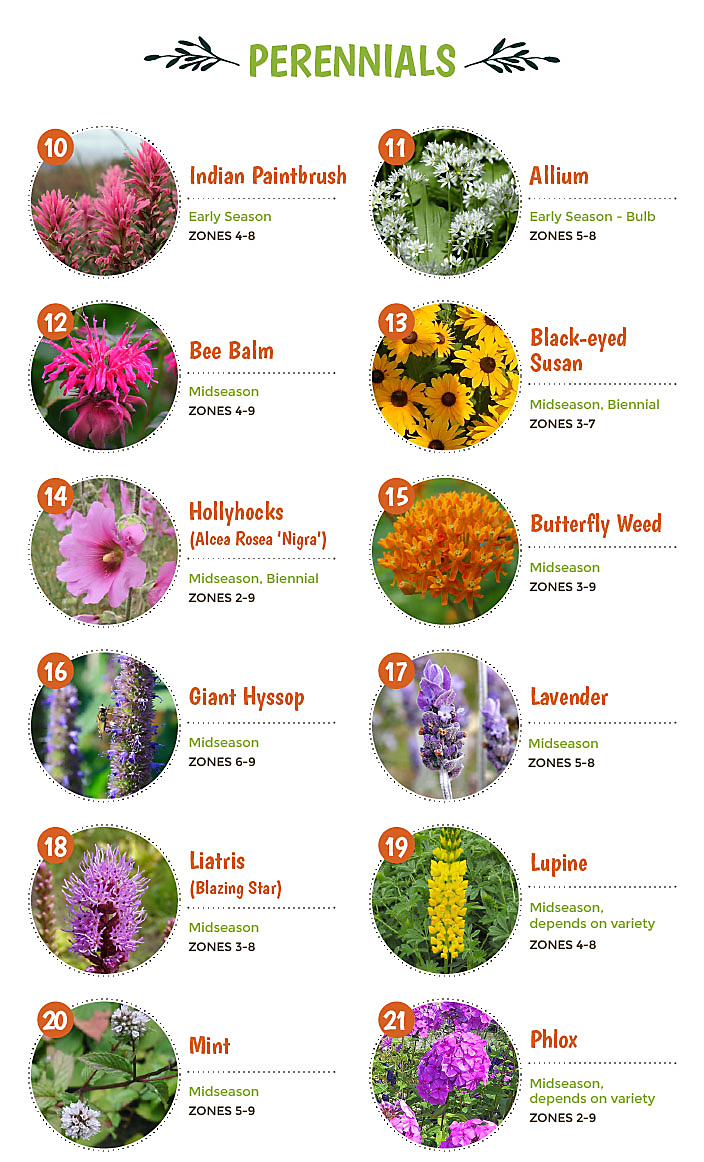
- Purple Coneflower (Echinacea purpurea): A classic native perennial known for its daisy-like flowers with prominent orange-brown cones. It attracts butterflies and seed-eating birds. Full sun, well-drained soil. Height: 2-5 feet, Zones: 3-9.
- Black-Eyed Susan (Rudbeckia hirta): Another iconic native, the Black-Eyed Susan offers bright yellow flowers with dark brown centers. It’s drought-tolerant and attracts a wide range of pollinators. Full sun, adaptable to various soil types. Height: 1-3 feet, Zones: 3-9.
- Bee Balm (Monarda spp.): Available in shades of red, pink, and purple, Bee Balm is a magnet for bees, butterflies, and hummingbirds. Prefers moist, well-drained soil and full sun to partial shade. Height: 2-4 feet, Zones: 4-9.
- Wild Columbine (Aquilegia canadensis): This delicate plant features nodding red and yellow flowers that attract hummingbirds and long-tongued bees. Thrives in partial shade and well-drained soil. Height: 1-2 feet, Zones: 3-8.
- Blue Flag Iris (Iris versicolor): A striking plant with deep blue-purple flowers. Prefers moist to wet soil and full sun to partial shade. Height: 2-4 feet, Zones: 4-9.
- Goldenrod (Solidago spp.): Often unfairly blamed for allergies (ragweed is the real culprit!), Goldenrod provides a late-season source of nectar for pollinators. Full sun, adaptable to various soil types. Height: 2-5 feet, Zones: 3-9.
- New England Aster (Symphyotrichum novae-angliae): This plant blooms in late summer and fall, providing a valuable food source for migrating butterflies. Full sun, moist soil. Height: 3-6 feet, Zones: 3-8.
- Butterfly Weed (Asclepias tuberosa): A crucial host plant for Monarch butterflies. Bright orange flowers attract a variety of pollinators. Full sun, well-drained soil. Height: 1-3 feet, Zones: 3-9.
- Little Bluestem (Schizachyrium scoparium): A beautiful native grass that provides winter interest with its reddish-bronze foliage. Full sun, well-drained soil. Height: 2-4 feet, Zones: 3-9.
- Foxglove Beardtongue (Penstemon hirsutus): Similar to Smooth White Beardtongue, but with slightly hairy leaves. Attracts hummingbirds and bees. Full sun, well-drained soil. Height: 2-5 feet, Zones: 3-8.
- Wild Ginger (Asarum canadense): A groundcover with heart-shaped leaves and unique, inconspicuous flowers. Prefers shade and moist soil. Height: 6-12 inches, Zones: 3-7.
- Common Milkweed (Asclepias syriaca): Another vital host plant for Monarch butterflies. It can spread aggressively, so consider its placement carefully. Full sun, adaptable to various soil types. Height: 2-5 feet, Zones: 3-9.
- Mountain Mint (Pycnanthemum virginianum): A highly attractive plant to pollinators, especially bees. It has a strong minty fragrance. Full sun to partial shade, moist soil. Height: 2-3 feet, Zones: 3-8.
- Aromatic Aster (Symphyotrichum oblongifolium): Offers late-season blooms and a pleasant fragrance. Full sun, well-drained soil. Height: 1-3 feet, Zones: 3-8.
- Blue Vervain (Verbena hastata): Tall spikes of purple flowers attract butterflies and other pollinators. Prefers moist soil and full sun to partial shade. Height: 3-5 feet, Zones: 3-8.
- Compass Plant (Silphium laciniatum): A striking plant with large, deeply lobed leaves. The leaves orient themselves roughly north-south, hence the name. Full sun, well-drained soil. Height: 3-8 feet, Zones: 3-9.
- Prairie Dropseed (Sporobolus heterolepis): A beautiful native grass with arching foliage and a delicate fragrance. Full sun, well-drained soil. Height: 2-4 feet, Zones: 3-9.
- Showy Goldenrod (Solidago speciosa): Another excellent Goldenrod variety, offering abundant blooms for pollinators. Full sun, adaptable to various soil types. Height: 2-5 feet, Zones: 3-8.
Native Perennial Plant Selection Guide
| Plant Name | Sun Exposure | Soil Moisture | Bloom Color | Height (inches) | Pollinator Attraction |
|---|---|---|---|---|---|
| Smooth White Beardtongue (Penstemon digitalis) | Full sun to partial shade | Dry to moist, well-drained | White | 12-36 | High - supports many bee and hummingbird species |
| Canada Anemone (Anemone canadensis) | Full sun to partial shade | Moist | White | 12-24 | Moderate - attracts bees |
| Black-Eyed Susan (Rudbeckia hirta) | Full sun | Well-drained | Yellow with dark center | 12-36 | High - attracts bees and butterflies |
| Purple Coneflower (Echinacea purpurea) | Full sun | Well-drained | Purple | 24-60 | High - attracts bees, butterflies, and birds |
| Wild Bergamot (Monarda fistulosa) | Full sun to partial shade | Moist, well-drained | Lavender to Pink | 24-48 | High - attracts bees, butterflies, and hummingbirds |
| Blue Flag Iris (Iris versicolor) | Full sun to partial shade | Moist to wet | Blue to Purple | 24-48 | Moderate - attracts bees and other pollinators |
| New England Aster (Symphyotrichum novae-angliae) | Full sun | Moist | Purple | 36-60 | High - late-season nectar source for monarchs and other pollinators |
Illustrative comparison based on the article research brief. Verify current pricing, limits, and product details in the official docs before relying on it.
Maintenance and soil health
The benefits of using native perennial plants extend far beyond aesthetic appeal. These plants are integral to the health of local ecosystems. They serve as a food source for a wide range of insects, birds, and other wildlife. Native plants have co-evolved with these animals, meaning they provide the specific nutrients and resources they need to thrive.
Native plants also play a crucial role in supporting food webs. Insects that feed on native plants, in turn, become food for birds and other predators. This creates a cascading effect that benefits the entire ecosystem. By removing native plants and replacing them with non-native species, we disrupt these delicate relationships.
Compared to traditional landscaping, native perennial gardens require significantly less maintenance. They are adapted to the local climate and soil conditions, meaning they need less water, fertilizer, and pesticides. This not only saves you time and money but also reduces your environmental impact. They also contribute to improved soil health through their extensive root systems, which help to prevent erosion and improve water infiltration.
Consider the impact of reduced pesticide use. Many non-native plants are susceptible to pests and diseases, requiring regular applications of chemicals. These chemicals can harm beneficial insects, pollute waterways, and pose risks to human health. Native plants, being adapted to local conditions, are generally more resistant to pests and diseases.
- Supports pollinator populations
- Provides habitat for wildlife
- Reduces water consumption
- Minimizes fertilizer and pesticide use
- Improves soil health
Troubleshooting Common Issues
Transitioning to a native perennial garden isn’t always seamless. Gardeners often encounter challenges, but they’re usually manageable. Deer browsing is a common concern, especially in areas with high deer populations. Protecting young plants with fencing or netting can be effective, as can choosing deer-resistant species.
Competition from invasive species is another potential problem. Regularly monitoring your garden and removing invasive plants is crucial. It’s also important to avoid planting invasive species in the first place. Your local cooperative extension office can provide information on invasive plants in your area. Prevention is far easier than eradication.
Establishing native plants in poor soil can be challenging. Native plants are generally adaptable, but they may need some help to get started. Amending the soil with compost can improve its fertility and drainage. Mulching around plants can help to retain moisture and suppress weeds. Be patient; it can take time for native plants to become established.
Don’t be discouraged by initial failures. Gardening is a learning process. Experiment with different plants and techniques to find what works best in your garden. Connect with other native plant gardeners in your area to share tips and advice. The rewards of creating a thriving native perennial garden are well worth the effort.
Resources for Further Exploration
There’s a wealth of information available for gardeners who want to. Regional native plant societies are excellent resources, offering workshops, plant sales, and expert advice. Online databases like the Lady Bird Johnson Wildflower Center Native Plant Database provide detailed information on thousands of native plants.
Reputable nurseries specializing in native plants can also be a valuable source of information. They can help you choose the right plants for your garden and provide guidance on planting and care. Don’t hesitate to ask questions and seek their expertise.
- New York Department of Environmental Conservation Native Plants:
- Cornell Cooperative Extension Monroe County Native Plant Lists:
- Lady Bird Johnson Wildflower Center Native Plant Database:
- US Perennials:
Native Plant Resources
- Native Plant Societies - Local and regional chapters offer plant sales, educational workshops, and volunteer opportunities focused on native flora.
- Lady Bird Johnson Wildflower Center - A comprehensive online database with plant profiles, images, and information on native ranges, growing conditions, and wildlife value.
- Audubon Society Native Plant Database - Searchable database allowing users to find plants beneficial to birds, categorized by zip code.
- Local Nurseries Specializing in Natives - Many nurseries now focus on regionally appropriate native plants, offering expert advice and locally sourced stock. Check for certifications like those from the Sustainable Nursery Network.
- USDA PLANTS Database - Official source for plant information from the United States Department of Agriculture, including distribution maps and classification.
- State Native Plant Programs - Many state departments of conservation or natural resources have dedicated native plant programs with resources and conservation initiatives.
- National Wildlife Federation Native Plant Finder - Tool to discover native plants for your area based on zip code, supporting specific butterfly and moth species.


No comments yet. Be the first to share your thoughts!