
Why Pollinators Need Our Help
Pollinator populations – bees, butterflies, moths, and even hummingbirds – are declining globally. This decline impacts our food supply and ecosystem health, as roughly 75% of the world’s food crops depend on pollination.
Habitat loss, widespread pesticide use (especially neonicotinoids), and climate change are major contributors to this decline. Pesticides disrupt pollinator navigation and immune systems, while climate change alters bloom times and creates mismatches with food sources.
Gardeners can help reverse this trend by planting pollinator-friendly flowers to create habitats and food sources. Even a small balcony garden can make a difference.
Focused efforts, like incorporating pollinator-friendly plants, can have a measurable impact on pollinator survival and biodiversity.
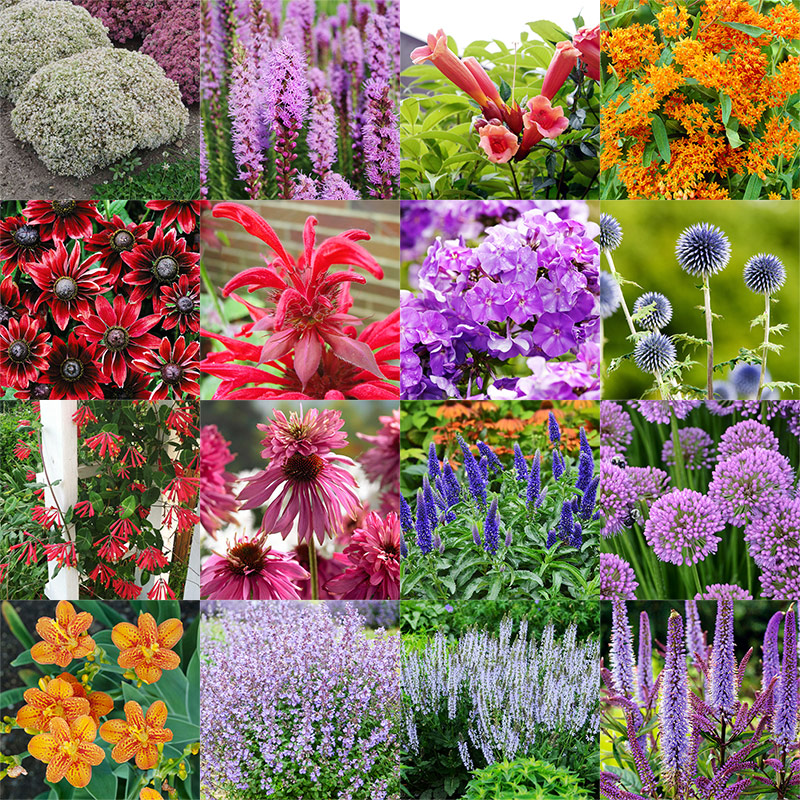
Ten Perennial Stars for Pollinators
Choosing the right perennials is key to creating a pollinator haven. Here are ten exceptional choices, known for their attractiveness to a variety of pollinators, with details on bloom time, sun exposure, soil preferences, and size.
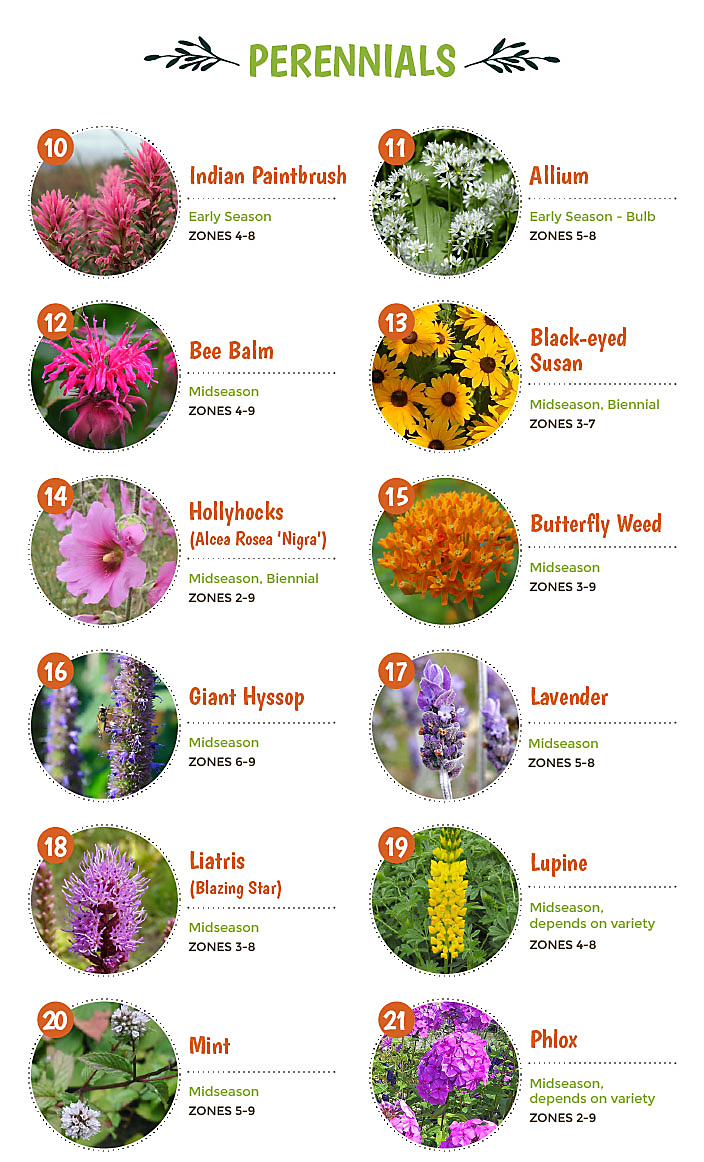
Bee Balm (Monarda) blooms from mid-summer to early fall and thrives in full sun to partial shade. It prefers moist, well-drained soil and typically reaches a height and spread of 2-4 feet. Bee balm is incredibly attractive to bees, hummingbirds, and butterflies. The red varieties are particularly favored by hummingbirds.
Purple Coneflower (Echinacea purpurea) offers long-lasting blooms from mid-summer to fall and prefers full sun and well-drained soil. Growing to 2-5 feet tall, it’s a robust plant that attracts bees, butterflies, and even goldfinches who feed on the seed heads. There are many cultivars available, offering a range of colors beyond the traditional purple.
Black-Eyed Susan (Rudbeckia hirta) is a cheerful addition to any garden, blooming from summer to fall in full sun. It’s adaptable to various soil types and reaches a height of 1-3 feet. This plant is a magnet for bees and butterflies, providing a valuable late-season nectar source.
Butterfly Bush (Buddleja davidii), as the name suggests, is a butterfly magnet. Blooming from summer to fall in full sun, it prefers well-drained soil and can grow to 5-10 feet tall. Butterflybushes.com offers a wide selection, including the 'Buzz’ series known for attracting bees. However, be aware that it can be invasive in some regions.
Salvia (Salvia spp.) comes in a wide variety of colors and sizes, with many varieties blooming throughout the summer. Most salvias prefer full sun and well-drained soil. They’re especially attractive to hummingbirds, bees, and butterflies. "May Night" Salvia is a popular, reliable choice.
Aster (Aster spp.) provides late-season blooms, crucial for pollinators preparing for winter. Asters prefer full sun and moist, well-drained soil, growing to 1-4 feet tall. They attract bees and butterflies, offering a valuable nectar source when other flowers are fading.
Phlox (Phlox paniculata) blooms in mid-summer and prefers full sun to partial shade. It thrives in moist, well-drained soil and reaches a height of 2-4 feet. Phlox is a favorite of butterflies and bees, offering fragrant, colorful blooms.
Lupine (Lupinus spp.) offers stunning vertical blooms in late spring to early summer. It prefers full sun and well-drained soil, growing to 1-5 feet tall. Lupines are particularly attractive to long-tongued bees and butterflies.
Hyssop (Agastache spp.) is a fragrant herb with long-lasting blooms from summer to fall. It prefers full sun and well-drained soil, reaching a height of 1-3 feet. Hyssop attracts bees, butterflies, and hummingbirds, offering a unique licorice-like scent.
Daylily (Hemerocallis spp.) While often overlooked, daylilies provide a substantial nectar source. They prefer full sun to partial shade and well-drained soil, growing to 1-4 feet tall. Many varieties attract bees and butterflies.
Pollinator-Friendly Perennial Flowers
| Common Name | Scientific Name | Bloom Time | Sun Exposure | Zone Hardiness | Pollinators Attracted |
|---|---|---|---|---|---|
| Purple Coneflower | Echinacea purpurea | Summer to Fall | Full Sun | 3-9 | Bees, Butterflies, Birds |
| Bee Balm | Monarda didyma | Summer | Full Sun to Partial Shade | 4-9 | Bees, Hummingbirds, Butterflies |
| Butterfly Bush | Buddleja davidii | Summer to Fall | Full Sun | 5-9 | Butterflies, Bees |
| Aster | Symphyotrichum spp. | Fall | Full Sun to Partial Shade | 3-8 | Bees, Butterflies |
| Black-Eyed Susan | Rudbeckia hirta | Summer to Fall | Full Sun | 3-9 | Bees, Butterflies |
| Milkweed (Common) | Asclepias syriaca | Summer | Full Sun | 3-9 | Monarch Butterflies, Bees |
| Lavender | Lavandula angustifolia | Summer | Full Sun | 5-8 | Bees, Butterflies |
| Salvia | Salvia nemorosa | Spring to Fall | Full Sun | 4-8 | Bees, Hummingbirds, Butterflies |
Illustrative comparison based on the article research brief. Verify current pricing, limits, and product details in the official docs before relying on it.
Milkweed: A Monarch Butterfly Essential
Milkweed is critical for monarch butterflies, as it is the only plant monarch caterpillars will feed on. Without it, monarch populations will continue to decline.
Several milkweed species are available, including Common Milkweed (Asclepias syriaca), which grows vigorously in various conditions; Swamp Milkweed (Asclepias incarnata), preferring moist soils; and Butterfly Weed (Asclepias tuberosa), a more compact variety for smaller gardens.
To mitigate concerns about milkweed invasiveness, responsible gardening practices like deadheading flowers before they seed and choosing native varieties appropriate for your region are crucial. Regular monitoring and removal of unwanted seedlings can also help.
Beyond Bees and Butterflies: Supporting Other Pollinators
A thriving pollinator garden supports diverse species beyond bees and butterflies. Moths, for example, are important night pollinators, attracted by plants like Evening Primrose (Oenothera biennis) and Moonflower (Ipomoea alba) which release fragrance at dusk.
Hummingbirds are attracted to brightly colored, tubular flowers like Salvia, Bee Balm, and Trumpet Honeysuckle (Lonicera sempervirens). Planting these in clusters can create a visual beacon for them.
Beneficial insects like hoverflies and predatory wasps also play a role, pollinating and controlling pests. Yarrow (Achillea millefolium) and Fennel (Foeniculum vulgare) attract these allies. A diverse plant palette supports a complex web of interactions, creating a resilient ecosystem.
Pollinator Profiles & Favored Plants
- Mason Bees - These solitary bees are incredibly efficient pollinators, lacking a hive to return to, they focus solely on gathering pollen. They are attracted to early-blooming plants.
- Carpenter Bees - Often mistaken for bumblebees, these bees bore into wood to create nests. They are important pollinators, particularly for plants with long, tubular flowers. They don't produce honey.
- Sphinx Moths (Hawk Moths) - These nocturnal pollinators are known for their long proboscis, allowing them to reach nectar in deep-throated flowers. They are strong fliers and often visit fragrant blooms.
- Hoverflies (Flower Flies) - These bee-like flies are excellent pollinators, with the larvae often feeding on aphids, making them beneficial insects in the garden. They are drawn to daisies and other composite flowers.
- Mining Bees - Small, solitary bees that nest in the ground. They are early risers and are vital for pollinating fruit trees and early spring flowers.
- Checkered Skipper Butterflies - These small butterflies have a distinctive checkered pattern on their wings. They primarily feed on nectar from legumes and other small flowering plants.
- Rubyspot Swallowtail Butterflies - These butterflies are attracted to plants in the carrot family, using them as both larval host plants and nectar sources for adults. They favor damp meadows and woodland edges.
Designing for Continuous Bloom
To support pollinators year-round, plan for succession planting with staggered bloom times. A garden providing resources from early spring to late fall offers more benefit than one with a single bloom period.
An example planting schedule includes: early spring – Crocus, Snowdrops; late spring – Lupine, Phlox; summer – Bee Balm, Coneflower; fall – Aster, Sedum. Grouping plants with similar needs simplifies care, creates visual impact, and helps pollinators find food.
Consider plant height and form. Mixing tall Lupine with lower-growing Coneflowers creates visual appeal. Layering plants also provides different access levels for pollinators. A well-designed pollinator garden is beautiful and functional.
Cultivating a Pollinator-Friendly Habitat
Creating a pollinator garden involves more than just planting flowers; providing water is also crucial. A shallow dish with pebbles offers a safe drinking spot for pollinators. Avoid pesticides and opt for organic gardening practices.
Leave some bare ground for ground-nesting bees. Brush piles and native grasses offer shelter for overwintering insects. Prioritize native plants, as they are best adapted to local climates and provide the most beneficial resources for native pollinators.
A pollinator garden is a miniature ecosystem. Providing food, water, shelter, and a pesticide-free environment creates a haven for essential creatures, benefiting both the planet and the gardener.
Troubleshooting Common Problems
Challenges in pollinator gardens include deer browsing, which can be managed with netting or deer-resistant varieties. Aphids and Japanese beetles can damage plants; encourage beneficial insects like ladybugs and lacewings for natural pest control.
Proper plant identification is key to distinguishing pests from beneficial insects; for example, hoverfly larvae resemble aphids but are predatory. Regularly inspect plants and learn to recognize common pests and their natural enemies. Insecticidal soap and neem oil can be used as a last resort.
Diseases are less common but can occur. Good air circulation and well-drained soil help prevent fungal diseases. Promptly remove and dispose of infected plant material to prevent spread.
Looking Ahead: 2026 and Beyond
Support for pollinators is growing, with increased focus on native plant nurseries
Local pollinator initiatives are springing up across the country, offering opportunities for gardeners to get involved. Joining a local garden club, volunteering at a pollinator garden, or simply spreading the word about the importance of pollinators can make a difference. Every small action contributes to a larger effort.
The future of pollinators depends on our collective efforts. By embracing pollinator-friendly gardening practices, we can create a more sustainable and biodiverse world. It’s a responsibility we all share, and the rewards – a thriving garden, a healthy ecosystem, and a secure food supply – are well worth the effort.


No comments yet. Be the first to share your thoughts!