


A Journey into the Wild: Your Guide to Wildlife Habitat Gardens 🌿
Imagine stepping into a garden, teeming with life, where the hum of bees fills the air, birds serenade from the treetops, and small mammals scurry beneath the foliage. Welcome to the enchanting world of wildlife habitat gardens! These living sanctuaries, brimming with native perennials for wildlife, are more than just a feast for the eyes. They play a crucial role in preserving biodiversity, offering refuge and sustenance to a myriad of creatures.
But how does one transform their garden into such a vibrant ecosystem? The secret lies in your plant selection. With the right perennials, your garden can become a haven for birds, insects, and mammals alike. From the fluttering butterflies drawn to the pollen-rich blooms to the chirping birds feasting on berry-laden branches, every plant plays a part in this intricate web of life.
Ready to embark on this exciting journey of creating a wildlife garden? Let's delve into the world of wildlife-friendly perennial plants and discover how you can bring nature right to your doorstep!

Choosing Your Green Heroes: The Perfect Perennials for Wildlife Gardens 🌼
Embarking on the journey to create a wildlife habitat garden is like opening a bed and breakfast for nature's most enchanting guests. Selecting the right perennials can feel like a puzzle, but it's one that's worth solving. The secret lies in understanding your local climate, soil type, and the available space you have, along with the wildlife species you wish to invite.
Are you aiming to attract hummingbirds or butterflies? Or perhaps you want to provide a haven for beneficial insects or small mammals? Each choice will guide your selection of native perennials for wildlife. Remember, the best perennial garden for wildlife is the one that caters to the needs of your local fauna and flora.
Think of it this way: you're not just planting a garden, you're creating a sanctuary. And who knows, you might even end up with a bird paradise or a wildlife-friendly garden that would make the National Wildlife Federation proud. Ready to get started?
Perennials Preferred by Specific Bird and Insect Species
Now that you understand the factors influencing the selection of perennials for your wildlife habitat garden, let's take a look at some common perennials that are preferred by specific bird and insect species.
| Perennial | Bird Species | Insect Species | |
|---|---|---|---|
| Coneflower | Goldfinches, Sparrows | Bees, Butterflies | 🌸 |
| Sunflower | Cardinals, Blue Jays | Bees, Butterflies | 🌻 |
| Bee Balm | Hummingbirds | Bees, Butterflies | 🌺 |
| Black-eyed Susan | Sparrows, Finches | Bees, Butterflies | 🌼 |
| Milkweed | Monarch Butterflies | Monarch Caterpillars | 🍃 |
Now that you have a general idea of which perennials attract certain wildlife, let's dive deeper into the top perennials for attracting birds.
Feathered Friends' Favourites: Top Perennials for Bird Lovers 🐦
Have you ever wondered what it feels like to be a bird, flitting from one colorful feast to another? Let's dive into the world of native perennials for wildlife that are not just a treat to our eyes but also a banquet for our feathered friends.
Take the Coneflower (Echinacea purpurea), for instance. This perennial wild flower meadow seed is a magnet for Goldfinches, who love to feast on its seeds. It's not just a food source, but also a visual delight with its vibrant pink petals and spiky, dark center.
Or consider the Sunflower (Helianthus annuus). Did you know that its large, yellow blooms are like a dinner bell for a variety of birds, including Blue Jays and Cardinals? And if you're keen on creating a wildlife habitat garden, this plant is a must-have.
So why wait? Start your journey towards a sustainable garden that's a haven for birds, insects, and you!
Top 5 Perennials for Attracting Birds
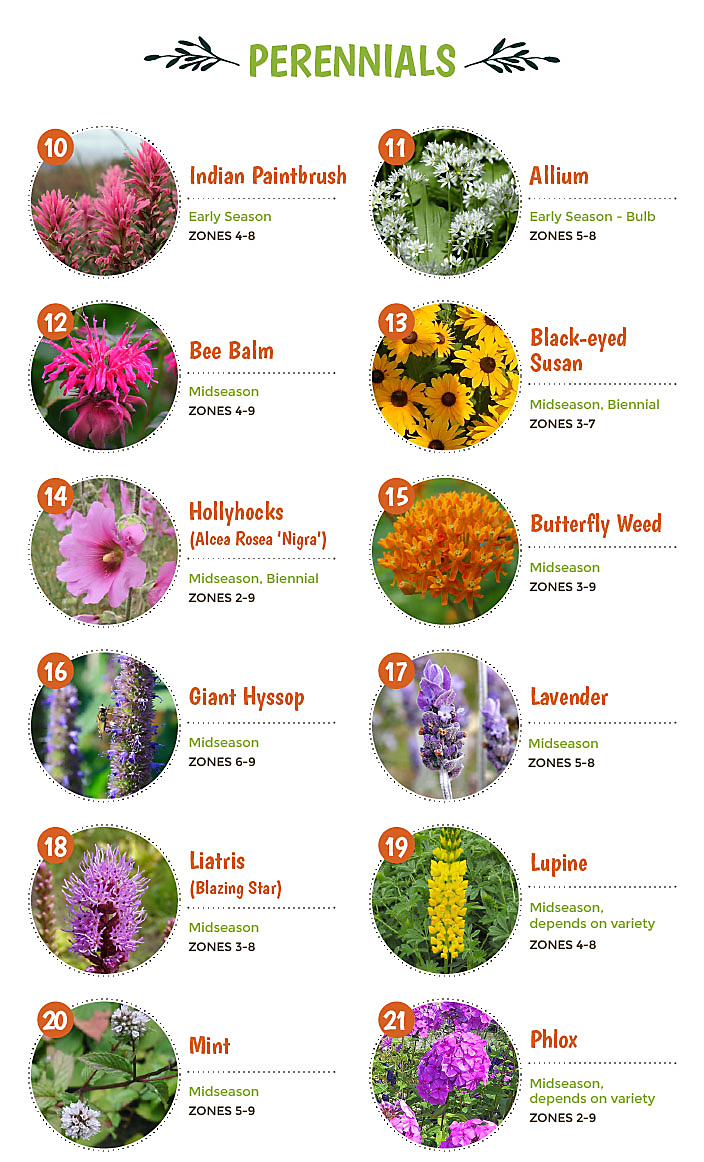
- Coneflower (Echinacea): This plant is a favorite among finches for its seeds. Its vibrant pink flowers also add a pop of color to your garden.
- Sunflower (Helianthus): Sunflowers are a bird magnet, especially for songbirds. They produce an abundance of seeds that birds love.
- Black-eyed Susan (Rudbeckia): This bright yellow flower not only attracts birds with its seeds, but also provides excellent nesting material.
- Serviceberry (Amelanchier): This shrub-like perennial produces berries in early summer that are a favorite among many bird species.
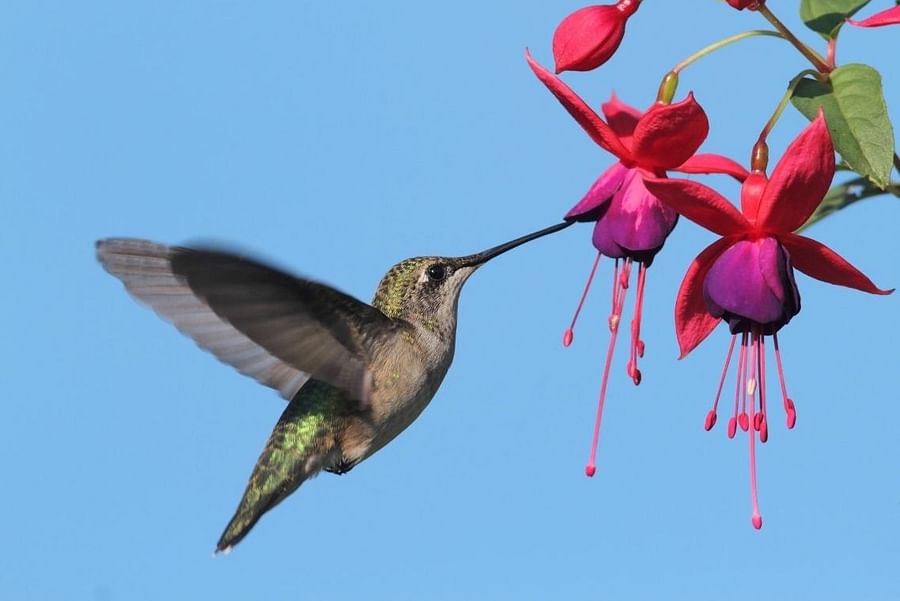
- Trumpet Vine (Campsis radicans): A hummingbird favorite, this plant produces bright orange flowers filled with nectar.
Be the Buzz: Best Perennials to Welcome Beneficial Insects 🐝
Delving into the world of wildlife-friendly perennial plants, we find a myriad of species that serve as a banquet for beneficial insects. Consider the Echinacea purpurea, or Purple Coneflower, an alluring native perennial that not only adds a splash of color to your garden but also attracts an array of pollinators like bees, butterflies, and even hummingbirds. This balance of beauty and benefits is the secret sauce of a thriving wildlife habitat garden.
Another star player in the insect-attracting league is the Yarrow, a hardy perennial that lures beneficial insects like ladybugs and hoverflies. Its feathery foliage and clusters of tiny white, yellow, or pink flowers are a sight to behold. And did you know, these insect guests play a crucial role in pollination, ensuring the reproduction of your beautiful plants?
So, why not transform your garden into a bustling hub for these tiny, tireless workers? Creating a wildlife garden is not just about aesthetics; it's about fostering an environment where nature can flourish. Remember, a garden buzzing with life is a garden that's truly alive!
Top 5 Perennials for Attracting Beneficial Insects
- Butterfly Weed (Asclepias tuberosa): This vibrant orange flower is a favorite among butterflies, especially the Monarch butterfly. It's also a great nectar source for bees and other beneficial insects.
- Goldenrod (Solidago spp.): Goldenrod is a late bloomer that provides a crucial source of nectar for bees and butterflies preparing for winter. Its bright yellow flowers are a beacon for many insects.
- Purple Coneflower (Echinacea purpurea): With its large, daisy-like flowers, the Purple Coneflower is a magnet for bees, butterflies, and other pollinators. It's also a hardy plant that can withstand various weather conditions.
- Yarrow (Achillea millefolium): Yarrow's clusters of tiny flowers are a favorite among beneficial insects like ladybugs, hoverflies, and parasitic wasps. It's also a drought-tolerant plant, making it a great choice for dry climates.
- Bee Balm (Monarda didyma): As the name suggests, Bee Balm is a favorite among bees. But it also attracts butterflies and hummingbirds with its bright red, pink, or purple flowers. It's a great choice for adding a splash of color to your garden.

Furry Garden Guests: Perennials that Feed and Shelter Mammals 🐾
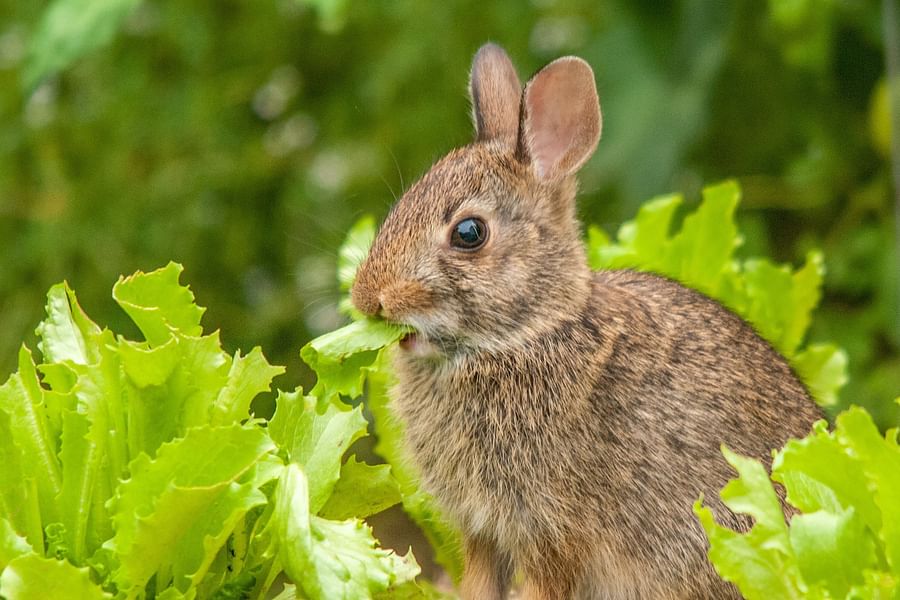
Picture this: a petite hedgehog rustling through the undergrowth of your sustainable garden, a family of rabbits nestled safely in the foliage, or a squirrel feasting on the seeds of your native plant selections. These delightful scenes become a reality when you choose the right perennials for your wildlife habitat garden.
Did you know that certain perennials, like the Coneflower or Black-Eyed Susan, provide a banquet for small mammals, and also act as a safe haven? These wildlife-friendly perennial plants not only add splashes of color to your garden but also create a thriving ecosystem right at your doorstep.
So, why not transform your garden into a sanctuary for these adorable creatures? Check out our guide on native plants that are perfect for attracting and nurturing wildlife, and start creating your wildlife garden today. Remember, a garden teeming with life is a garden that truly thrives.
Top 5 Perennials for Attracting Mammals
- Blackberries (Rubus spp.): These fruit-bearing perennials provide a rich source of food for a variety of mammals, including foxes, bears, and rabbits. They also offer dense foliage for shelter.
- Blueberries (Vaccinium spp.): Another fruit-bearing perennial, blueberries attract mammals like squirrels, raccoons, and chipmunks. They also provide a habitat for various bird species.
- Asters (Aster spp.): These flowering perennials produce seeds that are a favorite of many small mammals, including mice and voles. They also attract a variety of insects, supporting the food chain in your garden.
- Goldenrods (Solidago spp.): Known for their bright yellow flowers, goldenrods are a source of nectar for insects, which in turn serve as food for small insectivorous mammals. Their dense growth also provides shelter.
- Sunflowers (Helianthus spp.): Sunflowers produce large, seed-filled heads that are a favorite food of many mammals, including squirrels and chipmunks. Their tall stems can also provide shelter for small mammals.
Your Green Canvas: How to Plant a Wildlife-Friendly Perennial Garden 🌱
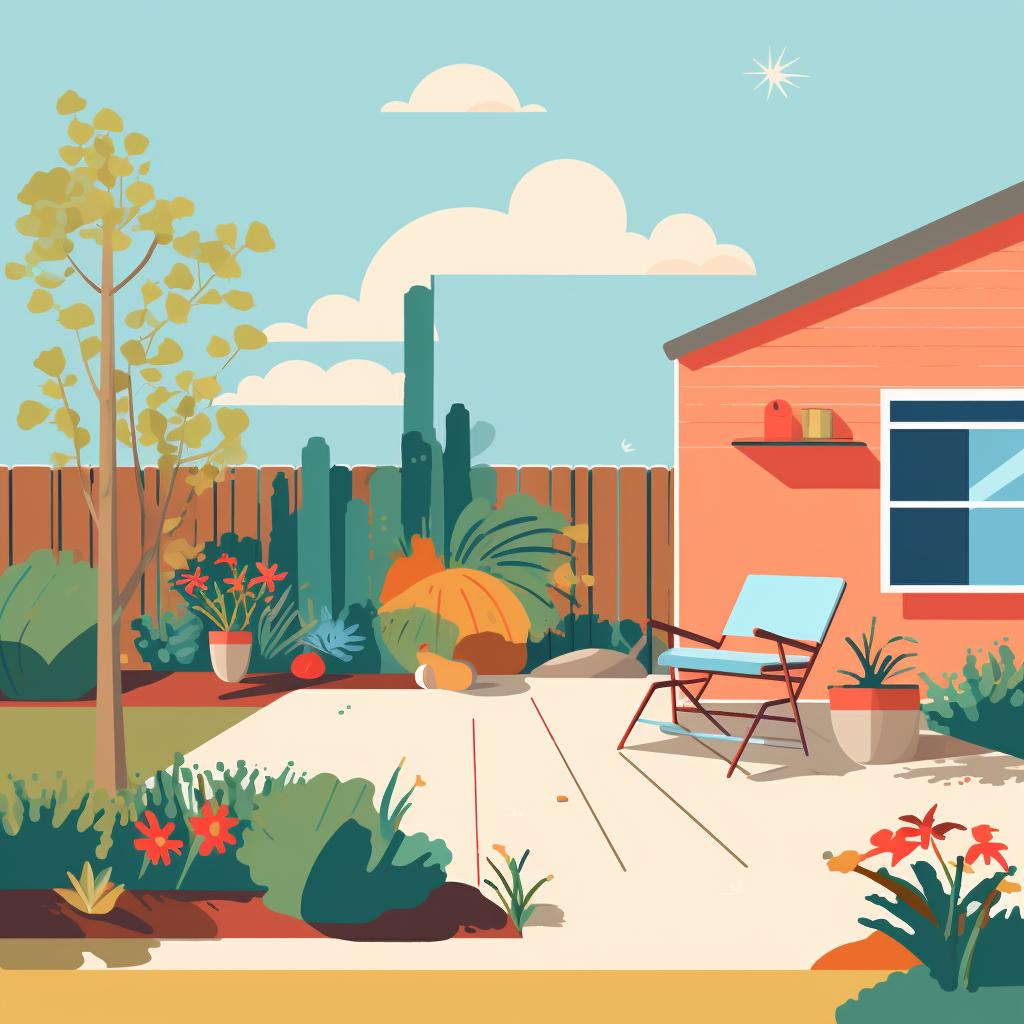
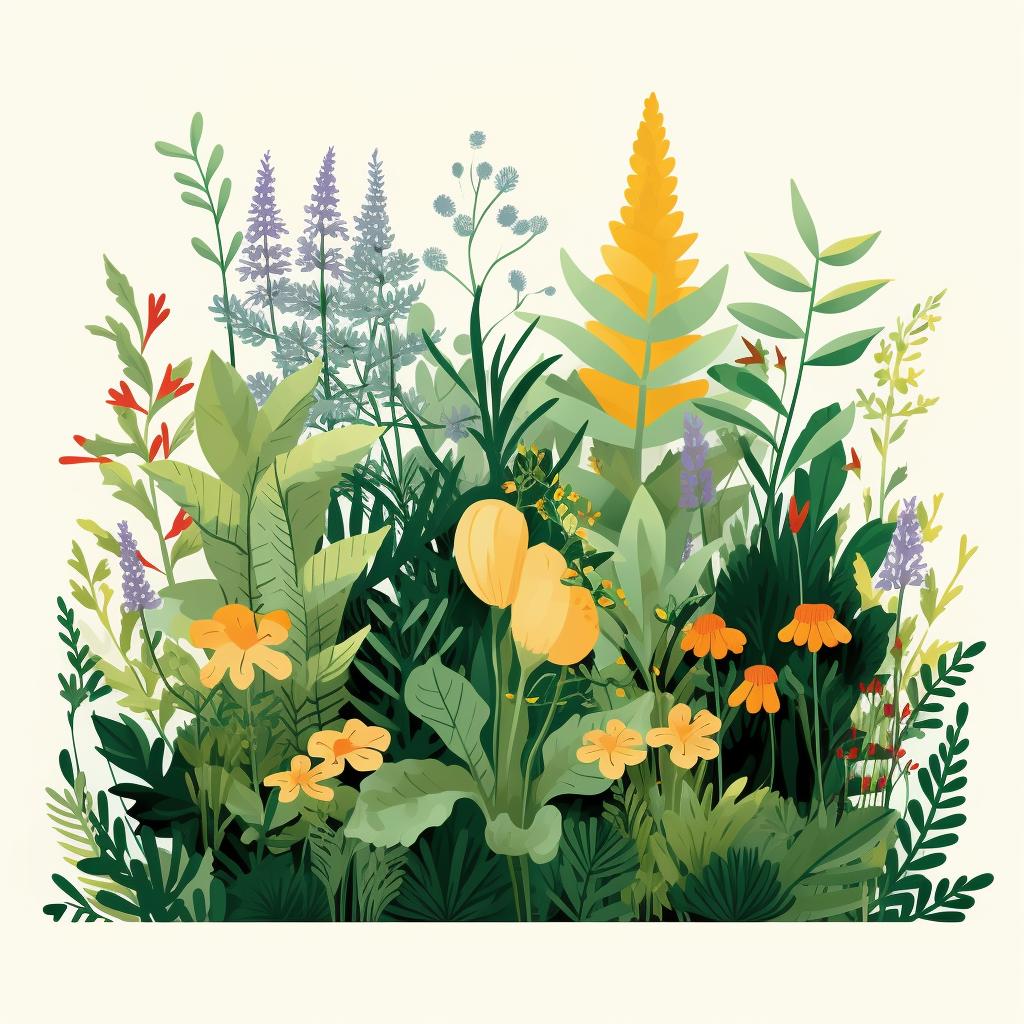
Now that we've discussed the importance of perennials in attracting various wildlife species, let's take a step-by-step look at how you can incorporate these plants into your garden.
Creating Your Wildlife Habitat Garden: A Step-by-Step Guide



Learn more about 🌿 Creating Your Wildlife Habitat Garden: A Step-by-Step Guide 🌿 or discover other Plant Perennial guides.
By following these steps, you can create a beautiful and functional wildlife habitat garden. Not only will you be providing a haven for local wildlife, but you'll also be contributing to biodiversity and the overall health of our planet.

Your Garden, Their Sanctuary: The Impact of Your Wildlife-Friendly Choices 🌍
As we close the curtain on this verdant journey, let's take a moment to reflect, to dream — What might happen if your garden became a sanctuary, a haven for the local wildlife? Imagine the flurry of bird wings, the buzzing hum of bees, the quiet rustling of small mammals — all these wonderful creatures finding respite in your own backyard. And it's not just a beautiful dream. With the right native perennials for wildlife, you can weave a vibrant tapestry of life right outside your window.
By planting wildlife-friendly perennial plants, you're not just crafting an enchanting, living piece of art — you're actively supporting your local ecosystem. We've learned that everything in nature is interconnected, and your garden is a part of that web. So why not make it a thriving link?
And remember, the most rewarding gardens grow over time, just like our understanding of nature's wonders. Keep exploring, keep learning, and keep growing. Ready to take the next step? Then why not take a stroll through our guide to creating a wildlife-friendly garden? The birds, the bees, and even the butterflies are waiting for your welcome.
Perennials for Wildlife Habitat Gardens Quiz
Test your knowledge about perennials and their preferred wildlife.
Learn more about 🌿 Take the Perennials for Wildlife Habitat Gardens Quiz 🐦🦋🐿️ or discover other Plant Perennial quizzes.

No comments yet. Be the first to share your thoughts!