

Cleaning up winter damage
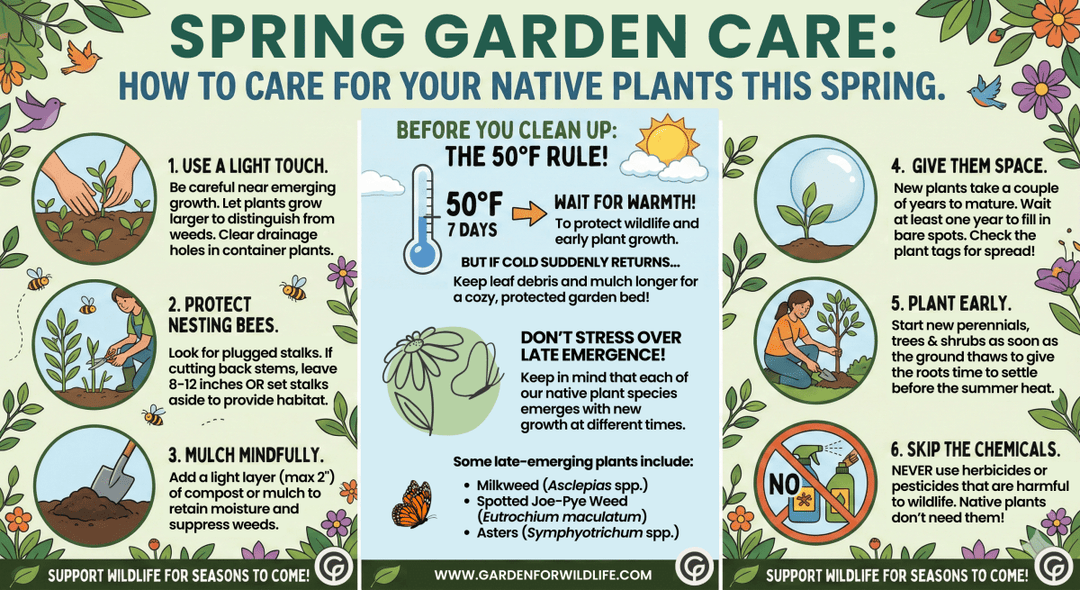
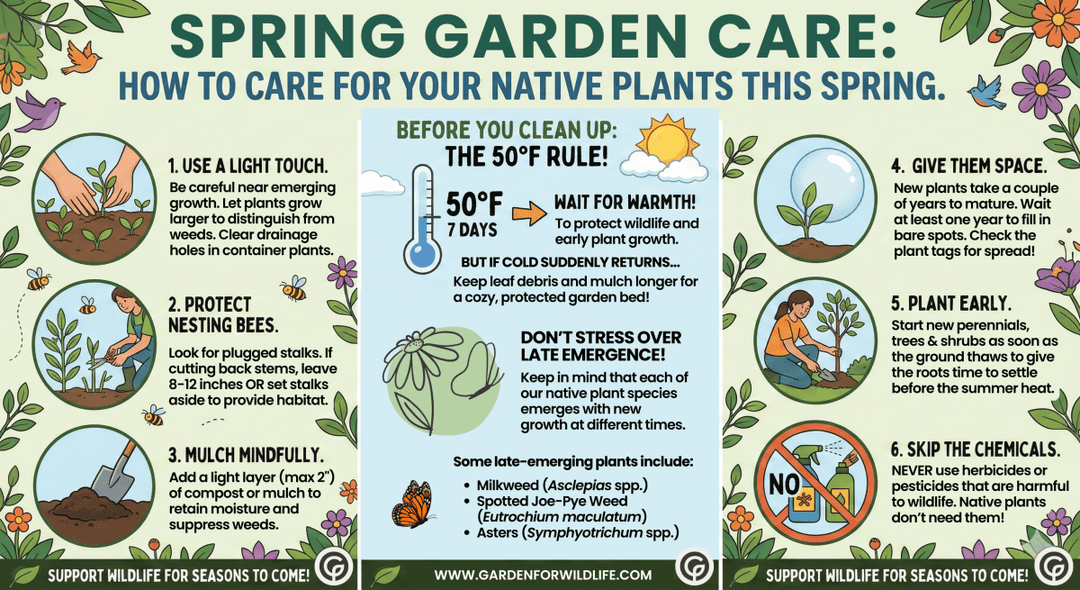
Spring gardening is mostly about damage control. After the snow melts, you're looking at a mess of flattened stems and packed soil that needs immediate attention if you want flowers by June. It's sweaty work, but ignoring the beds now means fighting a losing battle against weeds and stunted growth later.
I remember my first attempts at perennial gardening were a bit… haphazard. I’d just assume everything was fine and let nature take its course. The results were underwhelming, to say the least. Now, I approach spring perennial care with a checklist and a plan, and I’ve seen a dramatic improvement in my garden’s performance.
The overall goals of spring care are threefold: cleanup from winter damage, providing essential nutrients, and preparing the plants for the active growing season. This means removing old debris, assessing plant health, amending the soil, feeding, and addressing any potential pest or disease issues. A little effort now translates to a stunning display later.
Clearing debris and dividing clumps
The first order of business is clearing away the remnants of winter. This means removing old foliage, deadheading any remaining spent flower stalks, and generally tidying up the garden beds. It’s not just about aesthetics; removing dead material helps prevent the spread of disease and provides better air circulation.
One common mistake I see – and I made it myself early on – is mistaking dormant growth for dead growth. Some perennials, like coneflowers and sedum, retain their structural integrity throughout the winter. Before snipping anything back, gently check for signs of life, like swelling buds. If in doubt, wait a little longer.
Spring is also an excellent time to divide overcrowded perennials. Plants that have been growing in the same spot for several years can become congested, leading to reduced flowering and increased susceptibility to disease. Dig up the clump, and gently separate it into smaller sections, each with its own roots and shoots. Replant them, giving each division enough space to thrive. This is particularly beneficial for daylilies, hostas, and astilbes.
Dividing isn't just about improving the health of existing plants; it’s also a great way to propagate new ones. You can replant the divisions in other areas of your garden, share them with friends, or even pot them up for sale. It’s a win-win situation.
Soil Testing & Amendment Strategies
Stop guessing what your dirt needs. Most gardeners throw 10-10-10 at everything and wonder why their plants look sickly. A basic soil test shows your actual pH and nutrient levels so you aren't wasting money on nitrogen your soil already has in spades.
I recommend contacting your local agricultural extension office for information on soil testing services. They usually offer affordable testing and provide clear, easy-to-understand results. You’ll need to take a representative sample of your soil, following their specific instructions. The Penn State Extension provides excellent guidance on proper soil sampling techniques (extension.psu.edu).
Once you have your test results, you can determine which amendments are needed. Compost is a fantastic all-around amendment, improving soil structure, drainage, and nutrient content. Aged manure is another good option, but use it sparingly, as it can be high in salts. For specific nutrient deficiencies, you may need to add a targeted fertilizer, like bone meal for phosphorus or blood meal for nitrogen.
I’ve experimented with various amendments over the years. For my clay soil, compost and well-rotted manure are lifesavers. For sandy soil, compost helps retain moisture and nutrients. It’s all about understanding your soil type and tailoring your approach accordingly.
- Soil tests reveal pH and nutrient levels so you can target specific deficiencies.
- Compost: Improves structure, drainage, and nutrients.
- Aged Manure: Adds nutrients, use sparingly.
- Bone Meal: Provides phosphorus.
- Blood Meal: Provides nitrogen.
Feeding Time: Perennial Fertilizer Guide
Now that we’ve assessed and amended the soil, it’s time to feed our perennials. There’s a wide range of fertilizer options available, both organic and synthetic. Organic fertilizers release nutrients slowly, improving soil health over time. Synthetic fertilizers provide a quick boost, but can also burn plants if overapplied.
The NPK ratio – nitrogen, phosphorus, and potassium – indicates the percentage of each nutrient in the fertilizer. Nitrogen promotes leafy growth, phosphorus supports root development and flowering, and potassium enhances overall plant health. A balanced fertilizer, like 10-10-10, is a good all-purpose option, but different perennials have different needs.
For example, plants grown for their foliage, like hostas, benefit from a fertilizer higher in nitrogen. Flowering perennials, like coneflowers and daylilies, prefer a fertilizer higher in phosphorus. I generally avoid high-nitrogen fertilizers for plants prone to flopping, as they can encourage excessive growth.
Over-fertilizing is a common mistake. It can lead to lush foliage at the expense of blooms, and can also damage plant roots. Always follow the instructions on the fertilizer label, and err on the side of caution. I prefer to apply a slow-release organic fertilizer in the spring, rather than a quick-release synthetic fertilizer.
Pruning for better blooms
Pruning and deadheading are two essential practices for encouraging healthy growth and abundant blooms. Pruning involves removing stems or branches to shape the plant or remove damaged growth. Deadheading involves removing spent flower stalks to prevent seed formation and encourage repeat blooming.
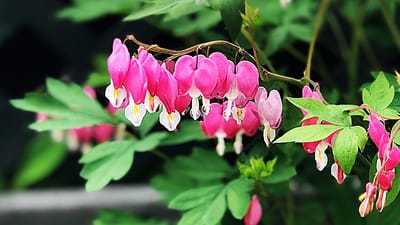
The timing of pruning depends on the type of perennial. Spring-blooming perennials, like bleeding hearts, should be pruned after they finish flowering. Summer-blooming perennials, like coneflowers and black-eyed Susans, can be pruned in late winter or early spring. I’ve found that a good rule of thumb is to prune when the plant is dormant or just beginning to emerge from dormancy.
Deadheading, on the other hand, should be done regularly throughout the growing season. Simply snip off the spent flower stalks just below the flower head. This encourages the plant to produce more blooms, rather than putting energy into seed production. It's a bit tedious, but I've found it dramatically increases the length of the bloom season.
Pruning for shape and size is also important. You can use pruning shears to control the overall size and shape of the plant, removing any unruly or overcrowded growth. This helps improve air circulation and prevents disease. Monrovia offers specific pruning guidance for many popular perennials (monrovia.com).
Managing pests and disease
Spring is when many perennial pests and diseases start to emerge. Common pests include aphids, slugs, and Japanese beetles. Common diseases include powdery mildew and root rot. Early detection and preventative measures are key to keeping your perennials healthy.
I’m a big believer in encouraging beneficial insects, like ladybugs and lacewings, which prey on common pests. You can attract these insects by planting pollinator-friendly flowers, like dill and fennel. Organic pest control methods, like insecticidal soap and neem oil, can also be effective.
For diseases, good air circulation and proper watering practices are essential. Avoid overhead watering, which can create a humid environment that favors fungal growth. Remove any infected leaves or stems promptly. If disease problems persist, you may need to use a fungicide.
Regularly inspect your plants for signs of pests or disease. Look for chewed leaves, discolored foliage, or unusual growths. The sooner you identify a problem, the easier it will be to control. Proven Winners Direct provides excellent resources for identifying and treating common perennial pests and diseases (provenwinnersdirect.com).
Mulching Matters: Moisture & Weed Control
Mulch is a valuable addition to any perennial garden. It conserves moisture, suppresses weeds, regulates soil temperature, and adds organic matter to the soil as it decomposes. There are various types of mulch available, each with its own pros and cons.
Organic mulches, like wood chips, straw, and shredded leaves, are generally preferred, as they improve soil health over time. Inorganic mulches, like gravel and plastic sheeting, don’t decompose, but can be useful in certain situations. I’ve experimented with all three, and I’ve found that wood chips are my go-to choice for most of my garden beds.
Apply mulch in a layer 2-3 inches thick, leaving a few inches of space around the base of each plant. Too much mulch can suffocate the roots, while too little won’t provide adequate weed control. Avoid piling mulch against plant stems, as this can promote rot.
Common mulching mistakes include using the wrong type of mulch, applying it too thickly, and failing to replenish it as it decomposes. Regular replenishment is important to maintain the benefits of mulching.
- Wood chips are my first choice because they stay put and break down into rich organic matter over two seasons.
- Straw: Lightweight, decomposes quickly.
- Shredded Leaves: Free, adds organic matter.
- Gravel: Durable, doesn't decompose.
- Plastic Sheeting: Effective weed control, but doesn't improve soil.
Mulch Types for Perennial Gardens
| Type | Pros | Cons | Best For |
|---|---|---|---|
| Wood Chips | Slow to decompose, provides good weed suppression, aesthetically pleasing. | Can temporarily tie up nitrogen as it breaks down, may attract some pests. | Shrubs, trees, and larger perennial groupings. |
| Straw | Excellent insulator, readily available in many areas, decomposes relatively quickly adding organic matter. | Can contain weed seeds, needs replenishing more frequently than wood chips. | Strawberry beds, protecting tender perennials over winter, or areas needing quick organic matter addition. |
| Shredded Leaves | Free if you have trees, improves soil structure as it decomposes, good moisture retention. | Can mat down and prevent water penetration if applied too thickly, may harbor pests. | Woodland gardens, around plants that prefer slightly acidic soil. |
| Compost | Adds nutrients to the soil, improves drainage and aeration, suppresses some diseases. | Decomposes quickly and needs replenishing, can be expensive to purchase in large quantities. | Preparing planting beds, side-dressing established perennials for a boost. |
| Stone | Long-lasting, provides excellent drainage, can create a formal look. | Does not add organic matter, can heat up in the sun and stress plants, difficult to remove once applied. | Rock gardens, drought-tolerant plants, areas where good drainage is essential. |
| Pine Needles | Slow to decompose, allowing for long-lasting weed suppression, adds acidity to the soil. | Can be visually less appealing to some, may not be readily available in all regions. | Acid-loving plants like blueberries, rhododendrons, and azaleas. |
Qualitative comparison based on the article research brief. Confirm current product details in the official docs before making implementation choices.

No comments yet. Be the first to share your thoughts!