

Why Climate Resilience Matters in the Perennial Garden
The weather is changing, and gardeners are noticing. We're seeing more frequent and intense droughts, heat waves, and unpredictable rainfall patterns. These shifts aren’t just inconveniences; they pose a real threat to our gardens. Choosing perennials that can withstand these stresses is becoming less of a preference and more of a necessity.
Garden design has often prioritized aesthetics over resilience. But a garden full of delicate, high-maintenance plants won’t survive increasingly extreme conditions. Focusing on climate resilience doesn’t mean sacrificing beauty; it means selecting plants adapted to handle challenging weather, ensuring a vibrant garden.
Biodiversity is a cornerstone of a resilient garden. A mix of species, each with slightly different tolerances and adaptations, creates a more stable ecosystem. If one plant struggles, others are likely to fill the gap. This isn’t just about the plants themselves; it’s about supporting the pollinators and beneficial insects that rely on them too. A diverse garden is a healthier garden.
Climate-resilient perennials withstand and recover from climate stresses like drought, heat, extreme cold, and increased pest and disease pressure. They require less intervention to thrive in challenging conditions.
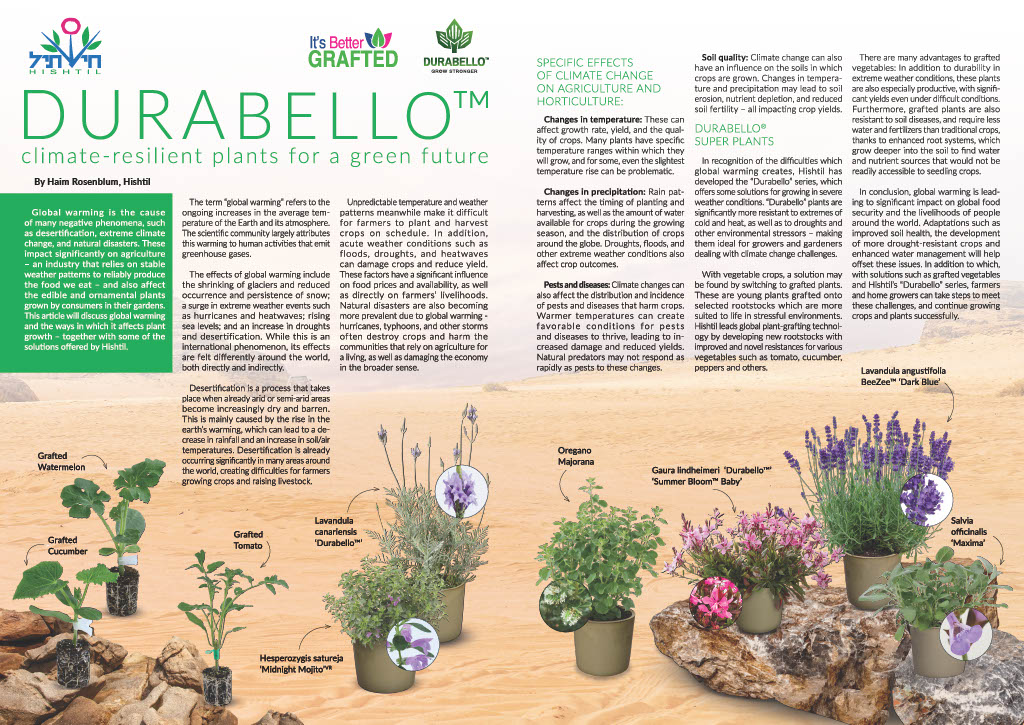
🌸🌿 Want a garden that comes back year after year? Here are the best perennials that bloom reliably every season. #GardenGoals #DIYhttps://t.co/HapoqTTfRw
— Ask This Old House (@AskTOH) May 30, 2025
Understanding Drought Tolerance: It's More Than Just 'No Water'
Drought tolerance is often misunderstood. It’s not simply about a plant needing very little water. It’s about how a plant copes with water scarcity. Some perennials are truly drought-tolerant, meaning they can survive prolonged periods of dryness with minimal impact. Others employ strategies to avoid drought altogether.
Drought-tolerant plants have adaptations like deep root systems to access water, waxy or hairy leaf coatings to reduce water loss, and succulent leaves/stems to store water. These traits evolved over centuries in arid environments.
Drought-tolerant plants, like Sedum, withstand long dry periods. Drought-avoiding plants, like some annual wildflowers, complete their life cycle before the dry season. Both strategies are effective but suit different gardening goals.
Soil preparation boosts drought tolerance. Amending soil with organic matter like compost or manure improves water retention. Mulch also helps retain moisture and suppress weeds. Understanding your soil type is crucial for a drought-resilient garden.
- Deep Root Systems: Access water deeper in the soil.
- Waxy Leaf Coatings: Reduce water loss through transpiration.
- Succulent Stems/Leaves: Store water for later use.
- Dormancy: Ability to enter a resting state during dry periods.
Drought-Resilient Perennials
- Echinacea (Purple Coneflower) - Known for its striking blooms and ability to withstand dry conditions. Echinacea attracts pollinators and is a favorite for cut flowers. Prefers full sun and well-drained soil.
- Sedum (Stonecrop varieties) - Succulent perennials that store water in their leaves, making them exceptionally drought-tolerant. Many varieties offer interesting textures and late-season color. 'Autumn Joy' is a popular cultivar.
- Lavandula (Lavender) - Beloved for its fragrant foliage and beautiful purple flowers, lavender thrives in hot, dry climates. Excellent drainage is crucial for its survival. Lavandula angustifolia is a commonly grown species.
- Rudbeckia (Black-Eyed Susan) - These cheerful, daisy-like flowers are remarkably resilient and can tolerate periods of drought. They bloom profusely throughout the summer and attract butterflies. Prefers full sun.
- Salvia (Sage varieties) - A diverse genus with many drought-tolerant options. Salvia offers a long bloom time and attracts hummingbirds and bees. Consider Salvia nemorosa for a reliable performer.
- Achillea (Yarrow) - Yarrow is a tough and adaptable perennial that thrives in dry, sunny locations. It features flat-topped flower clusters in a variety of colors. It's also deer-resistant.
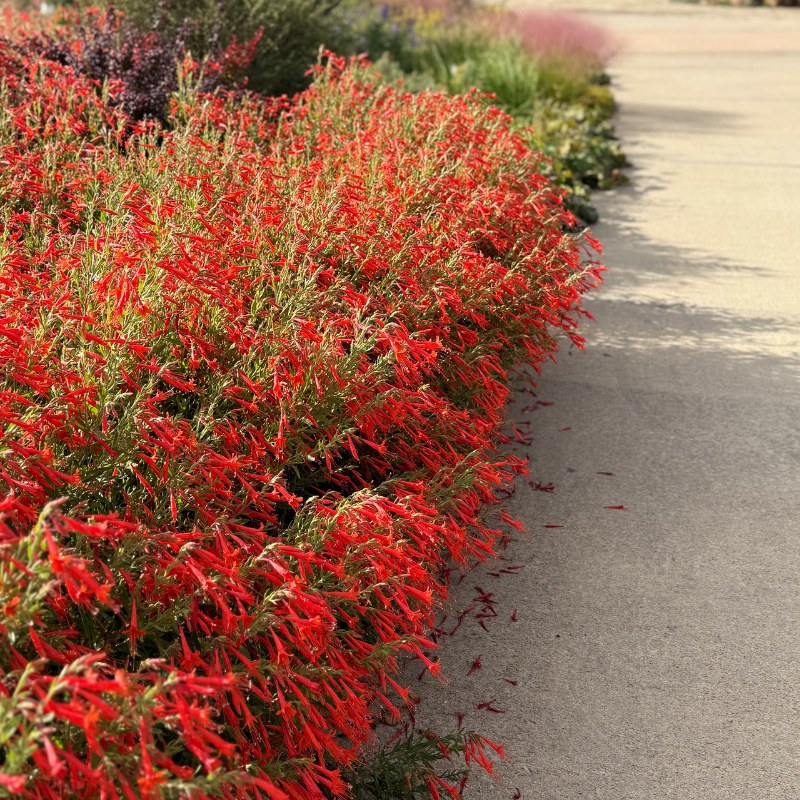
- Penstemon (Beardtongue) - Native to North America, Penstemon is well-suited to drier climates. These plants offer tubular flowers that attract hummingbirds. Many cultivars are available with varying colors and heights.
- Gaillardia (Blanket Flower) - Known for their vibrant, daisy-like flowers in shades of red, orange, and yellow, Blanket Flowers are heat and drought tolerant. They bloom for a long period and are relatively low maintenance.
The 15 Best Climate-Resilient Perennials for 2026
These perennials demonstrate remarkable resilience to changing climates. I've included a mix of favorites and lesser-known plants, chosen for their ability to thrive with minimal intervention. Hardiness zones are a guide; microclimates can influence success.
Yarrow (Achillea millefolium) is a workhorse for zones 3-9, thriving in full sun with low water needs. Its fern-like foliage and flat-topped flower clusters appear in white, yellow, pink, and red. It’s incredibly drought-tolerant, attracts pollinators, and is relatively pest-free. It’s a vigorous grower, so give it room to spread.
Coneflower (Echinacea purpurea) is a classic for zones 3-8, thriving in full sun with low water needs. These daisy-like flowers, beloved by bees and butterflies, are exceptionally drought-tolerant once established and offer long-lasting blooms. Cultivars like "PowWow Wild Berry" provide vibrant color and compact growth.
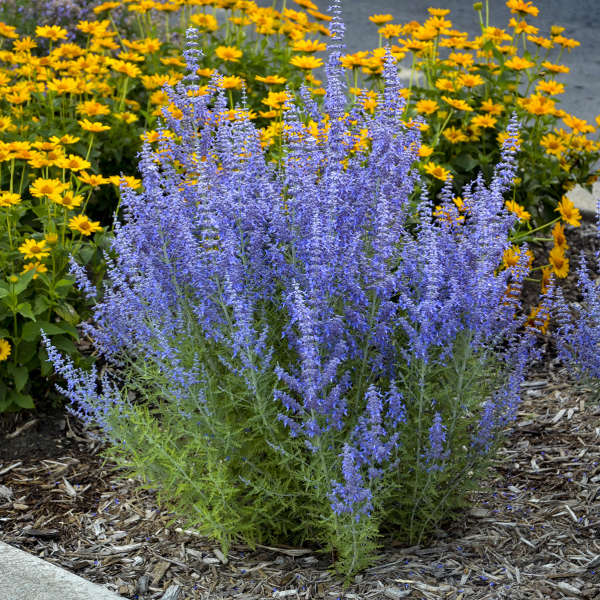
Russian Sage (Perovskia atriplicifolia) is a shrubby perennial for zones 4-9, thriving in full sun with very low water needs. It features silvery foliage and lavender-blue flower spikes. Despite its name, it’s not a true sage. It’s exceptionally drought-tolerant, deer-resistant, attracts pollinators, and prefers well-drained soil.
Blanket Flower (Gaillardia x grandiflora) is a cheerful addition for zones 3-9, thriving in full sun with low water needs. Its daisy-like flowers appear in shades of red, orange, and yellow, often with contrasting bands. It’s drought-tolerant, blooms for a long period, and attracts butterflies.
Coreopsis (Coreopsis spp.) offers a wide range of flower colors and forms for zones 4-9, thriving in full sun with low water needs. Many varieties are exceptionally drought-tolerant and bloom profusely throughout the summer. 'Early Sunrise' is a popular cultivar with bright yellow flowers.
Daylily (Hemerocallis) is remarkably adaptable for zones 3-9, growing in full sun to partial shade with moderate water needs. While not as drought-tolerant as some others, choosing drought-resistant cultivars and mulching well helps conserve moisture. Thousands of varieties offer a wide range of colors and bloom times.
Bee Balm (Monarda) attracts hummingbirds, bees, and butterflies in zones 4-9, growing in full sun with moderate water needs. It prefers moist soil but tolerates some drought once established. 'Jacob Cline' is a mildew-resistant cultivar with vibrant red flowers.
Salvias (Salvia spp.) are a diverse group for zones 4-10, thriving in full sun with low water needs. Many varieties are exceptionally drought-tolerant, come in a wide range of colors and bloom times, attract pollinators, and add long-lasting color to the garden.
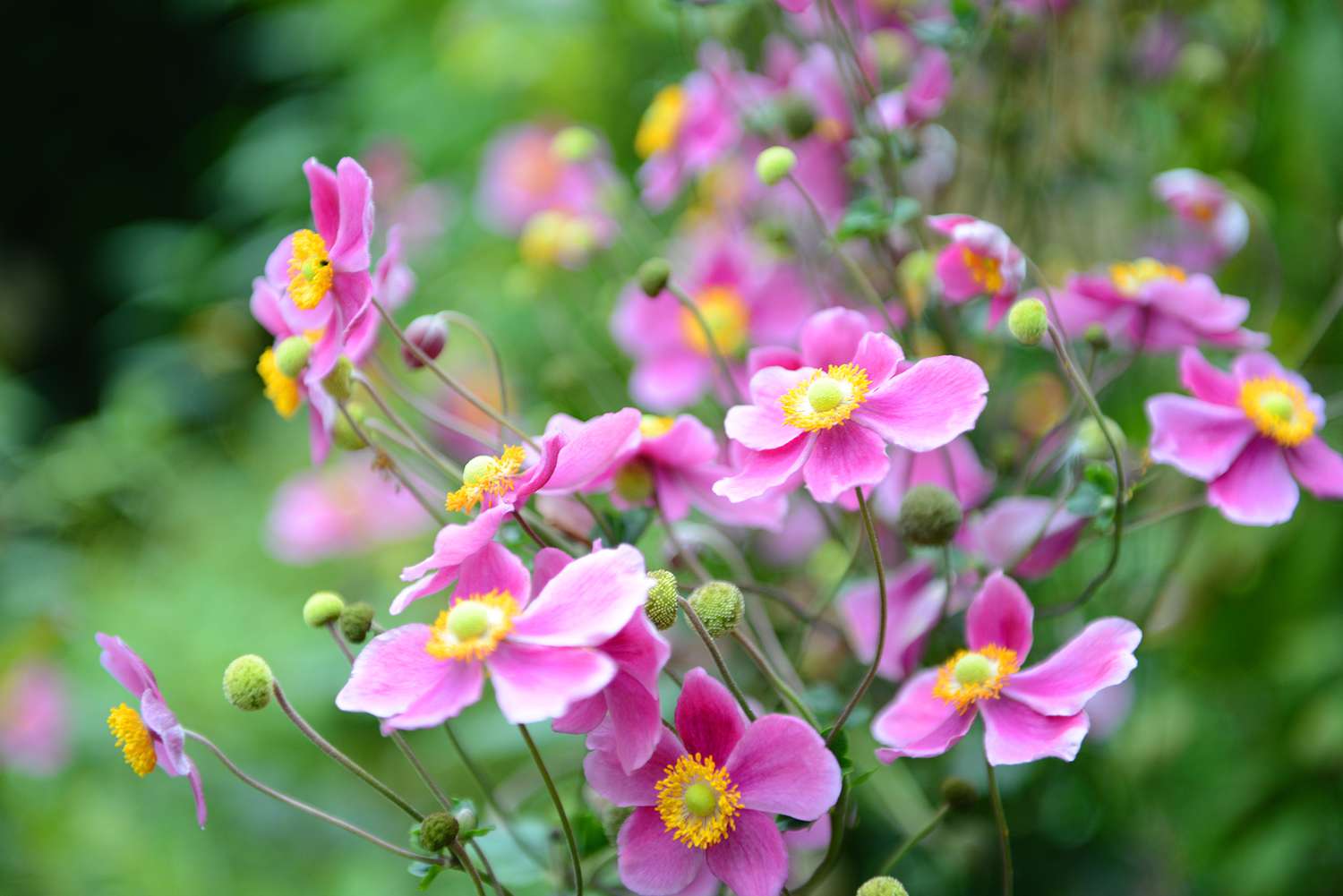
Asters (Symphyotrichum spp.) provide late-season color for zones 3-8, growing in full sun with moderate water needs. They are relatively drought-tolerant once established and attract pollinators preparing for winter. New England Aster (Symphyotrichum novae-angliae) is a popular choice.
Switchgrass (Panicum virgatum) is a native grass for zones 3-9, thriving in full sun with low water needs. It adds texture and movement to the garden, provides habitat for birds and wildlife, and is exceptionally drought-tolerant. "Shenandoah" is a popular cultivar with reddish foliage.
Stonecrop (Sedum) are succulent perennials for zones 3-9, thriving in full sun with very low water needs. They are known for their drought tolerance and come in various forms, from groundcovers to upright varieties. "Autumn Joy" is a popular cultivar with pink flowers that turn bronze in the fall.
Sea Holly (Eryngium) adds a unique architectural element for zones 4-9, thriving in full sun with low water needs. Its thistle-like flowers appear in shades of blue, purple, and white. It’s drought-tolerant, attracts pollinators, and is relatively pest-free.
Penstemons (Penstemon spp.) are native to North America for zones 3-9, thriving in full sun with low water needs. They are known for their tubular flowers that attract hummingbirds, are drought-tolerant, and come in a wide range of colors.
Veronica (Veronica spp.) offers spiky flower clusters in shades of blue, purple, pink, and white for zones 3-8, growing in full sun with moderate water needs. They are relatively drought-tolerant and attract pollinators.
Beyond Drought: Considering Heat Waves and Extreme Cold
Drought isn’t the only weather challenge we face. Heat waves are becoming more frequent and intense, and many regions are also experiencing more extreme cold snaps. Choosing perennials appropriate for your specific climate zone – and understanding your garden's microclimates – is crucial.
Microclimates are small areas within your garden that experience different conditions than the surrounding area. A south-facing wall can create a warmer microclimate, while a shady spot under a tree can be cooler. Utilize these microclimates to your advantage when selecting plants. For example, heat-loving plants can be placed near a south-facing wall.
Protecting plants during extreme weather events is also important. During heat waves, provide extra water (even drought-tolerant plants will appreciate it) and consider providing shade. During cold snaps, mulch heavily around the base of plants to insulate the roots. Covering sensitive plants with frost cloth can also provide protection.
Mulching isn't just for temperature regulation; it also helps to retain moisture in the soil, reducing water stress during dry periods. Organic mulches, such as wood chips, straw, or shredded leaves, also improve soil health as they decompose. A 2-3 inch layer of mulch is generally sufficient.
- USDA Plant Hardiness Zones: Use these as a starting point for selecting plants.
- Microclimates: Identify warmer and cooler areas in your garden.
- Mulching: Conserve moisture and regulate soil temperature.
- Protective Coverings: Use frost cloth during cold snaps.
Climate Resilience of Select Perennial Varieties
| Perennial | Sun Exposure | Soil Drainage | Climate Adaptability |
|---|---|---|---|
| Echinacea (Purple Coneflower) | Full Sun | Well-Drained | Adaptable to a wide range, including hot, dry summers and cold winters. |
| Sedum (Stonecrop varieties) | Full Sun | Well-Drained | Excellent drought tolerance; thrives in hot, dry conditions and tolerates poor soil. |
| Lavandula (Lavender) | Full Sun | Well-Drained | Prefers hot, dry climates with well-draining soil; susceptible to root rot in consistently moist conditions. |
| Rudbeckia (Black-Eyed Susan) | Full Sun to Partial Shade | Average to Well-Drained | Tolerant of various conditions, including drought, but performs best with consistent moisture during establishment. |
| Salvia (Sage varieties) | Full Sun | Well-Drained | Many varieties demonstrate excellent drought tolerance and heat resistance; adaptable to diverse climates. |
| Achillea (Yarrow) | Full Sun | Well-Drained | Highly drought-tolerant once established; thrives in full sun and well-drained soils. |
| Penstemon (Beardtongue) | Full Sun to Partial Shade | Well-Drained | Adaptable to dry conditions; prefers well-drained soil and benefits from some afternoon shade in hotter climates. |
| Gaillardia (Blanket Flower) | Full Sun | Well-Drained | Exceptional drought tolerance; flourishes in hot, sunny locations with minimal supplemental watering. |
Illustrative comparison based on the article research brief. Verify current pricing, limits, and product details in the official docs before relying on it.
Planting and Establishing Climate-Resilient Perennials
Proper planting technique is essential for giving your perennials the best possible start. A well-prepared planting hole and careful handling of the roots can make all the difference. Don't just dig a hole the same size as the root ball; dig a hole that’s at least twice as wide and just as deep.
Soil preparation is key. Amend the soil with organic matter to improve drainage and water retention. For heavy clay soils, adding compost and coarse sand can help to break up the soil and improve drainage. For sandy soils, adding compost and peat moss can help to retain moisture. A soil test can help you determine the specific amendments your soil needs.
When planting, gently loosen the roots of the perennial. If the roots are circling the root ball, gently tease them apart. This will encourage the roots to grow outwards into the surrounding soil. Water the plant thoroughly after planting, and continue to water regularly until it is established.
Spacing is also important. Give your perennials enough room to grow to their mature size. Overcrowding can lead to increased competition for resources and increased susceptibility to pests and diseases. Native plants, in particular, benefit from being given ample space to thrive.
Ongoing Care: Maintaining Resilience Through the Seasons
Resilience isn’t a one-time achievement; it requires ongoing care. Even drought-tolerant plants need some water, especially during their first year as they establish a root system. Monitor your plants for signs of stress, such as wilting leaves or stunted growth. Adjust your watering schedule accordingly.
Fertilizing can help to maintain plant vigor, but avoid over-fertilizing. Excessive nitrogen can make plants more susceptible to pests and diseases. Use organic fertilizers, such as compost tea or fish emulsion, to provide a slow-release source of nutrients. These also improve soil health.
Pruning and deadheading are important for maintaining plant health and encouraging continued blooming. Remove spent flowers to prevent seed formation and encourage the plant to produce more blooms. Prune plants as needed to remove dead or damaged growth and maintain their shape.
Dividing perennials every few years can help to rejuvenate them and prevent overcrowding. This is best done in the spring or fall. Dig up the plant and gently separate the roots into smaller clumps. Replant the divisions in new locations.
Resources for Further Exploration
For more information on climate-resilient gardening, I recommend exploring the resources listed below. Your local nursery can provide valuable advice on plants that are well-suited to your specific climate. Botanical gardens and university extension services offer workshops and educational programs.
Weber Basin Water Conservancy: https://www.weberbasin.gov/conservation/perennials-in-your-landscape/ provides a useful guide to perennials for water-wise landscaping.
Proven Winners Direct: https://www.provenwinnersdirect.com/perennial-flowers offers a wide selection of perennials and helpful planting information.
American Meadows: https://www.americanmeadows.com/perennial-flowers-plants is a great source for wildflower seeds and native plants.
No comments yet. Be the first to share your thoughts!