

Rethinking urban perennial space
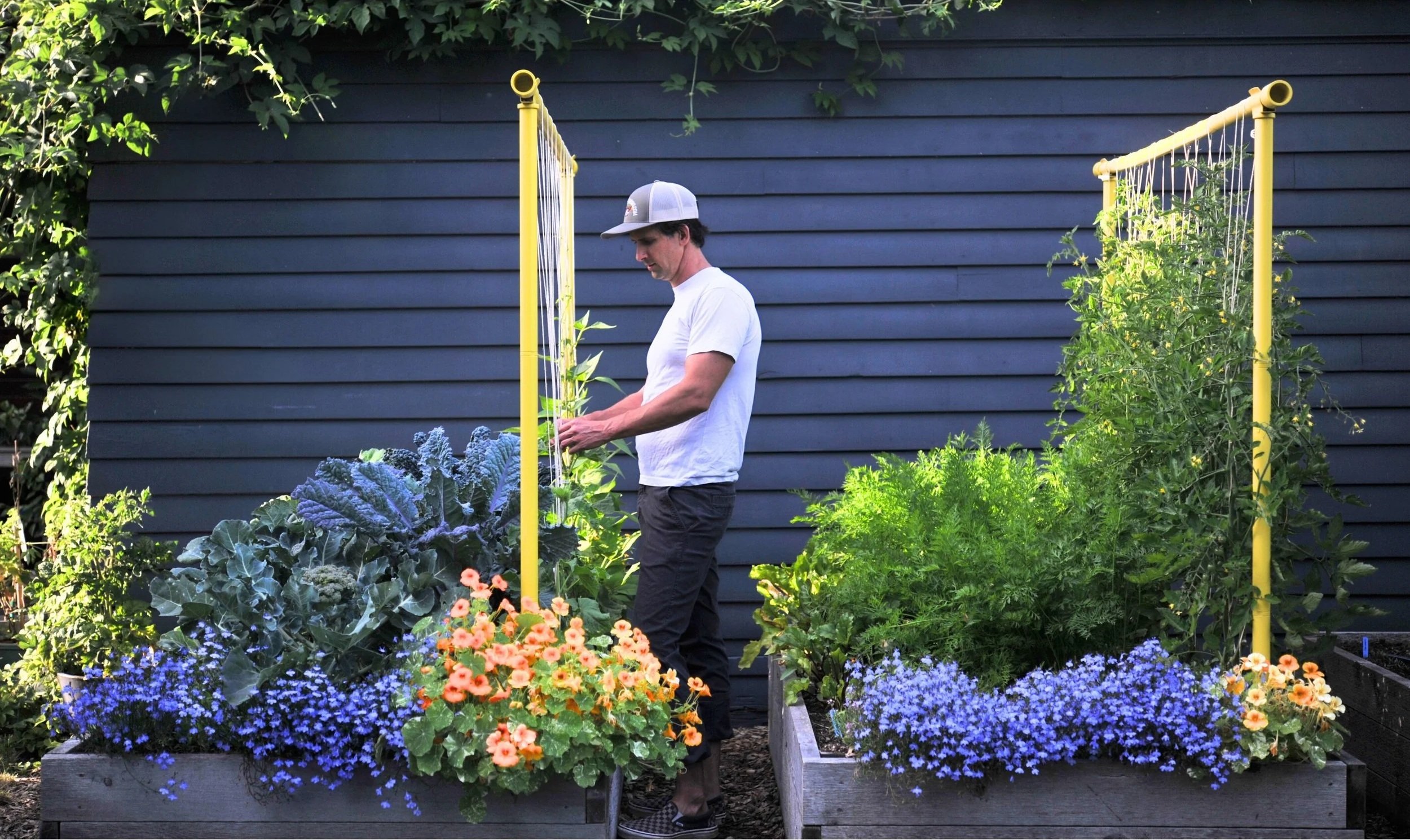
City gardening is changing. In-ground plots are rare now as urban space disappears. People still want plants, though. Vertical gardening is a direct answer for anyone who wants perennials but lacks a yard.
For a long time, vertical gardening felt like a compromise, a way to squeeze a few plants into a tiny balcony. Now, it’s becoming a design statement in its own right. It’s not just about saving space; it’s about creating visually striking displays and even improving plant health by maximizing sunlight exposure and air circulation. Seeing a wall covered in blooms is far more impactful than a few scattered containers.
The benefits extend beyond aesthetics. Vertical gardens can help improve air quality, reduce the urban heat island effect, and provide habitat for pollinators. They offer a unique opportunity to bring a bit of the natural world into our increasingly built environments. And frankly, they're just fun to experiment with. They present a different set of challenges and rewards than traditional gardening.
The best perennials for vertical growth
Not every perennial is suited for life on the vertical. The key is selecting plants that can tolerate the specific conditions of a vertical system – potentially restricted root space, faster drying, and increased exposure to wind. Trailing varieties are a natural fit, cascading beautifully over the edges of planters, but compact and well-behaved plants can also thrive. Consider bloom times when planning to ensure continuous color throughout the growing season.
Creeping phlox (Phlox subulata) is an excellent choice for trailing over walls or cascading from hanging pockets. "Emerald Blue’ is a particularly reliable cultivar with vibrant blue-purple flowers. Sedums, especially low-growing varieties like Sedum spurium ‘Dragon’s Blood", are incredibly drought-tolerant and add textural interest. For something a little different, consider Aubrieta deltoidea, a low-growing plant with masses of purple flowers in spring.
Compact asters, like "Professor Kippenburg’ (a dwarf New England aster reaching only 18 inches), can provide late-season color. Dwarf coreopsis varieties, such as Coreopsis verticillata ‘Zagreb’, offer cheerful yellow blooms all summer long. When selecting perennials, think about their root systems – those that aren"t overly aggressive or deep-rooted are generally best suited for vertical structures. I've found that plants that naturally grow on rocky slopes or cliffs tend to adapt well to vertical environments.
Don’t underestimate the power of foliage. Heuchera (coral bells) offer a wide range of leaf colors and textures, adding visual interest even when they’re not in bloom. They also tend to be relatively compact and well-behaved. Remember to research the specific needs of each plant – sunlight, water, and soil requirements – to ensure success.
Choosing a wall system
The options for vertical gardening systems are surprisingly diverse. Pocket planters are a simple and affordable starting point, made from felt or fabric and hung directly on a wall. They’re easy to install but can dry out quickly and may require frequent watering. Modular living wall systems, like those offered by LiveWall, are more sophisticated and often incorporate built-in irrigation and drainage.
Stacked planters, which consist of multiple tiers of planting containers stacked on top of each other, are another popular choice. They’re relatively easy to assemble and maintain, but can be quite heavy when fully planted. Repurposed pallets can be transformed into rustic vertical gardens, but require careful preparation to ensure they’re safe and suitable for plants. Always use pallets that haven't been chemically treated.
DIY options are also plentiful. You can create a vertical garden using plastic bottles, PVC pipes, or even old gutters. The key is to ensure adequate drainage to prevent root rot. Cost is a major factor when choosing a system. Pocket planters are the most budget-friendly, while modular living walls are the most expensive. Consider your skill level and the amount of time you’re willing to invest in construction and maintenance.
Soil and structural support
Forget about using regular garden soil in your vertical garden. It’s too heavy and will compact, restricting root growth and drainage. A soilless mix is the way to go. A good starting point is a blend of peat moss, perlite, and vermiculite, providing good aeration and water retention. Adding slow-release fertilizer is also essential, as nutrients will leach out of the system more quickly.
The USDA’s National Agricultural Library (nal.usda.gov) has extensive resources on container gardening, emphasizing the importance of lightweight, well-draining mixes. Consider adding compost to your mix for extra nutrients and beneficial microbes, but don’t overdo it – too much compost can become heavy and compacted. The weight of the soil, combined with the weight of the plants and water, can be significant.
Strong support structures are crucial. Ensure your wall or frame can handle the load. For larger systems, consider reinforcing the structure with additional supports. Regularly inspect the system for signs of stress or instability. Proper drainage is equally important. Make sure there are adequate drainage holes in your containers or pockets to prevent waterlogging.
Soil Component Comparison for Vertical Perennial Gardens
| Component | Weight | Water Retention | Drainage | Nutrient Content |
|---|---|---|---|---|
| Peat Moss | Light to Moderate | High | Moderate | Low - Requires Supplementation |
| Coco Coir | Moderate | High | Good | Low - Benefits from Enrichment |
| Perlite | Very Light | Low | Very High | None |
| Vermiculite | Light | High | Moderate | Trace Minerals |
| Compost | Moderate to Heavy | Good | Moderate | High - Provides Sustained Release |
| Peat Moss & Perlite Mix | Light | Moderate | Very High | Low - Requires Supplementation |
| Coco Coir & Compost Mix | Moderate | High | Good | Moderate to High |
Qualitative comparison based on the article research brief. Confirm current product details in the official docs before making implementation choices.
Watering and nutrients
Vertical gardens dry out fast. There is less soil to hold moisture and more wind hitting the roots. I check mine daily. Drip irrigation is the best way to keep them alive without wasting water, though self-watering pots work if you have the budget for them.
Hand-watering is possible, but it can be time-consuming and challenging to ensure even coverage, especially in larger systems. Uneven watering can lead to stressed plants and reduced blooms. Liquid feeds are generally preferred for vertical gardens, as they’re easily absorbed by the roots. Use a balanced fertilizer formulated for flowering perennials.
Consider the orientation of your vertical garden. South-facing walls will dry out more quickly than north-facing walls. Adjust your watering schedule accordingly. Mulching the surface of the soil with a thin layer of moss or wood chips can help retain moisture. I’ve had success using water-retention granules mixed into the soil mix to help plants hold onto moisture longer.
Managing pests and disease
Vertical gardens can be susceptible to common pests like aphids, spider mites, and whiteflies. Powdery mildew is also a potential problem, especially in humid conditions. Good air circulation is key to preventing many of these issues. Space plants adequately to allow for airflow.
Early detection is crucial. Regularly inspect your plants for signs of infestation or disease. Organic control methods are generally preferred, such as insecticidal soap or neem oil. However, reaching all plants for treatment can be challenging in a vertical system. Consider using a spray bottle with a long nozzle or a handheld sprayer.
Preventative measures are also important. Start with healthy plants and provide them with optimal growing conditions. Avoid overwatering, as this can create a breeding ground for fungal diseases. Remove any dead or diseased leaves promptly. I've found that introducing beneficial insects, like ladybugs, can help control pest populations naturally.
Perennial Choices for Vertical Gardens
- Creeping Phlox (Phlox subulata) - This low-growing perennial cascades beautifully over the edges of containers, offering vibrant spring blooms and evergreen foliage.
- Sedum varieties (Sedum spp.) - Many sedums, like ‘Autumn Joy’ or ‘Angelina’, are drought-tolerant and thrive in well-drained conditions, making them ideal for vertical structures. Their fleshy leaves add texture.
- Strawberries (Fragaria x ananassa) - Alpine strawberries, in particular, are well-suited to hanging baskets and vertical planters, providing both beauty and edible fruit.
- Thyme (Thymus spp.) - Various thyme species, especially creeping thyme, are fragrant, low-maintenance, and can spill over the sides of vertical gardens, attracting pollinators.
- Coral Bells (Heuchera spp.) - Offering a wide range of foliage colors, Coral Bells add visual interest and perform well in partial shade, often found in vertical pocket planters.
- Lavender (Lavandula spp.) - English lavender varieties, with their aromatic foliage and purple flowers, can be incorporated into vertical gardens with adequate sunlight and drainage.
- Columbine (Aquilegia spp.) - These delicate, spurred flowers come in a variety of colors and add a cottage-garden charm to vertical displays. They prefer partial shade.

No comments yet. Be the first to share your thoughts!