

Why pollinators need help
Pollinator populations are in serious decline. Bees, butterflies, moths, and other insects are disappearing at an alarming rate due to habitat loss, pesticide use, and climate change. While the problem feels immense, simple actions like planting pollinator-friendly gardens can help.
Pollinators are essential for our food supply, responsible for about one-third of the food we eat, including many fruits, vegetables, and nuts. Without them, food availability would drop, and prices would rise. The USDA reports that pollinators contribute over $24 billion to the US economy each year.
The decline of pollinators impacts agriculture and food security, making it an economic concern as well as an environmental one. Shifting from manicured lawns to landscapes that support these insects is necessary. Even a small patch of pollinator-friendly plants offers a valuable resource.
Some species are declining more rapidly than others. The rusty patched bumble bee, listed as endangered in 2017, has lost nearly 90% of its population. Monarch butterflies are also facing steep declines due to habitat loss and pesticide use. These trends show the urgent need to protect these ecosystem components.
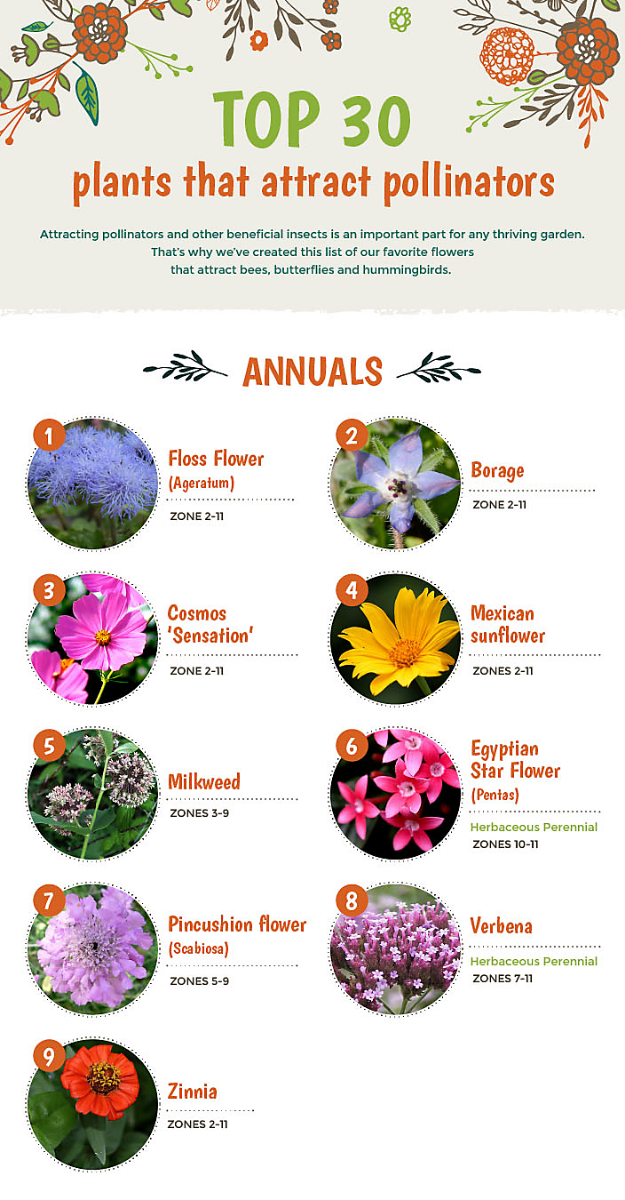
14 perennials for a buzzing garden
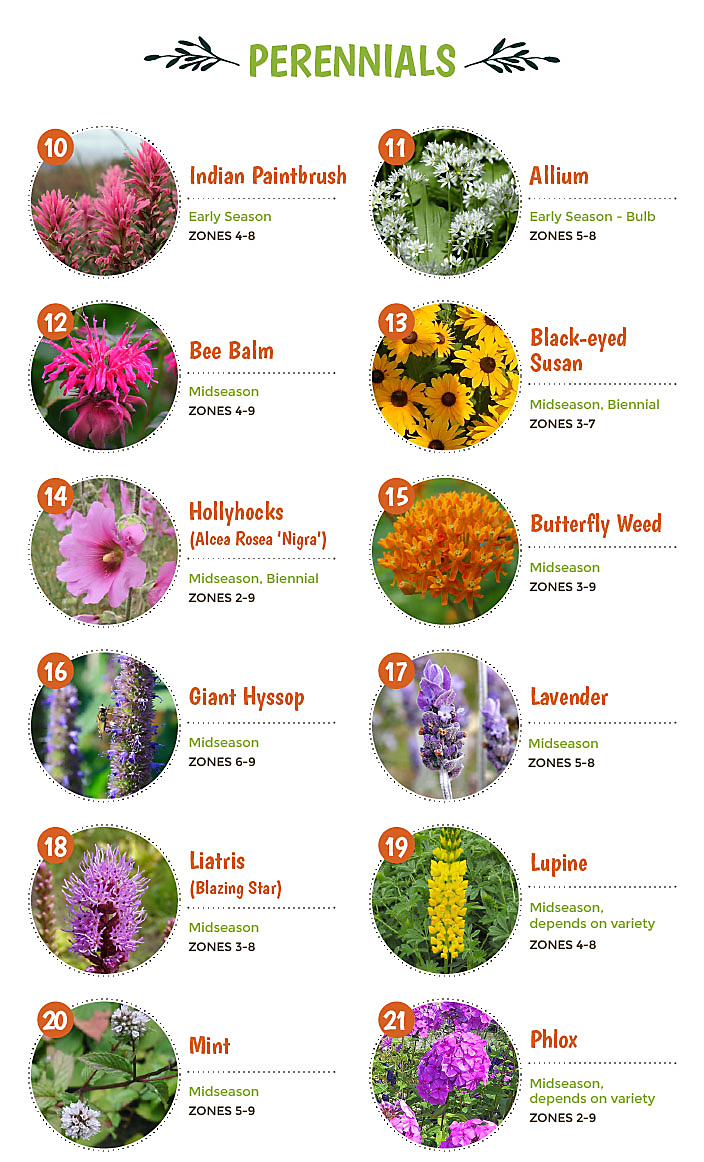
Creating a pollinator-friendly garden is straightforward. Choosing the right perennials is key. Here are 14 plants that attract bees and butterflies, offering a continuous source of nectar and pollen throughout the growing season. Details on their growing requirements and the pollinators they attract are included.
Purple Coneflower (Echinacea purpurea): This classic perennial blooms from midsummer to fall, attracting bees, butterflies, and even birds. It prefers full sun and well-drained soil, growing to a height of 2-5 feet. It’s particularly attractive to bumblebees and Monarch butterflies. It’s also relatively drought-tolerant once established.
Bee Balm (Monarda didyma): As the name suggests, bee balm is a magnet for bees! It blooms in summer with showy, red, pink, or purple flowers. Bee balm thrives in moist, well-drained soil and full sun to partial shade, reaching 3-4 feet in height. It's especially good for long-tongued bees and hummingbirds.
Butterfly Bush (Buddleja davidii): A favorite among butterflies, the butterfly bush produces long, fragrant flower spikes in summer and fall. It prefers full sun and well-drained soil, growing to 5-10 feet tall. While some varieties can be invasive, newer cultivars are available that are less prone to spreading. It's a magnet for Swallowtails, Monarchs, and Painted Ladies.
Aster (Symphyotrichum spp.): Asters bloom in late summer and fall, providing a crucial nectar source for pollinators preparing for winter. They come in a variety of colors, including purple, pink, and white. Asters prefer full sun and well-drained soil, growing to 1-4 feet in height. They attract a wide range of bees and butterflies.
Black-Eyed Susan (Rudbeckia hirta): These cheerful yellow flowers bloom throughout the summer, attracting bees and butterflies. They prefer full sun and well-drained soil, growing to 2-3 feet in height. Black-eyed Susans are relatively easy to grow and self-seed readily.
Milkweed (Asclepias spp.): Essential for Monarch butterflies, milkweed is the only plant that Monarch caterpillars will feed on. There are many different species of milkweed, each with its own specific growing requirements. Common milkweed (Asclepias syriaca) prefers moist soil, while butterfly weed (Asclepias tuberosa) prefers drier conditions.
Salvia (Salvia spp.): Salvias offer a long bloom period and attract a variety of pollinators. They prefer full sun and well-drained soil, growing to 1-3 feet in height. Different species of Salvia attract different pollinators; for example, Salvia nemorosa is a favorite of bumblebees.
Lavender (Lavandula spp.): Beloved for its fragrance and beautiful purple flowers, lavender attracts bees and butterflies. It prefers full sun and well-drained soil, growing to 1-3 feet in height. Lavender is also drought-tolerant and deer-resistant.
Phlox (Phlox paniculata): Phlox produces clusters of fragrant flowers in summer, attracting bees and butterflies. It prefers full sun to partial shade and moist, well-drained soil, growing to 2-4 feet in height. It's a reliable performer and comes in a wide range of colors.
Yarrow (Achillea millefolium): Yarrow is a hardy perennial that attracts beneficial insects, including bees and butterflies. It prefers full sun and well-drained soil, growing to 2-3 feet in height. Yarrow is also drought-tolerant and deer-resistant.
Joe-Pye Weed (Eutrochium purpureum): A tall, stately perennial that attracts masses of butterflies. It prefers moist soil and full sun to partial shade, growing to 4-7 feet in height. It’s a real showstopper in the late summer garden.
Goldenrod (Solidago spp.): Often unfairly blamed for allergies, goldenrod is an important late-season nectar source for pollinators. It prefers full sun and well-drained soil, growing to 2-5 feet in height. It attracts a wide range of bees and butterflies.
Stonecrop (Sedum spp.): Stonecrop provides late-season blooms and attracts bees and butterflies. It prefers full sun and well-drained soil, growing to 1-2 feet in height. It's also drought-tolerant and easy to grow.
Hyssop (Agastache spp.): A fragrant perennial with long-lasting blooms that attract bees, butterflies, and hummingbirds. It prefers full sun and well-drained soil, growing to 2-4 feet in height. It’s known for its minty aroma and is relatively deer-resistant.
Understanding bloom times
Understanding bloom times is critical when planning a pollinator garden. You want to provide a continuous supply of nectar and pollen throughout the growing season, from early spring to late fall. Pollinators don't just need flowers in the height of summer; they need resources when they first emerge from hibernation and when they're preparing for winter.
Early spring bloomers, like creeping phlox and some varieties of salvia, provide essential food for emerging bees. Summer bloomers, such as coneflowers, bee balm, and butterfly bush, support butterflies and other pollinators during their peak activity. Late-fall bloomers, like asters and goldenrod, help pollinators build up their energy reserves for the winter months.
Regional climate plays a significant role in bloom times. In warmer climates, plants will bloom earlier and for a longer period. In cooler climates, bloom times will be delayed. It's important to choose plants that are well-suited to your specific climate and growing conditions. Consult with local nurseries or extension offices for recommendations.
- Early spring: Creeping Phlox, Salvia
- Summer: Coneflowers, Bee Balm, Butterfly Bush
- Late fall: Asters, Goldenrod
Pollinator-Friendly Perennials by Bloom Season
| Plant Name | Bloom Time | Primary Pollinators |
|---|---|---|
| Bee Balm (Monarda spp.) | Summer | Bees, Hummingbirds, Butterflies |
| Purple Coneflower (Echinacea purpurea) | Summer - Fall | Bees, Butterflies, Goldfinches |
| Butterfly Bush (Buddleja davidii) | Summer - Fall | Butterflies, Moths |
| Lavender (Lavandula spp.) | Summer | Bees, Butterflies, Moths |
| Aster (Symphyotrichum spp.) | Fall | Bees, Butterflies, Moths |
| Sedum 'Autumn Joy' (Hylotelephium telepathium) | Late Summer - Fall | Bees, Butterflies |
| Catmint (Nepeta spp.) | Spring - Summer | Bees, Butterflies |
| Phlox (Phlox paniculata) | Summer | Butterflies, Bees, Hummingbirds |
Illustrative comparison based on the article research brief. Verify current pricing, limits, and product details in the official docs before relying on it.
Beyond flowers: Host plants matter
Beyond nectar and pollen, host plants are essential for pollinators. These are plants where butterflies and moths lay eggs and caterpillars feed, allowing pollinators to complete their life cycle.
Monarch butterflies require milkweed plants (Asclepias spp.) as host plants. Swallowtail butterflies lay eggs on plants in the parsley family, like parsley, dill, and fennel. Painted Lady butterflies use thistles. Caterpillars are not pests; they are an essential part of the pollinator life cycle.
A diverse garden with both nectar sources and host plants is most beneficial for pollinators. Allowing caterpillars to feed on plants is part of supporting these creatures.
Planting & Care: Setting Pollinators Up for Success
Successful pollinator gardening requires planning. Choose a site receiving at least 6 hours of sunlight daily. Most pollinator perennials prefer well-drained soil, though Joe-Pye Weed tolerates moist conditions. Amend soil with compost before planting to improve fertility and drainage.
Space plants according to their mature size and group them in masses for a more attractive habitat. Water plants thoroughly after planting. Once established, most pollinator perennials are drought-tolerant but may need watering during dry spells. Mulching helps retain moisture and suppress weeds.
Fertilization is usually not necessary for pollinator perennials; excessive fertilization can lead to more foliage and fewer flowers. Deadheading spent flowers can encourage more blooms, but leave some seed heads for birds. Deadhead only if you wish to prolong bloom time.
Avoid pesticides and herbicides, which harm pollinators. For pest control, use natural methods like companion planting. For instance, marigolds near tomatoes can repel nematodes. Companion planting can help control aphids and other pests.
Insecticidal soap is effective against aphids and other soft-bodied insects without harming beneficial insects. Apply it directly to pests and avoid spraying flowers when pollinators are active. A healthy garden ecosystem is the best defense against pests.
Design Considerations: Creating a Welcoming Habitat
Garden design attracts pollinators. Mass plantings are more appealing than scattered individual plants. Vary bloom times for a continuous nectar and pollen source. Consider different plant heights and textures for a layered effect.
Provide a water source, like a shallow dish with pebbles and water, allowing pollinators to land and drink safely. Create sheltered areas for rest and protection from weather. Leave some bare ground for ground-nesting bees.
Plant diversity attracts more pollinators. Experiment with different plant combinations to see what works best in your garden. A diverse garden is a resilient garden.
Troubleshooting: Common Problems & Solutions
Problems can arise in pollinator gardens. Aphids are a common pest; insecticidal soap is an effective treatment, but avoid spraying flowers when pollinators are active. Powdery mildew, a fungal disease, affects some plants in humid conditions. Good air circulation and proper watering help prevent it.
If a plant isn't attracting pollinators, consider its placement, soil conditions, and sunlight exposure. Sometimes, a plant simply may not be a preferred species for local pollinators. pollinators, it could be due to a number of factors. Make sure the plant is getting enough sunlight and water. It could also be that the plant isn’t blooming, or that it’s not the right time of year for it to bloom. Consider adding more of the same plant or trying a different variety.
Sometimes, plants simply don’t thrive in a particular location. If a plant is struggling, try transplanting it to a different spot in your garden. Don’t be afraid to experiment and learn from your mistakes. Gardening is a process, and it takes time to create a thriving pollinator habitat.
- Problem: Aphids - Solution: Insecticidal soap
- Problem: Powdery Mildew - Solution: Good air circulation, proper watering
- Problem: Plant not attracting pollinators - Solution: Check sunlight, water, bloom time, consider transplanting
Standout Species: Deep Dive on Milkweed
Milkweed (Asclepias spp.) deserves special attention due to its vital role in supporting Monarch butterflies. As the sole host plant for Monarch caterpillars, milkweed is essential for their survival. There are many different species of milkweed, each with its own unique characteristics and growing requirements.
Common milkweed (Asclepias syriaca) is a widely distributed species that prefers moist soil. Butterfly weed (Asclepias tuberosa) is a more drought-tolerant species that prefers drier conditions. Swamp milkweed (Asclepias incarnata) thrives in wet areas. Choosing the right species for your region and soil type is crucial. While milkweed is generally not considered invasive, some species can spread aggressively. Monitor your plants and remove any unwanted seedlings.
Planting milkweed is one of the most impactful things you can do to help Monarch butterflies. It’s a beautiful and rewarding plant to grow, and it’s a symbol of hope for this iconic species. Be sure to source your milkweed from reputable nurseries to avoid introducing invasive species or plants treated with pesticides.


No comments yet. Be the first to share your thoughts!