

Get low maintenance perennials right
Low-maintenance perennials still require a proper start. Skipping the prep work is the fastest way to turn an "easy care" garden into a weeding and watering chore. The difference between a thriving bed and a struggling one usually comes down to soil preparation and site matching.
Start by testing your soil. Most low-maintenance perennials, like nepeta and daylilies, thrive in well-draining soil with a neutral pH. If your soil is heavy clay or sandy, amend it with organic matter before planting. This step ensures roots establish quickly without constant intervention.
Next, match the plant to the light. A "low maintenance" label often assumes full sun. If you plant sun-lovers in deep shade, they will grow leggy and require staking or replacement. Check the mature height and spread of each variety to avoid overcrowding, which invites disease and reduces airflow.
Finally, plan for the first year. Even drought-tolerant perennials need consistent watering for their first growing season to develop deep root systems. Once established, most will survive on rainfall alone. Investing time in the initial setup pays off in years of minimal upkeep.
Dig a small hole and fill it with water. If it drains within a few hours, your soil is well-draining. If it sits for days, you need to amend the soil with compost or choose different plants. Match the plant to the light level you measured.
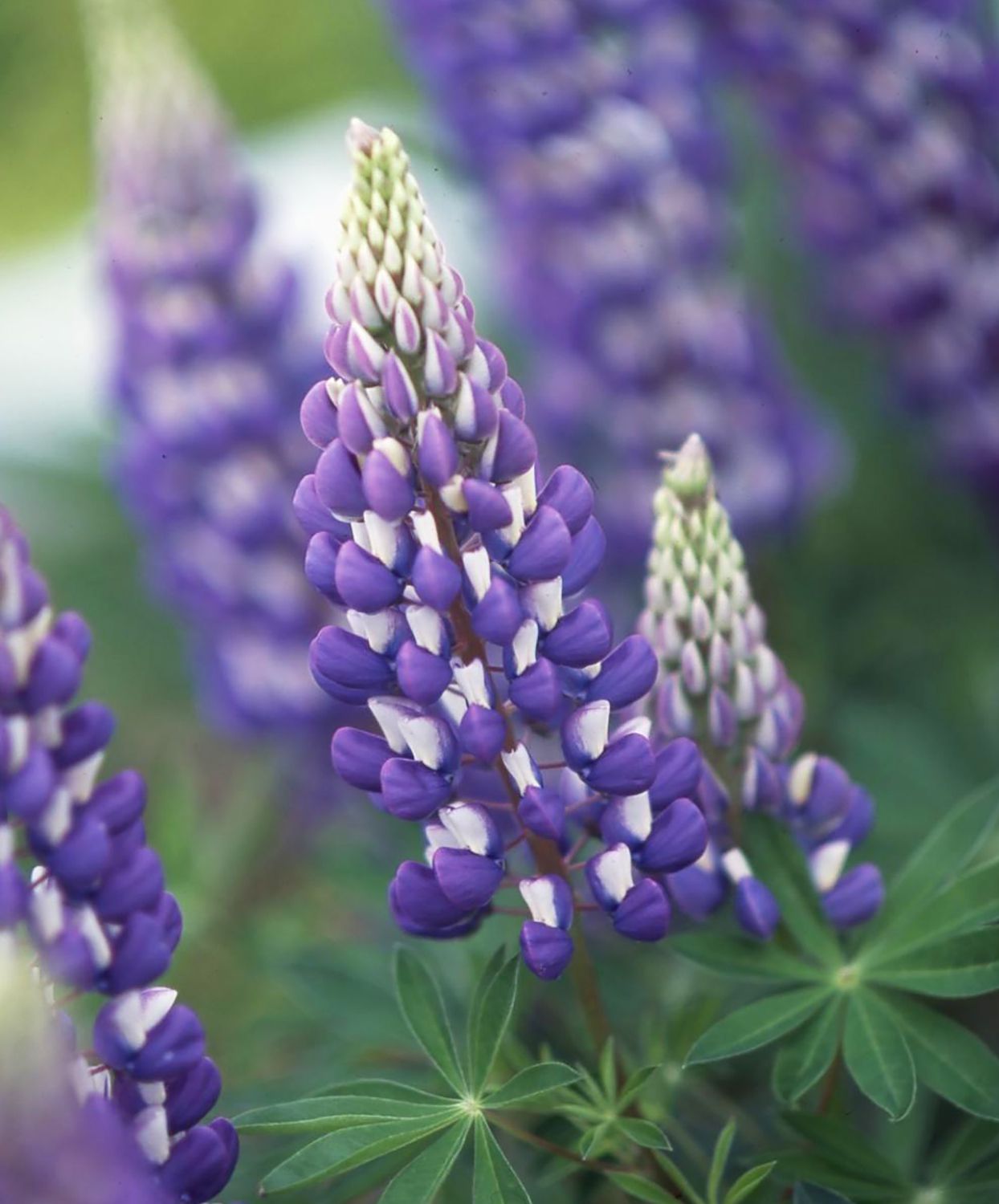
Use a garden fork or tiller to blend the compost into the existing soil. This creates a loose, airy environment that encourages deep root growth, which is the secret to drought resistance in perennials.
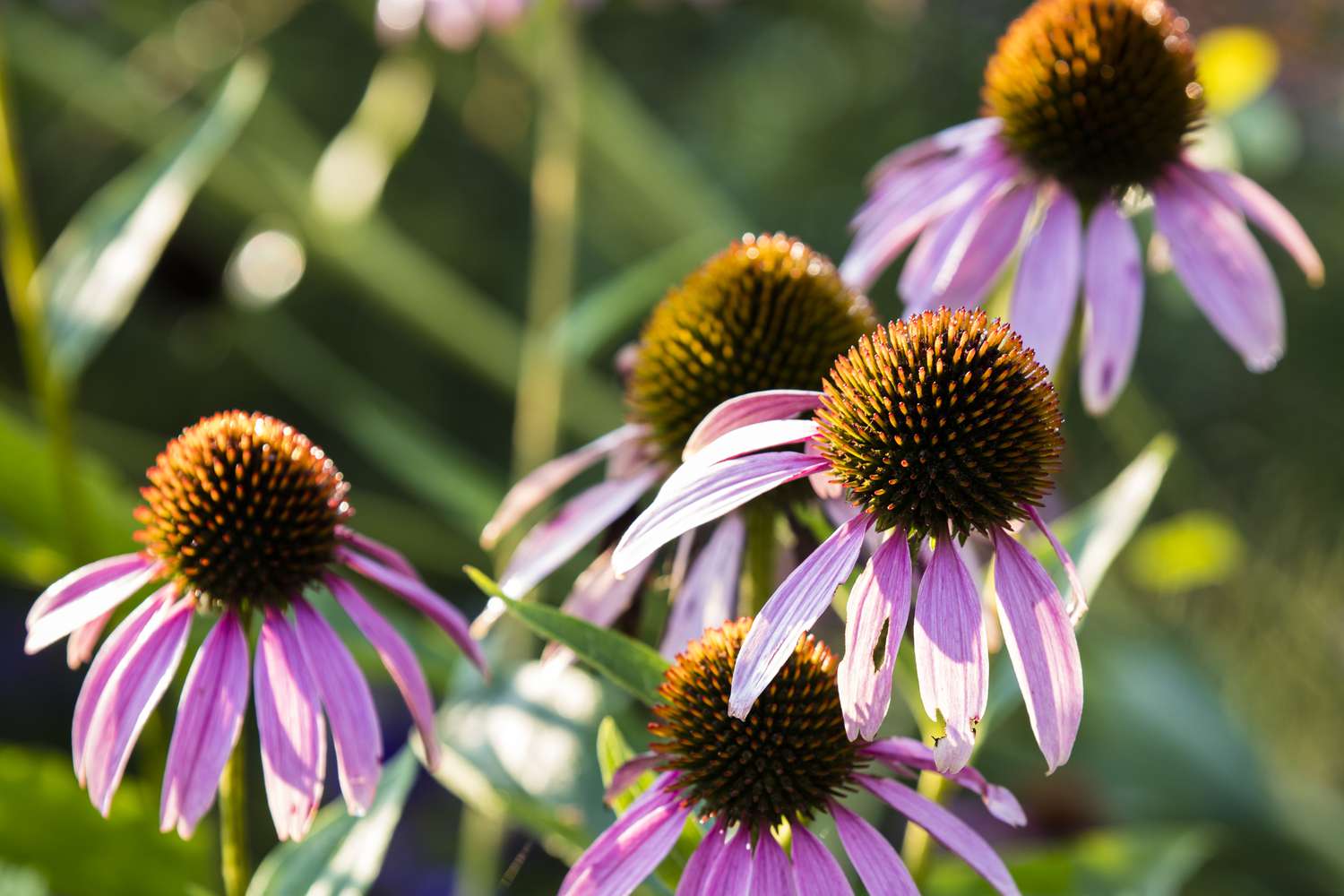
Read the plant tag for the final spread width. If a plant says it grows two feet wide, give it two feet of space. This prevents overcrowding and reduces competition for nutrients and water.
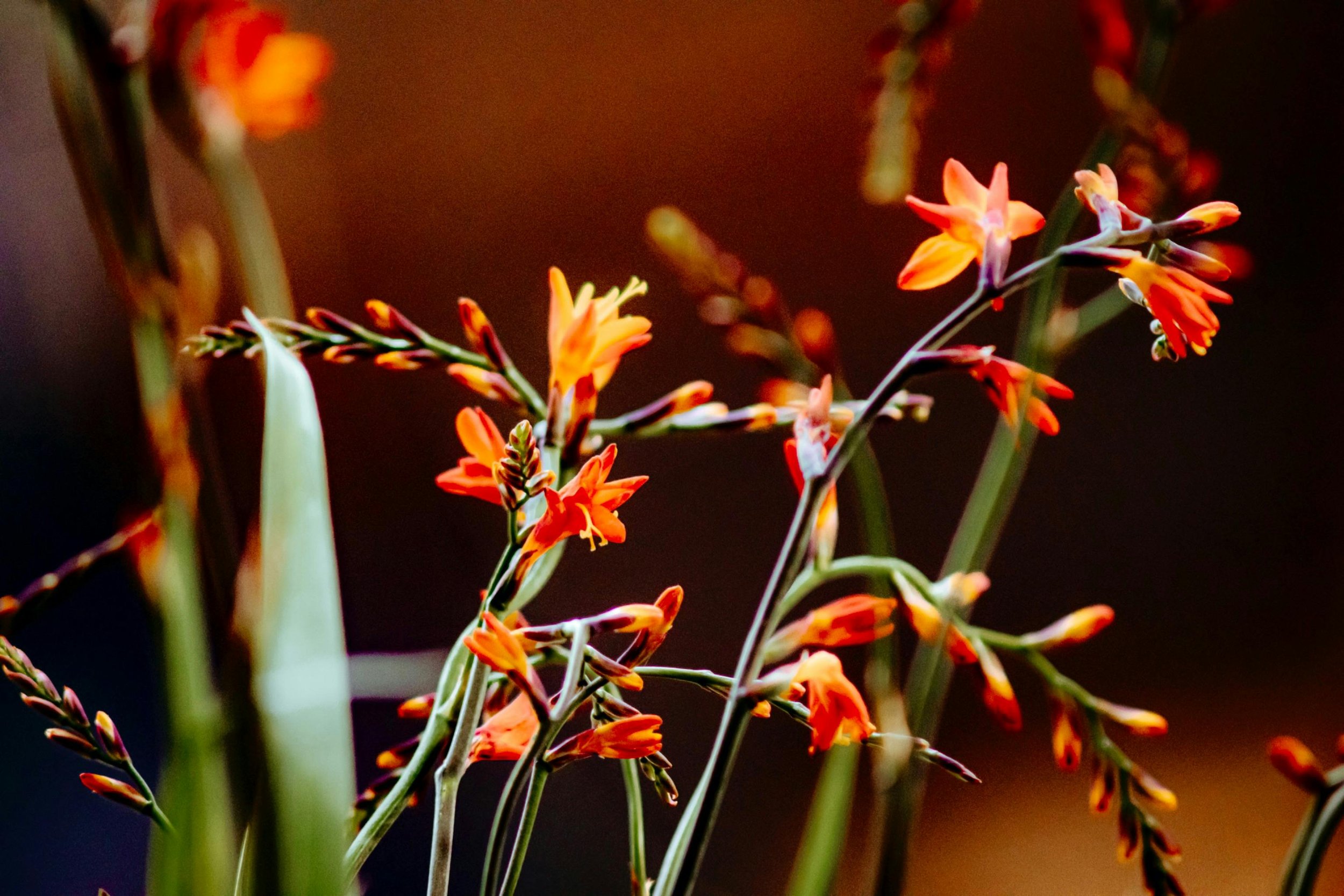
Use a soaker hose or drip irrigation to deliver water directly to the roots. This method is more efficient than sprinklers and keeps foliage dry, which helps prevent disease. Water in the early morning to reduce evaporation.
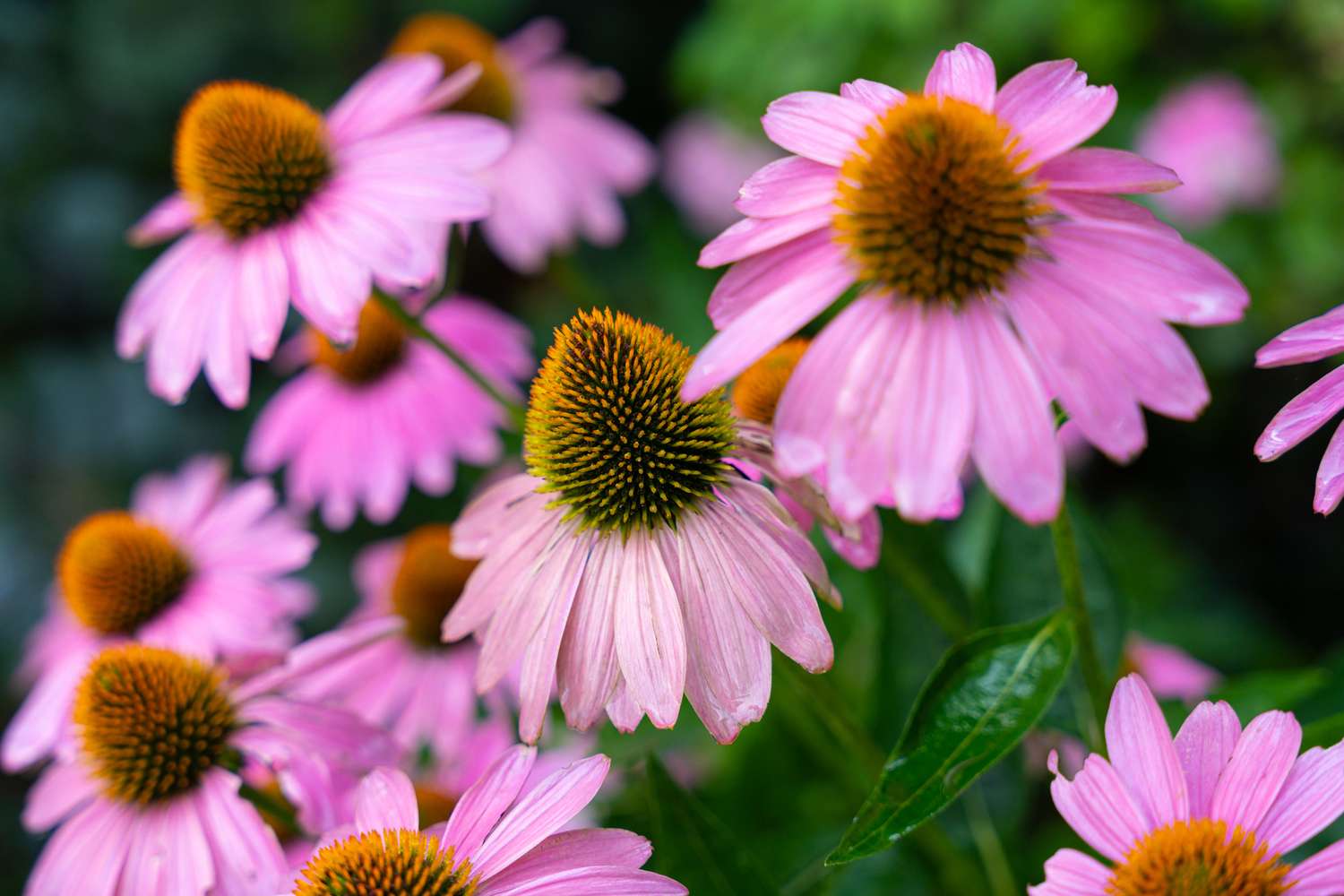
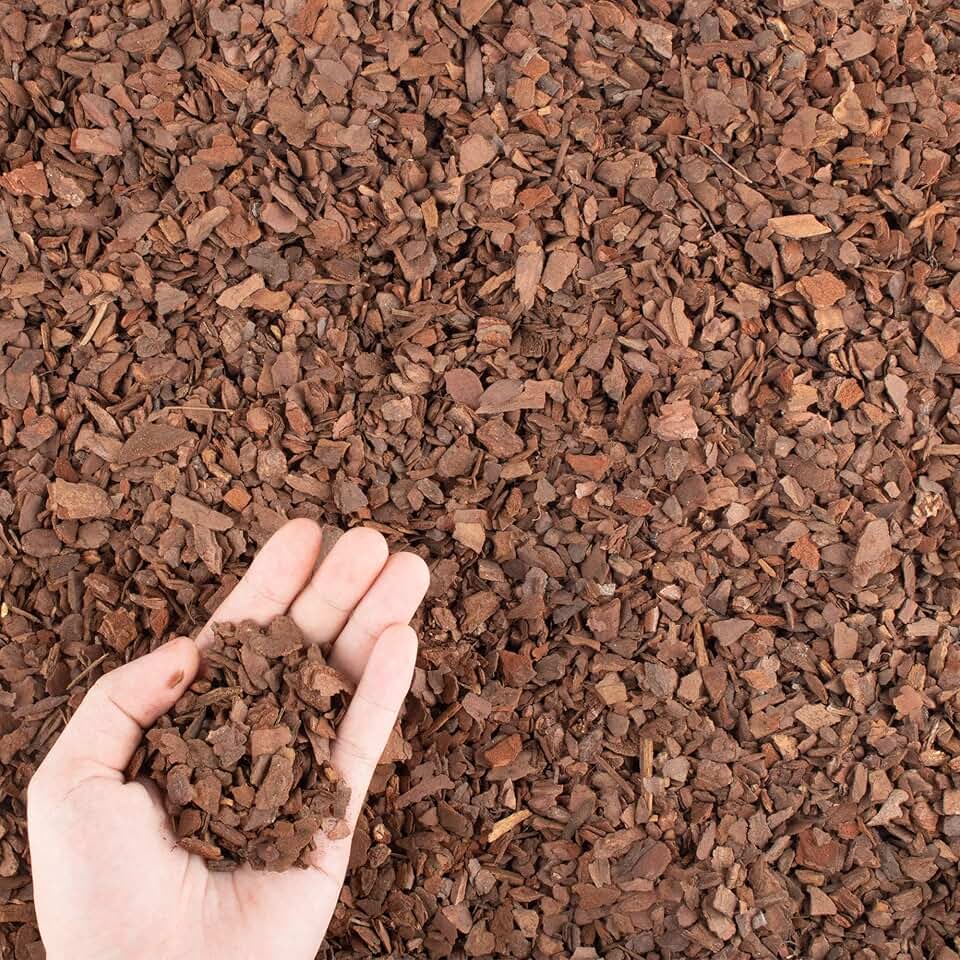
Spread mulch evenly around the base of each plant, keeping it a few inches away from the main stem. This creates a barrier that stops weed seeds from germinating and keeps the soil temperature stable.
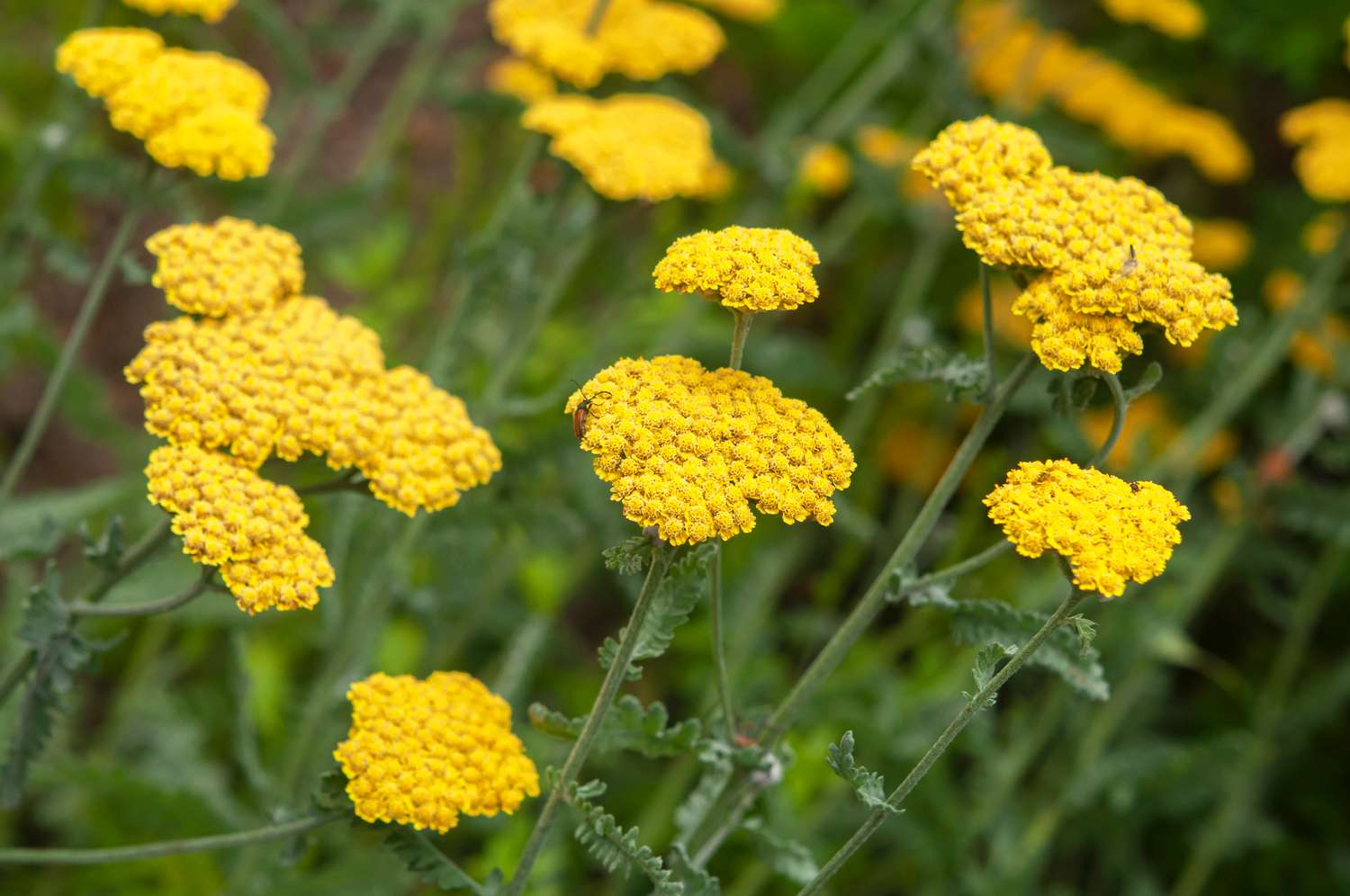
Use clean, sharp shears to make cuts just above a leaf node or at the base of the plant. This encourages healthy new growth and prevents the spread of any potential infections.
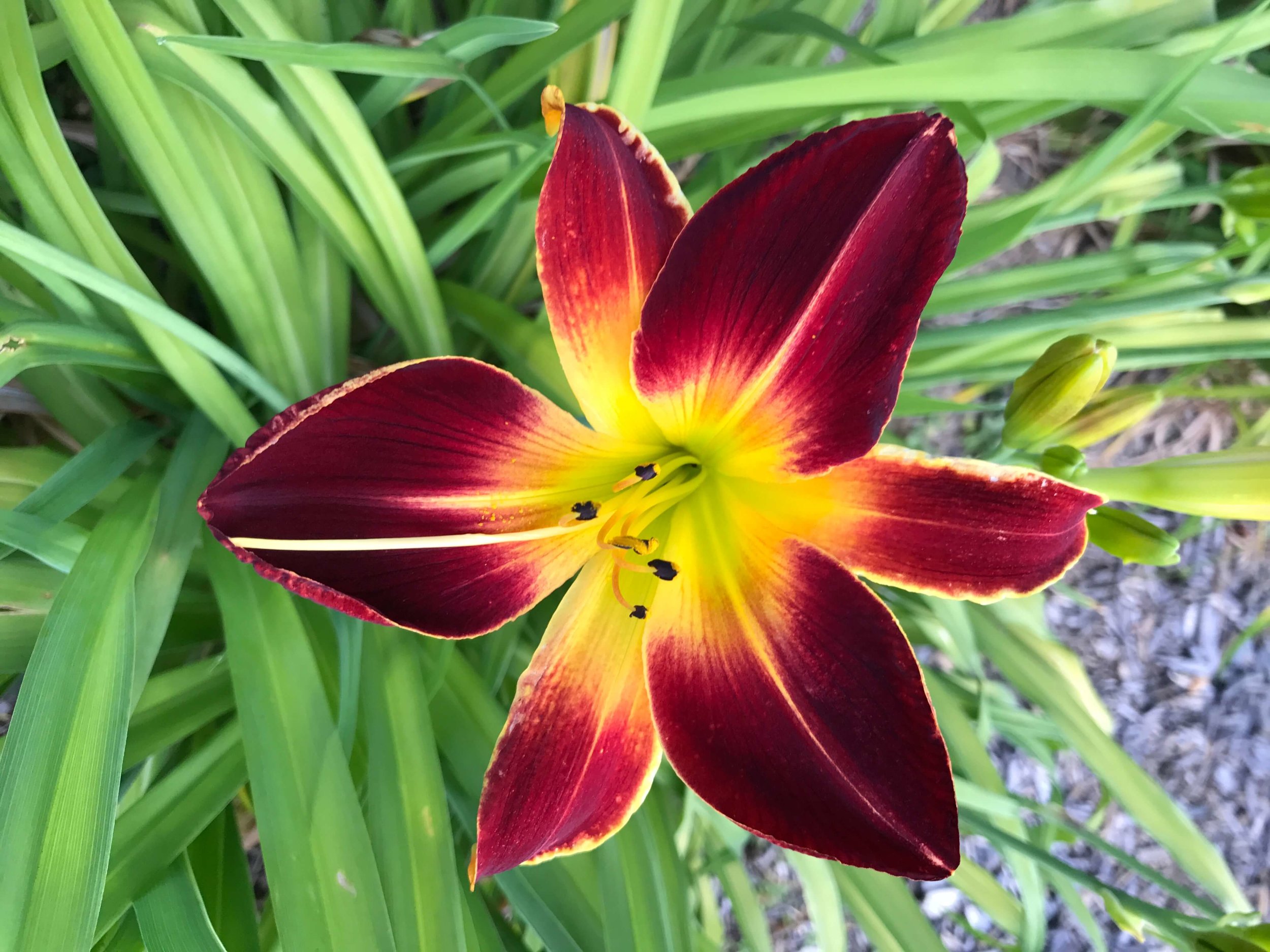
Dig up the entire plant in early spring or fall. Use a spade or your hands to separate the root ball into smaller sections, ensuring each has roots and shoots. Replant these divisions right away and water well.
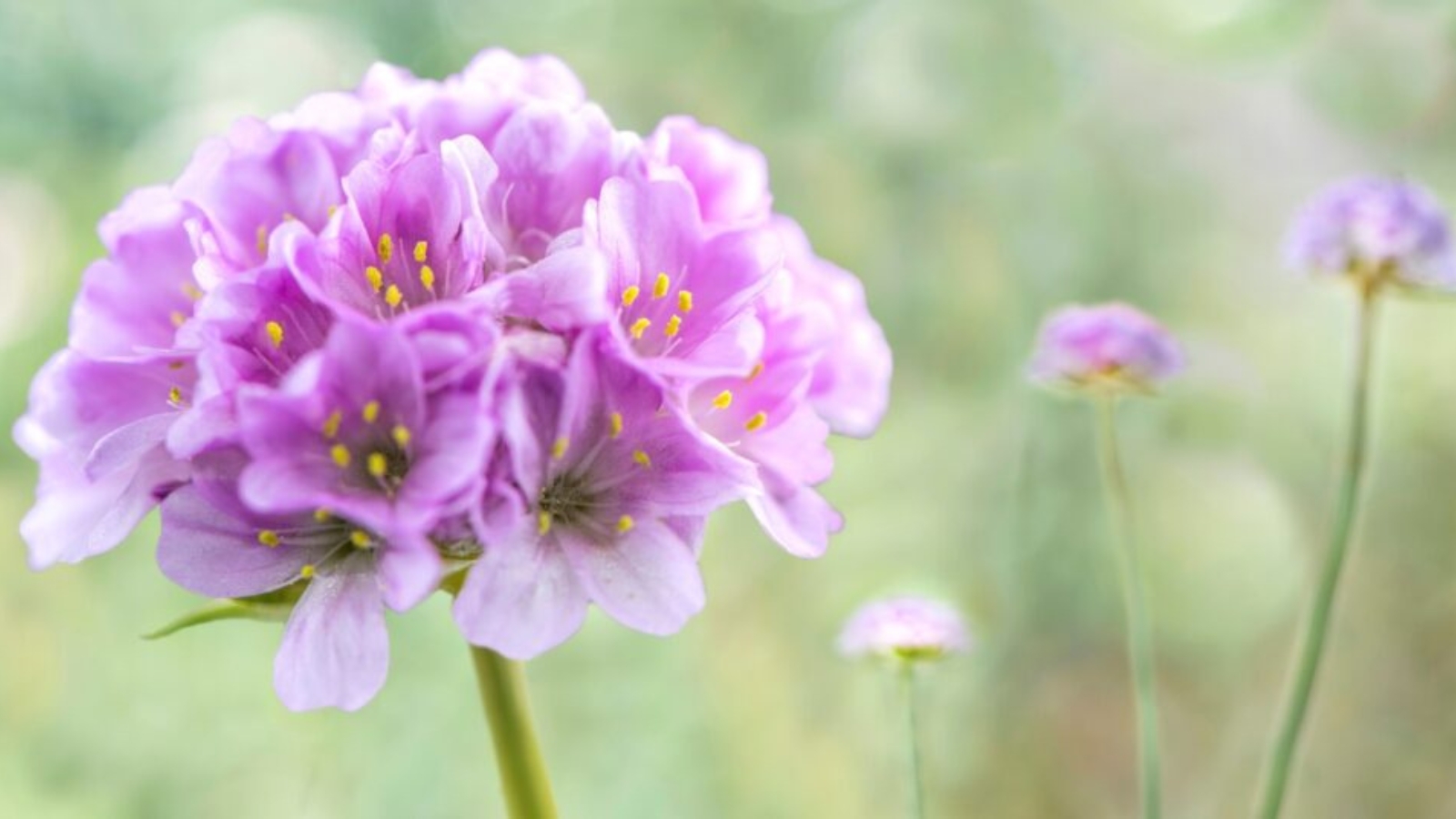
Essential tools for low maintenance perennial care
Having the right tools makes the process faster and more enjoyable. You don’t need expensive equipment, but a few basics will save you time and effort.



As an Amazon Associate, we may earn from qualifying purchases.
Frequently asked questions about low maintenance perennials
Common low maintenance perennial mistakes
Even the most resilient low maintenance perennials will struggle if planted in conditions they cannot tolerate. Gardeners often assume "low maintenance" means "no care required," but these plants still need specific environmental matches to thrive without constant intervention. Avoiding these pitfalls ensures your garden remains beautiful with minimal effort.
Wrong sun exposure
Placing shade-loving perennials in full sun or vice versa is the fastest way to create a dying garden. Plants like hostas or coral bells will scorch and brown if exposed to intense afternoon heat, while sun-lovers like coneflowers will become leggy and weak in deep shade. Check the mature plant's light requirements before digging. Most low maintenance varieties prefer full sun (6+ hours) or part shade (3-4 hours), but rarely both extremes.
Overcrowding and poor spacing
Overcrowding is a frequent error that leads to disease and poor air circulation. When plants are too close, humidity builds up around the foliage, creating a perfect environment for fungal infections like powdery mildew or black spot. Additionally, dense growth blocks sunlight from reaching lower leaves, causing the plant to die back from the inside out. Always space plants according to their mature width, not their nursery pot size. This allows for proper airflow and reduces the need for staking or pruning.
Ignoring soil drainage
Many low maintenance perennials, such as lavender and sedum, require excellent drainage. Planting these in heavy clay soil that retains water will lead to root rot, especially in winter. If your soil drains poorly, amend it with organic matter like compost or coarse sand before planting. Alternatively, consider building raised beds or mounding the soil slightly to elevate the root zone. Proper drainage is the single most important factor in long-term perennial health.
Neglecting deadheading and cleanup
While these plants require less care, they are not zero-care. Leaving dead flower heads on plants like phlox or bee balm can encourage self-seeding that turns into weedy chaos, or it can harbor pests. A quick deadheading after the first bloom cycle encourages a second flush of flowers and keeps the plant tidy. In late fall, cut back spent stems to ground level to prevent disease overwintering. This small effort pays off in a cleaner, healthier garden next spring.
Low maintenance perennials: what to check next
Before you dig, clear up the common doubts about easy-care garden plants. Low maintenance perennials like daylilies, sedum, and nepeta are not zero-maintenance, but they require significantly less effort than annuals or high-demand flowers.
Do low maintenance perennials really need no care?
No plant is entirely self-sufficient. "Low maintenance" means you skip deadheading, heavy fertilizing, and frequent watering once established. You still need to water them deeply for the first growing season to build strong roots. After that, most varieties thrive on rainfall alone.
Which perennials survive neglect and bad weather?
Hardy varieties like black-eyed susans, bearded irises, and meadow rue tolerate drought, poor soil, and deer browsing. Sedum stores water in its leaves, making it nearly indestructible in dry climates. Choose plants rated for your USDA hardiness zone to ensure they survive winter without mulch or protection.
Can I mix sun and shade low maintenance plants?
Yes, but group them by light needs. Nepeta and daylilies prefer full sun, while hostas and ferns handle shade. Mixing them in the same bed without zoning leads to stressed plants. Use a simple layout: sun-loving perennials on the south side, shade-tolerant ones on the north.
Are invasive low maintenance perennials common?
Some easy-growers like mint or certain phlox can spread aggressively. Always check local invasive species lists before buying. Opt for sterile varieties or those with controlled growth habits, like double blooming knockout roses, which are vigorous but non-invasive.
No comments yet. Be the first to share your thoughts!