

Why low maintenance perennials save time
Low maintenance perennials thrive with minimal intervention, requiring only initial planting and occasional watering during establishment. Choosing plants that fit this description changes gardening from a chore into a background hobby. The easiest perennials are drought tolerant, don't need fertilizing, and will continue blooming without deadheading. This "set it and forget it" approach works because these plants have evolved to handle local weather swings and resist common pests, meaning you spend less time troubleshooting and more time enjoying the garden.
Consider Black-Eyed Susan (Rudbeckia hirta). Once established, this sun-loving perennial handles dry spells with ease. It produces bright yellow blooms that attract pollinators but rarely succumb to the fungal issues that plague more delicate flowers. You don't need to stake them or prune them back until late winter.
For shadier spots, Hostas offer a similar level of ease. They emerge from bare ground in spring and grow quickly to fill spaces with elegant foliage. After the first few frosts in fall, the foliage goes dormant until the following spring. You simply pull away the dead leaves and let the plant rest. There is no deadheading, no complex feeding schedule, and no need to move them every few years. These traits make them ideal for gardeners who want color and texture without the daily upkeep.
Sun-loving low maintenance perennials
These varieties thrive in full sun with minimal intervention, making them ideal for gardeners who want color without the daily chore list. They establish quickly, handle heat well, and often require little more than a good soaking during dry spells.
Black-Eyed Susans are a staple for a reason. Their bright yellow petals and dark centers bloom reliably from midsummer into fall, attracting pollinators while tolerating poor soil and drought. Once established, they self-seed gently, creating a cheerful, effortless display that needs almost no care.
Sedum, particularly the 'Autumn Joy' variety, offers thick, fleshy leaves that store water, making them incredibly drought-tolerant. The flat flower heads start green, turn pink, and finally age to a rusty brown, providing texture and interest across three seasons. They repel deer and thrive in rocky, well-drained spots where other plants might struggle.
Coneflowers (Echinacea) are native to many parts of the US and perfectly adapted to hot, sunny conditions. Their prominent central cones attract butterflies and bees, while their sturdy stems hold up well against summer storms. Deadheading isn't strictly necessary; leaving the seed heads provides winter food for birds and adds structural beauty to the garden.
Earning their name, coreopsis blooms continuously from late spring until the first frost with minimal effort. The daisy-like flowers come in shades of yellow, orange, and red, and the plants are resistant to most pests and diseases. They prefer full sun and well-draining soil, rewarding gardeners with a long-lasting, vibrant show that requires little more than a cutback in early spring.


As an Amazon Associate, we may earn from qualifying purchases.
Best shade perennials for easy care
Shade gardens often get a reputation for being high-maintenance, but that is a misconception. Many shade-tolerant perennials are actually tougher than their sun-loving counterparts, requiring less watering and fewer interventions to thrive. These plants are the definition of effortless gardening: they establish quickly, spread reliably, and bounce back year after year with minimal fuss.
The key to an easy-care shade garden is choosing plants that handle the specific challenges of low light, such as dappled sunlight or dry shade under trees. Instead of fighting the environment, these perennials work with it. They provide lush foliage and reliable blooms without the need for constant deadheading, staking, or fertilizing.
Hostas
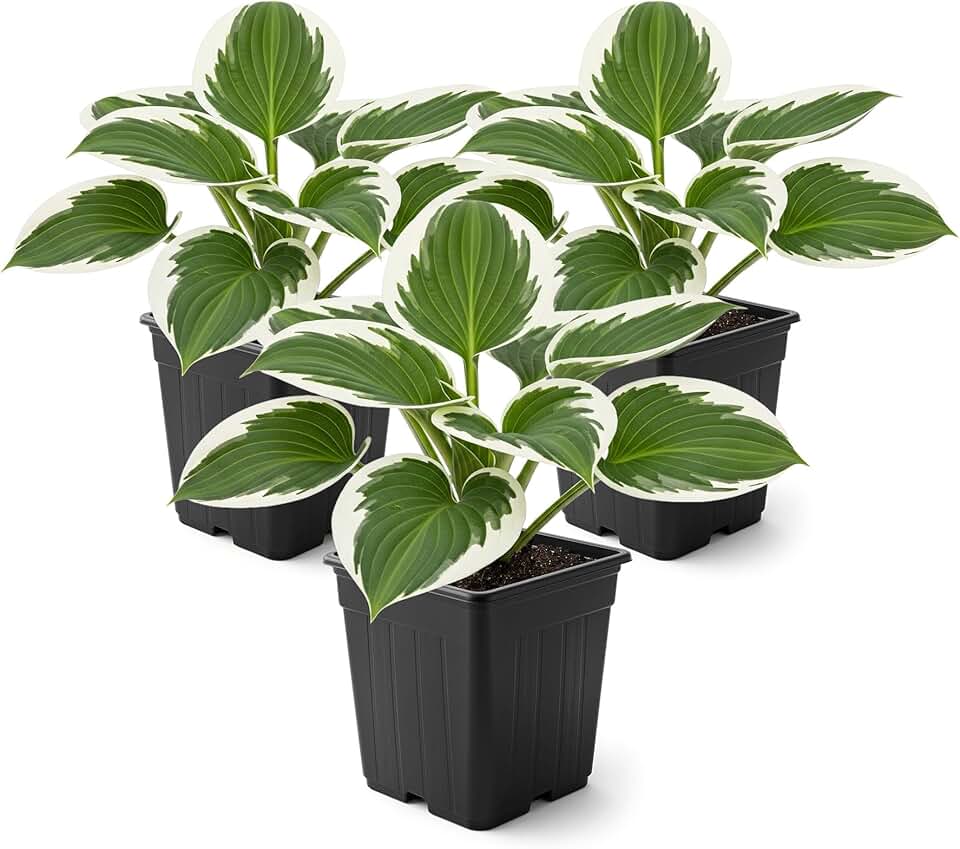
Hostas are the undisputed champions of low-maintenance shade gardening. They are incredibly forgiving, emerging from bare ground in spring to quickly fill large spaces with elegant, textured foliage. Once established, they require almost no attention. After the first few frosts in fall, the foliage goes dormant, and you can simply cut it back or leave it as mulch. New growth returns reliably in spring, making them a true set-it-and-forget-it perennial.
Astilbe
Astilbes bring feathery, plume-like flowers to the shade garden without demanding much effort. They thrive in moist, shady spots and provide vertical interest with minimal care. Once planted, they form dense clumps that suppress weeds naturally. The only maintenance they truly need is consistent moisture during their first growing season to establish their root systems. After that, they are largely on their own, rewarding you with airy blooms every summer.
Heuchera
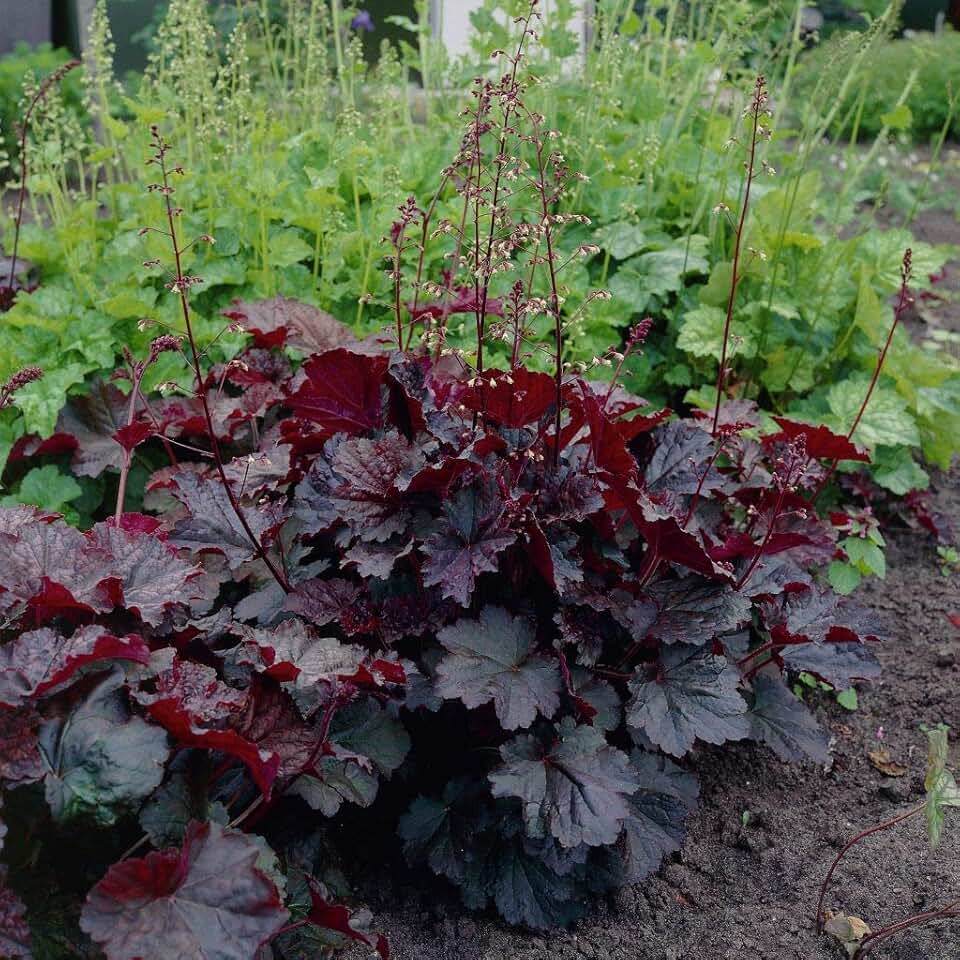
Heuchera, commonly known as coral bells, are prized for their colorful foliage rather than their flowers. They offer a wide range of leaf colors, from deep purples to bright lime greens, providing visual interest throughout the growing season. These plants are drought-tolerant once established and require very little pruning. They are perfect for adding pops of color to shady borders or containers without the hassle of frequent deadheading or splitting.
Ferns
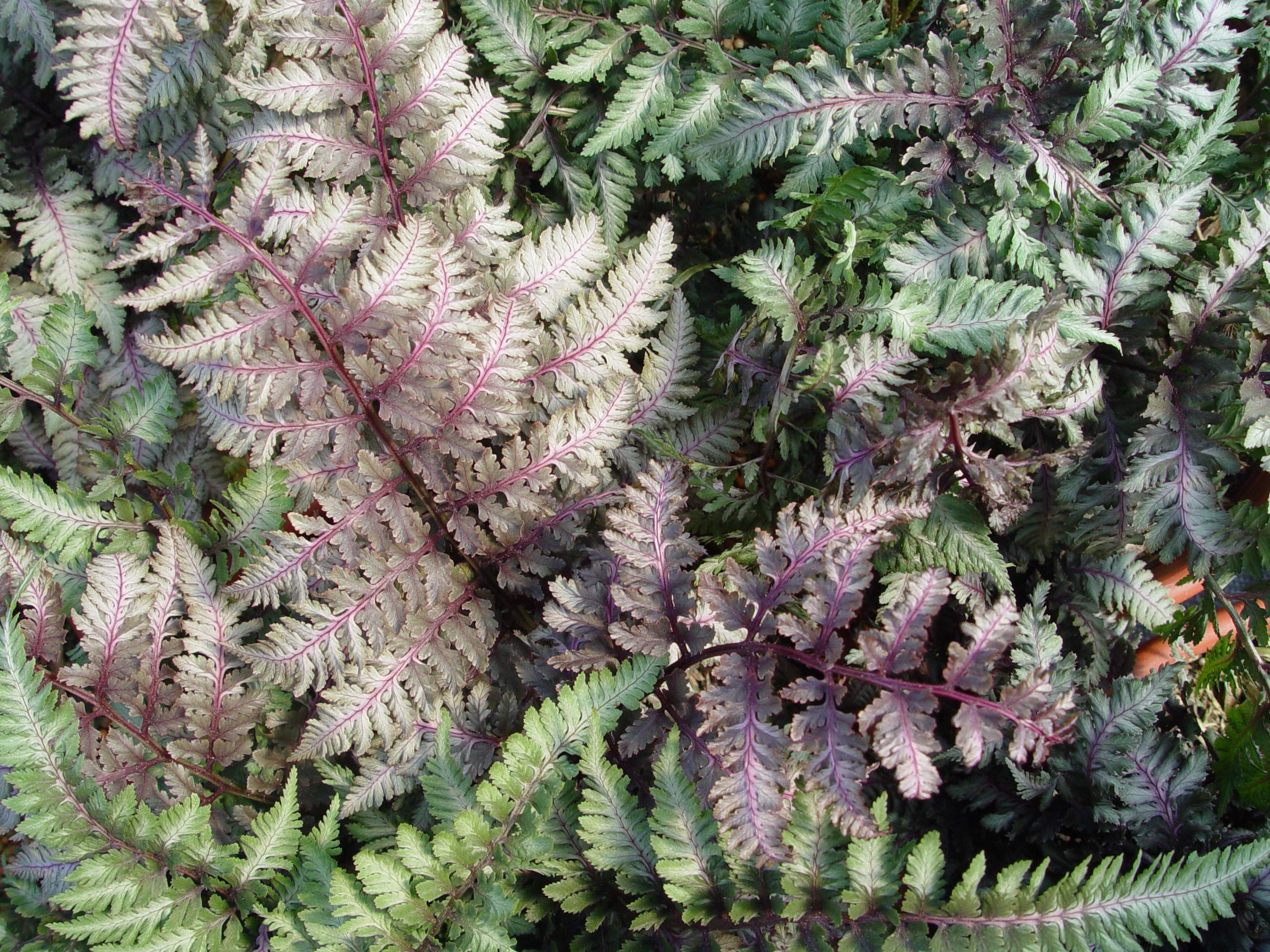
Ferns are the ultimate low-maintenance shade perennials. They thrive in the dark, damp conditions where many other plants struggle, making them ideal for problem areas under trees or along north-facing walls. Most ferns are evergreen or semi-evergreen, providing year-round structure to the garden. They require no pruning, no fertilizing, and very little watering once established. Their delicate fronds add a soft, natural texture that complements almost any shade garden design.



As an Amazon Associate, we may earn from qualifying purchases.
How to choose perennials for your soil
Matching the right low maintenance perennial to your specific garden conditions is the easiest way to ensure success. While many plants are adaptable, selecting species that thrive in your existing sun and soil types removes the guesswork. This approach keeps your garden effortless, allowing plants to establish themselves without constant intervention.
Sun-loving perennials like Black-Eyed Susan and Coneflower prefer well-draining soil and full exposure. These varieties are drought-tolerant once established, making them ideal for sunny borders that receive little attention. In contrast, shade-tolerant options like Hostas and Coral Bells thrive in cooler, moister spots. They fill large spaces quickly with elegant foliage, requiring minimal care after the initial planting.
To help you compare these options side-by-side, here is a quick reference for light requirements, water needs, bloom time, and mature height.
| Plant | Light | Water | Bloom Time | Mature Height |
|---|---|---|---|---|
| Black-Eyed Susan | Full Sun | Low | Summer to Fall | 2-4 ft |
| Coneflower | Full Sun | Low | Summer | 2-4 ft |
| Hosta | Shade to Part Shade | Medium | Summer | 1-3 ft |
| Coral Bells | Part Shade to Shade | Low to Medium | Spring to Summer | 12-18 in |
Simple care tips for long-lasting blooms
The promise of low maintenance perennials is that they reward you with color, not chores. Once established, plants like Black-Eyed Susan, Hosta, and Coneflower thrive on minimal intervention. By following a few basic routines, you keep your garden vibrant without turning gardening into a second job.
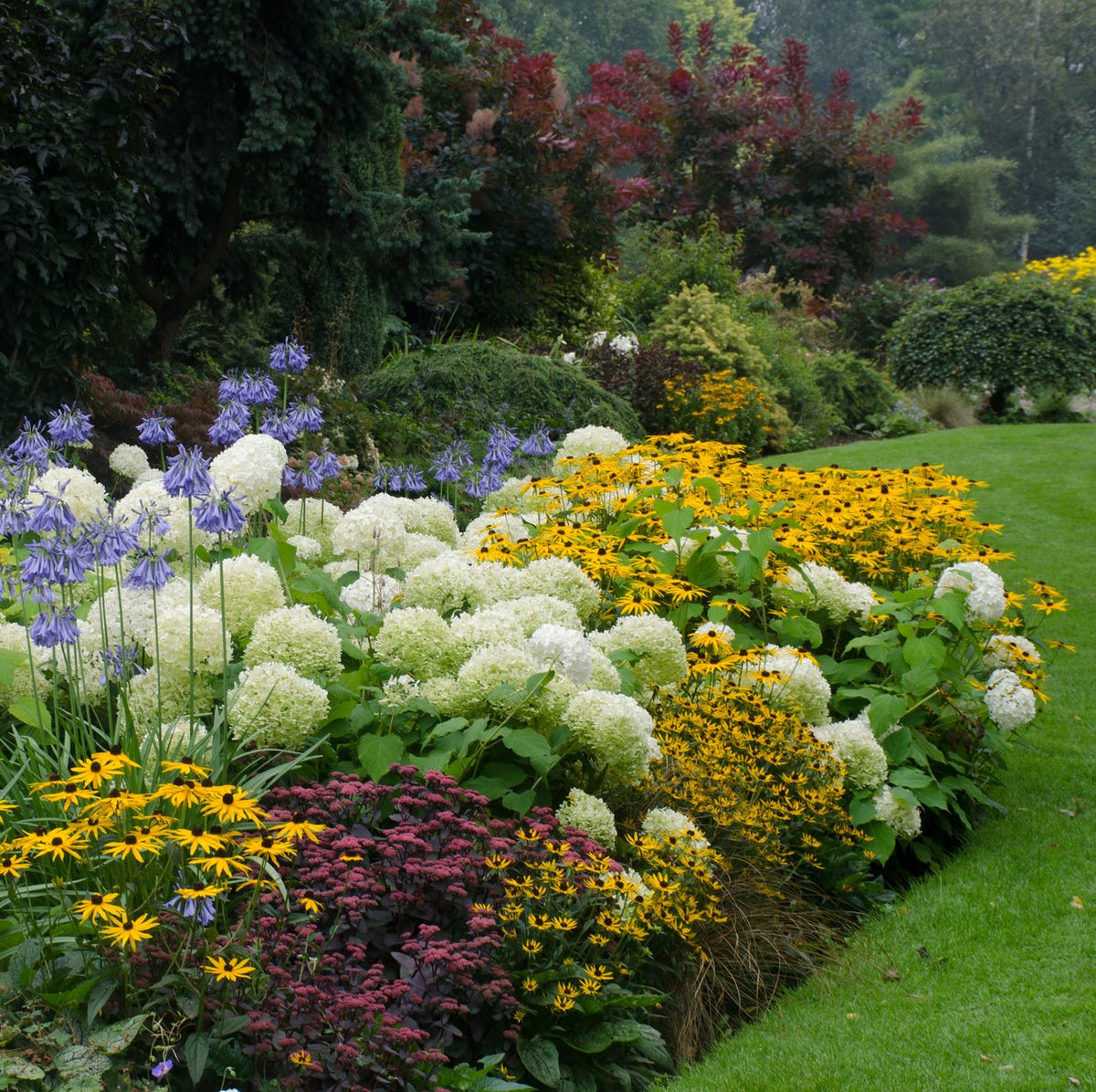
After the first season of regular watering, most low maintenance perennials develop deep root systems that handle dry spells. Water your Black-Eyed Susan or Coneflower deeply once a week during dry periods, rather than light daily sprinklings. This encourages roots to grow downward, making your plants more resilient to heat.
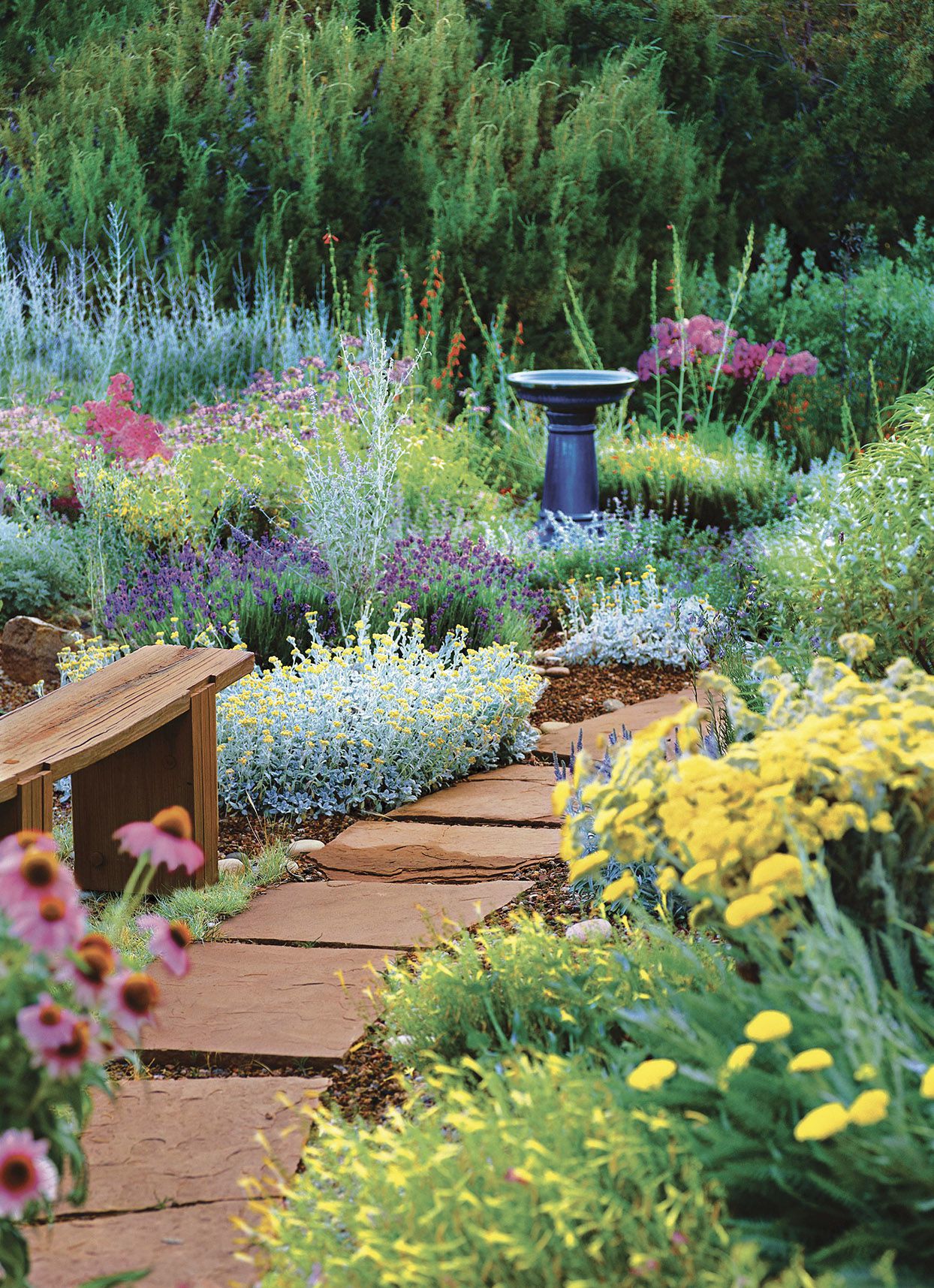
A two-inch layer of organic mulch around your Hostas and other shade-loving perennials acts like a moisture lock. It keeps the soil cool, prevents weeds from stealing nutrients, and breaks down slowly to feed the soil. You won't need to fertilize these tough plants often if the mulch does the heavy lifting.
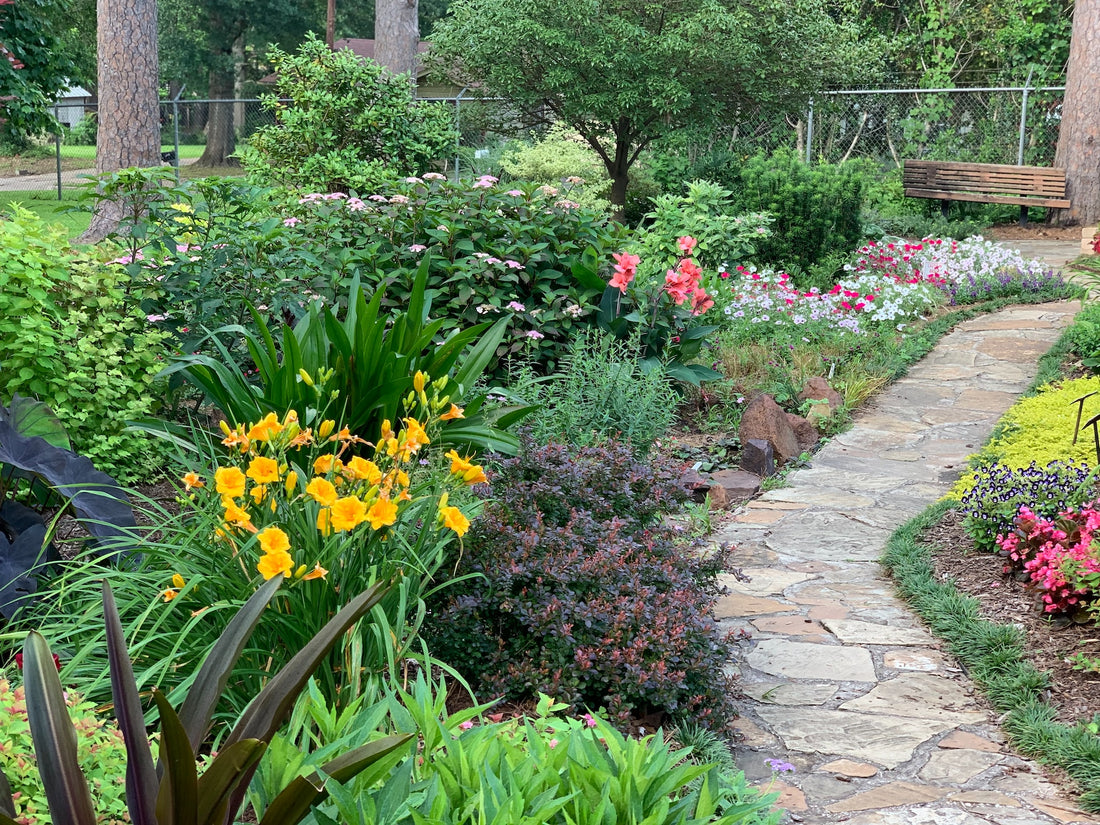
Perennials like daylilies and hostas can become overcrowded, leading to fewer blooms. Every three to four years in early spring, dig up the clump, split the roots into smaller sections, and replant them. This simple act rejuvenates the plant and gives you free extras to share or fill in bare spots.


As an Amazon Associate, we may earn from qualifying purchases.
By sticking to these three simple steps, you ensure your low maintenance perennials remain the effortless backbone of your garden year after year.
Common questions about easy perennials
Many gardeners worry that low-maintenance flowers still require constant attention. The truth is that many perennials are incredibly resilient once established. They naturally adapt to your local climate and resist common pests, reducing the need for chemicals or frequent repotting.
What perennials don't require a lot of work?
If you garden in shade, hostas are among the easiest low-maintenance perennials you can grow. They emerge from bare ground in spring and quickly fill large spaces with elegant foliage. After the first few frosts in fall, the foliage goes dormant until the following spring, requiring almost no intervention.
For sunny spots, Black-Eyed Susans are a top choice for effortless care. These hardy blooms thrive in poor soil and drought conditions, returning year after year without deadheading. Similarly, Coneflowers are known for their drought tolerance and ability to attract pollinators while needing minimal watering once established.
Do low-maintenance perennials need fertilizer?
Most low-maintenance perennials, like daylilies and sedum, do not require heavy fertilizing. Over-fertilizing can actually reduce blooming and make plants weak. A light layer of compost in early spring is usually sufficient to keep them healthy and vibrant throughout the season.
No comments yet. Be the first to share your thoughts!