
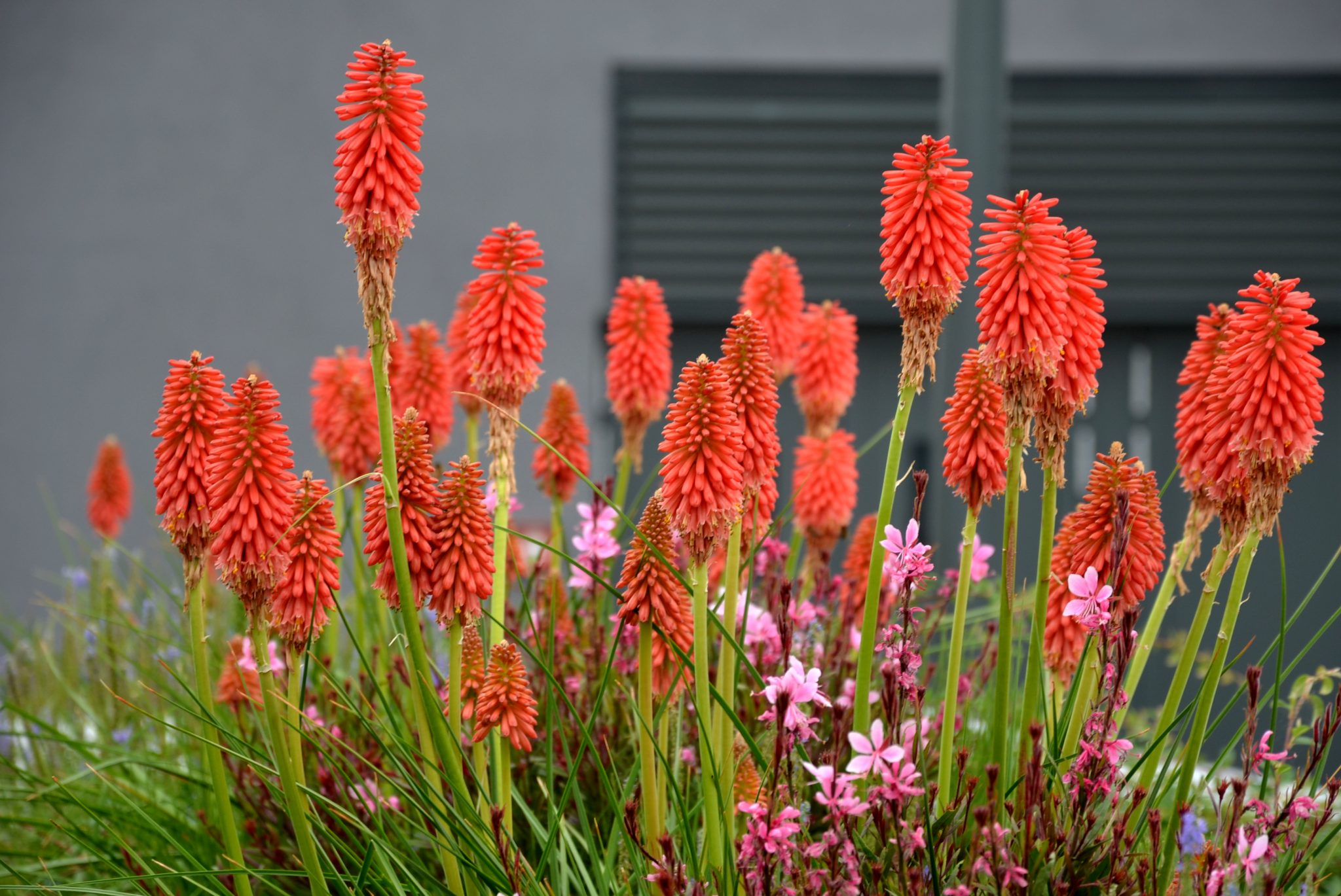

10 Low-Maintenance Perennials for a Low-Effort Garden
Establishing a resilient garden relies on selecting plants that thrive with minimal intervention. Unlike annuals, which demand replanting every spring, these perennials return year after year, forming the backbone of a landscape that requires little upkeep. They are generally more resistant to pests and diseases, making them ideal for busy gardeners or those new to planting.
The key to success lies in selecting plants that fit their environment rather than forcing them to adapt. When you choose perennials suited to your local climate and soil, you reduce the need for watering, fertilizing, and constant pruning. This approach creates a self-sustaining ecosystem that looks polished with just seasonal cleanup.
Think of these plants as your garden’s permanent crew. Once they take root, they handle the heavy lifting—covering the ground, attracting pollinators, and withstanding weather fluctuations. Your role shifts from active caretaker to occasional observer, allowing you to enjoy a lush, colorful space without the daily grind of garden chores.
Building a garden that grows itself
Choosing the right low-maintenance perennial starts with matching the plant to your garden's specific conditions. Rather than guessing which flowers will thrive, use this comparison to quickly identify candidates based on sun exposure, water needs, and bloom time. This side-by-side view helps you build a resilient garden that requires minimal intervention once established.
This table highlights the versatility of easy-care perennials. You can mix drought-tolerant sun lovers like Sedum and Coneflower with shade-tolerant options like Hosta and Hellebore to ensure year-round interest. By selecting plants that align with your garden's light and moisture levels, you reduce the need for frequent watering, fertilizing, or staking.
10 Low-Maintenance Perennial Recommendations
To help you build a resilient garden, here are ten specific perennial varieties selected for their hardiness, adaptability, and ability to thrive with minimal intervention. Each option is chosen for its proven track record in reducing garden labor while maximizing visual impact.
-
Black-Eyed Susan (Rudbeckia hirta): These cheerful yellow blooms are incredibly tough, tolerating drought and poor soil with ease. They self-seed generously, ensuring you have new plants next year without extra effort. They bloom from mid-summer through fall, providing long-lasting color.
-
Sedum (Hylotelephium): Known for their succulent leaves and flat flower heads, sedums are drought-tolerant champions. They thrive in poor soil and full sun, requiring almost no water once established. Their late-season blooms are magnets for butterflies and bees.
-
Daylily (Hemerocallis): Often called "ditch lilies," these plants are nearly indestructible. They tolerate a wide range of soil conditions and light levels, from full sun to deep shade. Each plant produces numerous blooms over a short period, but the plant flowers repeatedly throughout the summer.
-
Bearded Iris (Iris germanica): These elegant spring bloomers prefer well-drained soil and full sun. Once established, they need little care other than dividing every few years to maintain vigor. Their sword-like foliage adds structure to the garden even when not in bloom.
-
Shasta Daisy (Leucanthemum): Classic white petals with yellow centers, Shasta daisies are reliable summer bloomers. They prefer full sun and well-drained soil but are forgiving if conditions aren't perfect. Deadheading spent flowers encourages a second flush of blooms in late summer.
-
Coneflower (Echinacea): These native perennials are heat and drought-tolerant, thriving in full sun. Their distinctive cone-shaped centers attract pollinators, and the dried seed heads provide food for birds in winter. They are long-lived and require minimal maintenance.
-
Lavender (Lavandula): Preferring hot, dry conditions and well-drained soil, lavender is a fragrant, low-water option. It repels many pests naturally and adds vertical interest to borders. Pruning after flowering keeps the plant compact and productive.
-
Russian Sage (Perovskia): This airy, purple-flowered perennial thrives in poor soil and full sun. It is highly drought-tolerant and has a silvery foliage that contrasts beautifully with darker greens. It requires little to no staking due to its naturally upright habit.
-
Hosta (Hosta): The king of shade gardens, hostas offer a wide variety of leaf shapes and colors. They thrive in moist, shady spots and suppress weeds with their broad foliage. While slugs can be an issue, many varieties are resistant, and mulching helps retain moisture.
-
Hellebore (Helleborus): Also known as Lenten Rose, these plants bloom in late winter or early spring, providing color when little else is flowering. They are evergreen in mild climates and prefer shade to part shade. They are deer-resistant and require almost no care once planted.
Shop these low-maintenance perennials
Building a resilient garden doesn't require constant upkeep. These low-maintenance perennials are selected for their hardiness, adaptability, and ability to thrive with minimal intervention. Whether you are dealing with full sun or deep shade, these plants offer reliable blooms year after year without demanding excessive watering or fertilizing.
The following selection covers a range of hardiness zones and light conditions. Each option is chosen for its proven track record in reducing garden labor while maximizing visual impact. Use the grid below to find the specific varieties that match your local growing conditions.


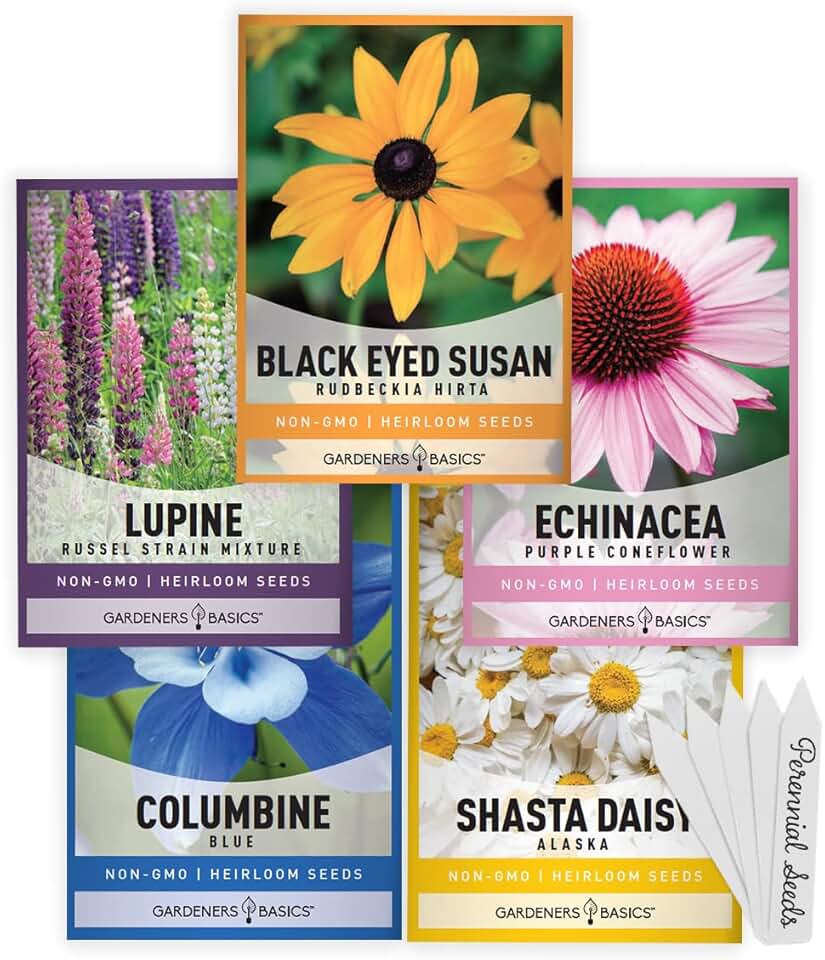


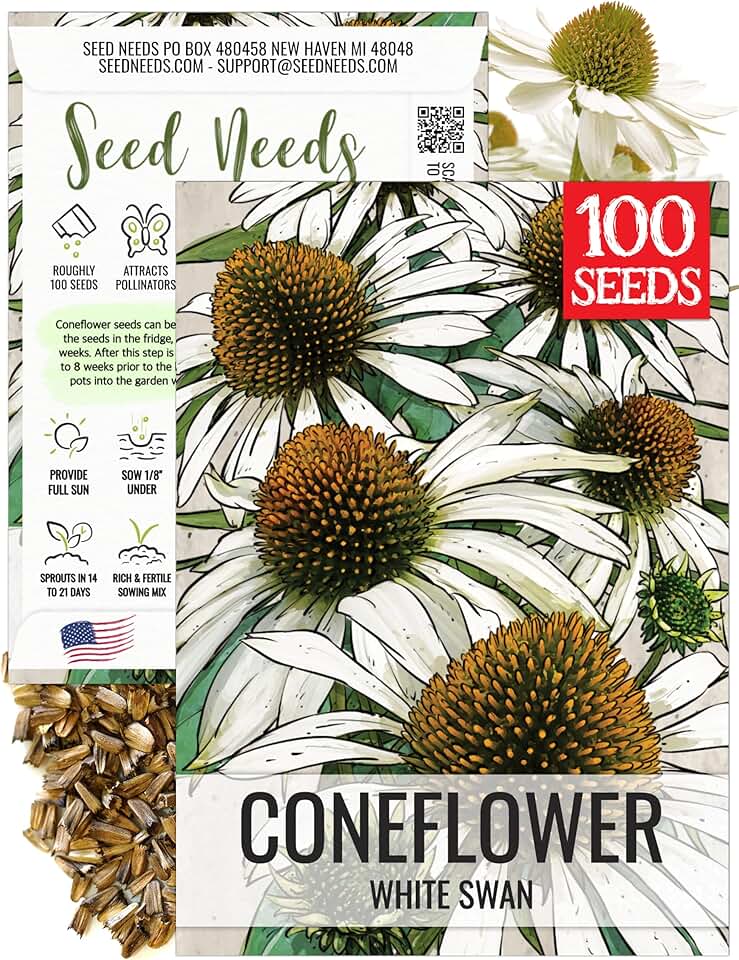

As an Amazon Associate, we may earn from qualifying purchases.
No comments yet. Be the first to share your thoughts!