

Shade perennials that thrive with minimal effort
Shade perennials are plants adapted to low-light environments, often originating from woodland floors where they compete with tree roots for nutrients and water. Unlike annuals that require replanting every year, these perennials return reliably, forming the backbone of a low-maintenance garden. The goal here is not to find plants that merely survive in the dark, but those that flourish with little intervention.
To curate this list, we prioritized varieties known for their resilience and ease of care. We focused on plants that tolerate deep shade, resist common pests, and require minimal pruning or staking. Each selection represents a proven performer that blends well into woodland-style settings or deep-shade borders. We avoided high-maintenance species that demand specific soil amendments or constant moisture monitoring, ensuring these choices fit the "low-maintenance" promise.
The following recommendations are based on horticultural performance data and grower feedback. We have excluded items with complex care requirements or limited availability. Instead, we highlight staples that offer consistent beauty with minimal upkeep, allowing you to enjoy a lush garden without the daily chore list.
10 Low-Maintenance Shade Perennials for 2026: The Ultimate guide to a Lush, Sun-Free Garden
These ten shade-tolerant perennials are selected for their ability to thrive with minimal intervention, focusing on drought resistance and disease resilience. Each entry includes specific growing requirements and visual traits to help you build a cohesive, low-effort garden structure for 2026.
1. Hosta 'Sum and Substance' for bold yellow foliage
This giant hosta delivers massive, chartreuse leaves that brighten deep shade without direct sun. It thrives in moist, well-drained soil and resists slugs better than many green varieties. Plant it as a focal point where its 3-foot spread commands attention. The foliage remains vibrant throughout the growing season, providing a striking contrast against darker green companions.

2. Astilbe 'Fanal' for deep red plumes in damp shade
Astilbe 'Fanal' offers dramatic, feathery plumes in a rich, wine-red hue that stands out in moist, shady borders. These perennials prefer consistently damp soil and benefit from mulch to retain moisture. The dark foliage provides a sturdy backdrop for the airy flower spikes, which bloom in early summer. They are ideal for rain gardens or low spots that stay wet.

3. Heuchera 'Palace Purple' for year-round dark leaves
Heuchera 'Palace Purple' provides striking, dark purple-bronze foliage that persists through winter in mild climates. This coral bell variety forms compact mounds of ruffled leaves, adding texture to shaded beds. It tolerates a range of soil conditions but performs best in well-drained earth. Pair it with lighter-colored flowers to make the deep leaf color pop in low-light areas.

4. Brunnera 'Jack Frost' for silver heart-shaped leaves
Brunnera 'Jack Frost' features delicate, silver-variegated heart-shaped leaves that shimmer in dappled shade. It produces tiny, forget-me-not blue flowers in spring, adding a soft touch to woodland gardens. This plant spreads gently to form attractive ground cover, suppressing weeds effectively. It thrives in moist, fertile soil and offers reliable performance with minimal care throughout the season.

5. Fern 'Autumn Fern' for copper new growth
The Autumn Fern starts with bright copper-colored fronds that mature to a rich green, offering unique seasonal interest. This Japanese shield fern is exceptionally drought-tolerant once established, making it easier to manage than many shade plants. It forms a tidy, upright clump that works well in foundation plantings or mixed borders. Its resilience and color change make it a standout choice for low-maintenance shade gardens.
![Greenwood Nursery: Live Perennial Plants - Autumn Brilliance Fern + Dryopteris Erythrosora - [Qty: 2X Pint Pots] - (Click for Other Available Plants/Quantities)](https://m.media-amazon.com/images/I/71aqAdfRD5L._AC_UL960_QL65_.jpg)
6. Liriope 'Big Blue' for grass-like evergreen texture
Liriope 'Big Blue' delivers dense, arching evergreen foliage that mimics ornamental grass without the winter die-back. Its deep blue-green leaves maintain structure through harsh winters, providing reliable ground cover in dry shade. The plant forms tight clumps that resist spreading aggressively, making it ideal for edging pathways or filling gaps under trees where other perennials struggle to survive.

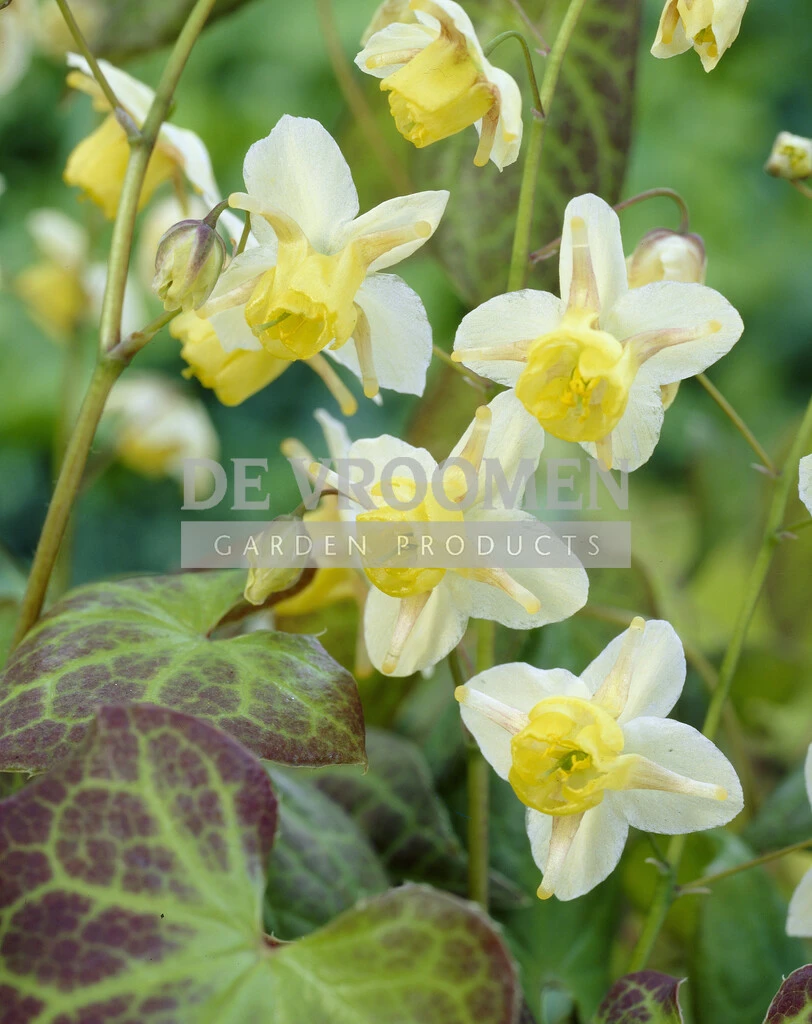
7. Epimedium 'Sulphureum' for early yellow spring blooms
Epimedium 'Sulphureum' wakes up the garden with delicate yellow flowers that appear before most spring bulbs fade. Its heart-shaped leaves emerge with a bronze tint, turning green as summer progresses. This perennial thrives in deep shade and dry soil conditions where many flowering plants fail, offering a subtle yet effective early-season color boost without demanding extra water or fertilizer.
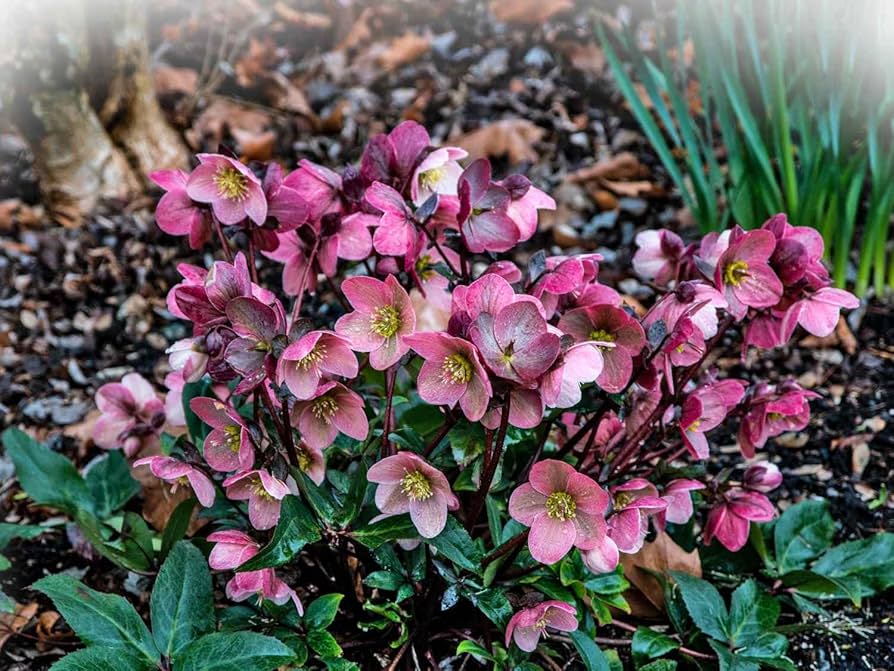
8. Hellebore 'Pink Frost' for winter flowering resilience
Hellebore 'Pink Frost' breaks the monotony of winter with nodding white-pink blooms that open when snow may still be on the ground. Its leathery, evergreen foliage provides year-round structure, resisting slug damage better than most shade plants. This hardy perennial requires minimal care, flourishing in poor soil and deep shade, making it a reliable anchor for winter interest in low-maintenance gardens.
9. Ajuga 'Bugleweed' for low ground cover control
Ajuga 'Bugleweed' creates a dense, low-growing mat that smothers weeds and retains soil moisture effectively. Its glossy leaves often display purple or bronze hues, topped with spikes of blue flowers in spring. While vigorous, it stays relatively compact and can be easily trimmed back to prevent overgrowth. This hardy ground cover thrives in damp to average shade, requiring little more than occasional division to maintain its health.
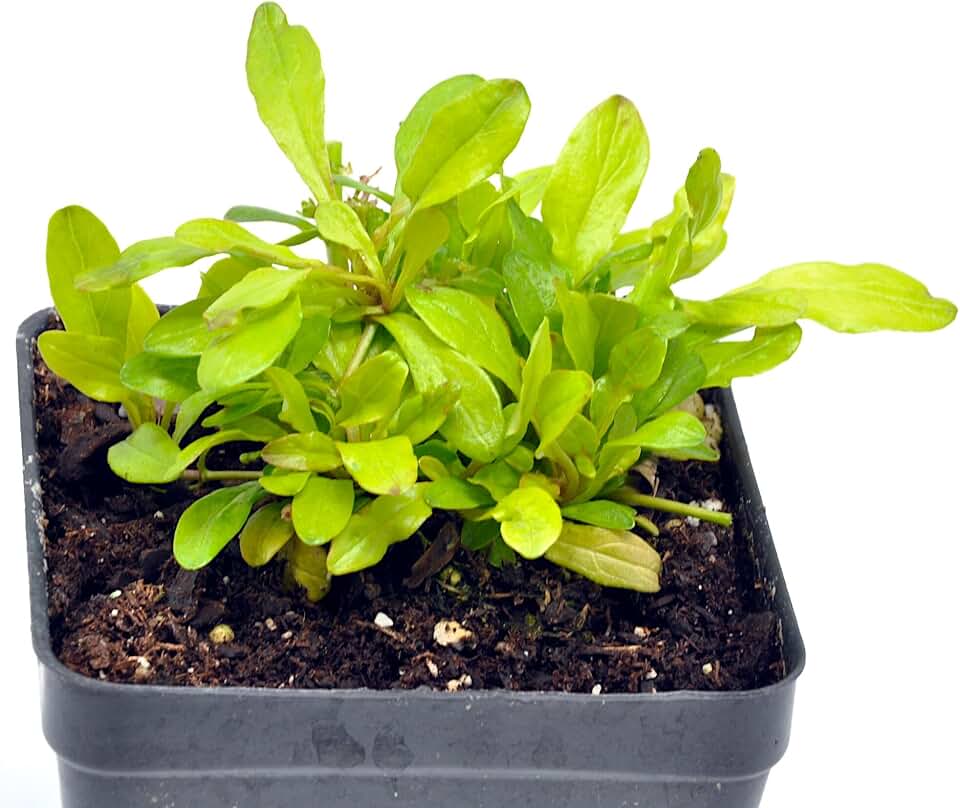
10. Pachysandra terminalis for dense weed-suppressing carpet
Pachysandra terminalis forms an impenetrable green carpet that eliminates the need for mulch or weeding in deep shade. Its glossy, toothed leaves create a uniform texture that looks polished with minimal effort. This classic shade plant tolerates heavy root competition from trees and poor soil conditions. Once established, it requires almost no maintenance, making it the ultimate solution for large, difficult-to-maintain shaded areas.

Pick the right fit for your shade
Choosing low-maintenance shade perennials starts with matching the plant to the specific conditions of your garden. Not all shaded spots are the same, and picking the wrong variety is the fastest way to end up with a patch of struggling, yellowing foliage.
1. Assess the light level
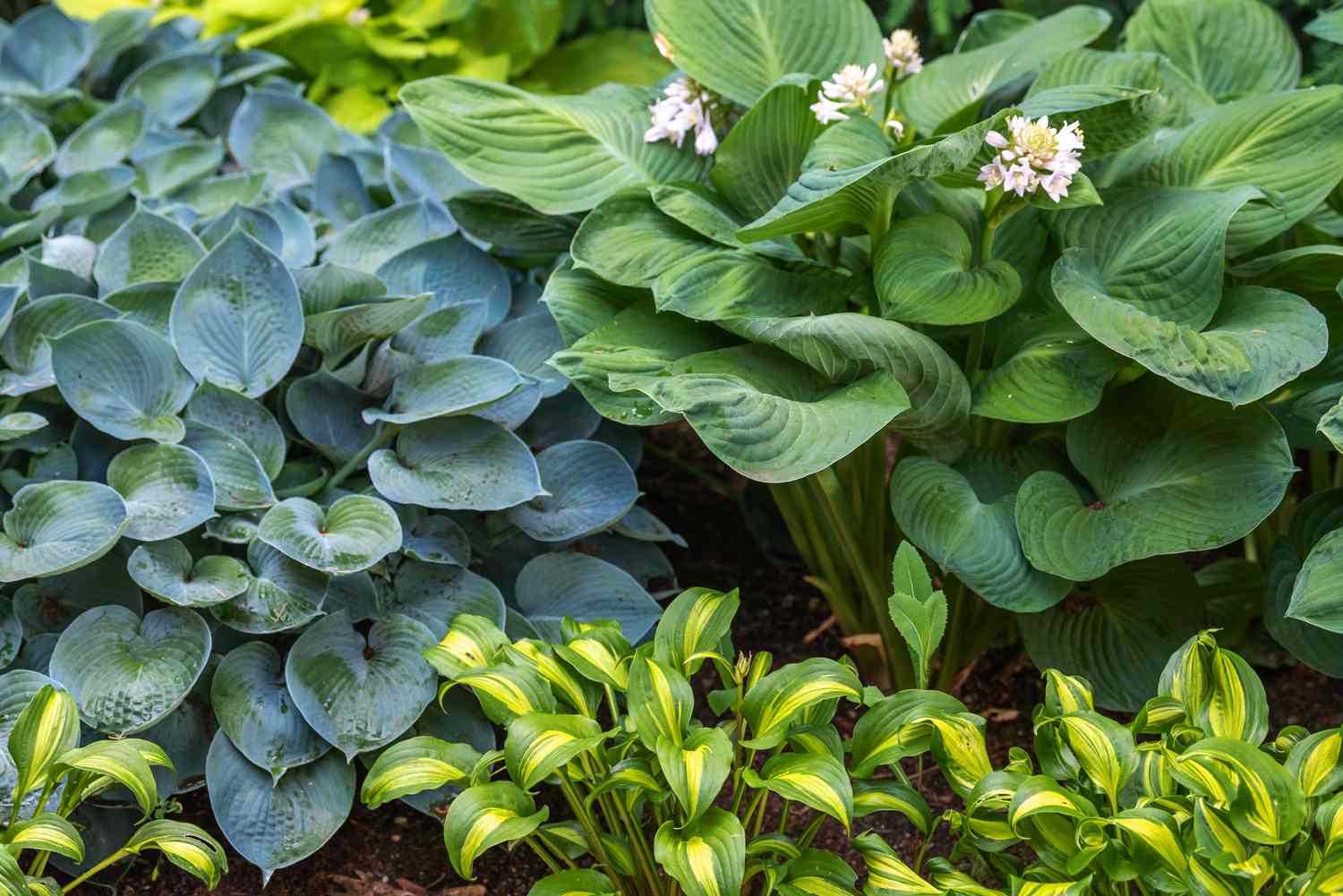
Shade falls on a spectrum. Full shade means less than three hours of direct sun, often under dense tree canopies where roots compete for water. Partial shade offers three to six hours, typically in the morning or late afternoon. Most low-maintenance favorites, like hostas and bleeding hearts, thrive in partial shade but struggle in deep, dark woods. Be honest about your garden’s light to avoid disappointment.
2. Check soil drainage and moisture
Shade plants generally prefer soil that stays moist but never soggy. Heavy clay holds water and suffocates roots, while sandy soil dries out too quickly. Before buying, dig a small hole and fill it with water. If it drains within an hour, your soil is likely suitable for most perennials. If it pools, you may need to amend the soil with compost or choose moisture-tolerant species like ferns or astilbe.
3. Match the plant to your maintenance style
"Low-maintenance" does not mean "no maintenance." Some plants, like certain hosta varieties, require regular deadheading to look their best. Others, like coral bells or foamflower, are truly set-and-forget. Decide if you want to spend time dividing clumps every few years or prefer plants that spread slowly and steadily without intervention.
Most shade perennials prefer slightly acidic to neutral soil (pH 6.0–7.0). A simple home test kit can tell you if you need to add lime or sulfur. Adjusting pH now prevents nutrient lockout later, ensuring your plants stay healthy with minimal feeding.
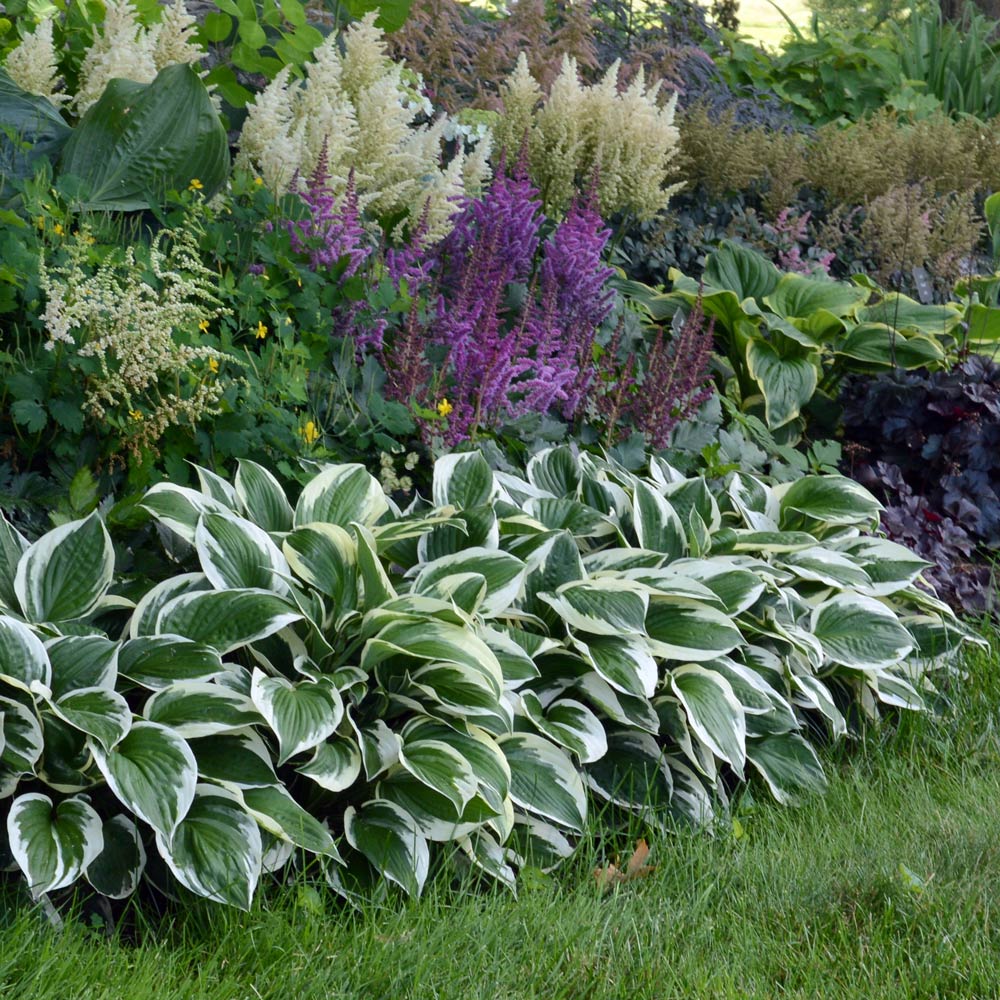
Plant species with similar hydration requirements together. This makes watering efficient and prevents overwatering drought-tolerant shade lovers like hellebores while trying to keep thirsty ferns happy. Grouping also helps create a cohesive visual texture.
In many regions, slugs and snails are the biggest threat to shade perennials, especially hostas and heuchera. If you have a known pest problem, choose resistant varieties like ferns, astilbe, or coral bells, or be prepared to use organic slug control.


As an Amazon Associate, we may earn from qualifying purchases.
| Plant | Best Light | Water Needs | Maintenance Level |
|---|---|---|---|
| Hosta | Partial Shade | Moderate | Low |
| Fern | Full to Partial Shade | High | Very Low |
| Bleeding Heart | Partial Shade | Moderate | Low |
| Coral Bells | Partial Shade | Low to Moderate | Very Low |
No comments yet. Be the first to share your thoughts!