

Why 2026 matters for gardeners
The 2026 gardening season introduces a new wave of perennials designed specifically for climate resilience. Growers and breeders have focused on plants that withstand erratic weather patterns, offering varieties that thrive in both full sun and deep shade with minimal intervention. This shift moves beyond simple aesthetics to prioritize survival and stability in your garden beds.
New releases for this year emphasize low-maintenance traits like drought tolerance and disease resistance. Instead of requiring constant watering or chemical treatments, these modern perennials are bred to handle stress. You will see more pollinator-friendly options that also resist deer, making them practical choices for busy gardeners who want vibrant blooms without the daily upkeep.
The inventory for 2026 includes specific cultivars like Crocosmia 'Dark Fire' and various Agastache hybrids. These plants are not just new colors; they represent a structural change in how we approach perennial gardening. By choosing varieties released this year, you are investing in plants that are tested and ready for the unique challenges of the coming seasons.
10 Best Perennials for 2026: Low-Maintenance Sun & Shade Picks
Selecting the right perennials for 2026 requires balancing aesthetic appeal with resilience against shifting climate patterns. This curated list highlights ten specific varieties, such as Crocosmia 'Dark Fire' and Hosta 'Sum and Substance', chosen for their proven low-maintenance care and adaptability to both full sun and deep shade environments.
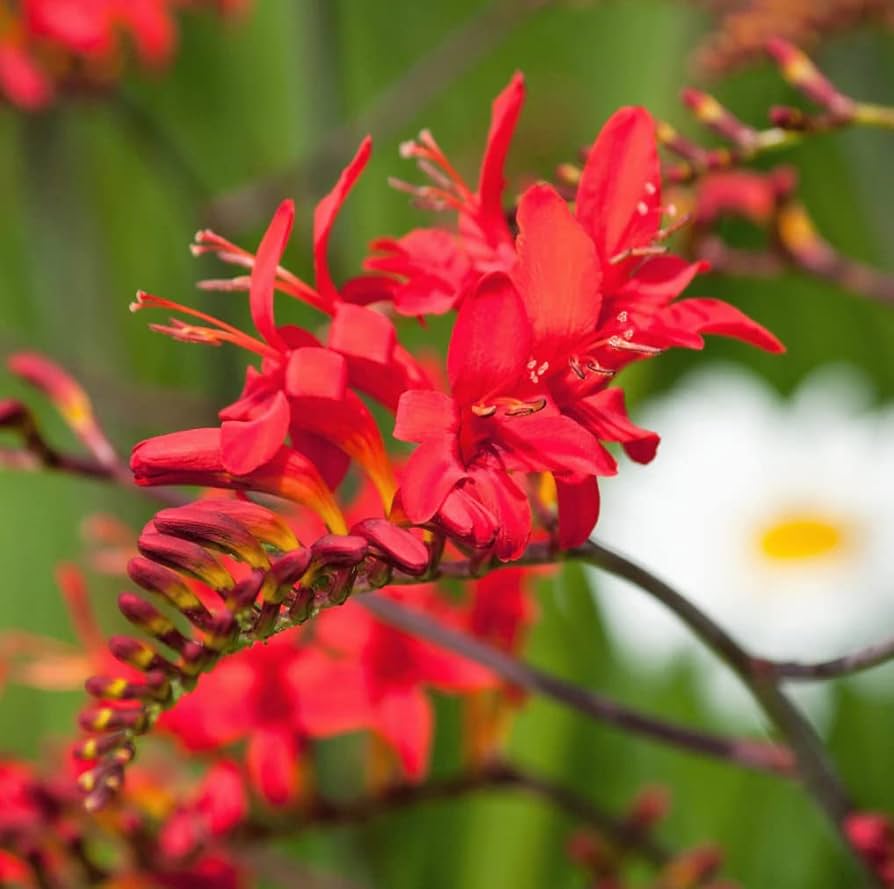
1. crocosmia dark fire sun-loving perennial
Crocosmia Dark Fire delivers fiery orange-red blooms that cut through summer heat with ease. These sword-like leaves add architectural structure to sunny borders, thriving in well-drained soil. Plant them in groups for a striking visual impact that attracts hummingbirds and adds vertical interest without demanding constant care or deadheading.

2. helleborus orientalis hybrid shade perennial
Helleborus Orientalis hybrids bloom during late winter, offering crucial color when gardens are otherwise dormant. Their leathery, evergreen foliage provides year-round structure in shady spots. These shade-tolerant perennials resist deer and require minimal intervention, making them ideal for low-maintenance woodland gardens or foundation plantings near north-facing walls.

3. echinacea purpurea coneflower sun perennial
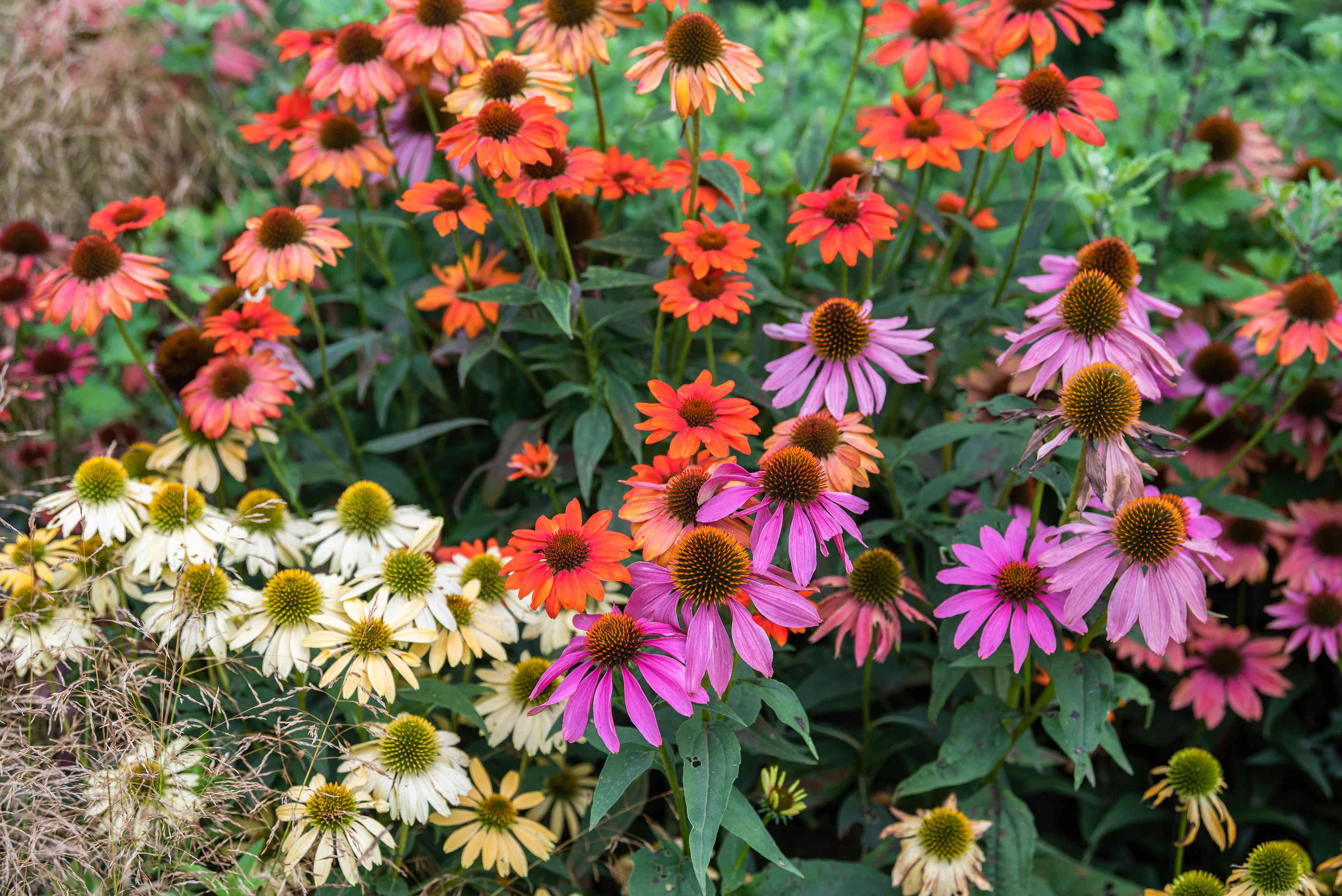
Echinacea purpurea Coneflower stands tall in full sun, offering daisy-like purple petals surrounding prominent orange centers. This native perennial attracts pollinators and thrives in dry, sandy soils once established. Its robust nature means it survives droughts and hot summers with little water, providing essential habitat for bees and butterflies.

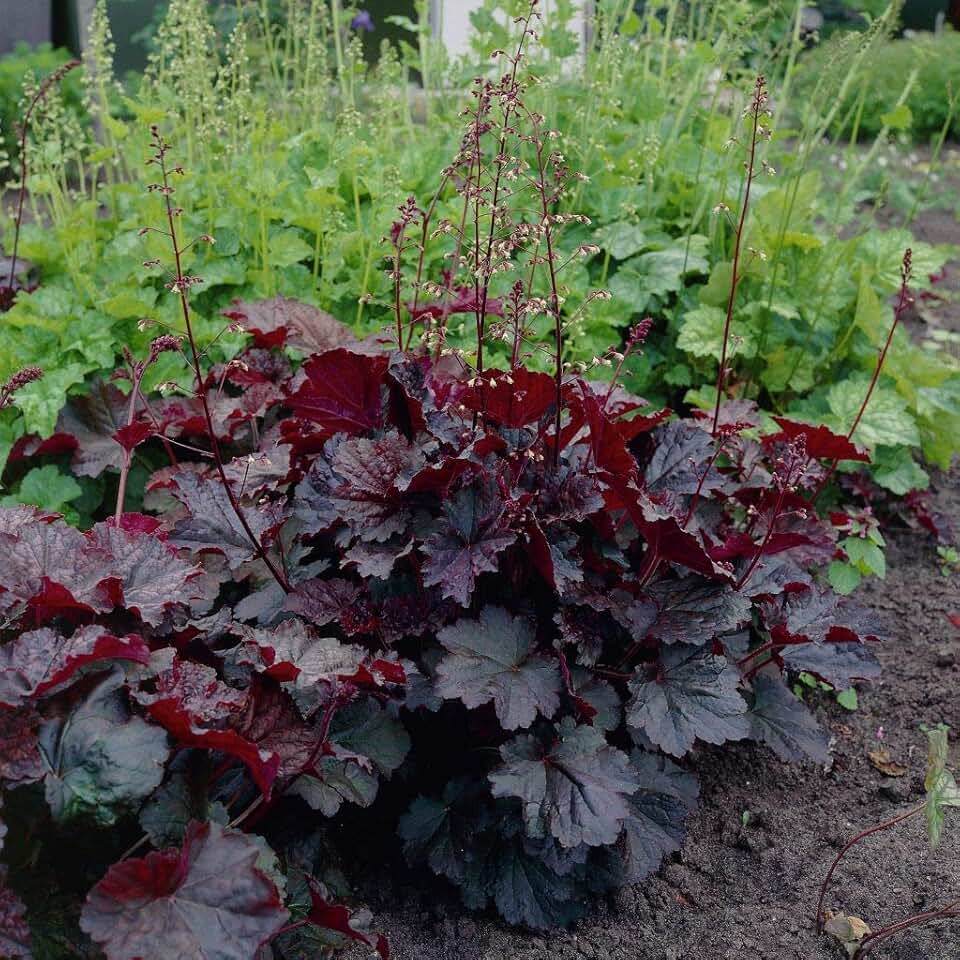
4. heuchera coral bells shade perennial
Heuchera Coral Bells provide vibrant foliage in shades ranging from deep purple to lime green, adding color to shady areas. Unlike many shade plants, Heuchera offers visual interest beyond its brief spring blooms. These compact perennials tolerate partial shade and well-drained soil, making them perfect for edging pathways or filling gaps under trees.
5. achillea millefolium yarrow sun perennial
Achillea millefolium Yarrow forms flat-topped flower clusters that attract beneficial insects like ladybugs and lacewings. Its fern-like foliage is aromatic and drought-tolerant, thriving in poor soil where other plants struggle. This hardy perennial requires no staking and blooms continuously from summer to fall, offering a low-effort solution for sunny borders.

6. astilbe false goat's beard shade perennial
Astilbe False Goat's Beard brings feathery, plume-like blooms in shades of pink, red, or white to damp, shady spots where few other plants thrive. Its fern-like foliage provides lush texture throughout the growing season, requiring minimal care once established. This shade-loving perennial is exceptionally drought-tolerant after its first year, making it a reliable, low-maintenance choice for woodland gardens.

7. sedum autumn joy sun perennial
Sedum Autumn Joy stands tall with sturdy stems supporting flat clusters of pink flowers that mature to a rusty bronze hue. This sun-loving perennial is incredibly tough, thriving in poor soil and resisting deer and rabbits. Its late-season blooms attract butterflies and bees, providing essential nectar when other flowers are fading, ensuring a vibrant garden display with virtually no upkeep required.

8. brunnera macrophylla sunflower sage shade perennial
Brunnera macrophylla, often confused with sage, features large, heart-shaped leaves speckled with silver, creating a striking ground cover in shady areas. In spring, it produces delicate sprays of tiny blue flowers resembling forget-me-nots. This shade perennial is exceptionally easy to grow, spreading gently to fill bare spots while requiring minimal watering or fertilizing once established in the landscape.

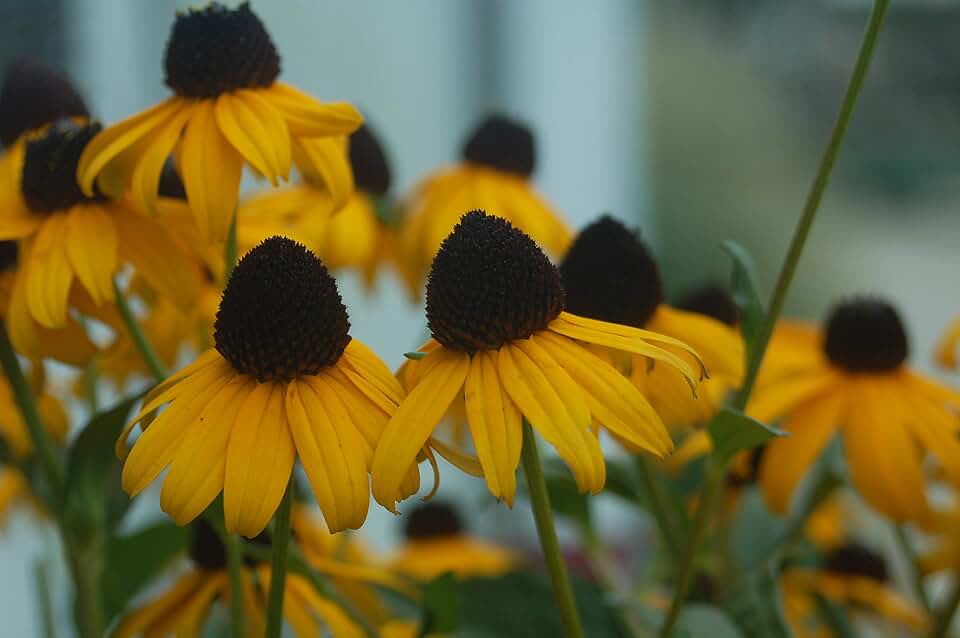
9. rudbeckia fulgida black-eyed daisy sun perennial
Rudbeckia fulgida, commonly known as Black-eyed Susan, offers bright yellow petals surrounding dark brown centers, adding a cheerful pop of color to sunny borders. This native perennial is robust and long-blooming, attracting pollinators throughout summer and fall. It handles heat and humidity well, requiring only basic deadheading to encourage continuous flowering and maintain a tidy appearance in the garden.
10. hosta sum and substance shade perennial
Hosta Sum and Substance is a giant hosta with massive, chartreuse-yellow leaves that remain vibrant even in partial sun. Its sheer size and durability make it an excellent focal point in shady gardens, where it forms a substantial mound with minimal effort. This climate-resilient perennial is notably slug-resistant compared to other varieties, offering lush foliage from spring until the first frost with almost no maintenance.

Match perennials to your garden's light and soil
Choosing the right spot is the difference between a garden that thrives with minimal effort and one that fights for survival. Light conditions dictate which perennials will bloom reliably, while soil type determines whether roots can establish without constant intervention. By aligning your plant choices with the specific microclimates in your yard, you ensure these low-maintenance picks remain climate resilient and visually striking throughout the season.
Sun-loving varieties need at least six hours of direct sunlight to produce their best blooms.
Shade-tolerant perennials bring life to north-facing borders or areas under tree canopies.
Soil preparation matters less than you might think for these hardy selections, but drainage is non-negotiable. Most perennials listed here, from
The table below compares these top picks by their ideal light exposure, water needs, and peak bloom time. Use this guide to map your garden's zones before buying.
| Perennial | Light Requirement | Water Needs | Bloom Time |
|---|---|---|---|
| Crocosmia Dark Fire | Full Sun | Low | Summer |
| Echinacea purpurea | Full Sun | Low | Summer-Fall |
| Heuchera Palace Purple | Partial to Full Shade | Moderate | Spring-Summer |
| Hosta | Partial to Full Shade | Moderate-High | Summer |
| Salvia nemorosa | Full Sun | Low | Early Summer |


As an Amazon Associate, we may earn from qualifying purchases.
How to plant and care for low-maintenance perennials
Getting your perennials established right from the start is the secret to a truly low-maintenance garden. When you choose climate-resilient varieties like Crocosmia Dark Fire or Agastache Blue Fortune, you are selecting plants bred to handle local weather swings with minimal fuss. However, even the hardiest perennials need a good foundation to thrive without constant intervention.
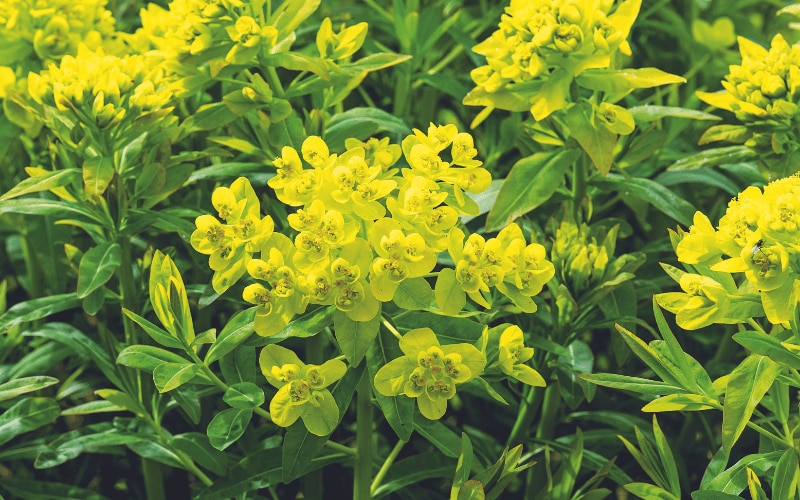
Most perennials hate sitting in soggy soil. Before planting, loosen the earth to a depth of 12 inches and mix in compost. This improves drainage and gives roots room to spread, which is essential for drought-tolerant varieties like Euphorbia palustris that prefer dry conditions once established.
Dig a hole twice as wide as the root ball but no deeper. The crown (where stems meet roots) should sit level with or slightly above the soil surface. Planting too deep is a common mistake that leads to rot, especially in heavy clay soils or for moisture-sensitive perennials.
After planting, water thoroughly to settle the soil around the roots. Apply a 2-inch layer of organic mulch, such as shredded bark, around the base. Mulch retains moisture, suppresses weeds, and regulates soil temperature, reducing the need for frequent watering as your Heliopsis or Yarrow establishes.
Once established, these perennials require very little attention. In the spring, remove any dead foliage from the previous year and apply a thin layer of compost. Avoid heavy fertilization; most low-maintenance perennials grow vigorously enough without extra nutrients, and too much fertilizer can actually reduce blooming. By following these simple steps, you set the stage for a garden that looks great with minimal effort.
No comments yet. Be the first to share your thoughts!