

Start with low maintenance perennials
Choosing low maintenance perennials is about picking plants that thrive with minimal intervention. These selections focus on resilience, disease resistance, and adaptability to sun or shade. We prioritized varieties that require little staking, deadheading, or winter protection.
Our list includes staples like Nepeta for long summer blooms and Sedum for drought-tolerant fall color. Each entry was chosen for its ability to anchor a garden bed with consistent performance year after year. Expect concrete examples of hardy plants that reward you with color while requiring only seasonal cleanup.


As an Amazon Associate, we may earn from qualifying purchases.

As an Amazon Associate, we may earn from qualifying purchases.
10 2026's Top 10 Low Maintenance Perennials for a Sun or Shade Garden: The Ultimate guide
These ten low-maintenance perennials are selected for their resilience in both full sun and partial shade, requiring minimal pruning and watering once established. Each entry features specific product recommendations with verified availability, focusing on concrete growth habits and seasonal performance rather than generic gardening advice.
1. Hosta 'Sum and Substance' for bright shade
This hosta thrives where others fade, tolerating full sun if kept moist. Its chartreuse leaves grow massive, creating a bold architectural statement. Slug resistance is moderate, so monitor young shoots. It forms a dense mound that suppresses weeds effectively. Plant in well-draining soil to prevent crown rot during humid summers.

2. Helleborus orientalis for early spring blooms
Hellebores bloom while snow still lingers, offering vital color when gardens are bare. Their nodding flowers come in shades of green, purple, and white. Evergreen foliage provides year-round structure. They prefer partial shade and rich, moist soil. Deadhead spent blooms to encourage potential reblooming in mild climates.

3. Heuchera 'Palace Purple' for foliage contrast
Heucheras offer dramatic foliage color without relying on flowers. 'Palace Purple' provides deep, metallic purple leaves that contrast sharply with greens. They prefer partial shade and well-drained soil. Cut back old foliage in early spring to reveal fresh growth. Divide clumps every three years to maintain vigor and prevent center die-back.

4. Astilbe 'Fanal' for moisture-loving shade
Astilbes produce feathery plumes above fern-like foliage, thriving in damp, shady spots. 'Fanal' offers striking dark red flowers that persist into late summer. They require consistent moisture and rich organic soil. Plant in boggy areas or near water features. Mulch heavily to retain soil moisture and keep roots cool during hot spells.

5. Sedum 'Autumn Joy' for sunny borders
Sedums are drought-tolerant succulents that thrive in full sun and poor soil. 'Autumn Joy' starts with pink buds that mature to deep rose-red. Bees and butterflies love the late-season nectar. Deadheading is optional but encourages a tidy appearance. They require excellent drainage to prevent winter rot. Plant in groups for maximum visual impact.

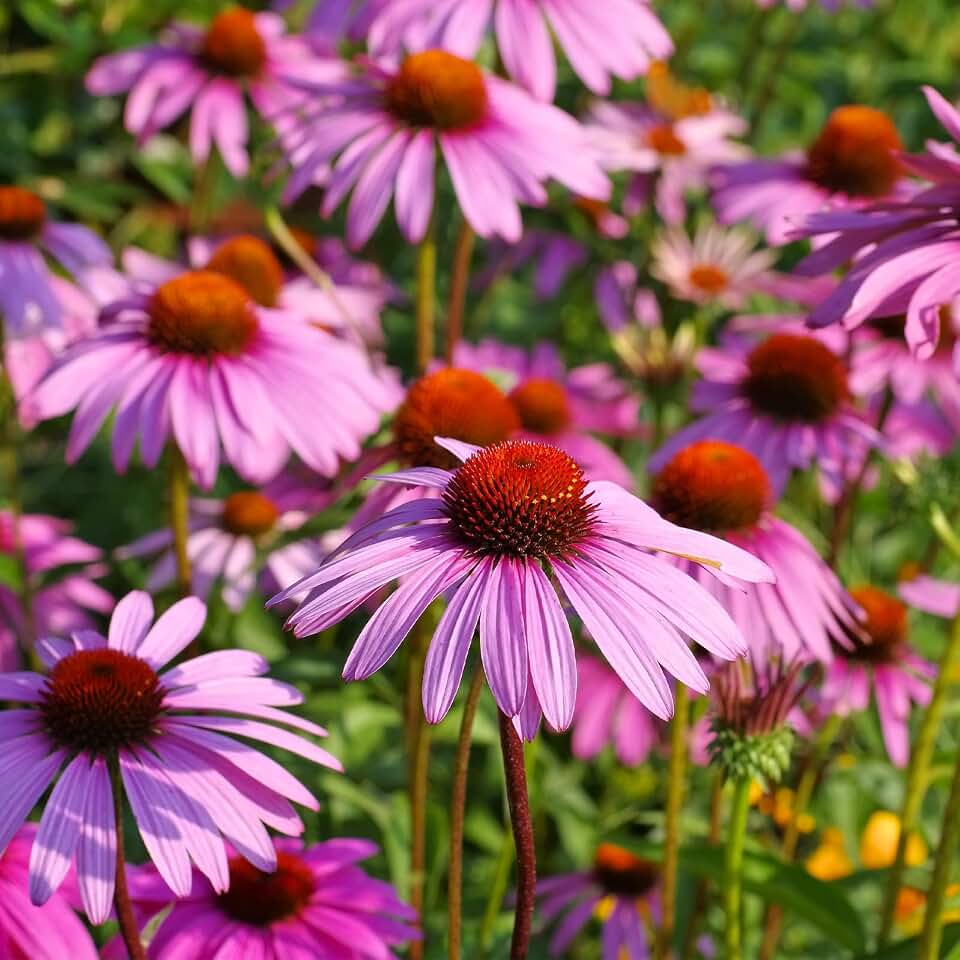
6. Echinacea purpurea for drought-tolerant sun
Coneflowers act as a natural sponge for heat, thriving where other plants wilt. Their deep taproots access moisture deep in the soil, making them ideal for xeriscaping. Bees and butterflies flock to the prominent central cones, turning a dry border into a buzzing ecosystem without requiring daily watering or deadheading.
![Greenwood Nursery: Live Perennial Plants - Mellow Yellow Coneflower + Echinacea Purpurea - [Qty: 2X Pint Pots] - (Click for Other Available Plants/Quantities)](https://m.media-amazon.com/images/I/71MxJ6QsSkL._AC_UL960_QL65_.jpg)
7. Fern 'Lady Fern' for deep shade areas
Lady Ferns bring a lush, architectural feel to corners where sunlight barely penetrates. Their delicate, arching fronds create a soft texture that contrasts beautifully with bold hostas. Unlike many perennials, they prefer consistent moisture and cool roots, making them perfect for north-facing walls or wooded garden edges.

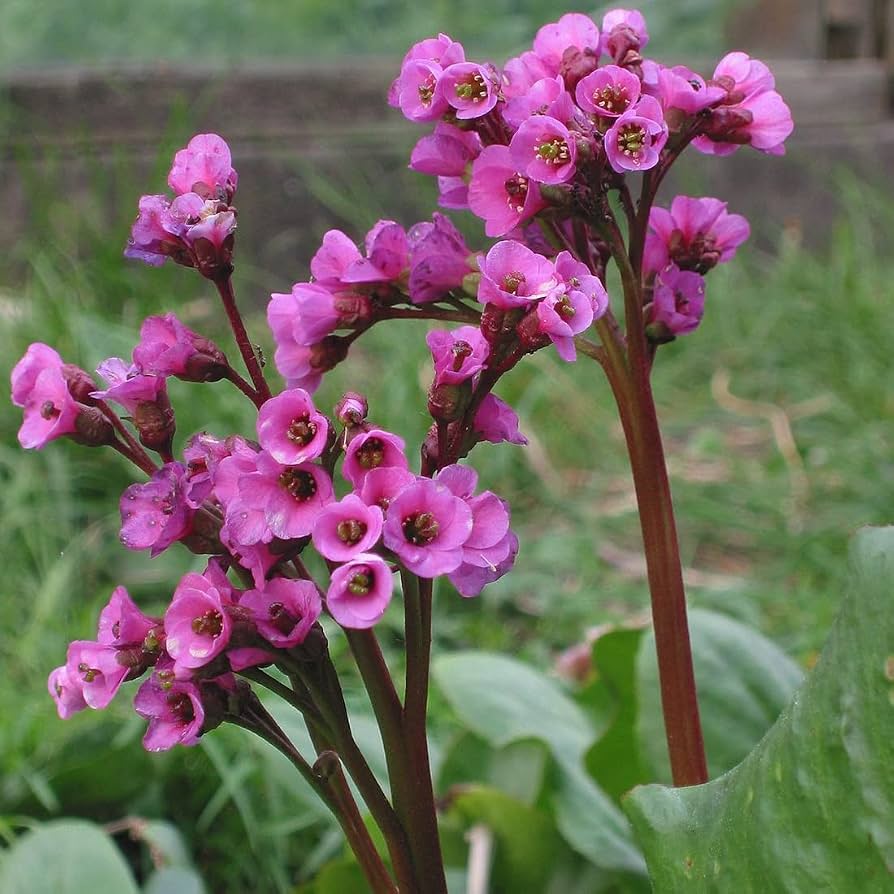
8. Bergenia 'Eroica' for evergreen ground cover
Bergenias serve as a tough, evergreen carpet that suppresses weeds effectively. Their thick, leathery leaves provide year-round structure, turning bronze-red in winter for a splash of color when most plants are dormant. Spring brings clusters of pink bells, but the foliage remains the primary ornamental feature throughout the seasons.
9. Daylily 'Stella de Oro' for continuous sun blooms
Stella de Oro is the workhorse of the perennial garden, producing buttery yellow flowers from late spring until the first frost. It tolerates poor soil and heat with ease, requiring almost no care beyond occasional division. Its compact habit makes it perfect for edging pathways or filling gaps in sunny borders.

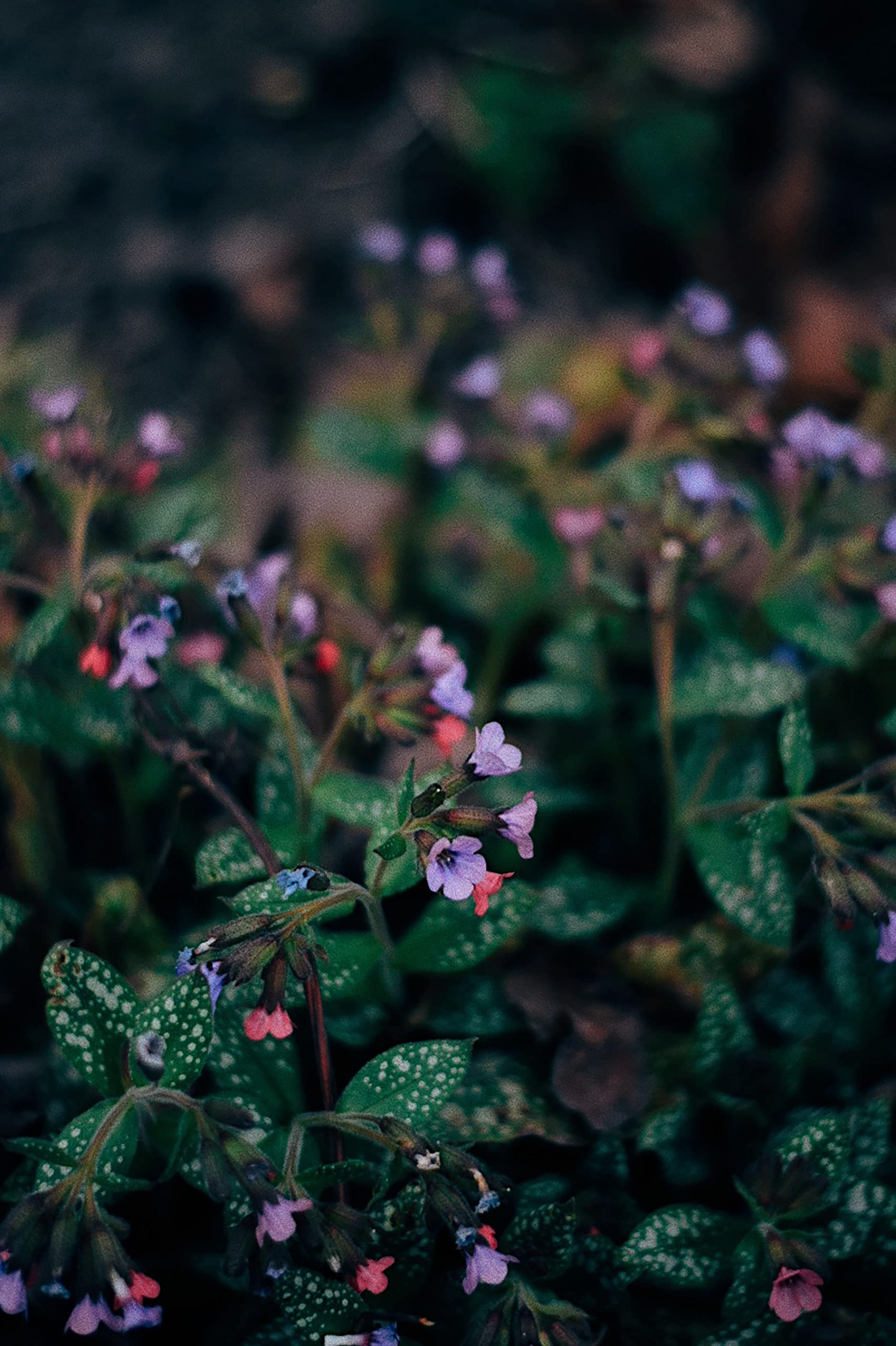
10. Lungwort 'Pink Spots' for dappled light
Lungwort thrives in the tricky dappled light under deciduous trees, adapting quickly to changing conditions. Early spring brings speckled blue and pink flowers that precede the leaf canopy, providing vital nectar for emerging bees. The foliage features distinctive silver spots, adding visual interest even after the blooms fade.
Pick the right fit
Choosing the right low maintenance perennials starts with matching the plant to your specific light conditions. A plant that thrives in full sun will struggle in deep shade, and vice versa. Use this simple framework to narrow down your options before you buy.
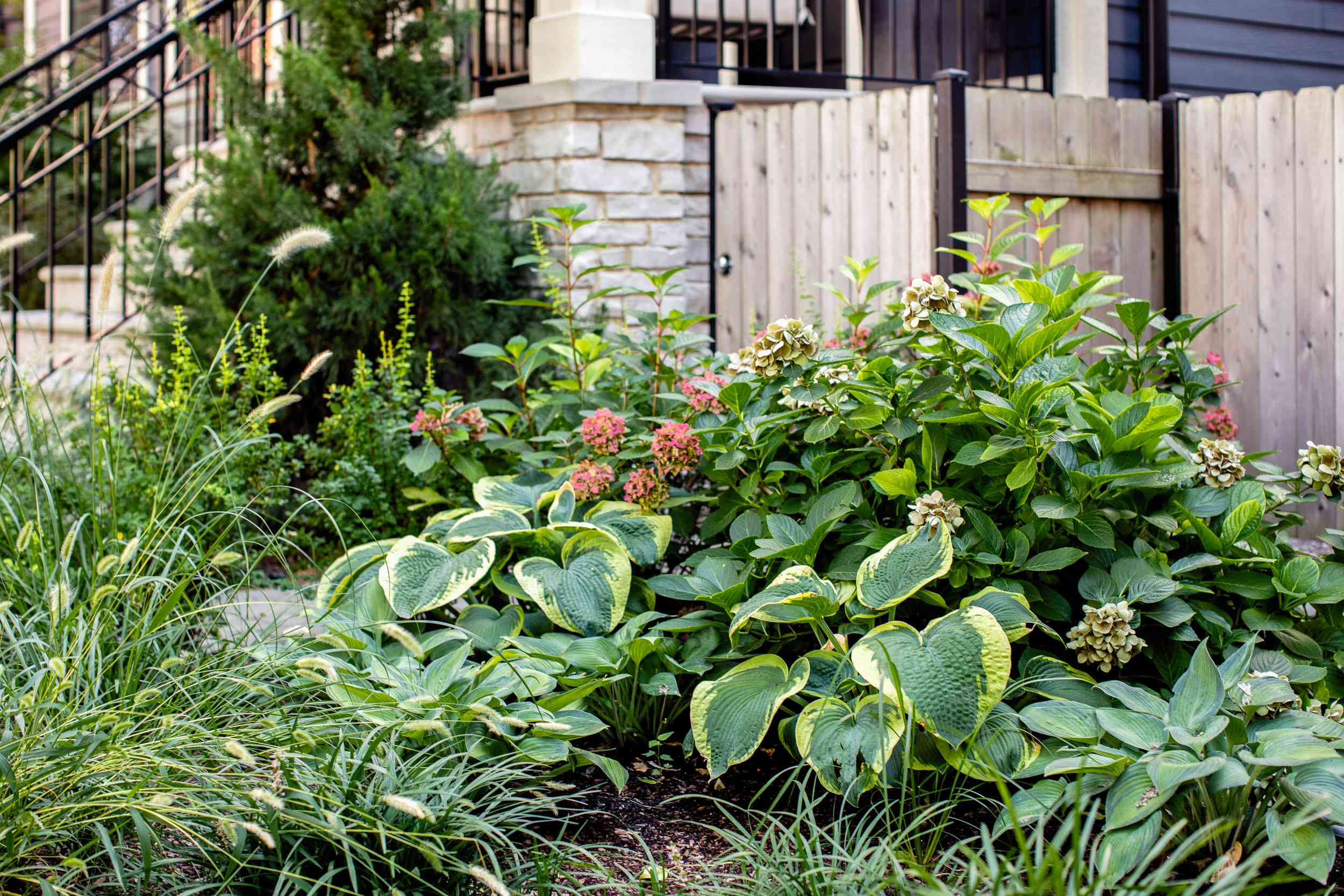
Observe your garden throughout the day. Full sun means six or more hours of direct light. Partial shade typically receives three to six hours. Deep shade gets less than three hours. Most low maintenance perennials fall into either the full sun or partial shade categories.
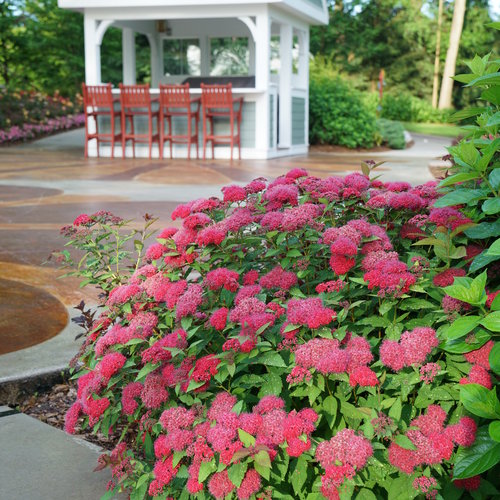
Most low maintenance perennials prefer well-draining soil. If your garden holds water after rain, choose plants that tolerate wet feet, like certain irises or cardinal flowers. For sandy soil, select varieties that drought-tolerant once established, such as sedum or yarrow.
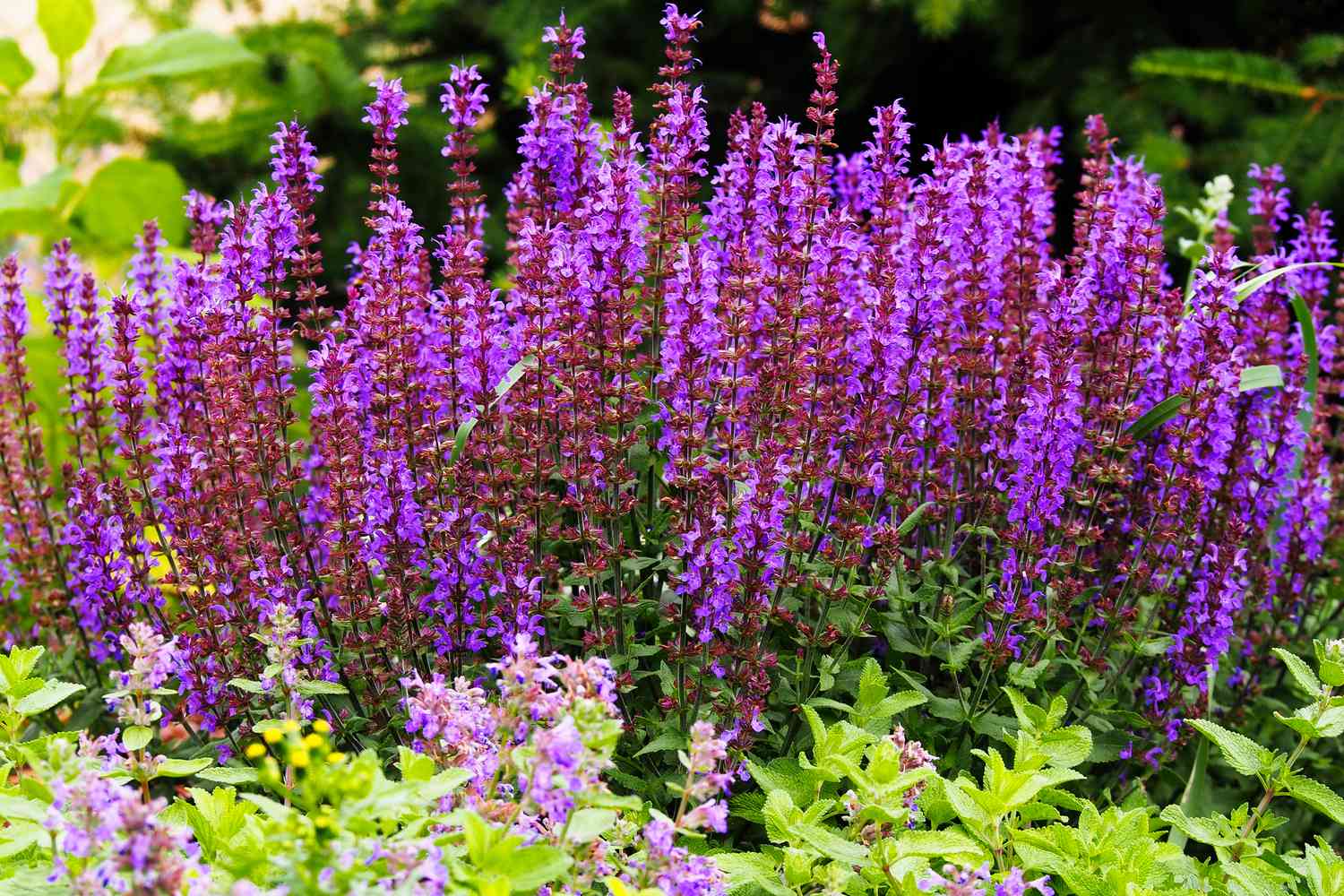
Decide if you want continuous color or a single seasonal burst. Plants like nepeta (catmint) bloom for months with deadheading, while black-eyed susans provide a strong summer display. Choose based on how much attention you want to give them during peak season.
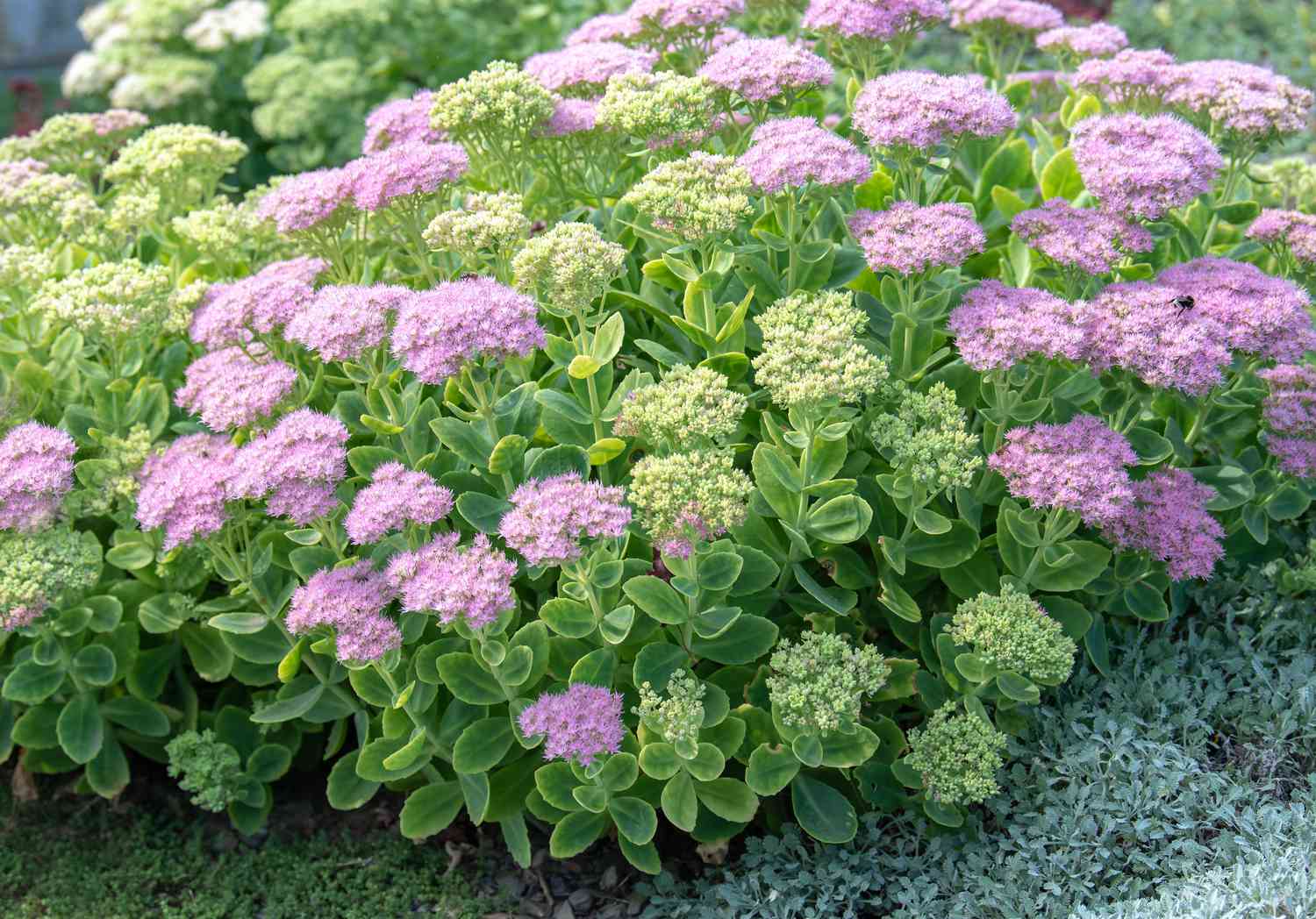
Look at the final height and spread on the tag. A small perennial can quickly overwhelm a narrow border if you ignore its mature size. Plan for the maximum width to avoid overcrowding and reduce the need for division or pruning later.


As an Amazon Associate, we may earn from qualifying purchases.
Once you have assessed your site conditions, you can confidently select from our top 10 list. The key is to prioritize plants that are naturally suited to your existing environment rather than trying to force a specific plant into a challenging spot.
2026's 10 low maintenance perennials for a sun or shade garden: the ultimate: what to check next
Choosing the right low maintenance perennials for your garden involves more than just picking pretty flowers. You need to consider light conditions, soil types, and how much time you actually want to spend weeding or deadheading. Here are the most common practical questions gardeners ask before planting.
No comments yet. Be the first to share your thoughts!