

Choose perennials for lasting color
Perennial plants are the backbone of a low-maintenance garden because they establish once and return year after year. Unlike annuals, which require replanting every spring, perennials live for three years or more, often thriving for decades with minimal intervention. This longevity transforms gardening from a chore into a predictable rhythm, allowing you to focus on enjoyment rather than constant replacement.
The value of a perennial lies in its reliability. A well-chosen plant like Black-eyed Susan or Coneflower will bloom reliably in summer, die back in winter, and return in spring without your help. To ensure this ease, prioritize species with proven disease resistance and drought tolerance. These traits mean fewer fungicide sprays and less watering during dry spells, keeping your maintenance load light.
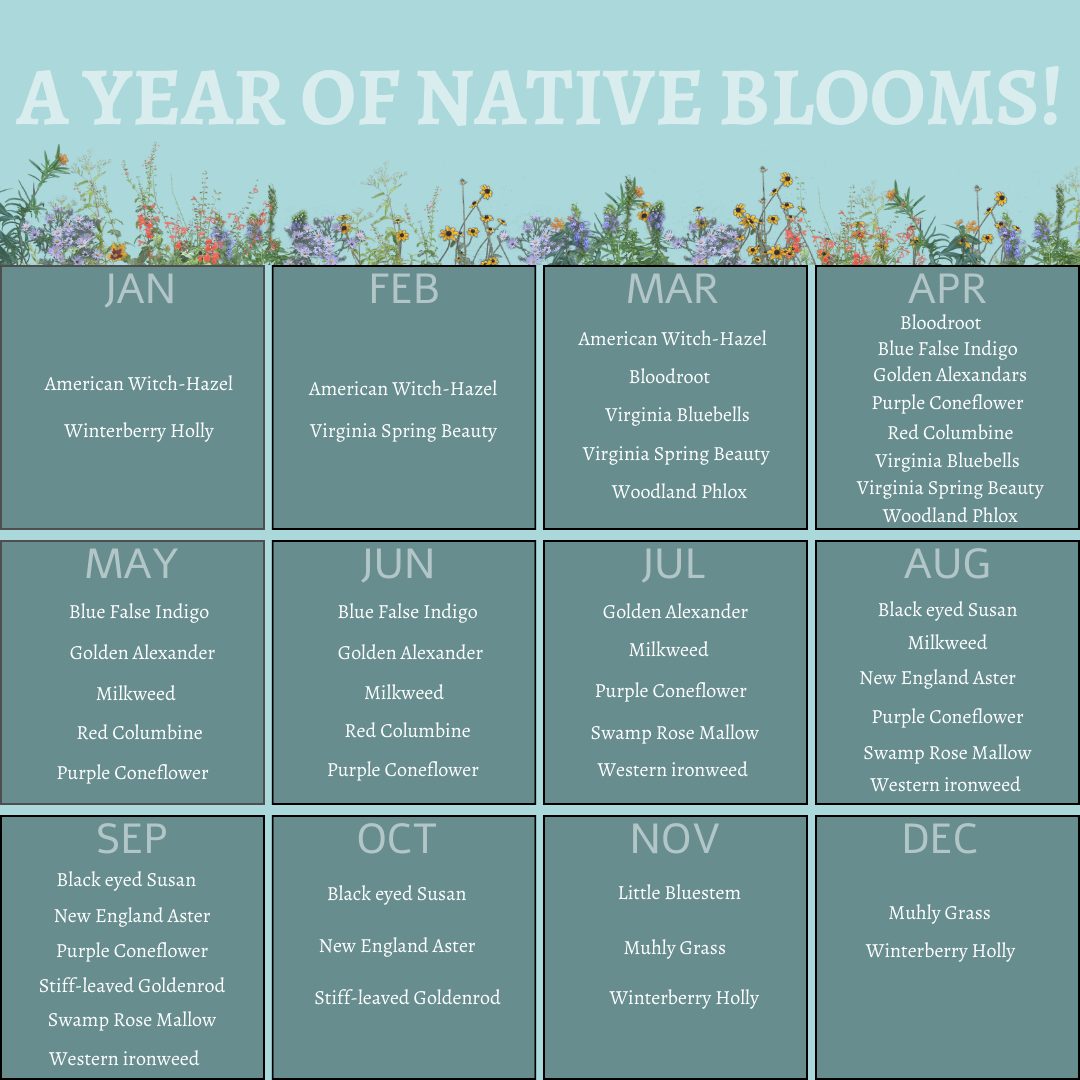
When selecting plants, match them to your specific site conditions. Sun-loving varieties like Russian Sage thrive in full sun, while Hardy Geraniums handle partial shade with ease. Checking a bloom calendar helps you plan for continuous color throughout the season, ensuring your garden remains vibrant from early spring through late fall.


As an Amazon Associate, we may earn from qualifying purchases.
Best sun-loving perennials for borders
Full-sun borders demand plants that can handle intense heat and bright light without constant attention. The right perennials act as a low-maintenance foundation, returning year after year to fill the space with color and texture. These selections thrive in direct sunlight, requiring minimal watering once established and little intervention beyond a quick trim in early spring.
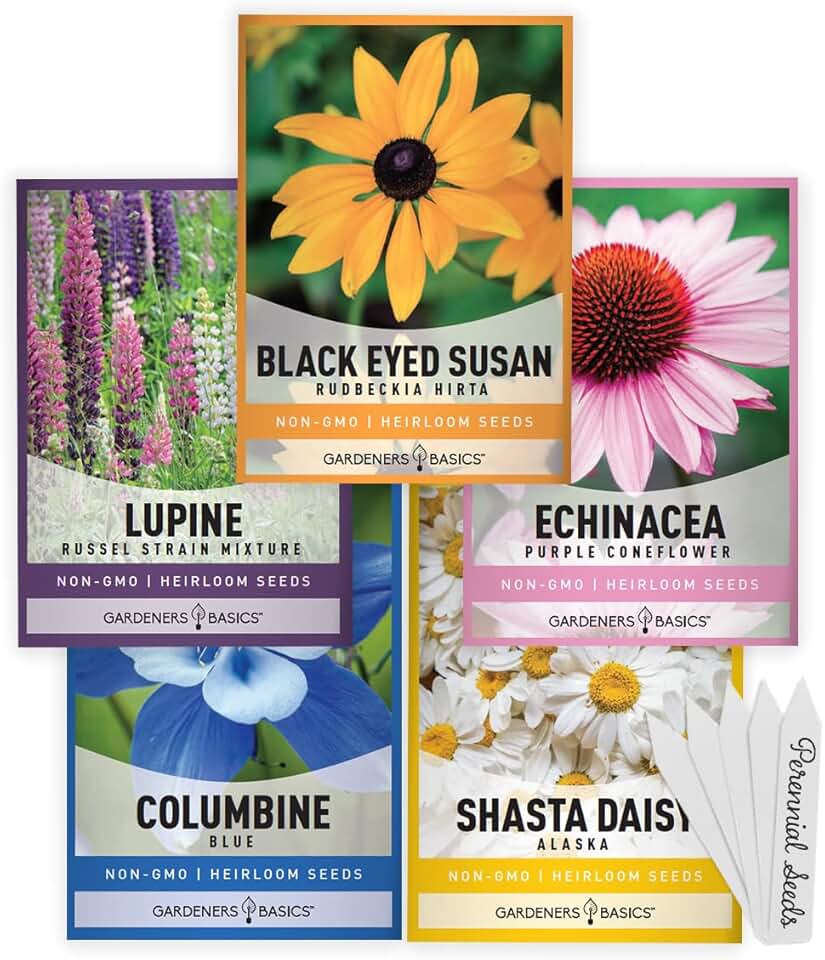
Black-eyed Susans (Rudbeckia) are a staple for a reason. Their bright yellow petals with dark brown centers bloom from mid-summer through fall, attracting pollinators while standing tall against the sun. They are tough, drought-tolerant, and self-seed gently, ensuring you have a fresh crop of blooms every season without planting anything new.
Coneflowers (Echinacea) offer a similar ease of care with a slightly more architectural look. Their drooping pink, purple, or white petals surround a prominent central cone, providing a striking visual anchor in any border. They bloom from early summer to early fall and are highly resistant to deer and rabbits, making them a safe bet for open, sunny areas.
Russian Sage (Perovskia atriplicifolia) brings a different texture to the border with its airy, lavender-blue flower spikes and silvery foliage. It thrives in hot, dry conditions where other plants might struggle, blooming from mid-summer into fall. Its drought tolerance and lack of need for staking make it an ideal choice for low-maintenance gardens.
To help you get started with these reliable performers, here are some live plants and seeds available for purchase.


As an Amazon Associate, we may earn from qualifying purchases.
Shade-tolerant perennials for ground cover
Low-light gardens often suffer from sparse, patchy soil that looks unfinished. You don't need full sun to keep a garden tidy; certain perennials spread steadily to fill gaps without becoming aggressive weeds or leggy stragglers. These plants act as a living mulch, suppressing weeds and retaining moisture while keeping the soil covered.
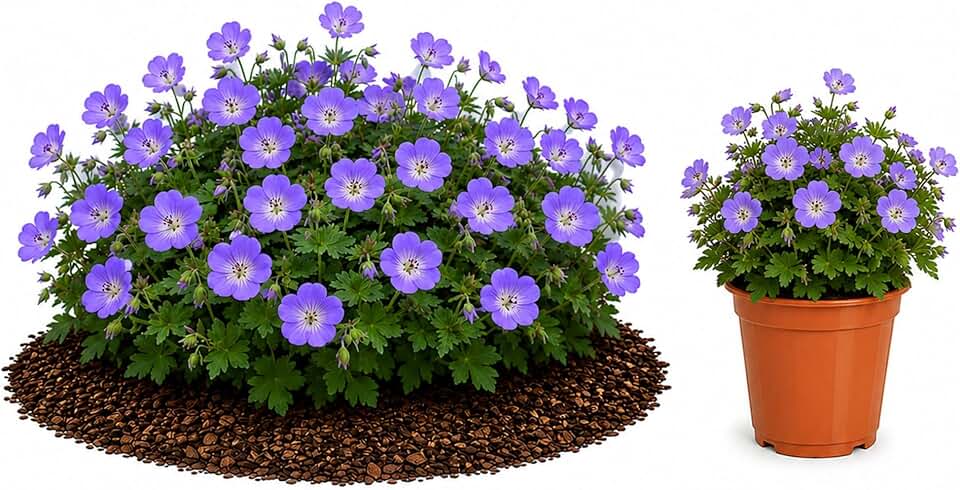
Coral Bells (Heuchera) are a primary choice for this role. Their mounded foliage comes in deep purples, lime greens, and speckled patterns that hold their shape even when dry. They stay compact, rarely exceeding 18 inches, which makes them ideal for the edges of beds or under trees. Pair them with Hardy Geraniums, which form dense, low mats of leaves that root at the nodes, effectively choking out unwanted growth.
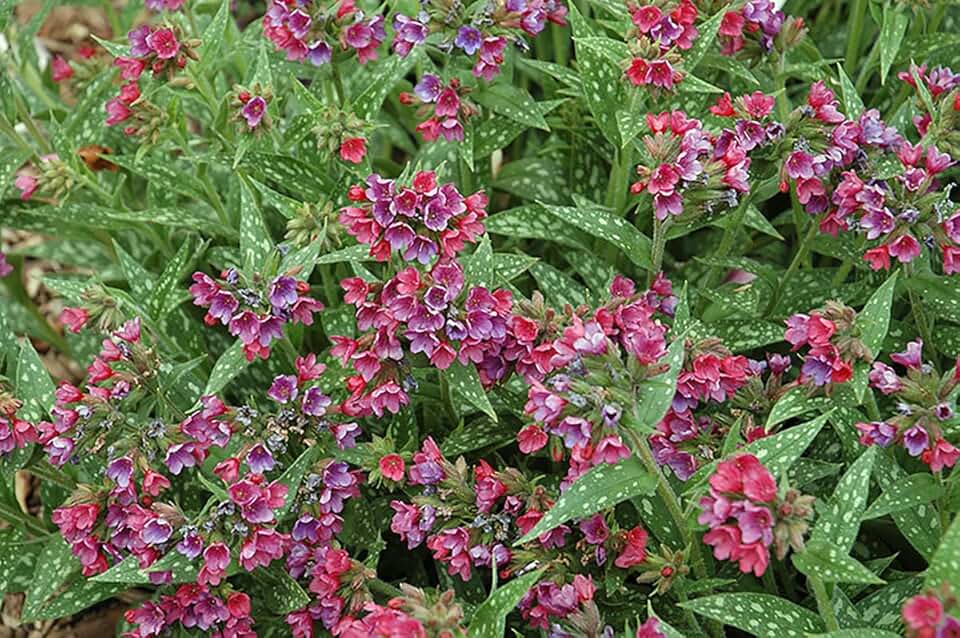
For a touch of bloom, consider Lungwort (Pulmonaria). Its spotted leaves add visual interest year-round, and it produces early spring flowers that attract pollinators before the canopy fully leafs out. It thrives in deep shade where other ground covers might fail, making it a reliable workhorse for the shadiest corners of your yard.
If you are looking to start planting these shade-tolerant varieties, here are some popular options available online.

As an Amazon Associate, we may earn from qualifying purchases.
Compare top perennial plants by need
Choosing the right perennial means matching the plant to your garden's specific conditions. Rather than guessing, use this side-by-side comparison to see how popular low-maintenance options stack up against each other. This quick reference helps you identify which plants fit your sun exposure, desired height, and care tolerance.
| Plant | Sun | Height | Bloom Time | Maintenance |
|---|---|---|---|---|
| Black-eyed Susan | Full Sun | 2-4 ft | Summer-Fall | Low |
| Coneflower | Full Sun | 2-4 ft | Summer | Low |
| Catmint | Full Sun | 1-3 ft | Late Spring-Summer | Low |
| Russian Sage | Full Sun | 3-5 ft | Summer | Low |
| Hardy Geranium | Part Shade | 1-2 ft | Spring-Summer | Low |
| Shasta Daisy | Full Sun | 2-3 ft | Summer | Medium |
These plants are selected for their reliability and ease of care. Black-eyed Susans and Coneflowers are staples for their long bloom periods, while Catmint offers a softer texture with minimal pruning. Russian Sage provides height and drought tolerance, making it ideal for drier spots. Hardy Geraniums are excellent for partial shade areas where other sun-lovers might struggle. Shasta Daisies add classic charm but may need occasional staking in windy locations.


![Greenwood Nursery: Live Perennial Plants - 'Walkers Low' Catmint + Nepeta × Faassenii - [Qty: 2X Pint Pots] - (Click for Other Available Plants/Quantities)](https://m.media-amazon.com/images/I/91Tyf3+wPaL._AC_UL960_QL65_.jpg)
As an Amazon Associate, we may earn from qualifying purchases.
When planning your garden, consider grouping plants with similar water and sun needs. This comparison highlights that most top recommendations thrive in full sun, but Hardy Geraniums offer a practical alternative for shadier corners. By selecting from these proven performers, you can build a garden that requires less weeding, watering, and replanting year after year.
Simple care steps for long-lasting blooms
Low maintenance does not mean no care. Perennials like Black-eyed Susan, Coneflower, and Russian sage are tough, but they still need a few basic habits to stay healthy and bloom reliably for years. Think of these steps as the minimum viable effort to keep your garden looking tidy without turning it into a second job.
Remove faded flowers as they finish blooming. This simple act tricks plants like Phlox and Shasta daisy into producing a second wave of blooms instead of wasting energy on seed production. For plants like Catmint, a hard cutback after the first flush keeps them compact and encourages fresh growth.
Every few years, plants like Hardy geranium and Red hot poker outgrow their space. Dig up the clump in early spring or fall, split it into smaller sections with a sharp spade, and replant them. This refreshes the root system and prevents the center of the plant from dying out.
Spread two inches of organic mulch around the base of your plants. This retains soil moisture, suppresses weeds, and regulates temperature. Avoid piling mulch against the stems of plants like Russian sage, which prefer well-drained conditions and can rot if kept too wet at the crown.
Leave standing seed heads for winter interest and bird food, then cut them back to a few inches above the ground in early spring. This keeps the garden looking neat and allows new growth to emerge without competition from old, decaying foliage. Remove only completely dead material to avoid damaging new shoots.


As an Amazon Associate, we may earn from qualifying purchases.
Which perennial plants come back every year?
The defining trait of a perennial is its ability to return from the same root system year after year, eliminating the need to replant each spring. Unlike annuals that complete their life cycle in one season, these plants establish themselves deeper in the soil, becoming more reliable and vigorous over time.
For a low-maintenance garden, reliability is the primary metric. The most dependable perennials are those that require minimal intervention to thrive. Black-eyed Susan, Catmint, and Coneflower are staples for their drought tolerance and resistance to pests. Hardy Geranium, Phlox, and Shasta Daisy offer consistent ground cover or blooms with little care. Red Hot Poker and Russian Sage provide architectural structure and long blooming periods without demanding frequent watering or fertilizing.
No comments yet. Be the first to share your thoughts!