

Why dry shade is tough
Dry shade is one of the most unforgiving microclimates in the garden. It occurs where trees or structures block sunlight while simultaneously intercepting rainfall, leaving the soil beneath parched and competitive. Most gardeners assume shade equals moisture, but tree roots act like sponges, absorbing water before it ever reaches the surface soil where your plants need it.
This combination of low light and low water eliminates many common perennials. Plants that thrive in damp shade, such as hostas or ferns, often struggle or die when the soil dries out completely. To succeed in these spots, you must select shade perennials for dry corners that have evolved to withstand drought, such as those found in woodland edges or rocky slopes.
Understanding this specific challenge helps you avoid wasting time and money on plants that will never establish. Instead of fighting the tree roots, you can choose drought-tolerant selections that coexist with them. This approach transforms a barren, difficult patch into a resilient, low-maintenance garden area.
10 Best Shade Perennials for Dry, Cool Corners
Finding the right shade perennials for dry, cool corners requires balancing drought tolerance with low-light resilience. These ten specific plants thrive in challenging environments where most greenery fails, offering reliable structure and color without demanding constant water.
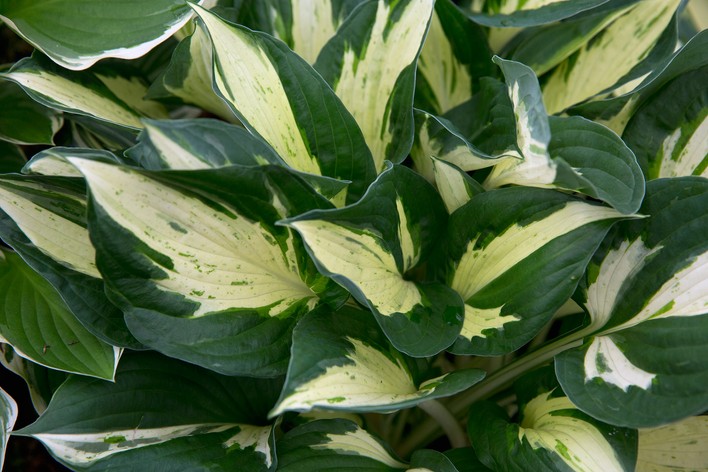
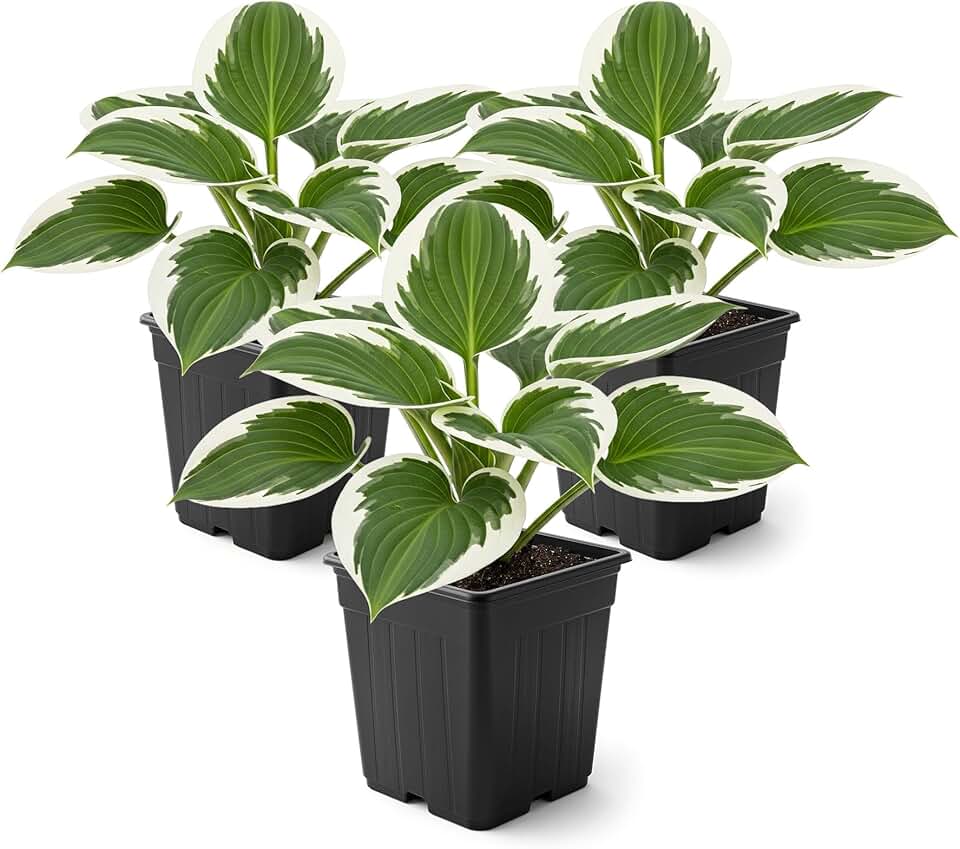
1. Hosta 'Patriot' for bold white variegation
Hosta 'Patriot' delivers striking contrast with broad green leaves edged in creamy white margins. This shade perennial thrives in dry, cool corners where its foliage remains crisp and vibrant. The bold variegation catches dappled light, creating a visual anchor in low-light garden beds without requiring constant moisture.
2. Fern 'Autumn Fern' for copper new growth
Autumn Fern introduces dynamic color change, emerging with bright copper fronds that mature to rich green. This deciduous fern tolerates dry shade exceptionally well, making it ideal for challenging woodland edges. Its upright habit adds vertical interest without spreading aggressively, providing texture in cool, shaded zones.

3. Brunnera 'Jack Frost' for silver heart leaves
Brunnera 'Jack Frost' features delicate, heart-shaped leaves with a silvery overlay that glows in shadow. This low-maintenance perennial produces tiny blue flowers in spring, adding a soft color pop. Its adaptability to dry, cool conditions makes it a reliable ground cover that requires minimal intervention.

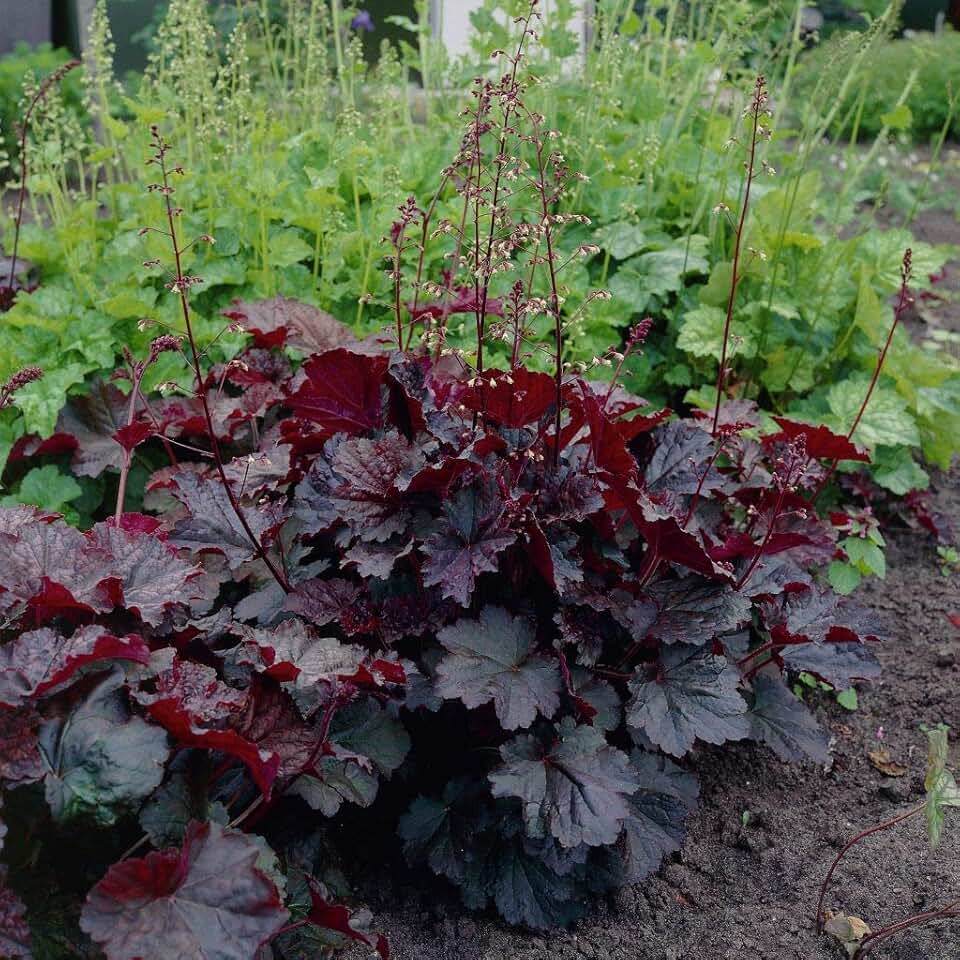
4. Heuchera 'Palace Purple' for deep foliage color
Heuchera 'Palace Purple' offers intense, almost black-purple foliage that remains vibrant throughout the growing season. This coral bells variety provides year-round structure in cool, shaded areas. Its compact size and deep color contrast beautifully with lighter shade plants, adding depth to understory plantings.
5. Hellebore 'Winter Rose' for early bloom
Hellebore 'Winter Rose' brings essential early-season color with nodding, rose-pink blooms in late winter. This shade perennial thrives in dry, cool spots where few other plants flower. Its leathery evergreen leaves provide background texture, ensuring garden interest persists through the dormant months.

6. Astilbe 'Fanal' for dark red plumes
Astilbe 'Fanal' delivers striking dark red plumes that stand out against green foliage. While it prefers moist soil, selecting this variety ensures vibrant color in partial shade. It thrives in cool conditions, providing vertical interest where other plants might struggle to bloom effectively.

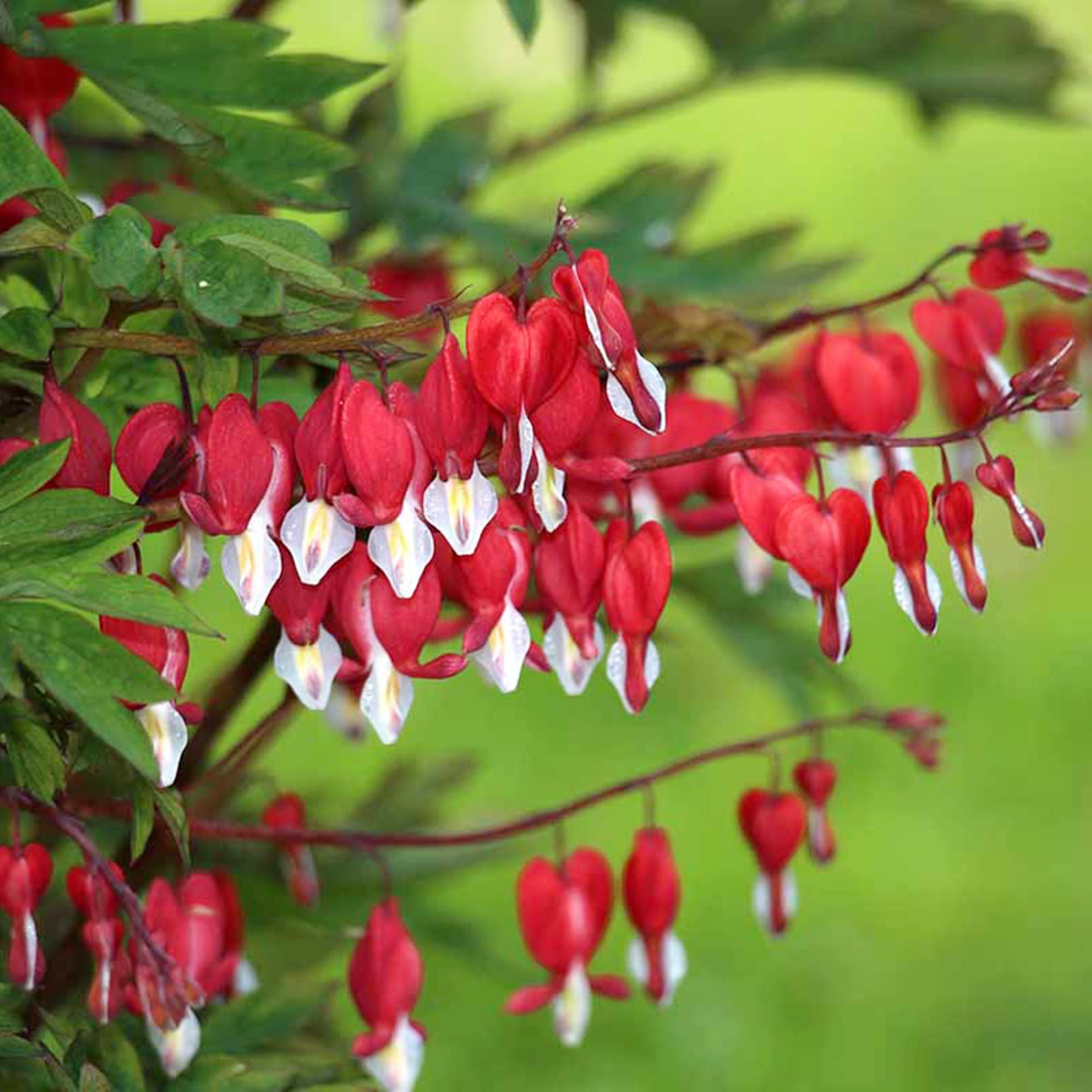
7. Bleeding Heart 'Luxurians' for pink arching blooms
Bleeding Heart 'Luxurians' features unique double pink flowers that hang from arching stems. This variety offers a classic cottage garden charm while tolerating cooler, shadier spots. Its distinct bloom shape adds elegance to dry, cool corners without demanding excessive water once established.
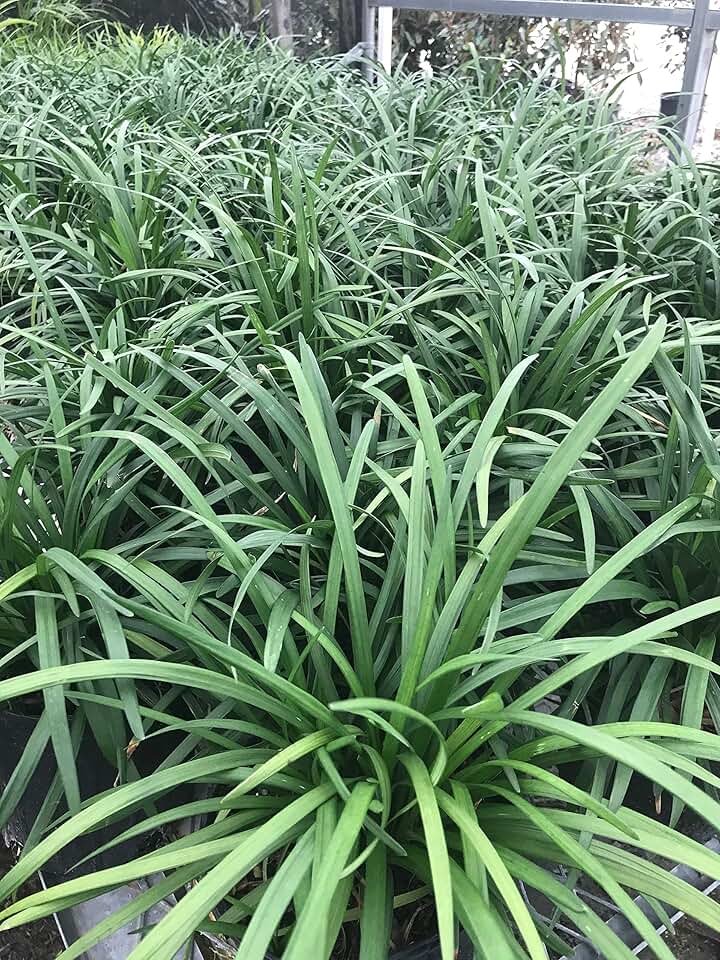
8. Liriope 'Big Blue' for blue flower spikes
Liriope 'Big Blue' provides evergreen foliage topped with tall, vivid blue flower spikes. This tough groundcover handles dry shade exceptionally well, forming dense clumps that suppress weeds. Its structural form adds texture and unexpected color to cool, shaded areas throughout the growing season.
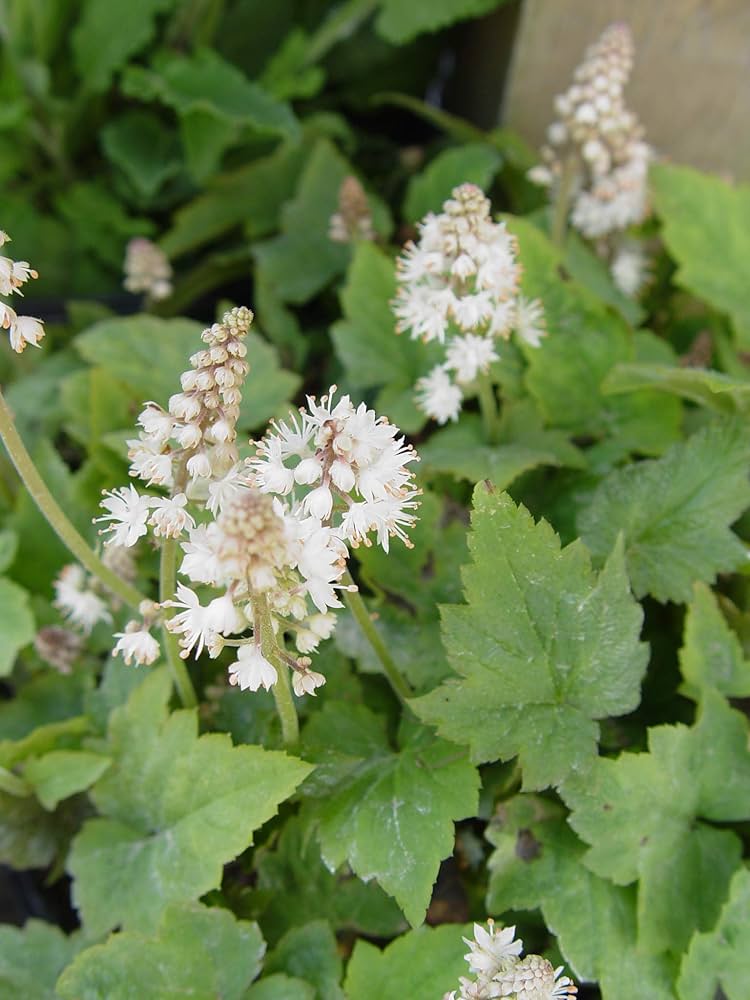
9. Foamflower 'Snow Queen' for white variegated leaves
Foamflower 'Snow Queen' showcases delicate white and green variegated leaves that brighten dark corners. Tiny white flowers appear above the foliage in spring, adding subtle detail. This low-maintenance perennial thrives in dry shade, offering consistent visual interest without requiring frequent maintenance or watering.
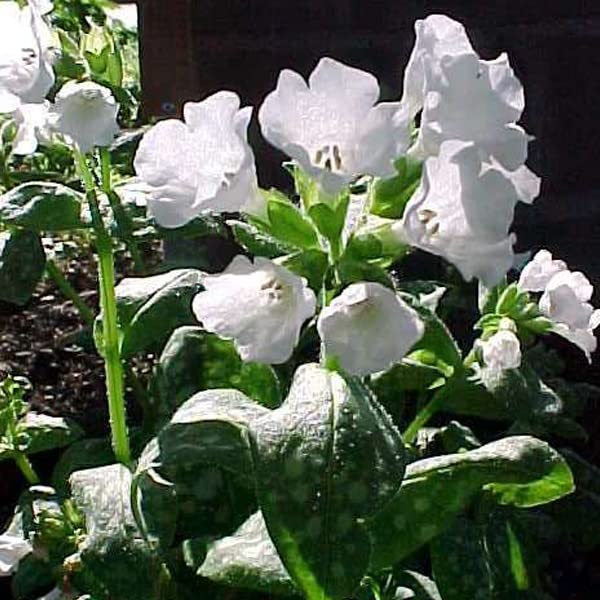
10. Lungwort 'Sissinghurst White' for spotted spring leaves
Lungwort 'Sissinghurst White' features attractive silver-spotted leaves that persist through the season. Early spring brings clusters of white flowers that fade to pink, extending the bloom period. This hardy perennial adapts well to dry, cool shade, providing ground cover and early color for woodland gardens.
Care tips for dry shade
Dry shade is one of the toughest gardening conditions because roots compete for every drop of moisture while the lack of sun slows evaporation and nutrient uptake. Success with shade perennials in these spots relies on two things: consistent moisture management and protecting the soil surface. Unlike sunny beds where water evaporates quickly, dry shade areas need a different approach to keep plants healthy without encouraging root rot or fungal issues.
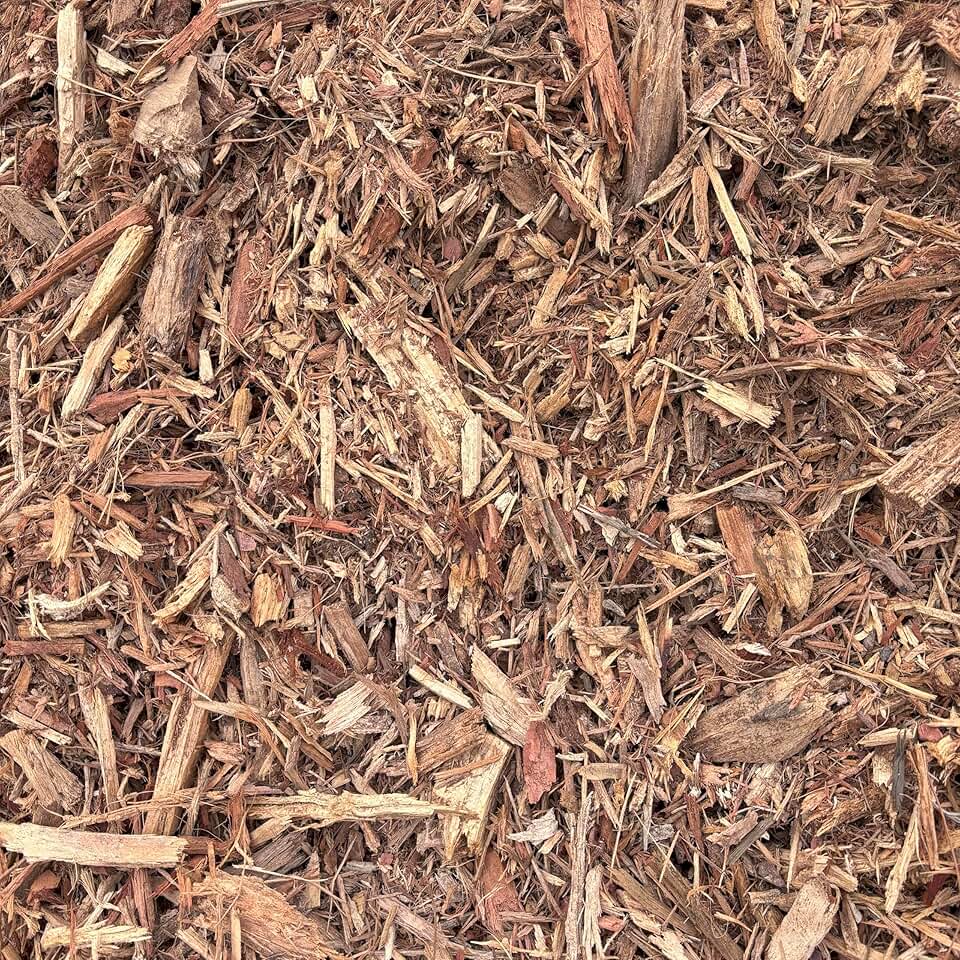
Mulch is your best defense against dry shade. A 2-3 inch layer of organic mulch, such as shredded hardwood or pine bark, keeps soil temperatures stable and reduces evaporation. Reapply mulch annually to maintain depth. Avoid piling mulch against plant crowns, which can trap moisture and cause rot in low-light environments where air circulation is already limited.
Watering strategy matters more than frequency. Instead of frequent shallow sprinklings, water deeply once a week during dry spells. This encourages roots to grow deeper into the soil, where moisture lingers longer. Use a soaker hose or drip irrigation to deliver water directly to the root zone, minimizing waste and keeping foliage dry to prevent disease.
Divide clump-forming perennials every three to four years in early spring or fall. Overcrowded plants compete for resources, leading to weaker growth and fewer blooms. When dividing, remove old, woody centers and replant healthy divisions with fresh compost mixed into the soil to boost nutrient availability.


As an Amazon Associate, we may earn from qualifying purchases.
Frequently asked: what to check next
What are the best shade perennials for dry, cool corners?
Dry shade is one of the toughest gardening challenges because tree roots compete for moisture and sunlight is limited. The most reliable shade perennials for these conditions include Heuchera (coral bells), Brunnera (Siberian bugloss), and Hellebores (Lenten roses). These plants have adapted to woodland floors where the soil stays cool but moisture is scarce. Hostas can work but often struggle without consistent watering, whereas Heuchera and Brunnera thrive with minimal intervention once established.
Do shade perennials need more water than sun-loving plants?
No, dry shade perennials actually require less water than plants in full sun. In a cool, shaded corner, evaporation rates are significantly lower. Overwatering is a common mistake that leads to root rot in plants like Heuchera and Hellebores. Water deeply but infrequently, allowing the top inch of soil to dry out between sessions. Mulch helps retain that precious moisture and keeps the roots cool during summer heat spikes.
Can I grow shade perennials in pots or containers?
Container gardening is an excellent way to manage dry shade conditions. Pots allow you to control the soil mix, ensuring it drains well while holding enough moisture for roots. Use a high-quality potting mix with added perlite or pumice. Heuchera and Ferns are particularly well-suited for containers because their root systems are manageable and they respond well to regular feeding during the growing season.
When is the best time to plant shade perennials?
Spring and early fall are the ideal planting windows for dry shade perennials. Planting in spring gives the roots a full growing season to establish before winter dormancy. Fall planting allows the roots to settle in during cooler weather, reducing transplant shock. Avoid planting in the height of summer, as the stress of heat combined with low light can hinder establishment.
No comments yet. Be the first to share your thoughts!