
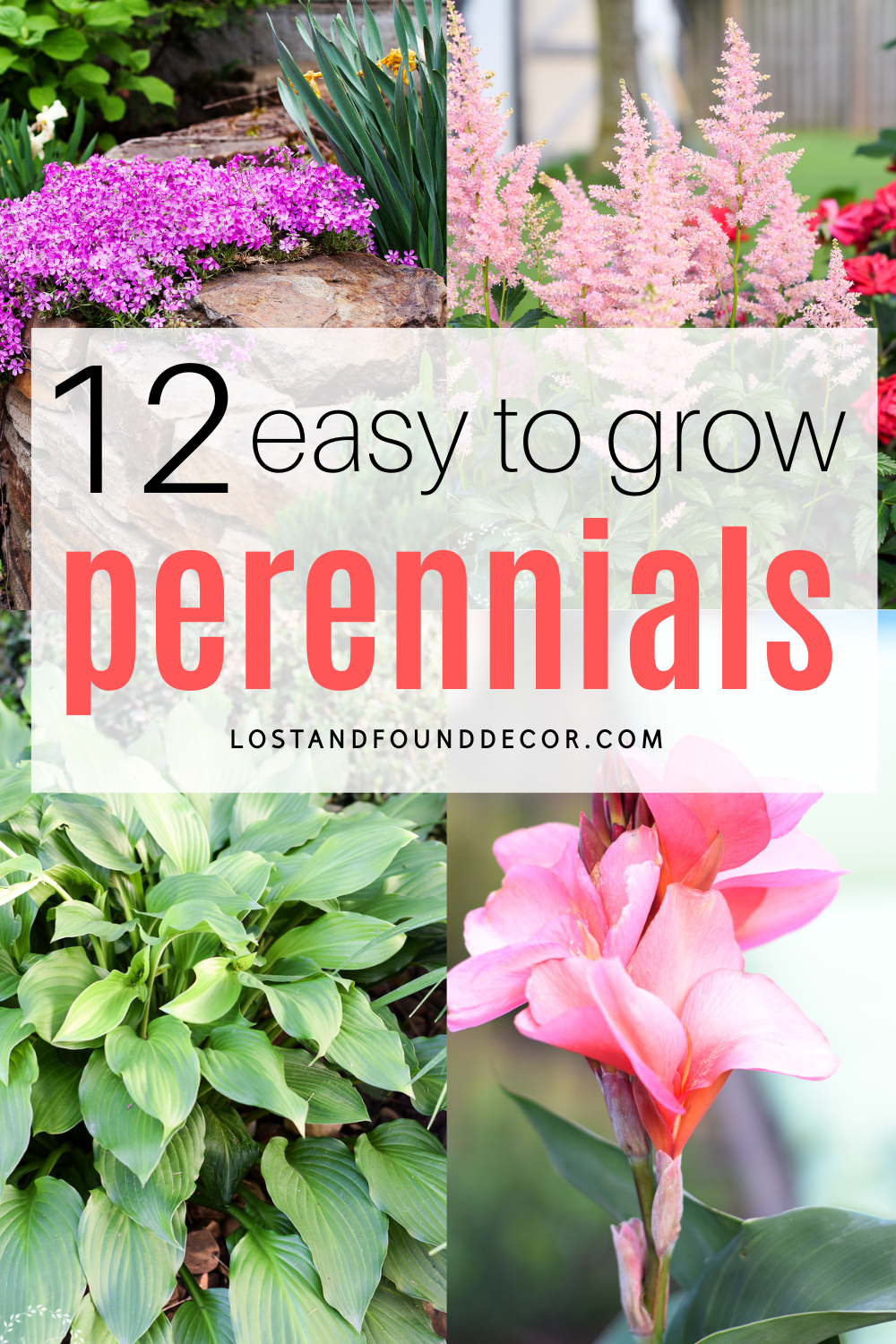
10 Best Low Maintenance Perennials That Bloom All Season Long
Creating a stunning garden that provides continuous color without demanding constant attention is every gardener's dream. Low maintenance perennials offer the perfect solution, delivering months of beautiful blooms while requiring minimal care once established. These hardy plants return year after year, making them an excellent investment for both novice and experienced gardeners.
The key to selecting the best perennials lies in choosing varieties that naturally resist pests and diseases, tolerate various weather conditions, and have extended blooming periods. The following ten perennial flowers have proven themselves as reliable performers that will transform your garden into a vibrant display from spring through fall.
What Makes a Perennial Low Maintenance?
Before diving into our top selections, it's important to understand what qualifies a perennial as "low maintenance." These plants typically share several key characteristics that make them ideal for busy gardeners or those seeking a more relaxed approach to gardening.
Low maintenance perennials are generally drought-tolerant once established, meaning they can survive with minimal watering after their first growing season. They also demonstrate strong resistance to common garden pests and diseases, reducing the need for chemical treatments or constant monitoring. Additionally, these plants often have self-cleaning properties, dropping spent blooms naturally, or benefit from simple deadheading to encourage continued flowering.
Top 5 Low Maintenance Perennials (Part 1)
1. Black-Eyed Susan (Rudbeckia)
Black-Eyed Susan stands out as one of the most reliable and cheerful perennial flowers for any garden. These bright yellow blooms with distinctive dark centers create a sunny disposition that lasts from midsummer through the first frost. Rudbeckia species are incredibly adaptable, thriving in full sun to partial shade and tolerating a wide range of soil conditions, including clay and sandy soils.
What makes Black-Eyed Susan particularly appealing is its ability to naturalize and spread, creating larger displays each year without becoming invasive. The plants are drought-tolerant once established and actually prefer not to be overwatered. Deadheading spent blooms will encourage continuous flowering, though many gardeners choose to leave some seed heads for winter interest and to feed birds.
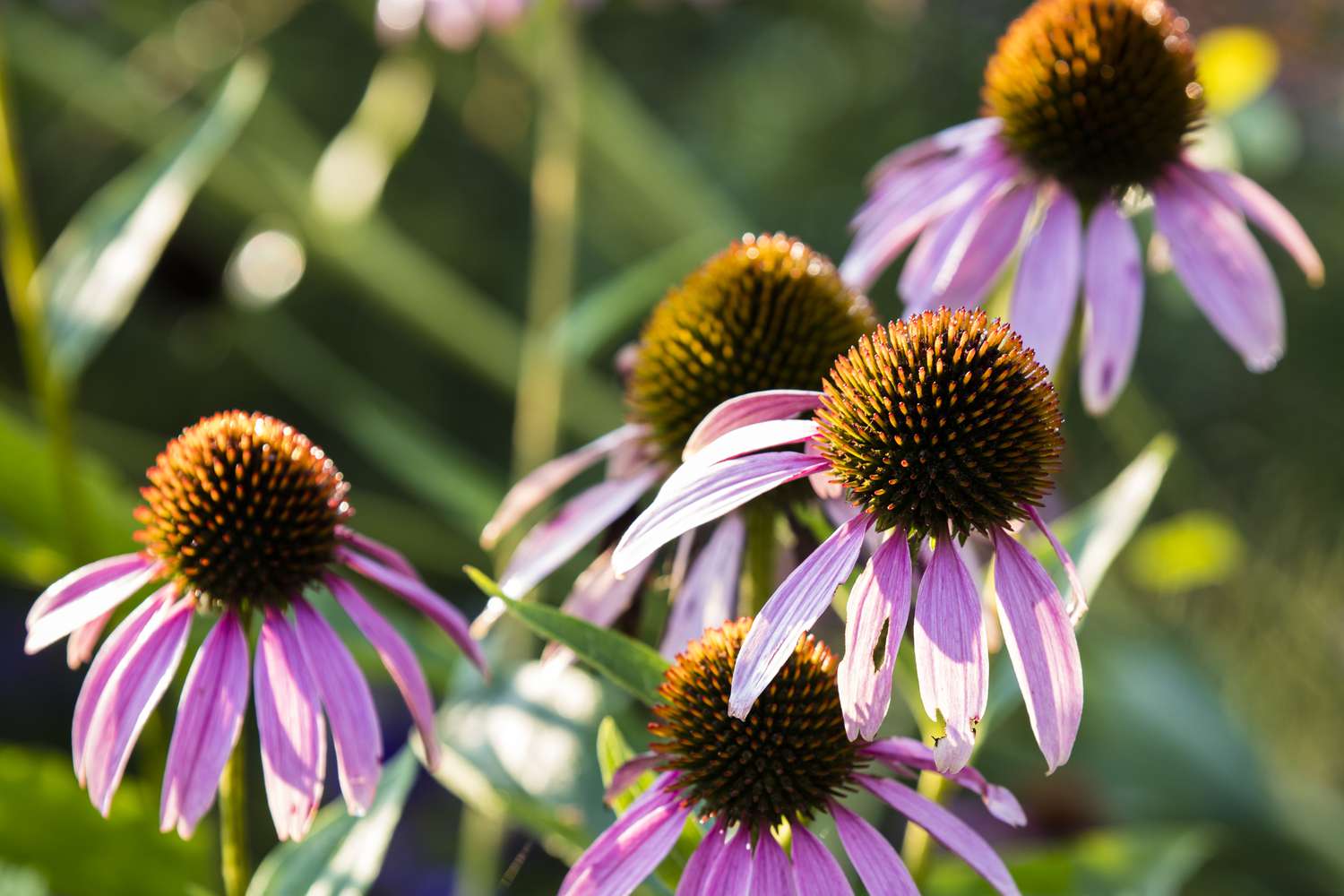
2. Coneflower (Echinacea)
Coneflowers have earned their reputation as one of the best perennials for good reason. These sturdy plants produce large, daisy-like flowers in shades of purple, pink, white, and increasingly, orange and yellow varieties. Beyond their ornamental value, coneflowers serve as pollinator magnets, attracting butterflies, bees, and birds to your garden throughout their extended blooming period.
Echinacea demonstrates remarkable drought tolerance and actually performs better in average to poor soils rather than overly fertile conditions. The plants are virtually pest-free and disease-resistant when grown in appropriate conditions. Their deep taproot system helps them access water during dry periods, making them excellent choices for xeriscaping or low-water gardens.
3. Blanket Flower (Gaillardia)
Blanket Flower brings vibrant, warm colors to the garden with its distinctive red and yellow blooms that resemble Native American blanket patterns. These hardy perennials bloom continuously from late spring until hard frost, providing one of the longest flowering seasons of any perennial. Gaillardia thrives in hot, sunny locations where many other plants struggle, making it perfect for challenging garden spots.
The key to success with Blanket Flower lies in providing excellent drainage, as these plants are highly susceptible to root rot in wet conditions. However, once established in well-draining soil, they require virtually no supplemental watering and actually perform better with neglect than with too much attention. Regular deadheading will keep the plants looking tidy and encourage continued blooming.
4. Catmint (Nepeta)
Catmint offers a perfect combination of attractive foliage and delicate flowers that appeal to both gardeners and pollinators. The silvery-green leaves provide excellent texture contrast in perennial borders, while the spikes of blue, purple, or white flowers create a soft, cottage garden effect. Most varieties bloom from late spring through fall, with peak flowering occurring in early summer.
One of catmint's greatest advantages is its deer and rabbit resistance, making it an excellent choice for gardens plagued by browsing wildlife. The plants are extremely drought-tolerant and prefer lean soils, requiring no fertilization in most garden situations. A mid-season shearing after the first flush of blooms will encourage fresh growth and renewed flowering.
5. Coreopsis (Tickseed)
Coreopsis, commonly known as Tickseed, produces masses of bright yellow, daisy-like flowers that seem to glow in the garden. These cheerful blooms appear continuously from early summer through fall, creating one of the most reliable color displays in the perennial garden. The fine, delicate foliage provides an airy texture that complements bolder plants while allowing the bright flowers to take center stage.
What sets Coreopsis apart is its remarkable adaptability to various growing conditions. These plants tolerate drought, poor soils, and even some flooding, making them suitable for a wide range of garden situations. They're also excellent for cutting gardens, as the flowers last well in vases and cutting actually encourages more blooms to form.
5 More Outstanding Low Maintenance Perennials
Continuing our exploration of the best perennials for effortless gardening, these five additional varieties will complete your low-maintenance garden with stunning blooms and exceptional durability.
6. Sedum (Stonecrop)
Sedum varieties are the ultimate drought-tolerant perennials, perfect for gardeners who want maximum impact with minimal water. These succulent perennials store water in their thick, fleshy leaves, making them incredibly resilient during dry spells. Popular varieties like 'Autumn Joy' and 'Herbstfreude' produce clusters of pink to red flowers from late summer through fall, while their attractive foliage provides interest throughout the growing season. Sedums thrive in full sun and well-drained soil, requiring virtually no supplemental watering once established.
7. Salvia (Perennial Sage)
Perennial salvias are workhorses in the garden, producing spikes of colorful flowers from late spring until the first frost. Varieties like 'May Night' (Salvia nemorosa) and 'Hot Lips' offer purple, blue, pink, or bicolor blooms that attract pollinators while deterring deer and rabbits. These aromatic perennials prefer full sun and well-drained soil, tolerating both heat and drought once established. Regular deadheading encourages continuous blooming, though many varieties will rebloom naturally without intervention.
8. Shasta Daisy (Leucanthemum)
The classic white petals and yellow centers of Shasta daisies bring timeless charm to any garden. These reliable perennials bloom from early summer through fall, producing an abundance of cheerful flowers perfect for cutting. Modern varieties like 'Becky' and 'Alaska' offer improved disease resistance and longer bloom periods. Shasta daisies adapt to various soil conditions but perform best in full sun with moderate moisture. They benefit from division every 3-4 years to maintain vigor and prevent overcrowding.
9. Daylily (Hemerocallis)
Despite their name, daylilies are true perennials that produce successive waves of blooms throughout the summer months. Each flower lasts only one day, but established clumps produce dozens of buds, ensuring continuous color. Available in countless colors and forms, from miniature varieties to large, ruffled blooms, daylilies adapt to almost any garden condition. They tolerate both full sun and partial shade, though flowering is most prolific in sunny locations. These tough perennials rarely need division and can thrive for decades with minimal care.
10. Bee Balm (Monarda)
Bee balm rounds out our list with its distinctive tubular flowers and aromatic foliage. This native perennial produces vibrant red, pink, purple, or white blooms from mid-summer through early fall, attracting bees, butterflies, and hummingbirds in droves. Modern cultivars like 'Jacob Cline' and 'Pardon My Purple' offer improved mildew resistance while maintaining the plant's natural vigor. Bee balm prefers full sun to partial shade and moist, well-drained soil, though it tolerates various conditions once established.
Essential Care Tips for Long-Season Blooms
To maximize the blooming potential of these low maintenance perennials, follow these proven strategies that require minimal time investment but deliver maximum results.
Proper soil preparation sets the foundation for success with any perennial garden. Most of these varieties prefer well-drained soil with moderate fertility. Amending heavy clay soils with compost or coarse sand improves drainage, while sandy soils benefit from organic matter to retain moisture and nutrients.
Mulching around your perennials conserves moisture, suppresses weeds, and moderates soil temperature. Apply a 2-3 inch layer of organic mulch like shredded bark or compost, keeping it away from plant stems to prevent rot and pest issues.
Recommended Growing Medium
For gardeners starting their low maintenance perennial garden, choosing the right soil amendment can make the difference between struggling plants and thriving displays.
With these ten exceptional low maintenance perennials, you can create a garden that provides continuous color from spring through fall while requiring minimal intervention. Each variety offers unique characteristics and bloom times that, when combined, ensure your garden remains vibrant throughout the growing season. The key to success lies in proper plant selection for your specific growing conditions and following basic care practices that work with nature rather than against it.
No comments yet. Be the first to share your thoughts!